The Jeep Compass steering wheel airbag cover is a critical safety component. It protects the driver by deploying an airbag in case of a collision.
This cover, often referred to as the airbag module or driver's side airbag, is designed to cushion the impact during an accident, significantly reducing the risk of serious injury to the head and chest.
Beyond its safety function, the cover also houses the horn button and often controls for the audio system and cruise control, making it a central hub for driver interaction. Understanding its components, potential issues, and replacement procedures is vital for any Jeep Compass owner.
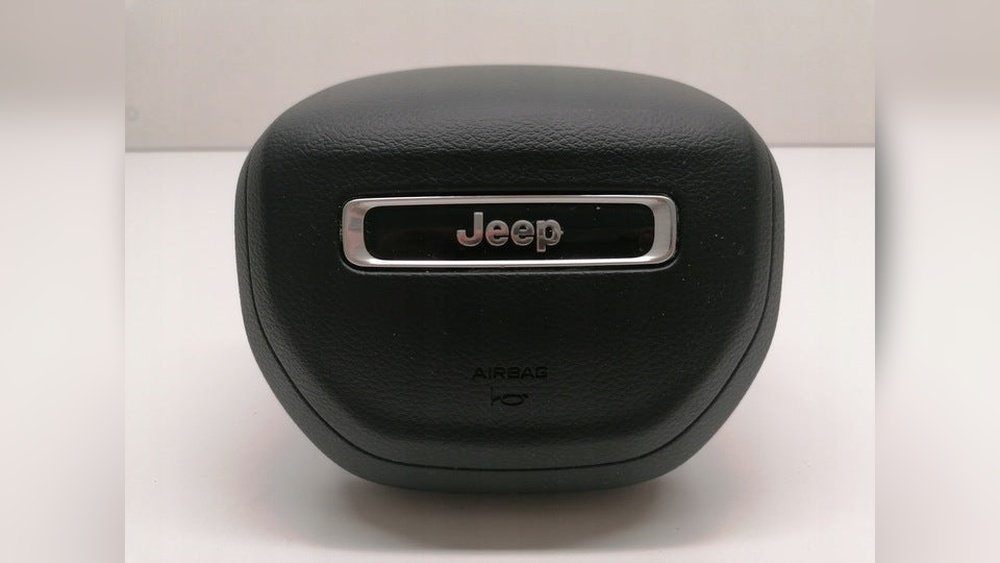
When the airbag deploys, the cover is designed to split open along specific seams, allowing the airbag to rapidly inflate from behind it. This action is precisely engineered to happen within milliseconds of impact. The airbag cover material is typically made of durable plastic or a similar composite, often covered with a textured finish to match the rest of the steering wheel’s aesthetics. The color and texture are carefully chosen to blend seamlessly with the steering wheel, making it an integrated part of the vehicle’s interior design. The Jeep Compass airbag cover is not just a simple plastic piece; it’s a complex assembly that includes the airbag cushion, inflator, and electrical connectors, all housed within or behind this protective shell.
Understanding The Jeep Compass Steering Wheel Air Bag Cover
The Jeep Compass steering wheel airbag cover is more than just a cosmetic piece. It’s a sophisticated safety device integrated into the steering wheel. Its primary function is to house and deploy the driver’s airbag. When a significant impact is detected by the vehicle’s sensors, an electrical signal is sent to the airbag module. This triggers the inflator, which rapidly fills the airbag cushion with gas, pushing the cover outwards. The cover is designed to rupture in a controlled manner, allowing the airbag to emerge and cushion the driver.
Components Of The Airbag Module
Within the steering wheel, the airbag module is a complex system. The cover itself is the visible part, but it conceals several crucial components:
- Airbag Cushion: This is the fabric bag that inflates rapidly. It’s typically made of a strong, flexible nylon material.
- Inflator: This device contains a propellant (like sodium azide) that burns rapidly when ignited, producing a large volume of nitrogen gas to inflate the cushion.
- Igniter: A small electrical charge ignites the propellant in the inflator.
- Control Module: The vehicle’s central computer monitors impact sensors and sends the signal to deploy the airbag.
- Horn Circuit: The cover also incorporates the horn mechanism, usually a metal contact plate or diaphragm that completes a circuit when pressed.
- Control Buttons: For modern vehicles like the Jeep Compass, the cover often includes integrated buttons for audio controls, cruise control, and voice commands.
Materials And Design
The airbag cover material is chosen for its durability, ability to withstand deployment forces, and aesthetic integration. Most commonly, it’s a hard plastic, often with a textured finish that matches the steering wheel’s grip. The color is usually black or a shade that complements the interior trim. The seams on the cover are deliberately weakened so that they break apart cleanly during deployment, preventing sharp edges from causing injury. The design must also accommodate the wiring for the horn and steering wheel controls without compromising the airbag’s function.
Common Issues And Warning Signs
Like any automotive component, the Jeep Compass steering wheel airbag cover can experience issues. These problems can range from minor cosmetic damage to serious safety concerns. Recognizing the warning signs is crucial for ensuring the system functions correctly when needed.
The Airbag Warning Light
The most common indicator of an airbag system issue is the illumination of the airbag warning light on the dashboard. This light, often shaped like a person with a deployed airbag, signifies a fault in the Supplemental Restraint System (SRS), which includes the driver’s airbag.
- Continuous Illumination: If the light stays on after starting the engine, it indicates a persistent fault.
- Flashing Light: In some cases, the light might flash, also indicating a problem.
- Never Ignored: A constantly illuminated airbag light means the airbag system, including the driver’s airbag cover, may not deploy in an accident.
Physical Damage To The Cover
The cover itself can sustain damage over time. This can include:
- Cracks or Splits: These might occur due to age, extreme temperature fluctuations, or impacts. While minor cracks might seem cosmetic, they can compromise the cover’s integrity during deployment.
- Loose Fit: If the cover becomes loose, it might rattle or feel unstable. This could indicate a problem with the mounting clips or fasteners.
- Wear and Tear: The textured surface can wear down, especially on frequently used areas like the horn pad.
Malfunctioning Steering Wheel Controls
Issues with the horn or other steering wheel buttons can sometimes be linked to the airbag cover assembly.
- Horn Not Working: If pressing the horn doesn’t produce a sound, the issue could be with the horn button mechanism within the cover or its electrical connection.
- Buttons Unresponsive: Similarly, if cruise control or audio buttons fail to function, the problem might lie with the internal wiring or the button contacts integrated into the cover.
Accidental Deployment
While rare, accidental airbag deployment can happen. This is usually due to electrical faults, severe impacts that are misinterpreted as collisions, or damage to the wiring.
If the airbag deploys unintentionally, the cover will be damaged and will require replacement.

Replacing The Jeep Compass Steering Wheel Air Bag Cover
Replacing a Jeep Compass steering wheel airbag cover is a task that requires caution and precision. Due to the presence of the airbag, safety precautions are paramount. It’s often recommended that this procedure be performed by a qualified mechanic.
Safety First: Disconnecting The Battery
Before attempting any work on the airbag system, it is absolutely essential to disconnect the vehicle’s battery. This prevents accidental deployment of the airbag.
- Locate the Battery: Find the battery under the hood.
- Disconnect the Negative Terminal: Use a wrench to loosen the nut on the negative (-) terminal clamp and remove the cable. Tuck it away so it cannot accidentally reconnect.
- Wait: Allow at least 10-15 minutes for any residual power in the airbag system to dissipate.
Removing The Old Airbag Cover
The process for removing the airbag cover can vary slightly depending on the specific Jeep Compass model year. Generally, it involves accessing fasteners from behind the steering wheel.
- Accessing Fasteners: Look for small access holes or slots on the back of the steering wheel. These are often on the sides or at the bottom.
- Releasing the Airbag Module: Insert a suitable tool (often a small screwdriver or a specialized pin tool) into these holes to depress retaining clips or springs that hold the airbag module in place. You may need to gently wiggle the module to release it.
- Disconnecting Wiring: Once the module is loose, carefully pull it forward. You will see electrical connectors for the airbag, horn, and any steering wheel controls. Disconnect these by pressing release tabs or sliding locking mechanisms. Never pull on the wires themselves.
- Removing the Cover: The airbag cover is typically attached to the airbag module. Depending on the design, it might be clipped on, screwed, or integrated as a single unit with the airbag module. If it’s a separate piece, you’ll need to carefully detach it from the module.
Installing The New Airbag Cover
Installation is essentially the reverse of removal.
- Attach to Module (if separate): If you purchased just the cover, ensure it is securely attached to the airbag module.
- Reconnect Wiring: Carefully reconnect all electrical connectors to the new airbag module (or the existing module with the new cover). Ensure they click into place securely.
- Position the Module: Gently place the airbag module back into its position in the steering wheel.
- Secure the Module: Align the module and push it firmly into place until the retaining clips engage. You might hear a click.
- Reconnect the Battery: Reattach the negative battery terminal and tighten the clamp.
- Test: Start the engine. The airbag warning light should illuminate briefly and then turn off. Test the horn and steering wheel controls to ensure they are functioning correctly.
When To Seek Professional Help
If you are uncomfortable with any part of this process, or if your Jeep Compass has a particularly complex steering wheel or airbag system, it is highly advisable to have a certified mechanic perform the replacement. Improper handling of airbag components can lead to serious injury or death, and incorrect installation can render the safety system ineffective.
Purchasing A Replacement Cover
When it’s time to replace your Jeep Compass steering wheel airbag cover, you have several options. The choice often depends on budget, availability, and whether you want an original part or an aftermarket alternative.
Genuine Oem Parts
Original Equipment Manufacturer (OEM) parts are made by or for Jeep.
- Pros: Guaranteed fit and quality, designed specifically for your vehicle, maintains vehicle’s original specifications.
- Cons: Usually the most expensive option.
- Where to Buy: Jeep dealerships or authorized Mopar parts suppliers.
Aftermarket Parts
These parts are made by third-party manufacturers.
- Pros: Often more affordable than OEM parts, wider availability.
- Cons: Quality can vary significantly between manufacturers. Fitment may not be as precise as OEM. It’s crucial to buy from reputable aftermarket suppliers.
- Where to Buy: Online auto parts retailers, local auto parts stores.
Used Or Remanufactured Parts
You can also find used airbag covers from salvage yards or remanufactured units.
- Pros: Can be significantly cheaper than new parts.
- Cons: Condition can be uncertain. For safety-critical components like airbags, buying used carries risks. Ensure the part is in good condition and from a reputable source. Crucially, an airbag module that has been deployed MUST be replaced, not refurbished.
- Where to Buy: Online marketplaces, specialized auto salvage yards.
Important Considerations When Buying
- Part Number: Always try to find the exact part number for your Jeep Compass’s steering wheel airbag cover. This ensures compatibility. You can usually find this number on the old part itself or by consulting your owner’s manual or a dealership.
- Model Year and Trim: Jeep Compass models across different years and trim levels might have different steering wheel designs and airbag configurations. Ensure the replacement part matches your specific vehicle.
- Seller Reputation: Especially when buying used or aftermarket parts online, check seller reviews and return policies.
- Safety Certification: For aftermarket airbags, look for parts that meet safety standards like FMVSS (Federal Motor Vehicle Safety Standards).

The Importance Of The Airbag System
The Jeep Compass steering wheel airbag cover is a key part of a system designed to save lives. The entire airbag system works in conjunction with seatbelts to provide crucial protection during a collision.
Airbags And Seatbelts: A Combined Force
While airbags offer significant protection, they are designed to work *with* seatbelts, not replace them.
- Seatbelts: Keep occupants positioned correctly in their seats, preventing them from being thrown forward or sideways. They also help manage the forces exerted during a crash.
- Airbags: Provide a cushion for the head and chest, preventing direct impact with the steering wheel, dashboard, or other interior surfaces.
The National Highway Traffic Safety Administration (NHTSA) states that in frontal crashes, seat belts reduce the risk of death by 45% for front-seat occupants. Airbags can reduce the risk of death in frontal crashes by an additional 10-15%. This highlights the importance of always wearing your seatbelt, even in vehicles equipped with airbags.
Consequences Of A Faulty Airbag System
A malfunctioning airbag system, indicated by a persistent airbag warning light, poses a serious risk. If the system fails due to a faulty sensor, module, or wiring issue, the airbag may not deploy when needed. Conversely, a faulty system could also lead to unintended deployment, which can be dangerous and costly to repair.
- Failure to Deploy: In a collision, the lack of airbag cushioning can lead to severe head, neck, and chest injuries.
- Unintended Deployment: Can cause sudden injury to the driver or passengers, and damage to the vehicle’s interior.
Regularly checking for the airbag warning light and addressing any issues promptly is a critical aspect of vehicle maintenance and driver safety.
Tips For Maintaining Your Steering Wheel And Airbag Cover
Keeping your Jeep Compass’s interior, including the steering wheel and airbag cover, in good condition can help prolong its life and ensure its functionality.
Cleaning The Airbag Cover
The airbag cover material can be cleaned using mild automotive interior cleaners.
- Avoid Harsh Chemicals: Do not use abrasive cleaners, solvents, or bleach, as these can damage the plastic and its finish.
- Gentle Application: Apply cleaner to a soft cloth, not directly to the cover. Wipe gently.
- Drying: Use a separate clean, dry cloth to wipe away any residue.
- Avoid Pressure: Do not apply excessive pressure to the cover, especially around the seams, as this could compromise its integrity.
Protecting From The Elements
Extreme temperatures and direct sunlight can degrade plastic components over time.
- Parking: Whenever possible, park your Jeep Compass in a shaded area or a garage to minimize exposure to direct sunlight and heat.
- Window Shades: Using a sunshade can help reduce interior temperatures and protect the dashboard and steering wheel from UV rays.
Inspecting For Wear And Tear
Periodically check the steering wheel and airbag cover for any signs of damage.
- Visual Inspection: Look for cracks, tears, or any areas where the material seems to be degrading.
- Feel for Looseness: Gently try to wiggle the airbag cover to ensure it is securely attached.
A proactive approach to maintenance can help prevent minor issues from becoming major problems, ensuring your Jeep Compass steering wheel airbag cover remains a reliable safety feature.
Frequently Asked Questions
What Is The Main Function Of The Jeep Compass Steering Wheel Airbag Cover?
The primary function of the Jeep Compass steering wheel airbag cover is to house and protect the driver’s airbag module. In the event of a collision, it is designed to split open in a controlled manner, allowing the airbag to deploy and cushion the driver, thereby reducing the risk of injury. It also typically integrates the horn button and controls for other vehicle functions.
Can I Drive My Jeep Compass If The Airbag Light Is On?
While your Jeep Compass can still be driven if the airbag warning light is illuminated, it is strongly advised not to. The light indicates a fault within the Supplemental Restraint System (SRS), meaning the