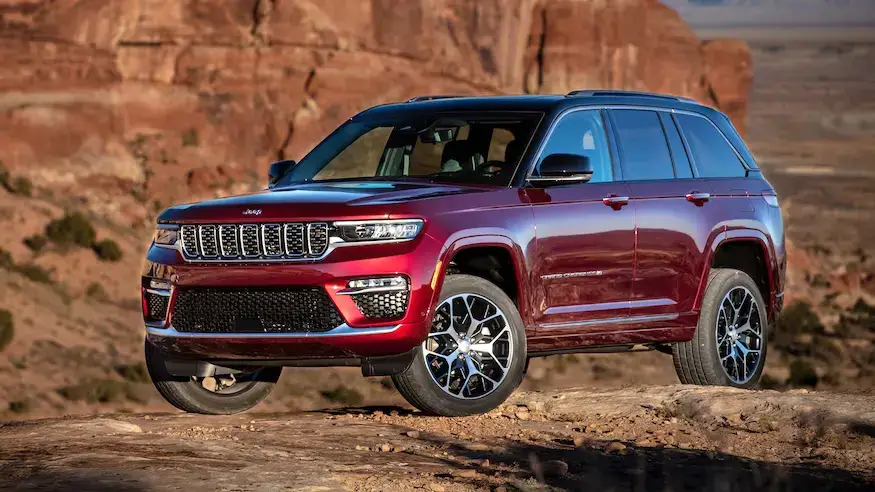
The Jeep Commander is a vehicle known for its ruggedness and capability, designed for those who need a reliable SUV for both daily driving and off-road adventures. When it comes to maintaining this vehicle's performance and safety, one often-overlooked component is the wheel bearing.
A failing wheel bearing can lead to a host of problems, from annoying noises to serious safety hazards.
This article will focus on Moog wheel bearings specifically for the Jeep Commander, exploring why they are a popular choice, what to look for, and how to understand their importance for your vehicle's overall health.
Moog is a brand that has built a strong reputation in the automotive aftermarket for producing high-quality chassis and suspension parts. Their wheel bearings are often chosen by mechanics and DIY enthusiasts alike for their durability and performance.
For a vehicle like the Jeep Commander, which can be subjected to demanding conditions, using a reliable wheel bearing is not just about comfort; it's about ensuring the vehicle handles predictably and safely, especially when carrying loads or tackling uneven terrain.
Understanding the role of wheel bearings and the benefits of choosing a reputable brand like Moog can help Jeep Commander owners make informed decisions about their vehicle’s maintenance.
The Crucial Role Of Wheel Bearings In Your Jeep Commander
Wheel bearings are small but vital components that allow your Jeep Commander’s wheels to rotate smoothly and with minimal friction. They are typically located in the hub assembly, which connects the wheel to the axle or suspension. Imagine your wheels as the feet of your Jeep; the wheel bearings are like the joints that allow them to move freely. Without properly functioning wheel bearings, your wheels wouldn’t be able to spin, and your vehicle would be immobile.
The constant rotation of the wheels puts significant stress on these bearings. They must endure the weight of the vehicle, the forces generated during acceleration and braking, and the impacts from bumps and potholes.
Furthermore, for a vehicle like the Jeep Commander, designed for varied terrains, wheel bearings must also contend with dirt, water, and mud, which can ingress and cause premature wear if the seals are compromised.
How Wheel Bearings Function
A typical wheel bearing consists of two conical rollers (or sometimes ball bearings) housed within an inner and outer ring, lubricated by grease and sealed to keep contaminants out. When the wheel turns, the rollers glide between the rings, distributing the load and allowing for smooth rotation. The hub assembly itself is the part that the wheel bolts onto, and the bearing is pressed into it.
The integrity of the bearing’s seal is paramount. A damaged seal allows grease to escape and dirt, water, and debris to enter. This contamination leads to corrosion and increased friction, which generates heat. Over time, this heat and contamination break down the metal surfaces of the rollers and rings, leading to wear, noise, and eventual failure.
Signs Of A Failing Wheel Bearing
Recognizing the symptoms of a failing wheel bearing is crucial for timely replacement and preventing further damage or safety issues. The most common indicators include:
- Noise: This is often the first sign. You might hear a humming, growling, or clicking sound that changes with the vehicle’s speed. The noise typically gets louder as you accelerate and may disappear when you brake. It often becomes more pronounced when turning in one direction, indicating the bearing on that side is under more stress.
- Vibration: A worn wheel bearing can cause vibrations felt through the steering wheel or the floor of the vehicle, especially at higher speeds. This vibration often increases with speed.
- Loose Wheel: In severe cases, a wheel bearing can become so worn that the wheel feels loose or wobbly on its mount. This is a serious safety concern.
- ABS/Traction Control Light: Many modern vehicles, including the Jeep Commander, have sensors that monitor wheel speed for the Anti-lock Braking System (ABS) and traction control. A failing bearing, especially one with a damaged tone ring (part of the ABS system often integrated into the bearing assembly), can interfere with these sensors, causing the corresponding dashboard warning lights to illuminate.
- Uneven Tire Wear: A damaged wheel bearing can cause the wheel to angle improperly, leading to accelerated and uneven wear on the tire.
Why Choose Moog For Your Jeep Commander Wheel Bearings?
When it comes to replacing critical components like wheel bearings, the brand you choose can make a significant difference in longevity and performance. Moog has established itself as a trusted name in the automotive aftermarket, particularly for suspension and steering parts. Their commitment to quality and engineering makes them a strong contender for Jeep Commander owners.
Moog’s Engineering And Quality Standards
Moog designs its parts with rigorous testing and quality control in mind. For wheel bearings, this often translates to using high-quality steel alloys for the races and rollers, which are hardened to withstand extreme pressure and wear. They also pay close attention to the sealing technology, employing robust seals designed to keep lubricants in and contaminants out, even in harsh environments. This is particularly important for a vehicle like the Jeep Commander, which might be used for off-roading where dirt and water are common.
Moog often incorporates advanced features into their bearings. For example, they might use precision-ground raceways to ensure smooth operation and reduced friction. They also focus on the proper lubrication, using high-performance greases that maintain their effectiveness across a wide temperature range and under heavy loads.
Durability And Longevity
The primary advantage of using Moog wheel bearings is their expected durability and longevity. They are engineered to meet or exceed original equipment (OE) specifications, meaning they are built to last. This is crucial for Jeep Commander owners who rely on their vehicles for demanding tasks or long journeys. A longer-lasting wheel bearing means fewer replacements, saving you time and money in the long run, and providing greater peace of mind.
In my experience, a common failure point for cheaper bearings is the seal. Moog’s focus on robust seals means you’re less likely to encounter premature failure due to contamination, which is a frequent issue in dusty or wet conditions that Jeep Commanders can often encounter.
Application-specific Design
Moog doesn’t just produce generic wheel bearings; they engineer them for specific vehicle applications. This means that a Moog wheel bearing for a Jeep Commander is designed to fit and function precisely as the original part, taking into account the vehicle’s weight, load capacities, and typical operating conditions. This application-specific design ensures optimal performance and compatibility, reducing the risk of installation issues or premature wear caused by an ill-fitting part.

Understanding Moog Wheel Bearing Components And Technology
Moog offers a range of wheel bearing solutions, often categorized by their specific technologies and features. For the Jeep Commander, understanding these can help you choose the right part and appreciate its quality.
Bearing Types And Materials
Moog typically uses tapered roller bearings for many of their heavy-duty applications, including SUVs like the Jeep Commander. These bearings are excellent at handling combined radial and axial loads, which are common in vehicle applications. The tapered design allows them to distribute forces effectively across the rollers and races.
The material quality is also a key differentiator. Moog uses high-carbon chromium steel alloys for their bearing races and rollers. This material is chosen for its hardness, strength, and resistance to fatigue. The surfaces are precisely machined and heat-treated to achieve optimal hardness, ensuring they can withstand the immense pressures and rotational forces without deforming or wearing down quickly.
Advanced Sealing Technology
As mentioned, a compromised seal is a leading cause of wheel bearing failure. Moog often employs multi-lip seals or advanced rubber seals that are designed to create a tight barrier against contaminants. These seals are flexible enough to accommodate the slight movements and vibrations inherent in a vehicle’s suspension system while maintaining their sealing integrity. Some Moog designs might also feature flinger rings that help to actively repel contaminants away from the seal.
Lubrication And Heat Treatment
The lubrication inside a wheel bearing is critical for reducing friction and dissipating heat. Moog uses high-performance synthetic greases that are formulated to maintain their viscosity and lubricating properties across a wide range of temperatures, from extreme cold to the heat generated during heavy braking or sustained high speeds.
The heat treatment process for the bearing components is also highly controlled. This process hardens the steel to the correct level, ensuring durability without making it brittle. Precise temperature control and tempering cycles are vital to achieving the desired balance of hardness and toughness.
Integrated Hub Assemblies Vs. Loose Bearings
For many modern vehicles, including likely many Jeep Commander models, wheel bearings are integrated into a hub assembly. This means the bearing is pre-pressed into a metal hub that the wheel bolts onto. Moog offers these complete hub assemblies, which simplifies installation as there’s no need for specialized presses to install the bearing into the hub. These assemblies often also include the ABS sensor ring and studs.
When purchasing, you’ll need to determine if your Jeep Commander uses a separate bearing that needs to be pressed into the knuckle or a complete hub assembly. Moog provides parts for both scenarios, but opting for a complete hub assembly can be a more convenient and sometimes more reliable solution, especially if the old hub shows signs of wear or corrosion.
Common Jeep Commander Models And Moog Wheel Bearing Compatibility
The Jeep Commander was produced from 2006 to 2010. While the core function of wheel bearings remains the same across these model years, there can be subtle differences in hub designs and bearing specifications that affect compatibility.
It's essential to verify the correct part number for your specific Jeep Commander.
Model Year Considerations
- 2006-2007 Jeep Commander: These early models may share some components with other Chrysler platforms of the era. When looking for Moog parts, ensure the catalog specifically lists compatibility for these years.
- 2008-2010 Jeep Commander: Minor updates and revisions during the Commander’s production run could mean slight variations in the hub assembly or bearing size. Always double-check part numbers against your vehicle’s VIN or by consulting a detailed parts catalog.
Front Vs. Rear Bearings
The front and rear wheel bearings on a vehicle are often different. They may have different sizes, mounting configurations, or load ratings. The front bearings on a 4WD vehicle like the Jeep Commander often experience more stress due to steering forces and being part of the drive axle assembly. Rear bearings handle the vehicle’s weight and braking forces. Moog will have distinct part numbers for front and rear applications.
2wd Vs. 4wd Differences
The drivetrain configuration can also influence the wheel bearing requirements. A 4WD Jeep Commander will have different front hub assemblies and potentially different bearing designs compared to a 2WD version, especially concerning the front axle. The front hubs on a 4WD model are typically designed to engage and disengage the front drive axles, which can affect their overall structure and the bearing assembly within.
Verifying The Correct Part Number
To ensure you get the right Moog wheel bearing for your Jeep Commander, always:
- Consult your vehicle’s owner’s manual: It may list specifications or part numbers.
- Use online parts catalogs: Reputable auto parts retailers and Moog’s own website have tools where you can enter your vehicle’s year, make, and model to find compatible parts.
- Check the existing part: If possible, remove the old wheel bearing or hub assembly and look for any part numbers stamped on it.
- Contact a professional: A mechanic or dealership can confirm the correct part number for your specific VIN.

Installation And Maintenance Tips For Moog Wheel Bearings
Proper installation is as crucial as choosing a quality part like a Moog wheel bearing. Incorrect installation can lead to premature failure, noise, or even safety issues.
The Installation Process
Installing a wheel bearing, especially a complete hub assembly, typically involves the following steps:
- Safety First: Park the vehicle on a level surface, engage the parking brake, and use wheel chocks. Loosen the lug nuts slightly before lifting the vehicle.
- Lift and Secure: Use a jack to lift the affected corner of the vehicle and secure it with jack stands.
- Remove the Wheel: Fully remove the lug nuts and take off the wheel.
- Remove Brake Components: You’ll likely need to remove the brake caliper and rotor to access the hub assembly.
- Disconnect ABS Sensor: Carefully disconnect the ABS sensor wire from the hub assembly.
- Remove Hub Assembly: Unbolt the hub assembly from the steering knuckle. This can sometimes be challenging if the bolts are rusted or seized.
- Install New Hub Assembly: Clean the mounting surface on the knuckle. Install the new Moog hub assembly, ensuring it sits flush. Reinstall and tighten the mounting bolts to the manufacturer’s specified torque.
- Reconnect ABS Sensor: Reconnect the ABS sensor wire.
- Reinstall Brake Components: Reinstall the brake rotor, caliper, and any associated hardware.
- Reinstall Wheel: Put the wheel back on and hand-tighten the lug nuts.
- Lower Vehicle and Torque Lug Nuts: Lower the vehicle and torque the lug nuts in a star pattern to the manufacturer’s specification.
Pro Tip: If you are replacing a bearing that is not a complete hub assembly, you will need a hydraulic press and specialized tools to safely remove the old bearing and press in the new one. This is often best left to a professional mechanic unless you have the proper equipment and experience.
Torque Specifications
Correct torque specifications are vital. Over-tightening lug nuts can warp the brake rotor or damage the studs. Under-tightening can lead to the wheel coming loose. Always refer to your Jeep Commander’s service manual for the precise torque values for both the hub mounting bolts and the lug nuts.
Post-installation Checks
After installation, spin the wheel by hand to ensure it rotates smoothly without any binding or noise. Take the vehicle for a short test drive at low speed, listening for any unusual sounds.
Gradually increase speed and test braking. If any issues arise, stop immediately and re-check the installation.
Maintenance And Longevity
While wheel bearings are largely maintenance-free once installed, proper care of your Jeep Commander can help extend their life:
- Avoid Deep Water/Mud: If possible, avoid driving through excessively deep water or mud that can overwhelm the bearing seals.
- Regular Inspections: During routine maintenance, have your mechanic inspect the wheel bearings for any signs of looseness or noise.
- Address Suspension Issues Promptly: Worn suspension components like ball joints or tie rods can put extra stress on wheel bearings.
Comparing Moog Wheel Bearings With Other Options
When shopping for Jeep Commander wheel bearings, you’ll encounter various brands and price points. Understanding where Moog fits in can help you make a value-driven decision.