The Jeep CJ is a true icon in the off-road world. From the post-war CJ-2A to the last CJ-7 in 1986, these vehicles have inspired a passionate following.
But whether you’re restoring a classic or planning a wheel upgrade, there’s one technical detail you can’t ignore: the Jeep CJ bolt pattern. This small but crucial specification determines which wheels fit your rig and which won’t even bolt up.
Let’s break down what you need to know.
What Is A Bolt Pattern?
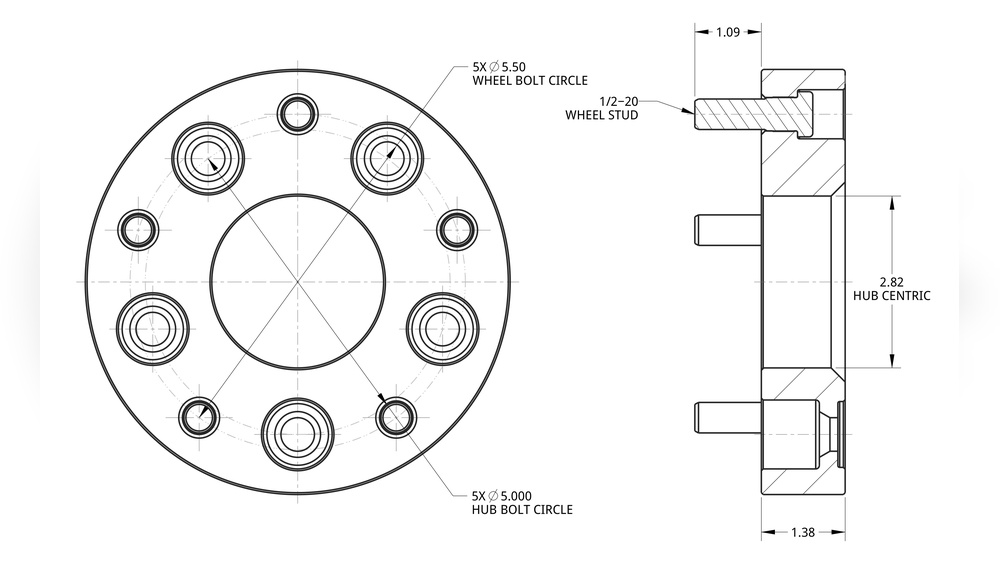
A bolt pattern is the arrangement of bolts that attach the wheel to the hub. For Jeeps, and most vehicles, it’s described using two numbers: the number of lug holes and the diameter of the circle they form, measured in inches. For example, “5×5.5” means five bolts arranged in a 5.5-inch diameter circle.
The bolt pattern must match exactly, or the wheel won’t fit. Many people mistakenly believe “close is good enough,” but even a small difference can cause vibration, unsafe driving, or even a lost wheel.
Jeep Cj Bolt Patterns By Model
Jeep CJs were produced over several decades, and the bolt pattern remained mostly consistent, but not always. Here’s a quick overview of the most common CJ models and their factory bolt patterns.
| Jeep CJ Model | Years | Bolt Pattern |
|---|---|---|
| CJ-2A, CJ-3A, CJ-3B | 1945–1964 | 5×5.5 |
| CJ-5, CJ-6 | 1955–1971 | 5×5.5 |
| CJ-5, CJ-6, CJ-7, CJ-8 | 1972–1986 | 5×5.5 |
Almost all Jeep CJs use the 5×5.5 inch pattern. This includes the most popular CJ-5 and CJ-7 models. The main exception is if someone swapped the axles, which sometimes happens on older Jeeps.
Measuring The Bolt Pattern
If you’re unsure which pattern your Jeep CJ has, measuring is simple but important. Here’s how:
- Count the lug nuts on one wheel.
- If there are five, measure from the center of one lug hole to the far edge of the lug hole directly across from it.
- That measurement in inches is the second number in the bolt pattern. For a CJ, it should be around 5.5 inches.
Here’s a visual comparison of common Jeep bolt patterns:
| Pattern | Lug Count | Circle Diameter (inches) | Used On |
|---|---|---|---|
| 5×5.5 | 5 | 5.5 | CJ, early Ford trucks, some Dodges |
| 5×4.5 | 5 | 4.5 | Wrangler YJ/TJ, Ford cars |
| 6×5.5 | 6 | 5.5 | Chevy/GMC trucks, Toyota trucks |
Many new Jeep owners get confused between 5×5. 5 and 5×4.
5 patterns. Mixing these up is a common mistake that leads to wasted money on wheels that don’t fit.
Why The Bolt Pattern Matters
The bolt pattern is critical for several reasons:
- Safety: The wrong pattern means the wheel can’t be mounted securely. That’s a serious safety hazard.
- Parts compatibility: Many aftermarket wheels fit more than one vehicle, but only if the bolt pattern matches.
- Resale value: Originality matters to collectors. The correct wheels with the correct pattern help your CJ keep its value.
Many beginners overlook the “center bore” and “offset,” but the bolt pattern is always step one. Without a match, nothing else matters.

https://www.youtube.com/watch?v=_jP7aRjTX7U
Swapping Axles And Bolt Patterns
Sometimes, Jeep CJ owners swap in axles from other vehicles, like Ford or Chevy trucks. This can give you stronger parts or disc brakes, but it often changes the bolt pattern.
Here’s an example:
| Donor Vehicle | Axle Type | Bolt Pattern |
|---|---|---|
| Ford F-150 | Dana 44 | 5×5.5 |
| Jeep Grand Cherokee | Dana 44 | 5×5 |
| Chevy Blazer | GM 10-bolt | 6×5.5 |
If your CJ’s axles have been swapped, always confirm the bolt pattern before buying wheels. Don’t trust what the “model year” says.
Tips For Wheel Upgrades
When choosing new wheels for your Jeep CJ, keep these tips in mind:
- Verify the bolt pattern on your actual vehicle, not just the paperwork.
- Check wheel size and backspacing to avoid rubbing or clearance issues.
- If using aftermarket wheels, make sure they’re rated for off-road use if you plan to hit the trails.
- Don’t forget the center bore—Jeep CJs have a large hub, and some wheels may not fit over it.
- When in doubt, take one wheel to the shop for a test fit.
Many new Jeep owners focus only on looks, but function comes first. A wheel that doesn’t fit right can cause expensive damage.

Non-obvious Insights
Most beginners don’t realize that factory CJ wheels are designed for drum brakes. If you swap to disc brakes, some older wheels may not clear the calipers. Always check clearance before finalizing your wheel choice.
Another common oversight: aftermarket “universal” wheels often have multiple bolt patterns, but the fit isn’t always perfect. The holes can be slightly oversized, leading to vibration or loose lugs. When possible, buy wheels drilled specifically for the 5×5.5 Jeep CJ pattern.
Frequently Asked Questions