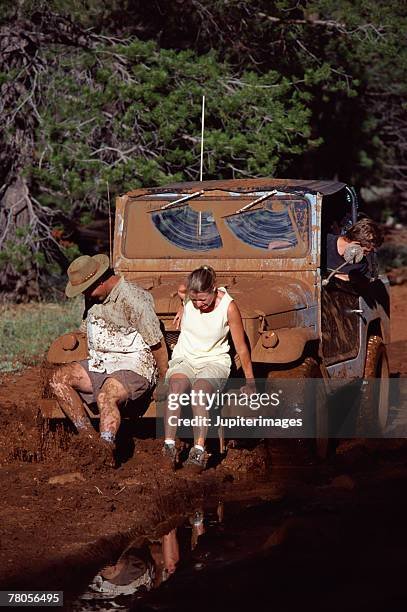
The Jeep Cherokee XJ is loved for its rugged design and dependable off-road performance. But if you drive one, you might know that the factory radiator struggles with heat—especially during summer, tough trails, or when towing.
Upgrading your radiator can prevent engine damage and improve how your XJ performs in all conditions. Let’s look at why an upgrade is smart, what options you have, and how to do it right.
Why Upgrade Your Jeep Cherokee Xj Radiator?
The stock radiator in the Jeep Cherokee XJ was designed for daily driving, not for high stress or extreme conditions. Over time, age, mud, and hard use can also lower its efficiency. Here’s why many owners choose to upgrade:
- Better cooling: A high-performance radiator cools your engine faster and keeps temperatures stable.
- Longer engine life: Overheating can lead to head gasket failure, warped heads, or even a seized engine.
- Improved performance: Engines run better and more efficiently when kept at the right temperature.
- Peace of mind: No one wants to see steam pouring from under the hood in the middle of nowhere.
Common Signs You Need An Upgrade
- The temperature gauge climbs quickly, even in normal driving.
- Coolant leaks or frequent top-ups.
- Visible corrosion or damage on the radiator.
- You plan to tow, off-road, or live in a hot climate.
Beginners often miss that a radiator can lose efficiency slowly—performance drops before you see clear leaks.
Types Of Radiators For The Jeep Cherokee Xj
When picking a radiator, the two most common choices are aluminum and copper/brass. Each has pros and cons for XJ owners.
| Material | Heat Transfer | Weight | Durability | Price |
|---|---|---|---|---|
| Aluminum | Excellent | Light | High (resists corrosion) | $$ |
| Copper/Brass | Very Good | Heavy | Moderate (can corrode) | $$$ |
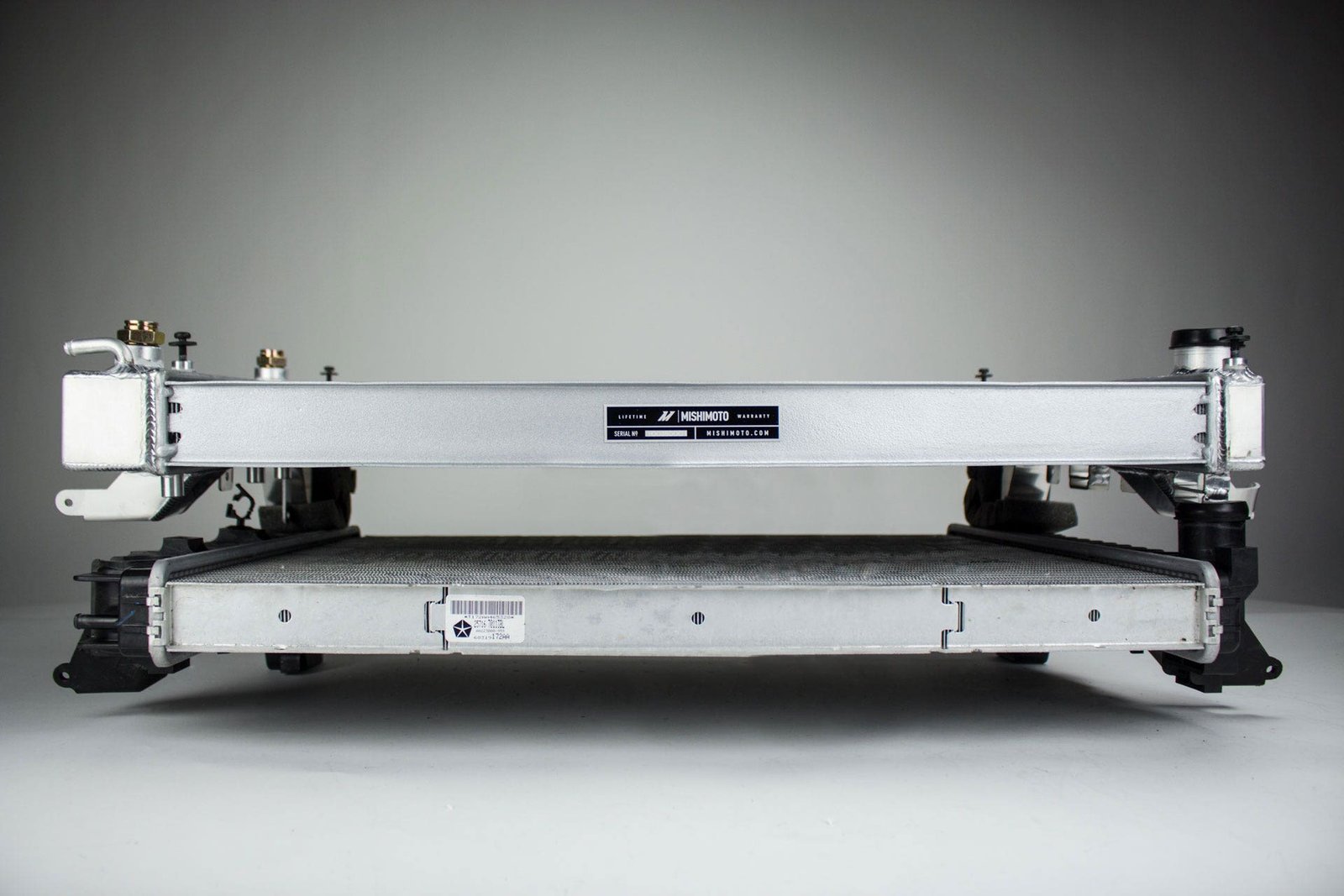
Aluminum radiators are popular because they are light, cool well, and resist rust. They are often built with larger cores and more rows for better cooling. Copper/brass radiators can offer great cooling but are heavier and more prone to corrosion, though some purists prefer them for classic looks.
Single Row Vs. Multi Row
- Single row: Good for mild upgrades and daily driving.
- Two or three row: Best for heavy-duty use, towing, or hot climates.
Key Features To Consider
Upgrading is not just about buying the biggest radiator. Think about these features:
- Core thickness: Thicker cores hold more coolant and cool better.
- Number of tubes/rows: More tubes mean more cooling surface.
- Direct fit: Make sure the radiator is made to fit the XJ without modifications.
- Transmission cooler ports: Needed if your XJ is automatic.
- Warranty: A good warranty means the company stands by their product.
Many beginners skip checking transmission cooler compatibility, which can cause installation headaches.
Step-by-step Upgrade Process
Upgrading the radiator on your Jeep Cherokee XJ is straightforward if you follow the right steps. Here’s a simplified guide:
- Let the engine cool. Never open a hot radiator.
- Drain old coolant using the petcock valve at the bottom of the radiator.
- Remove the fan shroud and disconnect the upper and lower hoses.
- Unbolt the old radiator and carefully lift it out.
- Transfer fittings and sensors to the new radiator (if needed).
- Install the new radiator, making sure it’s seated properly.
- Reconnect hoses and shroud. Double-check for tight connections.
- Refill with fresh coolant, using a 50/50 mix of antifreeze and water.
- Bleed the system by running the engine with the radiator cap off until air bubbles stop.
Pro tip: Always inspect your radiator cap and hoses. Old parts can cause leaks even with a new radiator.
Cost Comparison And Value
Is a radiator upgrade worth the cost? Here’s how the numbers usually break down:
| Radiator Type | Price Range (USD) | Labor Cost (if not DIY) | Expected Lifespan |
|---|---|---|---|
| Stock Replacement | $80–$150 | $100–$200 | 3–5 years |
| Aluminum Upgrade | $180–$350 | $120–$250 | 5–10 years |
| Copper/Brass Upgrade | $250–$400 | $120–$250 | 5–8 years |
The extra cost of an aluminum radiator can save you money in the long run by avoiding overheating repairs.
Common Mistakes When Upgrading
- Buying the wrong fit: Always check year and model compatibility.
- Skipping new hoses or clamps: Old parts can fail soon after.
- Not flushing the system: Old coolant can damage your new radiator.
- Ignoring air pockets: Failing to bleed the system can cause overheating.
A less obvious mistake: Using tap water instead of distilled water in your coolant mix. Minerals in tap water can cause corrosion inside your new radiator.
Real-world Example
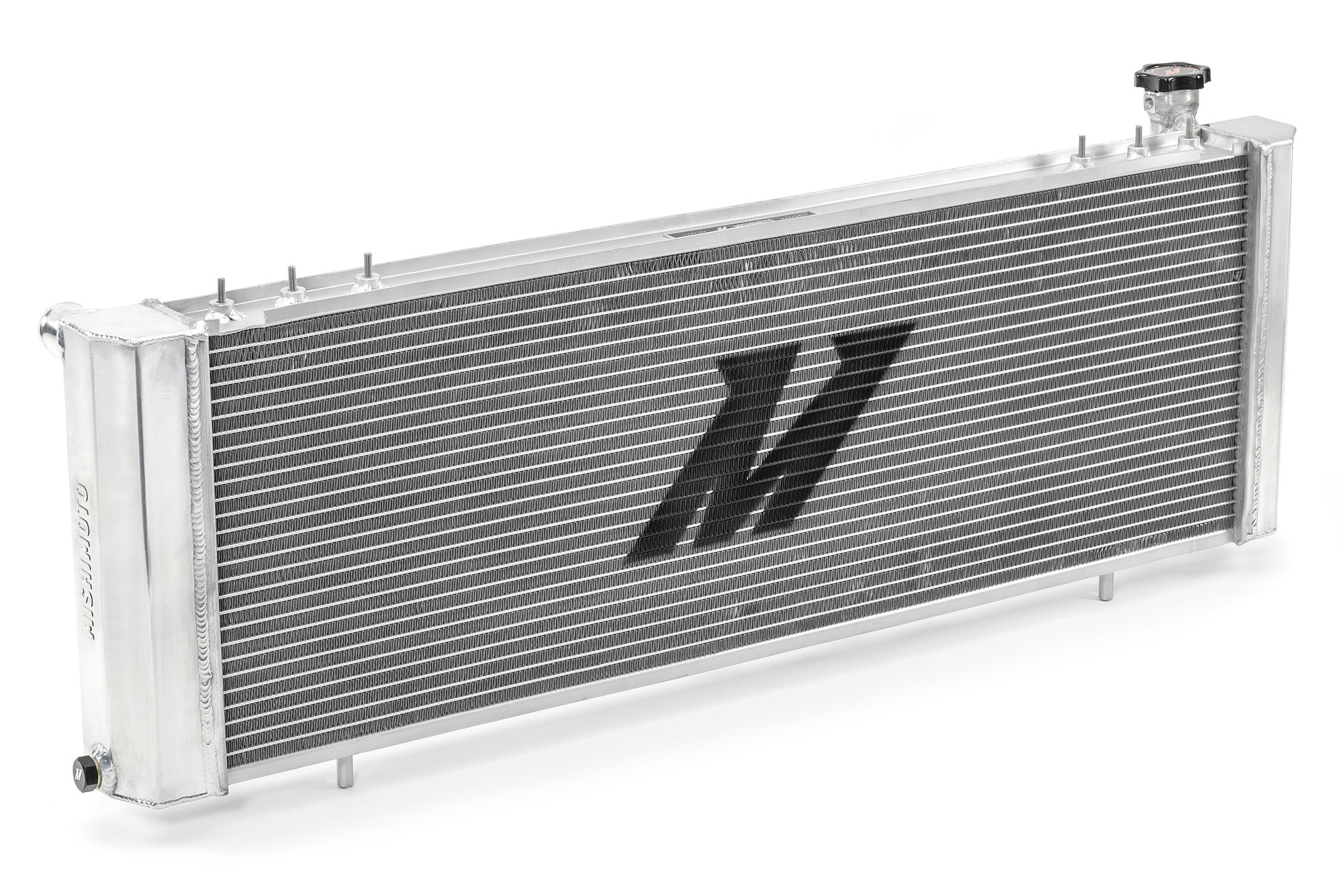
Mike, a 1999 XJ owner, switched to a two-row aluminum radiator after repeated overheating on long uphill drives. He reports cooler temps, fewer worries, and a smoother ride even when towing his small trailer in summer.
He also noticed his heater works better in winter, since the system now holds proper pressure.
When A Radiator Upgrade Isn’t Enough
Sometimes, overheating continues even after a new radiator. Check for:
- Failing water pump
- Weak fan clutch or electric fan
- Blocked heater core
- Old thermostat
A cooling system works as a team—one weak part can cause problems.
For more details on cooling system basics, you can check the Automobile cooling system page on Wikipedia.

Frequently Asked Questions
What Coolant Should I Use After Upgrading?
Use a 50/50 mix of quality antifreeze and distilled water. This prevents corrosion and keeps the engine at the right temperature.
Can I Install A New Radiator Myself?
Yes, if you have basic tools and patience. The process takes about 2–3 hours for most home mechanics. Always follow safety steps and double-check connections.
Will A Bigger Radiator Make My Jeep Run Too Cold?
No. The thermostat controls minimum engine temperature. A better radiator helps prevent overheating, not overcooling.
Do I Need An Electric Fan With A New Radiator?
Not always. Many upgraded radiators work fine with the stock fan. But electric fans can help in slow traffic or for serious off-roading.
How Often Should I Check My Coolant Level?
Check every oil change or before long trips. Low coolant can quickly lead to overheating—even with a brand-new radiator.
Upgrading your Jeep Cherokee XJ radiator is one of the smartest ways to boost reliability and enjoy stress-free driving, on or off the road. With the right radiator, proper installation, and a little care, your XJ can stay cool no matter where your adventure takes you.