Unleashing The Legend: Essential Jeep Cherokee Xj Off-road Parts
The Jeep Cherokee XJ is more than just a vehicle; it's an icon. For decades, this compact SUV has been a favorite among off-road enthusiasts.
Its rugged construction, manageable size, and incredible aftermarket support make it a prime candidate for modification. Whether you're looking to crawl over rocks, tackle muddy trails, or simply enhance its capability for weekend adventures, the right off-road parts can transform your XJ into a trail-conquering machine.
This guide will walk you through the most impactful upgrades, from suspension systems to essential recovery gear, helping you build a Jeep that's as adventurous as you are.
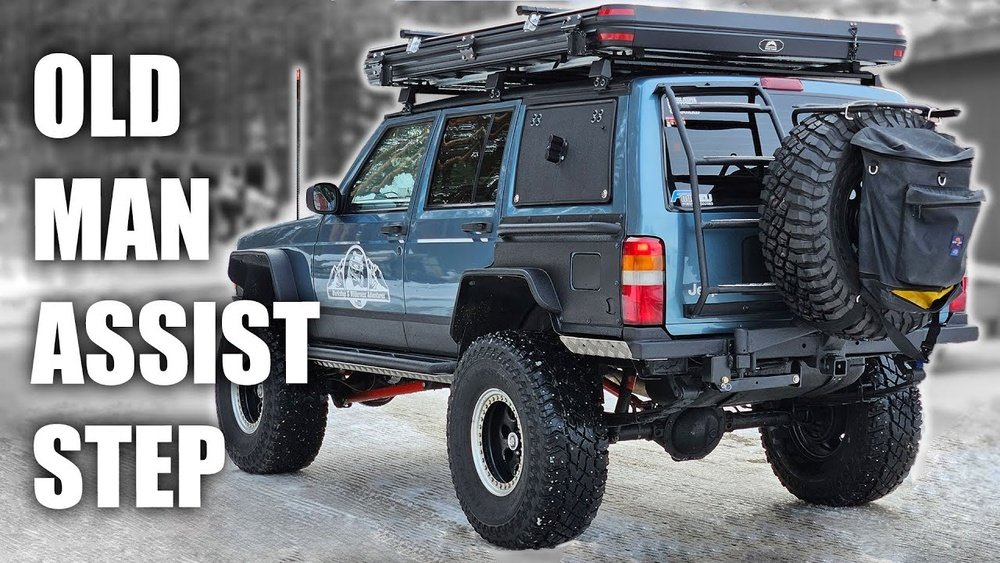
When considering Jeep Cherokee XJ off-road parts, it’s crucial to understand the core needs of off-roading. You need increased ground clearance to clear obstacles, better traction to maintain control, improved durability to withstand harsh conditions, and the ability to recover your vehicle if it gets stuck. The XJ, with its unibody construction, offers a unique platform that responds exceptionally well to specific modifications. Unlike body-on-frame SUVs, the XJ’s integrated structure provides a strong foundation, but certain areas might require reinforcement as you push its limits.
The aftermarket for the XJ is vast, offering everything from simple bolt-on accessories to complex custom fabrications. Choosing the right parts can feel overwhelming, but by focusing on the most critical areas first, suspension, tires, protection, and recovery, you can build a capable rig systematically.
This approach ensures you get the most bang for your buck and avoid common pitfalls that can lead to costly mistakes or compromised performance on the trail.
Elevating Performance: Suspension And Lift Kits
The suspension system is arguably the most critical upgrade for any off-road vehicle, and the Cherokee XJ is no exception. Lifting your XJ provides the necessary ground clearance to clear rocks, logs, and other trail debris that can damage your undercarriage. Beyond just height, a good suspension upgrade improves articulation, allowing your wheels to stay in contact with uneven terrain for maximum traction.
Understanding Lift Kit Types
There are several ways to lift an XJ, each with its pros and cons:
- Budget Boosts (Spacers): These are the simplest and most affordable way to gain a few inches of lift. They involve installing pucks or spacers above the existing springs (front) and potentially under the leaf springs (rear).
- Pros: Inexpensive, easy to install, minimal impact on ride quality if done correctly.
- Cons: Limited articulation improvement, can sometimes lead to a harsher ride, may require additional components like longer shocks or sway bar links to function optimally. They are best for mild lifts (1-3 inches).
- Add-a-Leaf Kits: These kits involve adding an extra leaf spring to your existing rear leaf pack. This increases the spring rate and provides lift.
- Pros: Relatively inexpensive, can improve load-carrying capacity.
- Cons: Can make the rear suspension stiffer, potentially reducing ride comfort. Often combined with other lift methods for the front.
- Coil Spring Lifts (Front): For the front suspension, lift kits typically replace the stock coil springs with taller, stiffer ones. The amount of lift is determined by the spring’s free length and spring rate.
- Pros: Provides a significant lift, can improve front-end articulation.
- Cons: Requires replacing shocks as well, can affect on-road handling if not matched correctly.
- Leaf Spring Lifts (Rear): For the rear, lift kits replace the entire stock leaf spring pack with a new one designed for more height and flex.
- Pros: Offers significant lift and improved articulation for the rear.
- Cons: Can result in a stiffer ride, especially when the vehicle is unloaded.
- Longer Shocks and Longer Shackle Kits: These are often used in conjunction with other lift methods. Longer shocks allow for greater suspension travel (flex). Longer shackles on the rear leaf springs can provide a small amount of lift and improve articulation, but too long can negatively impact handling.
A common and effective approach for the XJ is a 3.5-inch to 4.5-inch lift kit. This range offers a good balance of ground clearance for moderate to challenging trails without excessively compromising on-road manners or requiring extensive modifications like axle relocation. Many reputable brands offer complete kits that include front coils, rear leaf springs, and appropriately valved shocks.
Beyond The Lift: Suspension Components
A lift kit is just the beginning. To make your suspension truly effective off-road, consider these components:
- Adjustable Control Arms: The XJ has four control arms that connect the axles to the unibody. When you lift the vehicle, the geometry of these arms changes, affecting caster and pinion angles. Adjustable control arms allow you to correct these angles, improving steering stability and preventing driveshaft vibrations. Upper and lower adjustable control arms are a worthwhile investment for lifts over 3 inches.
- Extended Sway Bar Links: Stock sway bar links are too short for a lifted vehicle. Extended links allow the sway bar to function correctly, maintaining stability on-road while allowing for maximum articulation off-road when disconnected. Many kits include quick disconnects, making it easy to remove the sway bar for trail use.
- Extended Brake Lines: Longer brake lines are essential when lifting the vehicle, as the stock lines will become taut and could break under full suspension droop. Ensure you get stainless steel braided brake lines for durability and improved braking feel.
- Shocks: The shocks included in lift kits are typically designed for the added height and intended use. However, for more extreme off-roading, consider upgrading to shocks with more robust construction and better damping capabilities, such as Bilstein, Fox, or Old Man Emu shocks.
Pro Tip: When choosing a lift kit, consider the intended use. If you plan on aggressive rock crawling, prioritize articulation and strength. For overland travel or fire roads, ride comfort and stability might be more important.
Gripping The Trail: Tires And Wheels
Your tires are your Jeep’s only contact with the ground. For off-roading, all-terrain (AT) and mud-terrain (MT) tires are the go-to choices.
Tire Types Explained
- All-Terrain (AT) Tires: These are a versatile option, offering good performance on pavement, dirt roads, gravel, and light to moderate trails. They have a more aggressive tread pattern than highway tires but are still relatively quiet and comfortable for daily driving. Brands like BFGoodrich All-Terrain T/A KO2, Falken Wildpeak A/T3W, and Goodyear Wrangler DuraTrac are popular choices.
- Mud-Terrain (MT) Tires: Designed for maximum traction in mud, rocks, and loose dirt. They feature large, widely spaced lugs that dig into soft surfaces. MT tires are generally louder on the road, wear faster on pavement, and can be less comfortable for daily use. However, for serious off-roading, their performance is unmatched. Popular MT tires include BFGoodrich Mud-Terrain T/A KM3, Nitto Trail Grappler, and Toyo Open Country M/T.
Tire Size Considerations
When lifting your XJ, you’ll gain the ability to fit larger tires.
- A 2-inch lift can often accommodate 30-31 inch tires with minor or no modifications.
- A 3.5-inch lift typically allows for 32-33 inch tires. You might need to trim the fenders or perform a “fender chop” to prevent rubbing, especially at full suspension compression.
- A 4.5-inch lift or higher can usually fit 33-inch tires comfortably and often 35-inch tires with fender trimming and potentially some minor body modifications.
Fitting larger tires increases your ground clearance and improves your ability to overcome obstacles. However, larger tires also put more stress on your drivetrain (axles, gears, transfer case) and require more power to turn.
Wheels
While you can often use stock wheels with larger tires, consider upgrading to aftermarket wheels designed for off-road use.
- Beadlock Wheels: These wheels physically clamp the tire bead to the rim, preventing the tire from de-beading (coming off the rim) at very low tire pressures, which is crucial for extreme rock crawling.
- Stronger Construction: Off-road wheels are typically made from stronger alloys or steel and are designed to withstand impacts better than stock wheels.
- Offset: The wheel offset affects how the tire sits relative to the fender. A negative offset can push the wheels out, improving stability and tire clearance, but can also lead to increased tire wear and potential rubbing on fenders or body panels.
Example: When I upgraded my XJ to 33-inch tires with a 4-inch lift, I found that 15×8 wheels with a -3.75 offset provided a good stance and cleared the fenders with a moderate fender chop.
Protecting Your Investment: Armor And Bumpers
Off-roading can be rough on your vehicle’s exterior. Armor protects critical components from damage, while heavy-duty bumpers offer improved approach and departure angles, provide mounting points for accessories, and add protection.
Skid Plates
Skid plates are essential for protecting the underside of your XJ. The most common and important ones are:
- Engine/Transmission Skid Plate: This is often the first and most crucial skid plate. It protects your oil pan, transmission pan, and exhaust components from impacts. Many aftermarket skid plates are integrated, protecting both the engine and transmission in one unit.
- Transfer Case Skid Plate: The transfer case is a vital and vulnerable component. A robust skid plate is a must-have for any serious off-roader. Some aftermarket skid plates include protection for both the transmission and transfer case.
- Gas Tank Skid Plate: The fuel tank and filler neck are exposed and can be easily damaged. An aftermarket skid plate protects these components.
- Leaf Spring Skid Plates: These protect the rear leaf spring mounts, which are critical structural points.
Material: Most skid plates are made from 1/4-inch steel or 3/16-inch aluminum. Steel is stronger and more impact-resistant but heavier. Aluminum is lighter but can bend or dent more easily.
Rocker Panel Protection (rock Sliders)
Rocker panels are the areas below your doors. They are highly susceptible to damage from rocks and trail obstacles. Rock sliders are typically constructed from strong steel tubing or angle iron and bolt directly to the unibody frame rails. They serve two purposes:
- Protection: They act as a barrier, preventing rocks and obstacles from crushing or damaging your rocker panels and doors.
- Hi-Lift Jack Points: Many rock sliders are designed to be used as safe jacking points for a Hi-Lift jack, which is invaluable for field repairs or recoveries.
Bumpers
Aftermarket bumpers offer several advantages over stock:
- Increased Approach and Departure Angles: Many aftermarket bumpers are designed with sharper angles, allowing you to climb over obstacles more easily without scraping.
- Winch Mounts: Most front bumpers are designed with integrated winch mounting plates, allowing you to install a winch for self-recovery.
- D-Ring Mounts: They typically include sturdy D-ring shackle mounts for recovery operations.
- Durable Construction: Made from heavy-gauge steel, they are much more robust than stock plastic or thin metal bumpers.
When choosing bumpers, consider the weight, as excessive weight can impact your Jeep’s handling and suspension. Some manufacturers offer lighter-weight options made from aluminum or with a more minimalist design.

Staying Mobile: Recovery Gear
Getting stuck is part of off-roading. Having the right recovery gear ensures you can get yourself or a fellow Jeeper unstuck safely and efficiently.
Essential Recovery Tools
- Winch: A winch is the ultimate self-recovery tool. For an XJ, a 9,000 to 10,000 lb winch is generally sufficient. Look for synthetic rope over steel cable, as it’s lighter, safer, and easier to handle.
- Tow Strap/Recovery Strap: These straps are designed to stretch under load, absorbing kinetic energy to help pull a stuck vehicle free. They are different from static tow straps, which do not stretch and can cause damage if used for recovery.
- Shackles (D-Rings): These are essential connectors for attaching tow straps, winch lines, or snatch blocks to bumpers or other recovery points. Ensure you use rated recovery shackles, not generic hardware store ones.
- Hi-Lift Jack: A versatile tool that can be used for lifting, winching, or even light prying. It’s crucial to know how to use it safely, as it can be dangerous if misused.
- Tree Saver Strap: Used to protect trees when winching. It’s a wide strap that prevents the winch line from cutting into the bark.
- Gloves: Protect your hands when handling winch lines, straps, and shackles.
- Snatch Block: A pulley that can increase your winch’s pulling power or change the direction of the pull.
Warning: Always use proper recovery techniques and ensure everyone involved understands the process. Never stand between a taut recovery strap and the vehicles, as a broken strap can cause serious injury or death.
Traction Aids
When one or more wheels lose traction, you can get stuck. Traction aids help regain grip.
- Locking Differentials: These devices lock the axles together, forcing both wheels on an axle to spin at the same speed. This is incredibly effective for maintaining traction in low-grip situations. Options include:
- Selectable Lockers (e.g., ARB Air Locker, Eaton E-Locker): These can be engaged and disengaged electronically or pneumatically, offering the best of both worlds, traction when you need it and open differentials for better on-road manners.
- Automatic Lockers (e.g., Detroit Locker, Aussie Locker): These engage automatically when torque is applied and disengage during coasting. They can sometimes cause clunking noises and unpredictable behavior on pavement.
- Limited Slip Differentials (LSD): These allow for some wheel speed difference but will transfer some torque to the wheel with traction. They are less aggressive than lockers but offer an improvement over open differentials.
- Traction Boards (e.g., Maxtrax): These are portable mats with aggressive lugs that you place under a spinning tire to provide traction on mud, sand, or snow.
Pro Tip: For most XJ owners looking for a balance of trail capability and daily drivability, a selectable locker in the rear axle is a fantastic upgrade.