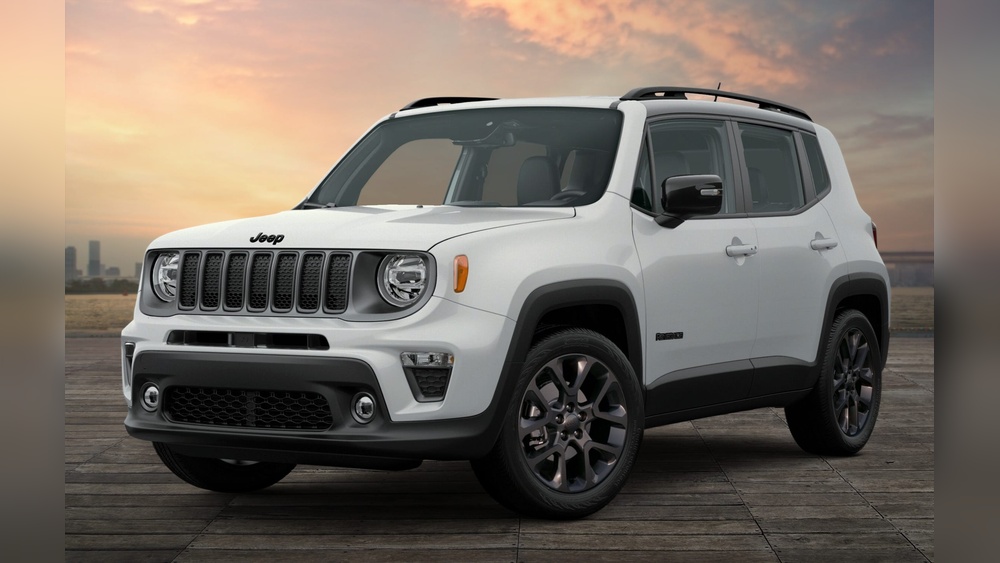
The Jeep Cherokee is a popular SUV known for its off-road capabilities and distinctive styling. When it comes to maintaining and enhancing your Cherokee, understanding its wheel specifications is crucial.
This includes details like bolt pattern, offset, center bore, and recommended tire sizes. Getting these right ensures proper fitment, optimal performance, and a safe driving experience.
This article will dive deep into the Jeep Cherokee wheel world, covering everything from common sizes to aftermarket options and how to choose the best wheels for your specific needs.

Understanding Jeep Cherokee Wheel Basics
Before we look at specific models, let’s clarify some fundamental terms related to wheels. Knowing these will help you understand the specifications for any Jeep Cherokee generation.
Bolt Pattern
The bolt pattern refers to the number of lug nuts on the wheel and the diameter of the circle they form. It’s typically expressed as two numbers, like 5×114.3. The first number (5) is the number of bolts, and the second number (114.3) is the diameter of the bolt circle in millimeters. This measurement is critical; wheels with the wrong bolt pattern will not fit your Jeep Cherokee’s hubs.
Offset
Wheel offset is the distance from the wheel’s mounting surface (where it meets the hub) to the centerline of the wheel. It can be positive, zero, or negative.
- Positive offset: The mounting surface is closer to the wheel’s outer face. This pushes the wheel inward, towards the vehicle’s suspension.
- Zero offset: The mounting surface is exactly in the middle of the wheel.
- Negative offset: The mounting surface is closer to the wheel’s inner face. This pushes the wheel outward, away from the vehicle’s suspension.
Offset affects how the wheels sit in the wheel wells and can influence steering feel and tire clearance. Incorrect offset can cause tires to rub against fenders or suspension components.
Center Bore
The center bore is the hole in the center of the wheel that fits over the vehicle’s hub. It’s measured by its diameter. If a wheel’s center bore is too small, it won’t fit. If it’s too large, you’ll need hub-centric rings to ensure the wheel is centered properly on the hub, preventing vibrations and potential damage.
Wheel Diameter And Width
These are straightforward measurements. Wheel diameter is the size across the wheel from rim edge to rim edge, usually measured in inches (e.g., 17-inch, 18-inch). Wheel width is the distance between the inner mounting surfaces of the wheel, also in inches (e.g., 7.5 inches, 8 inches). These dimensions, along with the tire’s aspect ratio, determine the overall tire and wheel package size.
Jeep Cherokee Wheel Specifications By Generation
The Jeep Cherokee has evolved significantly over its many years of production. Wheel specifications can vary between generations and even trim levels.
Here's a breakdown of common wheel specs for key Cherokee models.
Xj Generation (1984-2001)
The Jeep Cherokee XJ is a classic, beloved for its ruggedness. Its wheel specifications are consistent across most of its production run.
- Bolt Pattern: 5×114.3 mm (or 5×4.5 inches)
- Center Bore: 71.5 mm (or 2.81 inches)
- Stock Wheel Diameter: Typically 15 inches, with some later models and trims offering 16 inches.
- Stock Wheel Width: Around 7 inches.
- Offset: Generally around +30mm to +35mm (positive offset).
For the XJ, maintaining a similar offset is usually best, especially if sticking to stock suspension. If you plan to lift the vehicle or fit larger tires, you might consider wheels with a slightly lower or even negative offset to help clear suspension components and fenders, but this requires careful planning to avoid rubbing.
Kj Generation (2002-2007) – Jeep Liberty
While officially called the Liberty in North America, this generation is often referred to as the KJ Cherokee internationally. It introduced different wheel specifications.
- Bolt Pattern: 5×114.3 mm (or 5×4.5 inches) – same as XJ.
- Center Bore: 71.5 mm (or 2.81 inches) – same as XJ.
- Stock Wheel Diameter: Commonly 16 inches, with some trims having 17-inch wheels.
- Stock Wheel Width: Around 7 inches.
- Offset: Typically around +38mm to +45mm (positive offset).
The KJ has a slightly more positive offset than the XJ, meaning the wheels sit a bit further in. This is an important distinction when selecting aftermarket wheels.
Kk Generation (2008-2012) – Jeep Liberty
The second generation of the Liberty (KK) continued with similar bolt patterns but saw some changes in wheel sizes and offset.
- Bolt Pattern: 5×114.3 mm (or 5×4.5 inches).
- Center Bore: 71.5 mm (or 2.81 inches).
- Stock Wheel Diameter: Ranging from 16 inches to 18 inches depending on the trim.
- Stock Wheel Width: Around 7.5 inches.
- Offset: Commonly around +38mm to +44mm (positive offset).
The KK Liberty also features a relatively high positive offset, pushing the wheels inward.
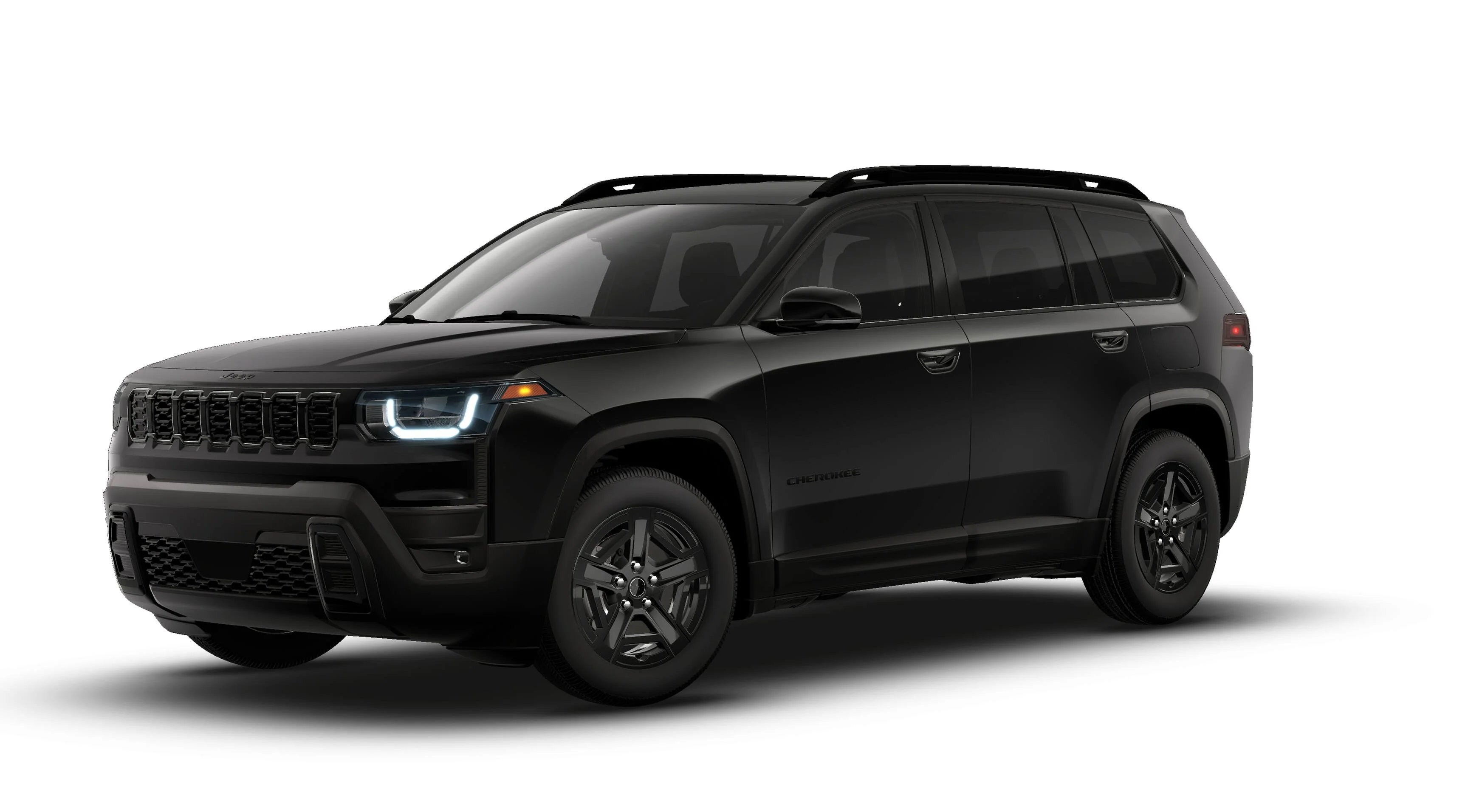
Kl Generation (2014-2026) – Modern Jeep Cherokee
This generation marked a significant shift for the Cherokee, moving to a unibody construction and a different platform. Its wheel specifications differ from older generations.
- Bolt Pattern: 5×110 mm. This is a notable change from the 5×114.3 mm pattern used in previous generations.
- Center Bore: 65.1 mm (or 2.56 inches).
- Stock Wheel Diameter: Commonly 17 inches, with 18-inch and 19-inch options available on higher trims.
- Stock Wheel Width: Typically 7.5 inches for 17-inch wheels, widening slightly for larger diameters.
- Offset: Usually between +35mm and +40mm (positive offset).
Pro Tip: If you’re upgrading wheels on a KL Cherokee and want to use wheels from an older Cherokee generation (like the XJ, KJ, or KK), you will need a bolt pattern adapter. These adapters bolt onto your vehicle’s hub and provide the correct bolt pattern for the new wheels. However, they can affect your vehicle’s scrub radius and may require suspension modifications or fender flares.

Common Wheel Sizes And Tire Fitment
The size of your wheels and tires directly impacts your Jeep Cherokee’s appearance, handling, fuel economy, and off-road capability.
Stock Wheel Sizes
- 15-inch: Most common on older XJ models. Often paired with tires like 215/75R15.
- 16-inch: Found on later XJs, KJs, and KKs. Common tire sizes include 225/70R16.
- 17-inch: Standard on many KL Cherokees and available on some KKs. Popular tire sizes are 225/65R17 or 245/65R17.
- 18-inch and 19-inch: Often found on higher trims of KL Cherokees, usually with lower-profile tires like 225/55R18 or 225/45R19.
Upsizing Wheels And Tires
Many Jeep Cherokee owners choose to upgrade their wheels and tires for various reasons:
- Aesthetics: Larger wheels and more aggressive tires can give the Cherokee a tougher, more imposing look.
- Off-Road Performance: Larger diameter tires with more aggressive tread patterns improve ground clearance and traction on rough terrain.
- On-Road Handling: Wider tires can improve grip and stability on paved roads, though they may also increase road noise and reduce fuel efficiency.
When upsizing, consider the following:
- Tire Diameter: The overall diameter of the new tire and wheel combination should be as close as possible to the original to avoid issues with speedometer accuracy, ABS sensors, and gearing. A common rule of thumb is to keep the overall diameter within 3% of stock.
- Fender Clearance: Ensure the larger tires won’t rub against the fenders or suspension components, especially when the suspension is compressed or articulating off-road. This might require fender flares, body lifts, or suspension lifts.
- Gearing: Significantly larger tires can make your Jeep feel sluggish and reduce fuel economy because the engine has to work harder to turn them. Re-gearing the differentials might be necessary for optimal performance with very large tires.
- Wheel Width and Offset: These factors are crucial for ensuring proper tire fitment and clearance. A wider wheel may require a different offset to keep the tire within the fender line.
Downsizing Wheels
While less common, some owners might downsize wheels, especially for dedicated off-road builds. Smaller diameter wheels allow for taller sidewalls on the tires, which can provide better cushioning on rough terrain and allow for lower tire pressures for improved traction.
However, this is limited by the vehicle’s braking system; you cannot install wheels that are too small to clear the brake calipers. For most Cherokees, 15-inch wheels are the smallest practical option.
Choosing Aftermarket Wheels For Your Jeep Cherokee
The aftermarket offers a vast selection of wheels for the Jeep Cherokee, ranging from stylish alloys to rugged steel wheels. Here’s what to consider:
Material And Construction
- Alloy Wheels: Made from aluminum or magnesium alloys. They are generally lighter, stronger, and offer more design variety than steel wheels. They can improve handling due to reduced unsprung weight. However, they can be more expensive and sometimes more susceptible to damage from severe impacts.
- Steel Wheels: Durable and relatively inexpensive. They are heavier than alloy wheels but can often withstand more abuse off-road and are easier to repair if bent. They typically have a more basic, utilitarian look.
Style And Finish
- Classic 5-Spoke: A timeless look that suits many Jeeps.
- Off-Road Designs: Wheels with a beadlock-style lip, aggressive patterns, and rugged finishes (like matte black or gunmetal) are popular for off-roaders.
- Polished or Chrome: Offer a flashy, attention-grabbing look for street-oriented builds.
- Painted Finishes: Available in a wide array of colors to match or contrast with your Jeep’s paint job.
Load Rating
Ensure any aftermarket wheel you choose has a sufficient load rating. This indicates the maximum weight the wheel can safely support. For an SUV like the Jeep Cherokee, especially if you plan on carrying heavy loads or venturing off-road, choose wheels with a load rating that meets or exceeds your vehicle’s Gross Vehicle Weight Rating (GVWR).
Hub-centric Vs. Lug-centric
- Hub-Centric Wheels: Designed with a center bore that perfectly matches your Jeep’s hub diameter. This ensures the wheel is perfectly centered on the hub, leading to a smooth ride without vibrations. Most OEM and many aftermarket wheels are hub-centric.
- Lug-Centric Wheels: Rely on the lug nuts to center the wheel. These often have slightly larger center bores and require specialized lug nuts that seat properly to ensure centering. If your aftermarket wheels are lug-centric and have a larger center bore than your hub, you will need hub-centric rings to bridge the gap and ensure proper centering.
Popular Aftermarket Wheel Brands
Several reputable brands offer wheels specifically designed for or compatible with the Jeep Cherokee. Some well-regarded options include:
- Method Race Wheels: Known for their durable, high-performance off-road wheels.
- Fuel Off-Road: Offers a wide range of stylish and rugged wheels for trucks and SUVs.
- Black Rhino Wheels: Provides robust wheels designed for off-road applications.
- Mopar: The official parts brand for Jeep, offering OEM and OEM-style wheels.
- Pro Comp USA: A long-standing name in off-road wheels and suspension.
- KMC Wheels: A popular choice for both street and off-road applications.
When selecting a brand, always verify the specific wheel model’s compatibility with your Jeep Cherokee’s year, model, and trim.
Calculating Tire Size For Wheel Fitment
Choosing the right tire size is as important as choosing the right wheel. Here’s a simple way to think about it, focusing on the KL generation’s common 17-inch wheels.
Let’s say you have a 2020 Jeep Cherokee KL with stock 225/65R17 tires.
- 225: Tire width in millimeters.
- 65: Aspect ratio (sidewall height as a percentage of width). So, sidewall height is 65% of 225mm, which is approximately 146.25 mm.
- R: Radial construction.
- 17: Wheel diameter in inches.
The overall diameter of this tire is calculated as:
(Tire Width in inches) + 2 * (Sidewall Height in inches)
First, convert measurements to inches:
- Tire width: 225 mm / 25.4 mm/inch ≈ 8.86 inches
- Sidewall height: 146.25 mm / 25.4 mm/inch ≈ 5.76 inches
Overall Diameter ≈ 8. 86 inches + 2 * 5.
76 inches ≈ 8. 86 + 11. 52 ≈ 20. 38 inches.
Now, let’s consider a popular upgrade: 245/65R17.
- Tire width: 245 mm / 25.4 mm/inch ≈ 9.65 inches
- Sidewall height: 65% of 9.65 inches ≈ 6.27 inches
Overall Diameter ≈ 9. 65 inches + 2 * 6.
27 inches ≈ 9. 65 + 12. 54 ≈ 22. 19 inches.
This upgrade results in a tire that is about 1. 81 inches larger in diameter, giving you roughly 0. 9 inches more ground