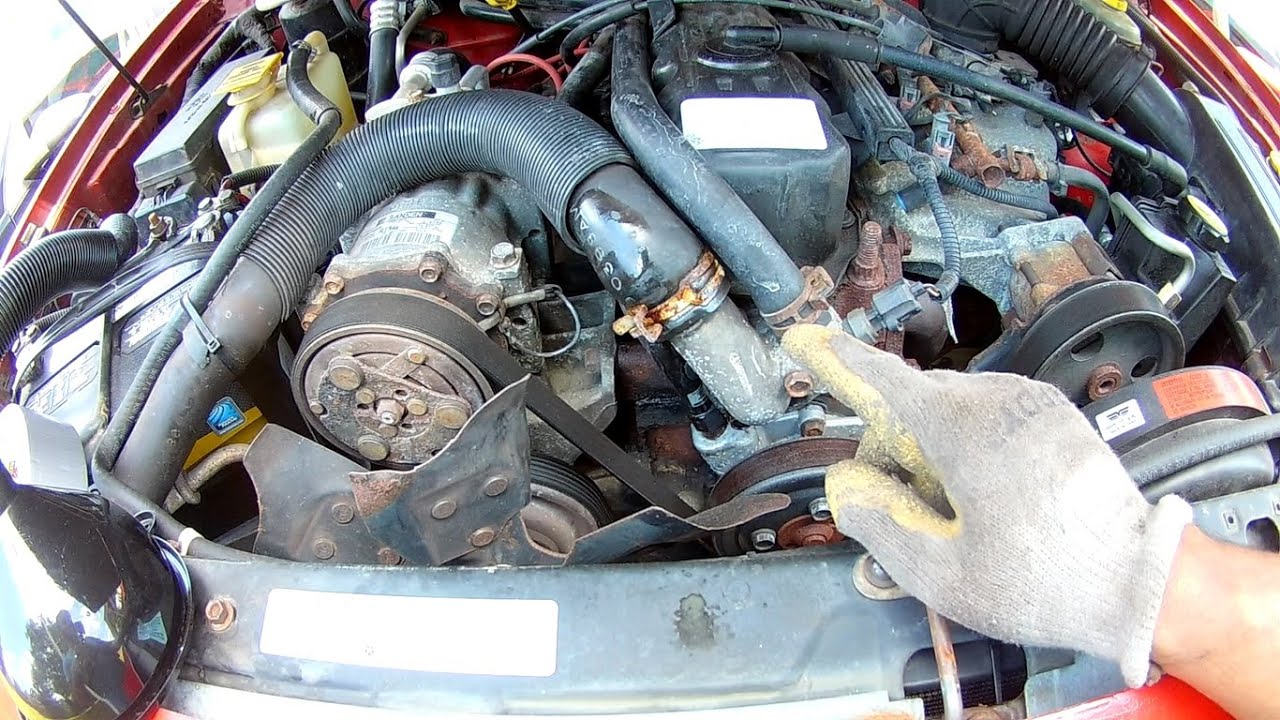
The Jeep Cherokee upper radiator hose plays a small but vital role in keeping your engine cool. If you own a Jeep Cherokee, understanding this part can save you from breakdowns and costly repairs.
Many drivers overlook the upper radiator hose until there’s a leak, but knowing its function and how to maintain it can make your vehicle ownership smoother and less stressful.
What Is The Upper Radiator Hose?
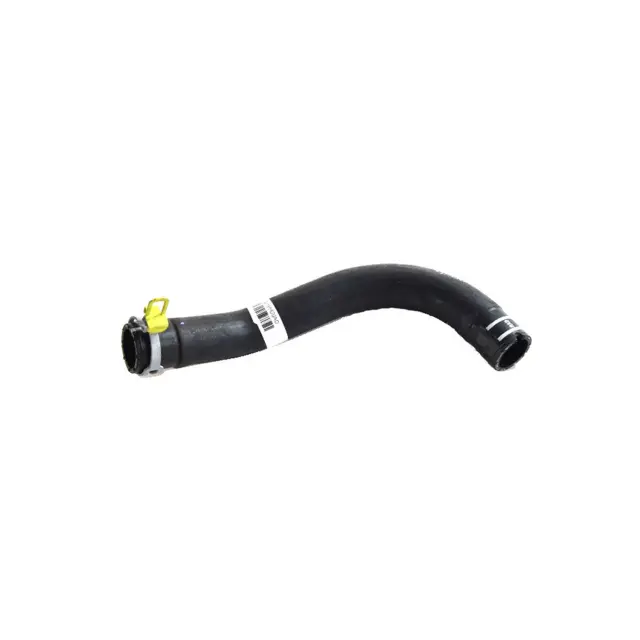
The upper radiator hose is a flexible rubber tube that connects the engine to the top of the radiator. Its main job is to carry hot coolant away from the engine so the radiator can cool it down. When the engine heats up, the coolant absorbs this heat and moves through the hose. After passing through the radiator, the cooler fluid returns to the engine, keeping temperatures in check.
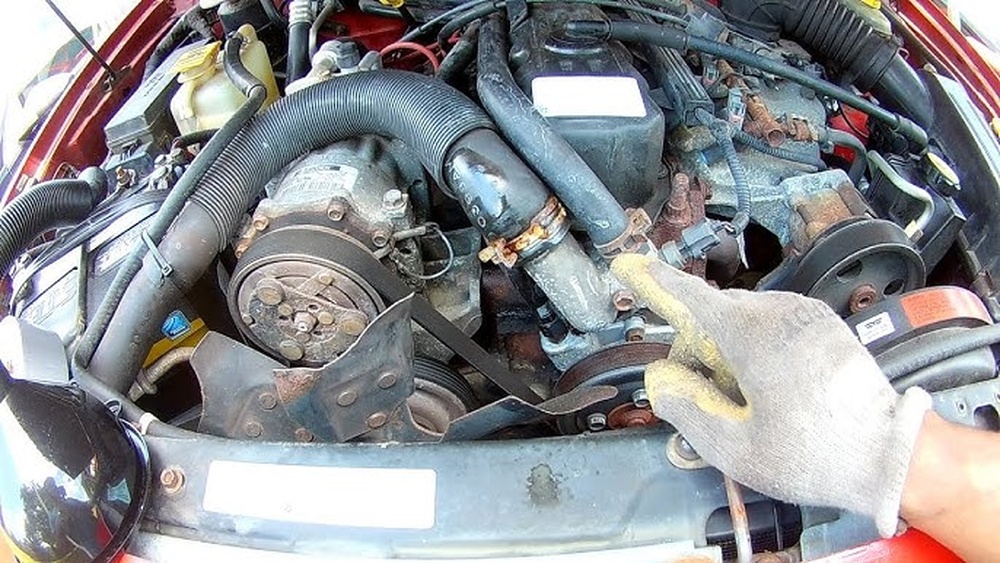
Without a working upper radiator hose, your engine would quickly overheat. That’s why regular inspection and timely replacement are important, especially for older Jeep Cherokees.
Signs Your Upper Radiator Hose Needs Attention
Spotting problems early can prevent major issues. Here are a few warning signs:
- Visible cracks or splits in the hose surface
- Swelling or bulging along the hose
- Coolant leaks under the vehicle
- Soft or mushy feel when squeezed
- High engine temperature or overheating warning light
If you notice any of these, it’s wise to check your hose immediately. Even a small leak can lead to engine damage if ignored.

Choosing The Right Upper Radiator Hose
Not all hoses fit every Jeep Cherokee. Factors like model year, engine size, and even aftermarket modifications matter. Using the wrong hose can cause poor fit, leaks, or early failure.
Here’s a quick comparison of common Jeep Cherokee upper radiator hoses:
| Model Year | Engine Type | Hose Material | Average Price (USD) |
|---|---|---|---|
| 2014–2026 | 2.4L I4 | EPDM Rubber | $25–$40 |
| 2011–2013 | 3.2L V6 | Molded Rubber | $30–$50 |
| 2001–2010 | 4.0L I6 | Silicone/EPDM | $20–$35 |
Always check your owner’s manual or parts catalog for the exact part number before buying.
How To Replace The Upper Radiator Hose
Changing the upper radiator hose is a doable project for most DIYers. You’ll need some basic tools and a new hose. Here’s a simplified guide:
- Let the engine cool completely before starting.
- Drain the coolant from the radiator (collect it in a pan).
- Loosen hose clamps at both ends using a screwdriver or pliers.
- Carefully remove the old hose, twisting gently if it’s stuck.
- Clean the hose fittings on the radiator and engine.
- Install the new hose and secure clamps tightly.
- Refill the coolant and check for leaks.
This process usually takes 30–60 minutes. Wear gloves and eye protection for safety.
Common Mistakes To Avoid
- Failing to let the engine cool: Hot coolant can cause burns.
- Over-tightening clamps: This can damage the hose or fittings.
- Forgetting to check for leaks after installation.
Maintenance Tips For Long Hose Life
To get the most from your upper radiator hose, follow these simple tips:
- Check hoses every oil change for cracks or bulges.
- Replace hoses every 4–6 years, even if they look fine.
- Flush the cooling system as recommended in your owner’s manual.
- Use only approved coolant—mixing types can damage hoses.
Surprisingly, many Jeep owners forget to check both upper and lower hoses. Both are important, but the upper hose usually fails first due to higher temperatures.
Why Quality Matters
Cheap hoses may save you money at first but often fail sooner. Quality hoses made from EPDM rubber or silicone resist heat and chemicals better than ordinary rubber.
Let’s compare two common hose types:
| Hose Type | Lifespan | Heat Resistance | Cost |
|---|---|---|---|
| Standard Rubber | 3–5 years | Moderate | Low |
| EPDM/Silicone | 6–10 years | High | Medium |
Spending a bit more on quality can prevent headaches later.
What Happens If You Ignore A Bad Hose?
A failed upper radiator hose can cause:
- Rapid coolant loss
- Engine overheating
- Expensive engine damage
- Stranded vehicle
The cost to fix a blown engine far outweighs the price of a new hose. Prevention is the best strategy.
Real-world Example
A 2016 Jeep Cherokee owner noticed a puddle under his SUV. He found a small split in the upper radiator hose.
Replacing the hose and refilling coolant cost less than $60. Ignoring the leak could have meant a $2,000 engine repair bill.
Regular checks made all the difference.