The Jeep Cherokee upper radiator hose is a small but essential part of your vehicle’s cooling system. If you own a Cherokee, you know how important it is to keep your engine cool—especially if you drive in hot climates, go off-road, or tow heavy loads.
When this hose fails, your engine can quickly overheat, leading to serious and expensive damage. But what exactly does this hose do, how do you know when it needs replacing, and what should you look for when buying a new one?
Let’s break down everything you need to know, in simple language.
What Does The Upper Radiator Hose Do?
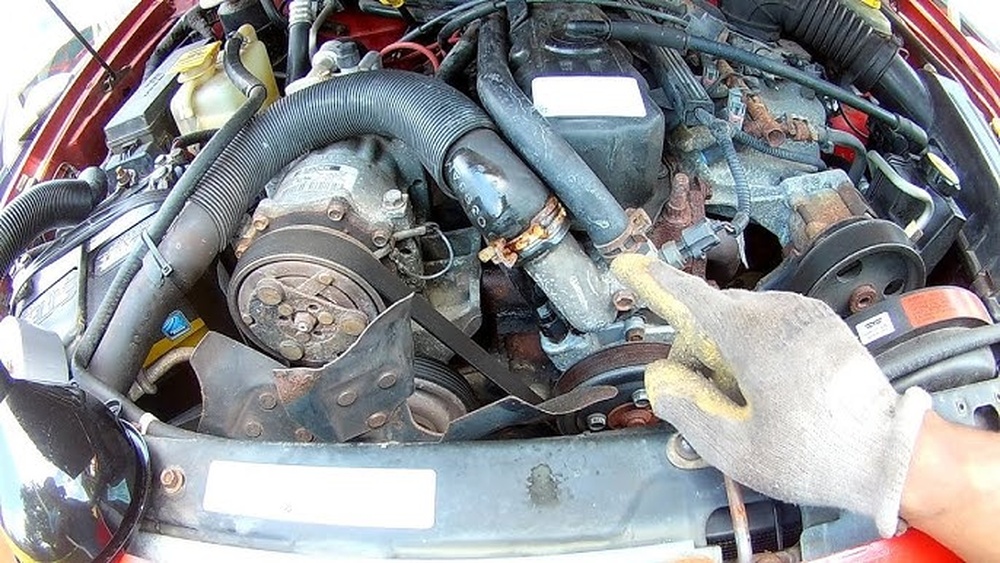
The upper radiator hose connects the engine to the top of the radiator. Hot coolant flows out of the engine, through this hose, and into the radiator where it cools down before circulating back. Without a working hose, your cooling system can’t move coolant properly, which puts your engine at risk.
Many people think all radiator hoses are the same. But the upper hose is exposed to higher temperatures and more pressure than the lower hose.
This means it can wear out faster—especially in older Jeep Cherokees or those used for heavy-duty driving.
Signs Your Upper Radiator Hose Needs Replacement
Ignoring a bad hose is risky. If it bursts while driving, you could lose coolant fast and the engine may overheat within minutes. Watch for these warning signs:
- Cracks or splits in the hose surface
- Bulges or soft spots when you squeeze the hose
- Coolant leaks under the front of your Jeep
- Steam or sweet smell from under the hood
- Engine temperature rising more than normal
If you notice any of these, check the hose right away. Even small leaks can quickly become big problems.
How To Replace A Jeep Cherokee Upper Radiator Hose
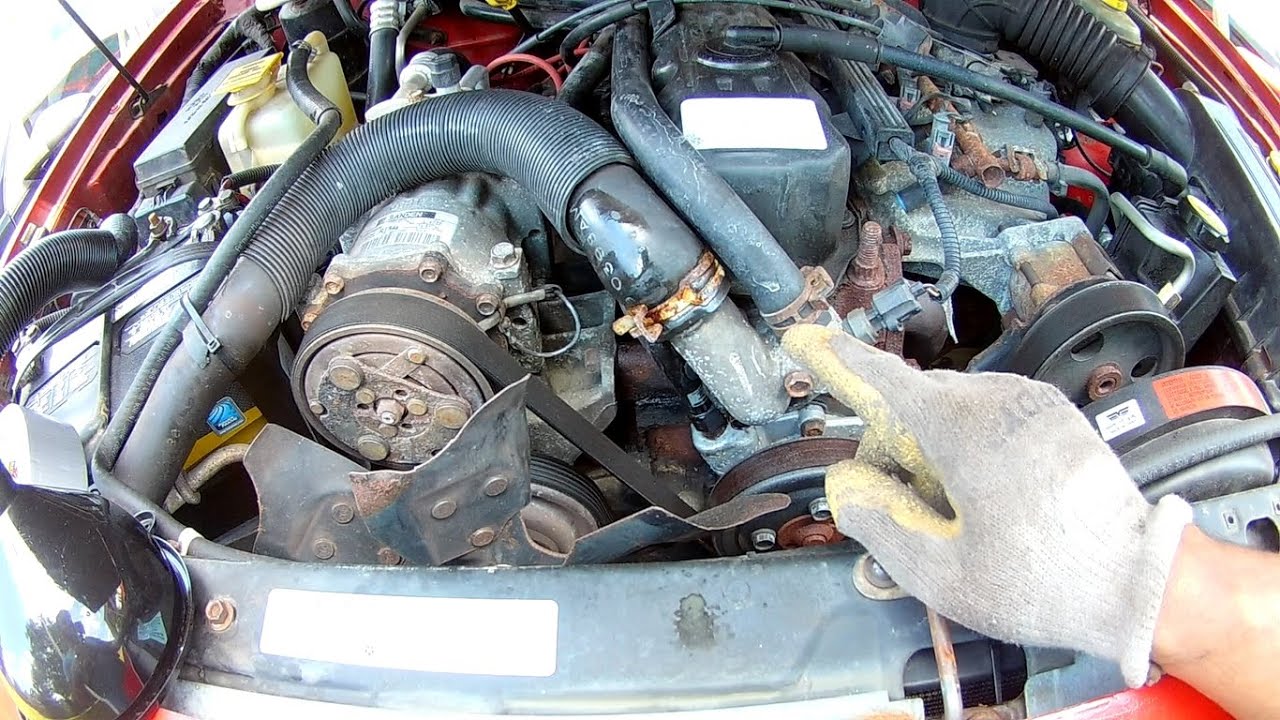
Changing this hose is a straightforward job for most DIYers. Here’s a step-by-step guide:
- Let the engine cool. Never open a hot radiator.
- Drain some coolant into a bucket (use the radiator drain plug).
- Loosen hose clamps at both ends of the upper hose.
- Twist and pull off the old hose. If it’s stuck, use a hose pick—don’t force it.
- Clean the fittings on the radiator and engine.
- Install the new hose, sliding clamps over the ends and tightening them.
- Top up coolant to the correct level.
- Start the engine and check for leaks.
This job usually takes 30–60 minutes. Always wear gloves and dispose of old coolant safely.
Choosing The Right Upper Radiator Hose
Not all hoses are equal. When shopping, keep these factors in mind:
| Feature | Why It Matters | Common Options |
|---|---|---|
| Material | Durability under heat and pressure | EPDM rubber, silicone |
| Fit | Prevents leaks and installation problems | OEM, aftermarket |
| Reinforcement | Resists collapsing and bursting | Single or multi-ply |
- EPDM rubber hoses are most common for daily drivers.
- Silicone hoses last longer and handle more heat but cost more.
- Always check that the hose matches your exact Jeep Cherokee year and engine size.
Oem Vs Aftermarket: Which Is Better?
Many Jeep owners wonder if they should buy OEM (original equipment manufacturer) hoses or save money with aftermarket options. Here’s a quick comparison:
| Type | Advantages | Drawbacks |
|---|---|---|
| OEM | Guaranteed fit, tested by Jeep | Higher price |
| Aftermarket | Lower cost, more variety | Quality can vary, fit may not be perfect |
If you do mostly city driving, a good aftermarket hose is often fine. For off-roading, towing, or hot climates, OEM or high-quality silicone hoses are a smarter choice.
Installation Tips For Longer Hose Life
Even a top-quality hose can fail early if installed wrong. Here’s how to maximize your new hose’s lifespan:
- Use new clamps. Old clamps can lose tension and leak.
- Don’t overtighten. Too much pressure can cut into the hose.
- Check for rubbing. Make sure the hose doesn’t touch belts or sharp edges.
- Flush your coolant every 2–3 years to reduce internal wear.
A common mistake is using household tape or glue to patch a leaking hose. This is a temporary fix at best—replace the hose as soon as possible.
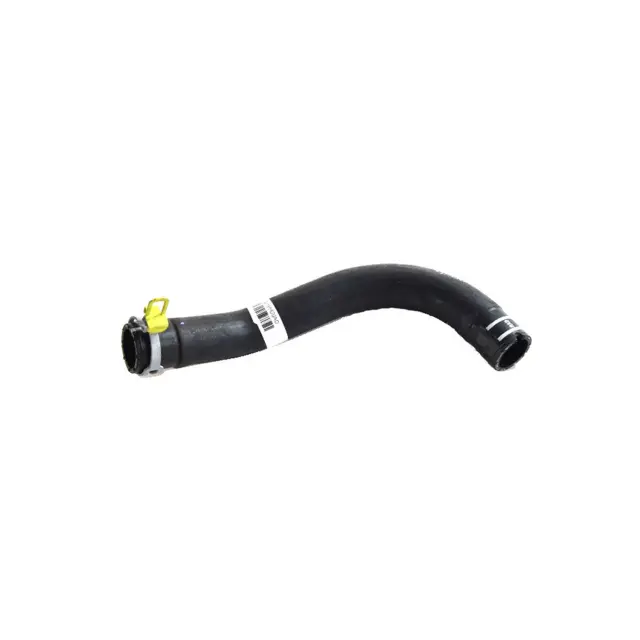
Cost To Replace A Jeep Cherokee Upper Radiator Hose
Prices can vary by model and where you live. Here’s a rough breakdown:
- DIY parts cost: $20–$60 for the hose, $5–$10 for clamps
- Shop labor: $75–$150 depending on rates
If you replace it yourself, the total is usually under $70. A mechanic might charge $120–$200.
Remember, a failed hose can cause $1,000+ in engine damage—so replacement is cheap insurance.
What Most People Miss About Radiator Hoses
Many beginners focus only on visible cracks or leaks. But internal hose wear is a hidden danger. Over time, coolant chemicals break down the rubber from the inside, making it weak even if the outside looks fine. Hoses older than 5 years should be replaced as a precaution—even without visible damage.
Another overlooked point: Always check the coolant level after replacing any hose. Even a small air pocket can cause overheating.