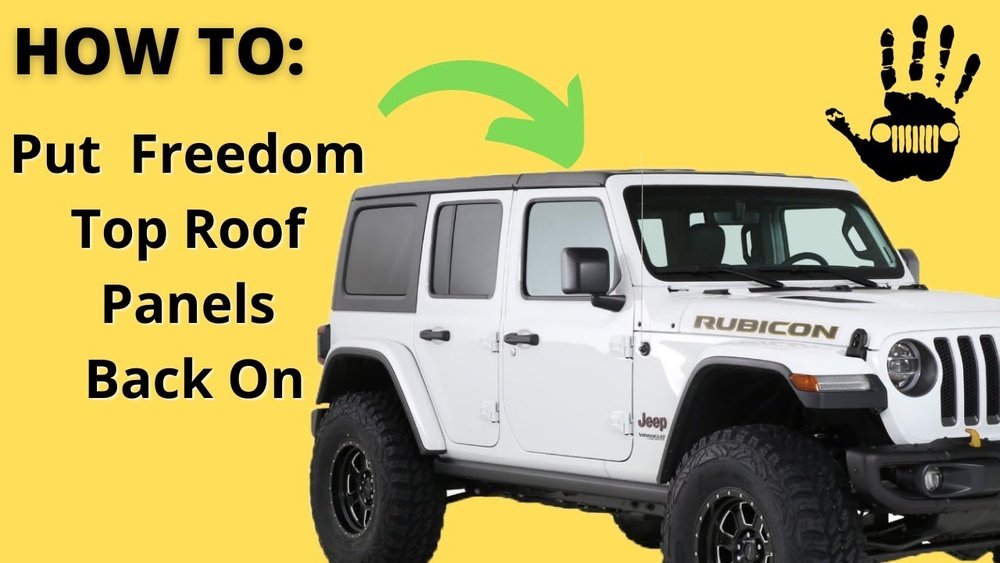
The Jeep Cherokee is famous for its rugged design and off-road abilities. But what really protects your vehicle from rocks, mud, and water?
The answer lies in its undercarriage. Understanding the undercarriage is important for anyone who wants to keep their Jeep running strong, especially if you drive on rough roads or trails.
This guide will explain the key parts of the Jeep Cherokee’s undercarriage, help you read diagrams, and show you why it matters for maintenance and repairs.
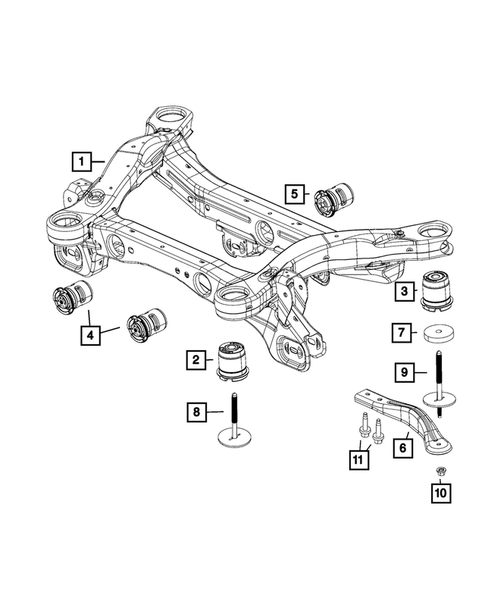
What Is The Undercarriage?
The undercarriage is the bottom part of your vehicle. It includes all the components found underneath the main body. These parts are critical because they support the Jeep, keep it moving, and protect important systems. If you look at an undercarriage diagram, you will see many different pieces working together.
Main Parts In A Jeep Cherokee Undercarriage Diagram
When you check a typical undercarriage diagram for a Jeep Cherokee, you’ll find several main parts. Here are the most important ones:
- Frame: The strong metal structure that holds everything together.
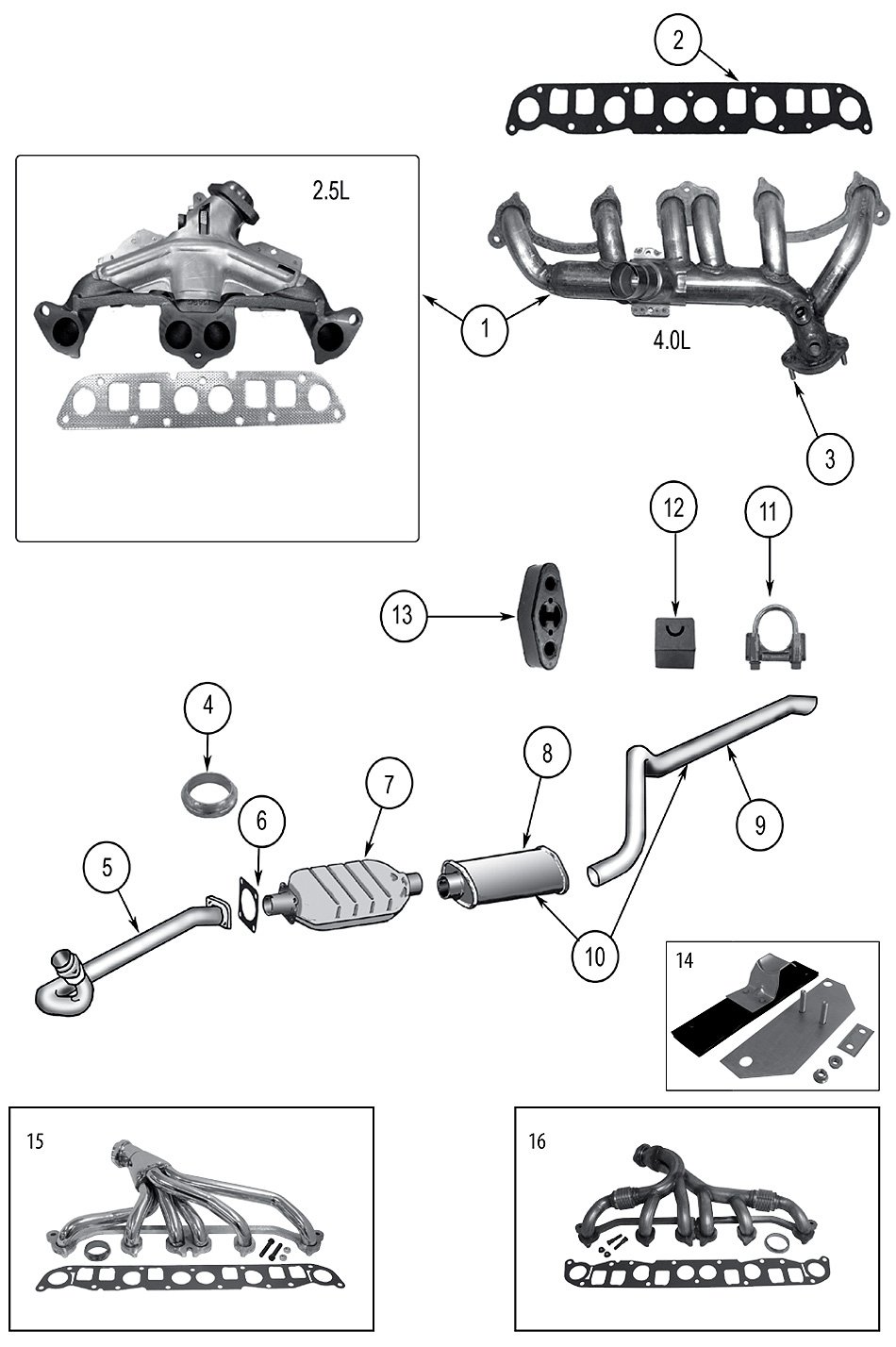
- Exhaust system: Pipes and mufflers that guide exhaust gases away from the engine.
- Driveshaft: The long spinning tube that sends power from the engine to the wheels.
- Axles: Rods that connect the wheels to the drivetrain and support the vehicle.
- Suspension system: Springs, shocks, and control arms that smooth out the ride.
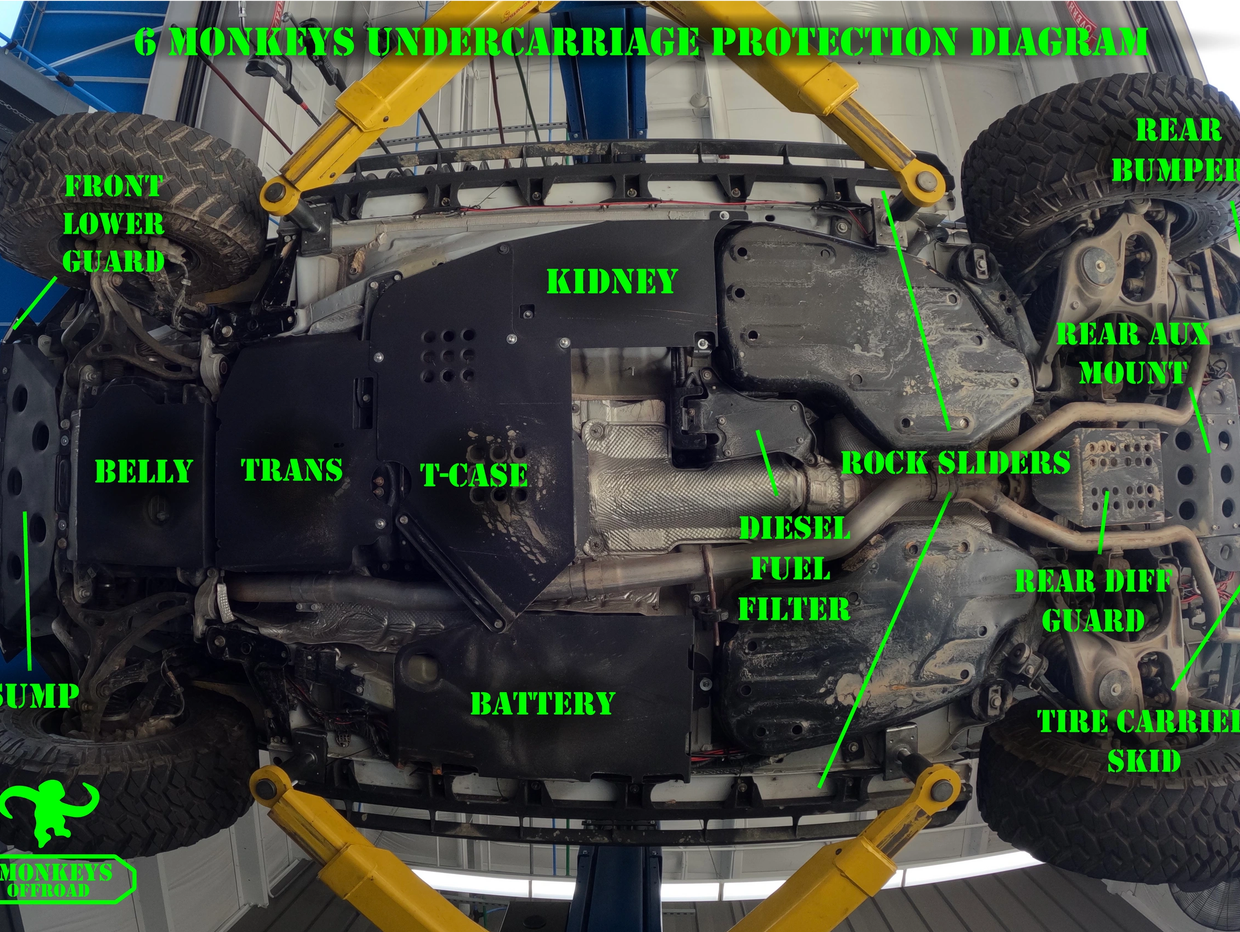
- Skid plates: Metal shields that protect the fuel tank, oil pan, and transfer case from rocks.
- Fuel tank: The container that holds gasoline.
- Brake lines: Thin tubes that carry brake fluid to your brakes.
- Transfer case: For 4×4 models, this part splits power between front and rear wheels.
- Differentials: Gear systems at the axles that help wheels turn at different speeds.
Typical Jeep Cherokee Undercarriage Layout
Let’s look at a simple visual layout. This table shows where you’ll usually find each component from front to back:
| Position | Main Component |
|---|---|
| Front | Axle, Suspension, Skid Plate |
| Mid | Transfer Case, Driveshaft, Fuel Tank |
| Rear | Axle, Suspension, Exhaust, Differential |
Knowing this layout helps you read a diagram quickly and spot which part needs attention.
Why The Undercarriage Matters
Many drivers ignore the undercarriage because it’s out of sight. But it’s one of the most important areas for your Jeep’s health and safety. Here’s why:
- Protection: Skid plates and frame keep rocks, sticks, and debris from damaging vital parts.
- Performance: Suspension and axles allow your Jeep to handle rough terrain.
- Safety: Healthy brake lines and fuel tank prevent leaks and accidents.
Ignoring undercarriage care can lead to expensive damage, especially if you drive off-road or live where roads are salted in winter.
Differences Between Cherokee Generations
Jeep Cherokee has had several generations since the 1970s. The design of the undercarriage can change between models. Here’s a quick comparison of two popular generations:
| Generation | Main Features | Common Skid Plates |
|---|---|---|
| XJ (1984–2001) | Solid rear axle, simple suspension, strong frame | Fuel tank, transfer case, front axle |
| KL (2014–present) | Independent rear suspension, more electronics | Fuel tank, oil pan, front suspension |
If you order parts or look for a diagram, always check your Cherokee’s year and model.
Reading And Using An Undercarriage Diagram
An undercarriage diagram is a simple drawing that labels each component under your Jeep. Here’s how to use one:
- Identify your model: Diagrams differ between years and trims.
- Find the legend: Most diagrams have numbers or letters. Match these to the part names.
- Look for problem areas: If you hear a noise or see a leak, use the diagram to find out what’s above that spot.
- Check for upgrades: Some diagrams show optional skid plates or tow hooks.
Many diagrams are available in your owner’s manual or online at Jeep’s official site.
Common Issues Found Underneath
Some problems often happen in the undercarriage, especially on older or heavily used Cherokees:
- Rust: Steel parts like the frame and exhaust can rust, especially in snowy places.
- Leaking fluids: You might see oil or transmission fluid on the ground.
- Broken skid plates: Off-roading can dent or crack protective plates.
- Worn suspension: Bushings and shocks may wear out, making your ride rough.
Catching these problems early can save money. Always check after tough trail rides or before long road trips.
Upgrades And Customization
Many Jeep owners add parts to protect or improve the undercarriage. Popular upgrades include:
- Thicker skid plates: For serious off-roading, heavy-duty plates give better protection.
- Lift kits: Raising the suspension helps clear bigger obstacles.
- Aftermarket shocks: These can improve ride comfort and control.
- Rock sliders: Tubes that protect the sides of the undercarriage from rocks.
However, not all upgrades are legal or safe for street driving. Always check local rules and get advice from a trusted mechanic.
Quick Reference: Key Undercarriage Parts And Functions
Here’s a handy lookup table for Cherokee undercarriage parts:
| Part | Main Function |
|---|---|
| Frame | Supports the entire vehicle |
| Skid Plate | Shields parts from damage |
| Driveshaft | Transfers power to wheels |
| Axle | Holds wheels and supports weight |
| Suspension | Absorbs bumps and shocks |
How To Maintain Your Jeep Cherokee’s Undercarriage
Regular care keeps your undercarriage in good shape:
- Wash the underside often, especially after driving in mud or snow.
- Look for rust and remove it quickly.
- Check for leaks every few months.
- Inspect skid plates and suspension after off-roading.
A smart tip: After a rough drive, listen for new noises or vibrations. Small problems can get worse if ignored.