Owning a Jeep Cherokee means enjoying adventure and reliability, but keeping it running smoothly requires knowing some key details. One of the most important is the transmission fluid type.
Using the right fluid keeps your transmission healthy, prevents costly repairs, and ensures your Jeep stays responsive for years. Many drivers overlook this simple step, or choose the wrong fluid, leading to performance issues and even breakdowns.
This guide will help you understand which transmission fluid your Cherokee needs, how to check and change it, and why it matters.
Understanding Jeep Cherokee Transmission Fluid Types
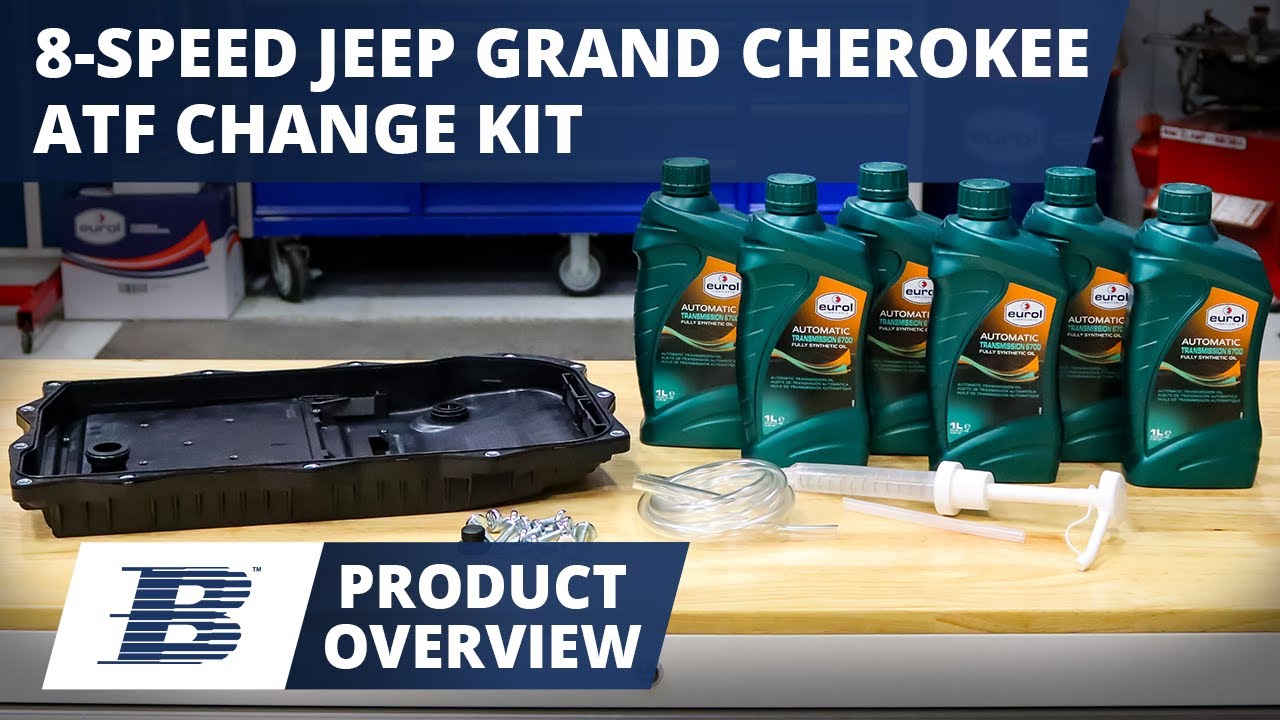
Jeep Cherokees have been produced for decades, with different models and transmissions. The transmission fluid type depends on the year and transmission model. For most Cherokees built since the late 1990s, Jeep recommends using ATF+4 automatic transmission fluid. This is a synthetic fluid designed for Chrysler, Dodge, and Jeep vehicles. Older Cherokees may require Dexron II/III, especially if equipped with the AW4 automatic transmission.
Here’s a quick comparison of the most common Jeep Cherokee transmission fluids:
| Fluid Type | Compatibility | Main Benefits |
|---|---|---|
| ATF+4 | 1999 and newer Cherokees, 9-speed automatic | High heat resistance, smoother shifts |
| Dexron II/III | 1984–2001 Cherokee (AW4 transmission) | Good for older transmissions, affordable |
| CVT Fluid | 2.4L engine models with CVT | Protects variable transmissions, prevents wear |
If you are unsure which transmission your Cherokee has, check your owner’s manual or the sticker under the hood. Using the wrong fluid can damage internal parts, so never guess.
Why Fluid Type Matters
Choosing the correct transmission fluid isn’t just about following rules. It affects:
- Lubrication: Proper fluid reduces friction, preventing overheating.
- Shifting quality: Right fluid gives smoother gear changes.
- Longevity: Using the wrong type can cause premature failure.
One insight many owners miss: Mixing fluid types is risky. Even topping off with the wrong fluid can cause problems like slipping, hard shifts, or leaks.

How To Check Transmission Fluid
Checking your Cherokee’s transmission fluid is simple, but many people skip this step. Here’s what to do:
- Park on a level surface with the engine running and warmed up.
- Locate the transmission dipstick (usually near the engine).
- Pull out the dipstick, wipe it clean, reinsert, and pull again.
- Check the fluid level and color. It should be pinkish-red and clear. Brown or burnt smells mean it’s time to change.
Some newer Cherokees (especially 9-speed automatics) don’t have a dipstick. In these cases, checking fluid requires special tools or a visit to the dealer.
Changing Transmission Fluid
Changing transmission fluid is one of the best ways to extend your Jeep’s life. Most experts recommend changing the fluid every 30,000 to 60,000 miles. If you use your Cherokee for towing or off-road, consider shorter intervals.
Here’s a basic step-by-step for changing fluid in older Cherokees:
- Gather supplies: Transmission fluid (ATF+4 or Dexron II/III), new filter, gasket, wrench, drain pan.
- Warm up the vehicle for a few minutes.
- Remove the transmission pan bolts and drain old fluid.
- Replace the filter and clean the pan.
- Install new gasket and tighten bolts.
- Refill with the recommended fluid (usually 4–6 quarts).
Always check for leaks and test drive afterward. For newer models, changing fluid often needs a mechanic due to sealed systems.
Comparison Of Maintenance Costs
Transmission maintenance can vary depending on the fluid and how it’s changed. Here’s a simple overview:
| Service Type | DIY Cost | Dealer Cost |
|---|---|---|
| Fluid Change (ATF+4) | $50–$80 | $150–$250 |
| Fluid Change (Dexron II/III) | $40–$70 | $120–$200 |
| Filter Replacement | $15–$30 | $60–$100 |
Doing it yourself saves money, but always use quality fluid and parts. Cheap fluids may not meet Jeep specs and can void your warranty.
Common Mistakes And Tips
Many drivers make mistakes when handling transmission fluid. Here are some to avoid:
- Using universal fluid: Not all fluids are equal. Only use ATF+4 or Dexron II/III as specified.
- Overfilling or underfilling: Too much or too little fluid causes shifting problems.
- Ignoring fluid change intervals: Old fluid loses its protective qualities.
- Skipping filter changes: Dirty filters reduce performance.
A useful tip: Always check fluid after driving, not before. Fluid expands when hot, giving a true reading.
Real-world Example
One Jeep Cherokee owner noticed rough shifting after a fluid change at a local shop. The shop used Dexron III for a newer Cherokee requiring ATF+4.
Within weeks, the transmission started slipping, leading to a costly repair. This shows how important it is to know your fluid type and double-check with your mechanic.
For reliable information, you can refer to the official Jeep maintenance guide at Jeep Official Site.
Frequently Asked Questions
What Transmission Fluid Does A 2015 Jeep Cherokee Use?
The 2015 Jeep Cherokee uses ATF+4 automatic transmission fluid. Always buy fluid labeled as ATF+4 and avoid mixing with other types.
Can I Use Dexron Iii In A 1999 Jeep Cherokee?
No. The 1999 Cherokee usually requires ATF+4, not Dexron III. Using Dexron III may cause shifting problems or damage the transmission.
How Often Should I Change Transmission Fluid?
Change transmission fluid every 30,000–60,000 miles. If you drive in harsh conditions, change it sooner.
What Happens If I Use The Wrong Fluid?
Using the wrong fluid can cause overheating, slipping, hard shifts, and even transmission failure. Always check your manual before adding fluid.
Can I Mix Different Transmission Fluids?
Never mix transmission fluids. Mixing can cause chemical reactions that damage seals and internal parts. Always drain the old fluid before switching types.
Taking care of your Jeep Cherokee’s transmission fluid is one of the smartest ways to keep your vehicle running strong. With the right knowledge, you avoid costly mistakes and ensure a smooth driving experience.
Always use the correct fluid, follow proper maintenance, and don’t ignore warning signs.
Your Cherokee will thank you with years of reliable performance.