Many Jeep Cherokee owners want their vehicles to last as long as possible. One important but often overlooked task is checking the transmission fluid. This step can prevent expensive repairs and keep your SUV running smoothly. But many people are unsure how to check the fluid correctly, or even when to do it. Let’s break down everything you need to know about Jeep Cherokee transmission fluid checks—so you can protect your vehicle and drive with confidence.
Why Transmission Fluid Matters
Transmission fluid does more than just lubricate. It cools the transmission, transfers power, and keeps all the parts working together. In a Jeep Cherokee, the automatic transmission is especially sensitive to fluid quality and level. Low or dirty fluid can cause shifting problems, overheating, or even total failure.
Many transmission issues start small but get worse quickly. For example, a delay in shifting or a slip between gears could mean the fluid is low or dirty.
Ignoring these signs can lead to major repairs costing thousands of dollars.
When To Check Transmission Fluid
Most Jeep Cherokee models after 2014 have a sealed transmission with no traditional dipstick. However, older models and some trim levels do have a dipstick. If your model has a dipstick, check fluid every 30,000 miles, or once a year—whichever comes first. If you tow, drive in hot climates, or use your Jeep for off-road adventures, check more often.
For sealed transmissions, follow your owner’s manual. Usually, inspection is recommended every 60,000 miles. If you notice rough shifting, burning smells, or leaks, check the fluid right away.

How To Check Transmission Fluid In A Jeep Cherokee
Jeep Cherokees from different years may have slightly different steps. Here’s a general guide for both dipstick and sealed systems.
With A Dipstick (older Models, 2014 And Earlier)
1. Park On A Level Surface
Make sure the vehicle is on a flat surface. Set the parking brake.
2. Warm Up The Engine
Start the engine and let it run until it reaches normal operating temperature. The transmission fluid expands as it warms, so this step is important.
3. Shift Through Gears
Move the gear selector through all gears, then back to Park.
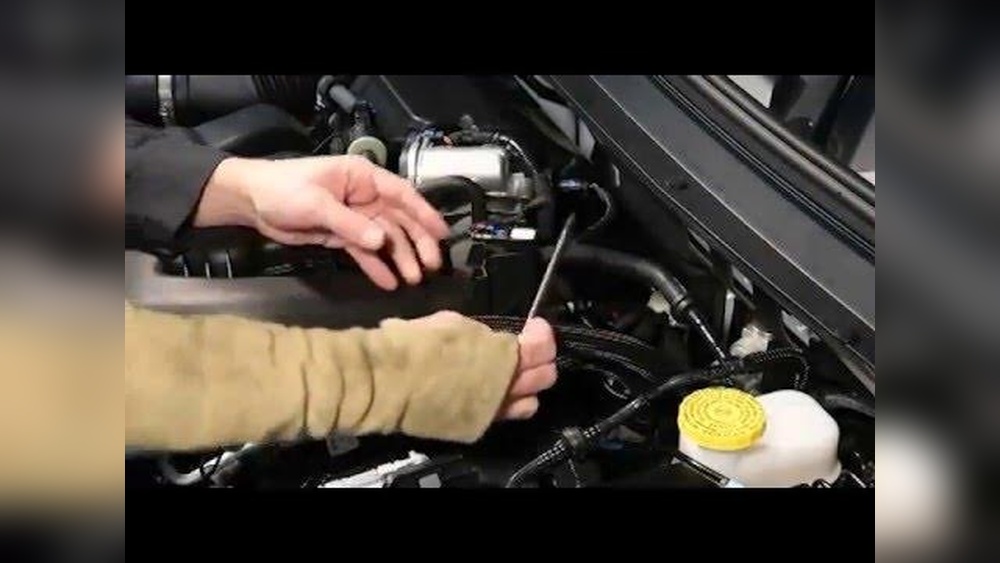
4. Locate And Remove Dipstick
Open the hood and find the transmission dipstick (usually labeled and near the back of the engine bay).
5. Clean And Check Fluid
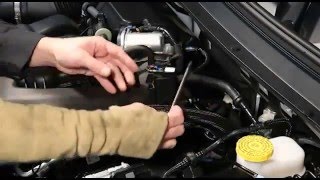
Pull the dipstick out, wipe it with a clean cloth, and reinsert it fully. Pull it out again and check the fluid level and color.
6. Add Fluid If Needed
If the level is low, add the correct ATF (Automatic Transmission Fluid) type a little at a time. Do not overfill.
Sealed Transmission (newer Models, 2014+)
1. Raise The Vehicle
Use a jack and safety stands to lift the car level.
2. Locate The Fill Plug
Under the vehicle, find the transmission pan and the fill plug (usually on the side). Some models require a special tool.
3. Check Fluid Level
With the engine running and transmission at operating temperature, remove the fill plug. Fluid should slightly trickle out if at the correct level.
4. Top Up If Needed
If no fluid drips out, add small amounts until fluid begins to run out.
Important: Always use the fluid type recommended in your Jeep Cherokee manual.
What To Look For: Fluid Condition
Transmission fluid should be bright red or pink and smell clean. If it is dark brown, black, or smells burnt, it’s time to change it.
Here’s a quick comparison of healthy vs. unhealthy fluid:
| Fluid Color | Condition | Action Needed |
|---|---|---|
| Bright Red/Pink | Good | No action |
| Light Brown | Aging | Plan to change soon |
| Dark Brown/Black | Bad | Change immediately |
| Milky | Contaminated (often coolant) | See mechanic |
Common Mistakes To Avoid
Many Jeep owners make mistakes when checking or adding transmission fluid. Here are some to avoid:
- Using the wrong fluid type (always check your manual)
- Checking fluid when the engine is cold
- Overfilling, which can cause foaming and leaks
- Forgetting to shift through all gears before checking
Another common mistake: assuming sealed transmissions need no service. They still require periodic checks, just less often.
How A Transmission Fluid Check Can Save You Money
A simple check can prevent expensive repairs. Replacing a Jeep Cherokee transmission can cost $3,000–$5,000, while a fluid change is usually under $200. Early detection of leaks or dirty fluid can add years to your vehicle’s life.
For example, a 2016 Jeep Cherokee owner noticed a slight delay when shifting into drive. Checking the fluid revealed it was low and dark.
After a fluid change, the shifting problem disappeared avoiding what could have become a $2,000 repair.
Diy Vs. Professional Service
If you feel comfortable working under your vehicle, you can check sealed transmissions yourself. However, many people prefer to have a mechanic do it, especially since some newer Cherokees require special tools.
Here’s a quick look at the pros and cons:
| Option | Pros | Cons |
|---|---|---|
| DIY | Lower cost, learn about your vehicle | Requires tools, risk of mistakes |
| Professional | Expertise, warranty on work | Higher cost, less hands-on knowledge |
A non-obvious tip: even if you go to a mechanic, ask to see the old fluid. This helps you understand your vehicle’s condition and build trust with your service provider.
Transmission Fluid Types For Jeep Cherokee
Jeep Cherokees use different fluid types based on year and transmission:
- ATF+4: Most common for 2014+ models
- Dexron III/Mercon: Some older models
- ZF Lifeguard Fluid: For certain 9-speed transmissions
Always double-check your manual or the label on your transmission.
Frequently Asked Questions
How Often Should I Check Jeep Cherokee Transmission Fluid?
Check every 30,000 miles if your model has a dipstick, or as recommended in your manual for sealed units usually every 60,000 miles. Always check sooner if you notice shifting problems.
What Happens If I Overfill The Transmission Fluid?
Too much fluid can cause foaming, leaks, and shifting problems. It’s better to add small amounts and re-check rather than risk overfilling.
Can I Use Any Transmission Fluid In My Jeep Cherokee?
No. Always use the type recommended by Jeep. Using the wrong fluid can cause damage and may void your warranty. You can find a list of approved fluids at the official Jeep maintenance site.
What Are Signs My Transmission Fluid Is Low?
Common signs include slipping gears, delayed shifting, and odd noises. You might also see a warning light on the dashboard.
Should I Flush Or Just Change The Fluid?
A full flush replaces almost all the old fluid, while a change replaces what’s in the pan. Flushing is more thorough but sometimes not recommended for older, high-mileage vehicles. Check with a trusted mechanic.
Keeping your Jeep Cherokee transmission fluid in good shape is one of the best ways to ensure a long, trouble-free life for your SUV. Even though it’s a small task, it makes a big difference.
Take a few minutes to check your fluid regularly and you’ll protect your investment for years to come.