Keeping your Jeep Cherokee running smoothly depends on more than just regular oil changes. One often overlooked service is the transmission fluid change. This simple maintenance task can help prevent costly repairs, improve performance, and extend the life of your vehicle. Many drivers wait until there’s a problem, but by then, damage may already be done. If you own a Jeep Cherokee and want reliable shifting and a healthy transmission, understanding when and how to change the fluid is essential.
Why Transmission Fluid Matters
Transmission fluid is much more than a lubricant. It cools, cleans, and protects the moving parts inside your Cherokee’s transmission. Over time, the fluid breaks down, becoming dirty and less effective. When this happens, you may notice rough shifting, strange noises, or even slipping gears. Ignoring these signs can lead to expensive transmission repairs, which often cost thousands of dollars.
Recommended Change Intervals
Jeep recommends changing the transmission fluid every 30,000 to 60,000 miles for most Cherokee models. However, driving conditions matter. If you often drive in hot climates, tow heavy loads, or face stop-and-go traffic, you should change it more often—around every 30,000 miles.
Here’s a quick comparison of recommended intervals:
| Model Year | Transmission Type | Recommended Interval |
|---|---|---|
| 2014-2020 | 9-Speed Automatic | 60,000 miles |
| 2010-2013 | 6-Speed Automatic | 50,000 miles |
| 2000-2009 | 4-Speed Automatic | 30,000 miles |
Signs You Need A Fluid Change
How can you tell if your transmission fluid needs attention? Watch for these common symptoms:
- Delayed shifting: Hesitation when changing gears.
- Unusual noises: Whining or grinding sounds.
- Fluid discoloration: Fluid should be bright red. Brown or black means it’s dirty.
- Burnt smell: Overheated fluid emits a sharp, unpleasant odor.
- Transmission slipping: Engine revs but vehicle doesn’t accelerate smoothly.
Ignoring these signs could lead to internal damage. Even if you don’t notice symptoms, stick to the recommended schedule for peace of mind.
How To Change Jeep Cherokee Transmission Fluid
Changing the transmission fluid isn’t as complicated as some think, but it requires careful steps and the right tools. Here’s a step-by-step guide:
Tools And Supplies Needed
- Transmission fluid (check owner’s manual for type and quantity)
- Transmission pan gasket
- Socket set
- Drain pan
- Funnel
- Clean rags
- Jack and jack stands (if needed)
Step-by-step Procedure
1. Warm Up The Vehicle
Drive for 10-15 minutes. Warm fluid drains better and carries away more contaminants.
2. Lift And Secure Your Cherokee
Use a jack and stands if you need more access.
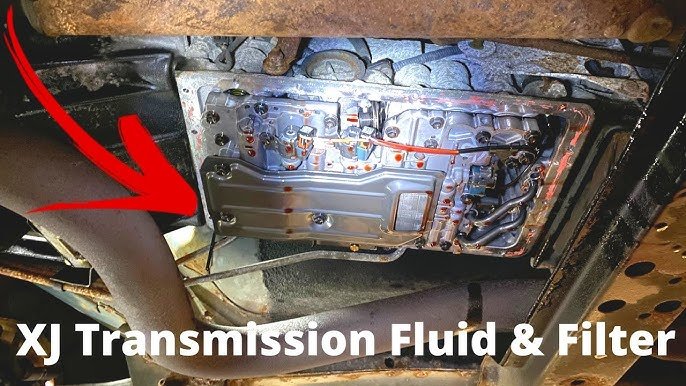
3. Locate The Transmission Pan
Check under your vehicle for the pan and drain plug.
4. Drain Old Fluid
Place the drain pan under the plug. Loosen and remove the plug, letting fluid drain completely.
5. Remove Transmission Pan
Unbolt the pan. Be careful more fluid may spill.
Clean the pan and replace the old gasket.
6. Replace Transmission Filter
Some models have a filter inside the pan. Remove and install a new one if needed.
7. Reinstall Pan And Plug
Bolt the pan back with the new gasket. Tighten bolts evenly.
8. Add New Fluid
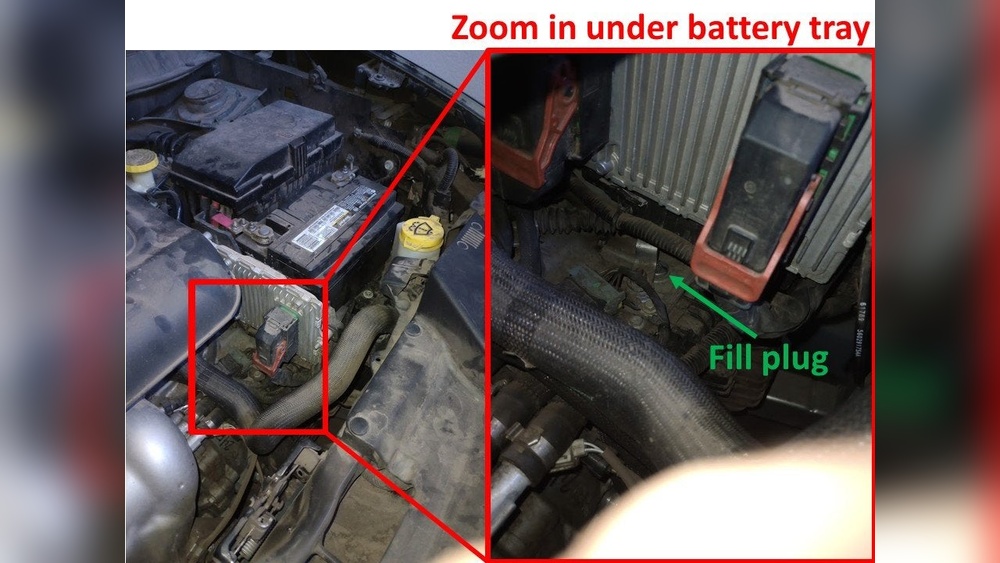
Use a funnel to pour fluid into the fill port. Add the recommended quantity.
9. Check Fluid Level
Start the engine, let it idle, and shift through gears. Check the fluid level and top off if needed.
Practical Tips
- Always use the correct fluid type. Using the wrong fluid can damage the transmission.
- Don’t overfill. Too much fluid causes foaming and shifting issues.
- Dispose of old fluid responsibly. Many auto shops accept used fluids for recycling.
Cost Comparison: Diy Vs Professional Service
Changing the fluid yourself can save money, but there are risks. Here’s a quick look at the costs:
| Service Type | Estimated Cost | Time Required |
|---|---|---|
| DIY | $60–$120 | 2–3 hours |
| Professional | $150–$300 | 1–2 hours |
DIY saves money, but mistakes can be expensive. If you’re unsure, a certified mechanic is safer.
Common Mistakes To Avoid
Many first-time DIYers make errors that can lead to trouble:
- Using incorrect fluid: Always check your owner’s manual.
- Forgetting to change the filter: If your model has one, it’s important.
- Not tightening bolts evenly: Can lead to leaks.
- Overfilling or underfilling: Both cause shifting problems.
- Not checking for leaks after finishing: Always double-check your work.
A non-obvious tip: Don’t rely only on mileage. If you drive in extreme conditions, change fluid sooner.
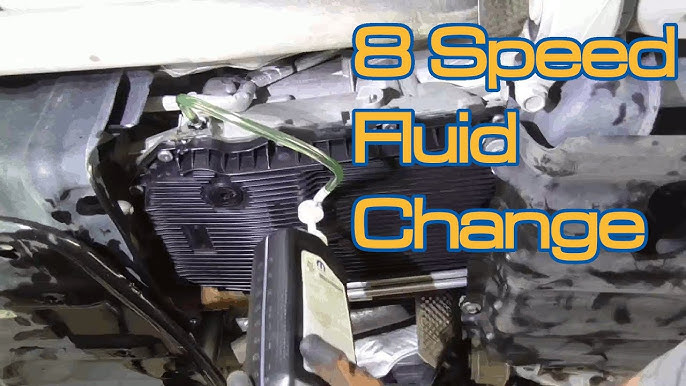
Transmission Fluid Types For Jeep Cherokee
Jeep Cherokee models use different fluid types. Using the wrong one can damage the transmission. Here’s a quick guide:
| Year | Transmission | Fluid Type |
|---|---|---|
| 2014-2020 | 9-Speed Automatic | ATF+4 |
| 2010-2013 | 6-Speed Automatic | ATF+4 |
| 2000-2009 | 4-Speed Automatic | Dexron III |
Always confirm with your manual or a trusted source like Jeep Official Manuals.
Frequently Asked Questions
How Often Should I Change Transmission Fluid In My Jeep Cherokee?
Most experts recommend every 30,000 to 60,000 miles. Extreme driving conditions require more frequent changes.
What Happens If I Never Change The Transmission Fluid?
You risk damaging the transmission. Old fluid loses its ability to lubricate and cool, leading to expensive repairs.
Can I Use Universal Transmission Fluid?
No. Always use the correct fluid type listed in your owner’s manual. Universal fluids can cause shifting problems or damage.
Is It Necessary To Change The Transmission Filter Every Time?
If your Cherokee has a replaceable filter, change it with the fluid. Skipping this step lets debris stay inside the system.
Can I Check Transmission Fluid Level Myself?
Yes, but newer Cherokees may not have a dipstick. Check your manual for the correct procedure, and always ensure the engine is running and warm.
Changing your Jeep Cherokee transmission fluid is a smart investment. It helps your SUV last longer, shift smoother, and avoid expensive repairs. Whether you do it yourself or visit a mechanic, stick to the right schedule and use the correct fluid. Taking care of your transmission today will save you trouble tomorrow.