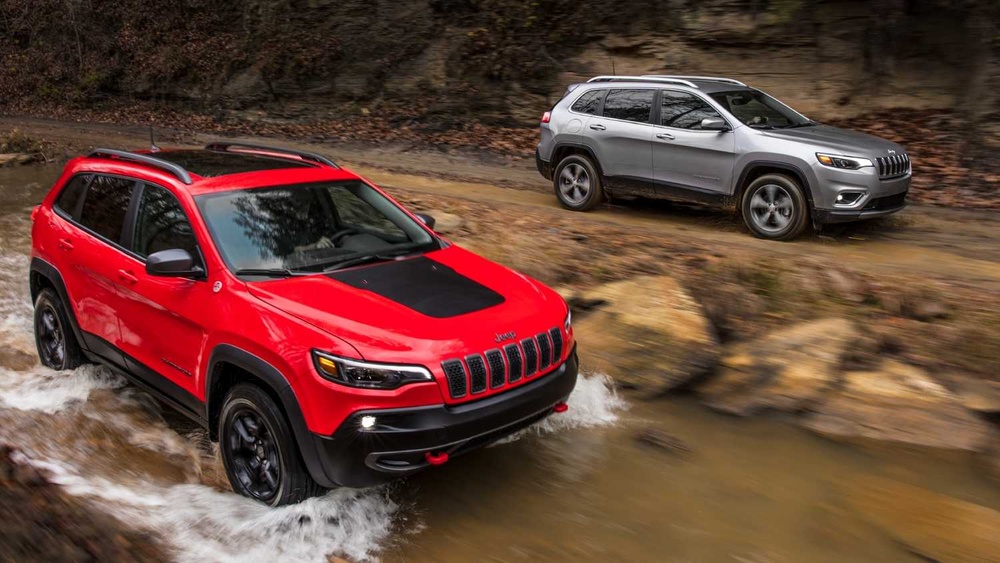
The Jeep Cherokee Trailhawk is known for its off-road abilities and rugged design, making it a popular choice for adventure seekers. But not every year of this SUV is trouble-free.
Some model years have left owners frustrated with reliability issues, expensive repairs, and disappointing performance.
If you want to enjoy the Trailhawk experience without headaches, knowing which years to avoid is essential.
Why Some Jeep Cherokee Trailhawk Years Are Problematic
Not all Jeep Cherokee Trailhawk years are equal. Differences in engineering, recalls, and customer complaints can make a big impact on your ownership experience. Jeep updated its technology and parts often, but some years had more experimental features or manufacturing problems. These issues can lead to transmission failures, engine stalling, or even electrical glitches.
It’s not just about bad luck—many problems are well documented. For example, the 2014 Cherokee was the first to use a new nine-speed automatic transmission.
Many owners reported jerky shifts and repeated breakdowns. Later years fixed some of these issues, but the early models remain a risky bet.
Jeep Cherokee Trailhawk Years To Avoid
Based on owner reports, expert reviews, and recall data, here are the Jeep Cherokee Trailhawk years you should think twice about:
1. 2014
The 2014 Trailhawk stands out for all the wrong reasons. It was the first year of the KL generation, and Jeep introduced many new technologies without enough testing.
- Transmission Issues: The new nine-speed automatic was unreliable, with reports of harsh shifting, hesitation, and sudden loss of power.
- Software Glitches: Owners often complained about the infotainment system freezing or rebooting randomly.
- Frequent Recalls: 11 recalls affected the 2014 Cherokee, including power liftgate fires and airbag defects.
2. 2015
While Jeep fixed some 2014 problems, the 2015 Trailhawk still had trouble.
- Transmission Problems Remained: Many owners saw little improvement in shifting and reliability.
- Electrical Failures: Issues with the powertrain control module led to stalling, especially at low speeds.
- Water Leaks: Some Trailhawks had water entering the cabin, causing mold and electrical shorts.
3. 2019
By 2019, many bugs were fixed, but new issues appeared with the refreshed model.
- Coolant Leaks: A design change in the 2.0L turbo engine led to coolant system failures.
- Stop-Start System Problems: Owners reported the stop-start function failing in traffic, leading to unexpected stalls.
- Expensive Repairs: Some repairs, like turbocharger replacements, cost thousands.

Jeep Cherokee Trailhawk: Problem Years Comparison
Here’s a quick side-by-side look at key trouble areas for these years:
| Year | Transmission | Electrical | Recalls | Engine |
|---|---|---|---|---|
| 2014 | Poor | Frequent | 11 | Some Issues |
| 2015 | Unreliable | Moderate | 7 | Stalling |
| 2019 | Improved | Minor | 5 | Coolant Leaks |
Years Considered More Reliable
Not every Trailhawk year is risky. Some stand out for better reliability and owner satisfaction:
- 2017 and 2018: Fewer complaints about transmission or engine trouble. Most bugs from the early KL models were addressed.
- 2020 and newer: These years benefit from improved electronics, better build quality, and more responsive transmissions.

Common Issues Found In Problem Years
If you’re thinking of buying a used Trailhawk, watch for these common problems in the years to avoid:
- Transmission Failure: Jerky shifts, delayed acceleration, and warning lights are signs.
- Stalling: The engine may cut out at low speeds or stoplights.
- Electrical System Malfunctions: Infotainment freezes, backup camera blackouts, or dashboard warnings.
- Water Intrusion: Damp carpets or foggy windows can mean leaks.
- Coolant System Leaks: Low coolant warnings or engine overheating.
Many buyers miss the risk of software recalls. Even after repairs, some models develop new problems if not updated regularly. Also, some Trailhawks have hidden flood damage—especially if bought from regions with heavy storms.
What To Check Before Buying
You can avoid headaches by inspecting any used Trailhawk carefully:
- Request a full maintenance history and check for recall work.
- Test drive at both low and highway speeds—listen for odd noises or harsh shifting.
- Use a scan tool to check for hidden error codes, especially in 2014–2015 models.
- Inspect carpets and trunk for signs of water leaks.
- Ask about warranty coverage for the transmission and engine.
If you’re not experienced, a professional inspection can save you thousands.

Jeep Cherokee Trailhawk: Cost Of Repairs
Unexpected repair costs can turn a bargain into a burden. Here are average repair estimates for common Trailhawk issues:
| Problem | Average Repair Cost |
|---|---|
| Transmission Replacement | $3,500–$4,500 |
| Engine Stalling Repair | $500–$1,200 |
| Coolant Leak Fix | $600–$1,000 |
| Electrical System Repair | $400–$1,500 |
| Water Leak Repair | $300–$900 |
A non-obvious insight: the 2014 and 2015 models often have higher insurance rates due to their poor reliability records. Some insurers charge extra, knowing these vehicles are more likely to need major repairs.
Alternatives To Avoiding Bad Years
If you love the Trailhawk’s features but want peace of mind, consider:
- Buying a Certified Pre-Owned (CPO) model with warranty coverage.
- Choosing a different trim, like the Latitude or Limited, which often have fewer problems.
- Exploring similar SUVs, such as the Subaru Outback or Toyota RAV4 Adventure, known for better reliability.
For more details about the Trailhawk’s history and recalls, the official Jeep Cherokee Wikipedia page is a useful resource.
Frequently Asked Questions
Is The Jeep Cherokee Trailhawk Reliable?
The Trailhawk can be reliable, but 2014, 2015, and 2019 models are riskier. Later years, especially 2017 and newer, tend to be more dependable.
What Is The Most Common Problem In Trailhawk Years To Avoid?
Transmission failure is the most reported issue, especially in 2014 and 2015. Owners often experience jerky shifts and need expensive repairs.
Are Repairs For Bad Years Covered By Warranty?
Some repairs may be covered if recalls were not completed, but most used models are outside the factory warranty. Always check the vehicle’s history before buying.
How Can I Tell If A Used Trailhawk Is From A Bad Year?
Look at the VIN (Vehicle Identification Number) and match it to the model year. Check online for recall and complaint history for that year.
Should I Avoid All Jeep Cherokee Trailhawks?
Not all Trailhawks are bad choices. Focus on avoiding the years with high complaints, and look for 2017 or newer if you want better reliability.
Choosing the right Jeep Cherokee Trailhawk year can make your ownership experience exciting rather than stressful. By researching problem years and knowing what to check before you buy, you’ll be better prepared to enjoy this capable SUV for years to come.