Keeping your Jeep Cherokee tire pressure at the right level is more important than many drivers realize. Proper tire pressure affects how your Cherokee handles, how safe it is, and even how much fuel it uses.
If your tires are too low or too high, your SUV won’t perform as it should and could put you at risk. Many Cherokee owners forget to check their tires regularly, which can lead to unexpected problems on the road.
In this article, you’ll learn what the correct tire pressure is, how to check and adjust it, and why it matters for your Jeep Cherokee.
Recommended Tire Pressure For Jeep Cherokee
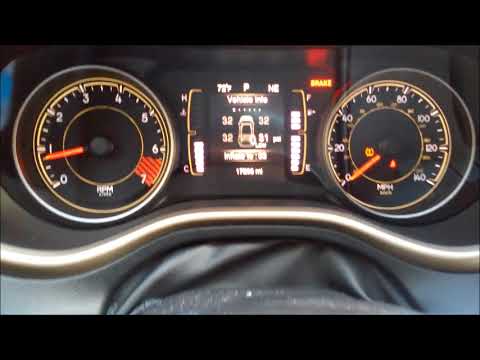
The ideal tire pressure depends on your model and tire size. For most Jeep Cherokees, the recommended pressure is usually between 32-36 PSI (pounds per square inch). You can find the exact number for your vehicle on the sticker inside the driver’s side door or in your owner’s manual. It’s important to follow this guideline, not just the maximum pressure printed on the tire itself.
Here’s a quick reference for common Cherokee models:
| Model Year | Trim | Tire Size | Recommended PSI |
|---|---|---|---|
| 2026 | Latitude | 225/65R17 | 33 PSI |
| 2020 | Trailhawk | 245/65R17 | 36 PSI |
| 2018 | Limited | 225/60R18 | 33 PSI |
Always check your own vehicle’s sticker for the most accurate information.
Why Tire Pressure Matters
Having the right tire pressure affects your driving experience in several ways:
- Safety: Low pressure can cause tires to overheat and may lead to a blowout. High pressure can reduce traction, especially in wet conditions.
- Fuel Efficiency: Under-inflated tires create more resistance, making your engine work harder. According to the U.S. Department of Energy, you can lose up to 3% of fuel efficiency if your tires are not properly inflated.
- Tire Lifespan: Correct pressure helps tires wear evenly. If your tires are too low, the sides wear out faster. If too high, the center wears down quickly.
- Handling and Comfort: The Cherokee’s suspension is tuned for the correct tire pressure. Incorrect levels can make the ride bumpy or unstable.
A less obvious insight: Tire pressure also affects your braking distance. Low pressure increases stopping distance, which could make a big difference in an emergency.
How To Check And Adjust Tire Pressure
Checking your Jeep Cherokee’s tire pressure is simple and only takes a few minutes:
- Wait until your tires are cold (parked for at least three hours).
- Remove the cap from the tire’s valve stem.
- Use a digital or manual tire pressure gauge. Insert it firmly and read the PSI.
- Compare the reading to your vehicle’s recommended PSI.
- If needed, add air at a gas station or with a home compressor. If it’s too high, press the valve to release air.
- Replace the cap tightly.
Don’t forget the spare tire. Many drivers overlook it, but it should also be checked regularly.
Common Mistakes When Checking Tire Pressure
- Checking tires after driving: Heat increases pressure and gives a false reading.
- Using old or inaccurate gauges: Cheap gauges may not be reliable. Digital ones are usually more accurate.
- Ignoring seasonal changes: Cold weather lowers pressure, hot weather raises it. Check more often during temperature swings.
Jeep Cherokee Tire Pressure Monitoring System (tpms)
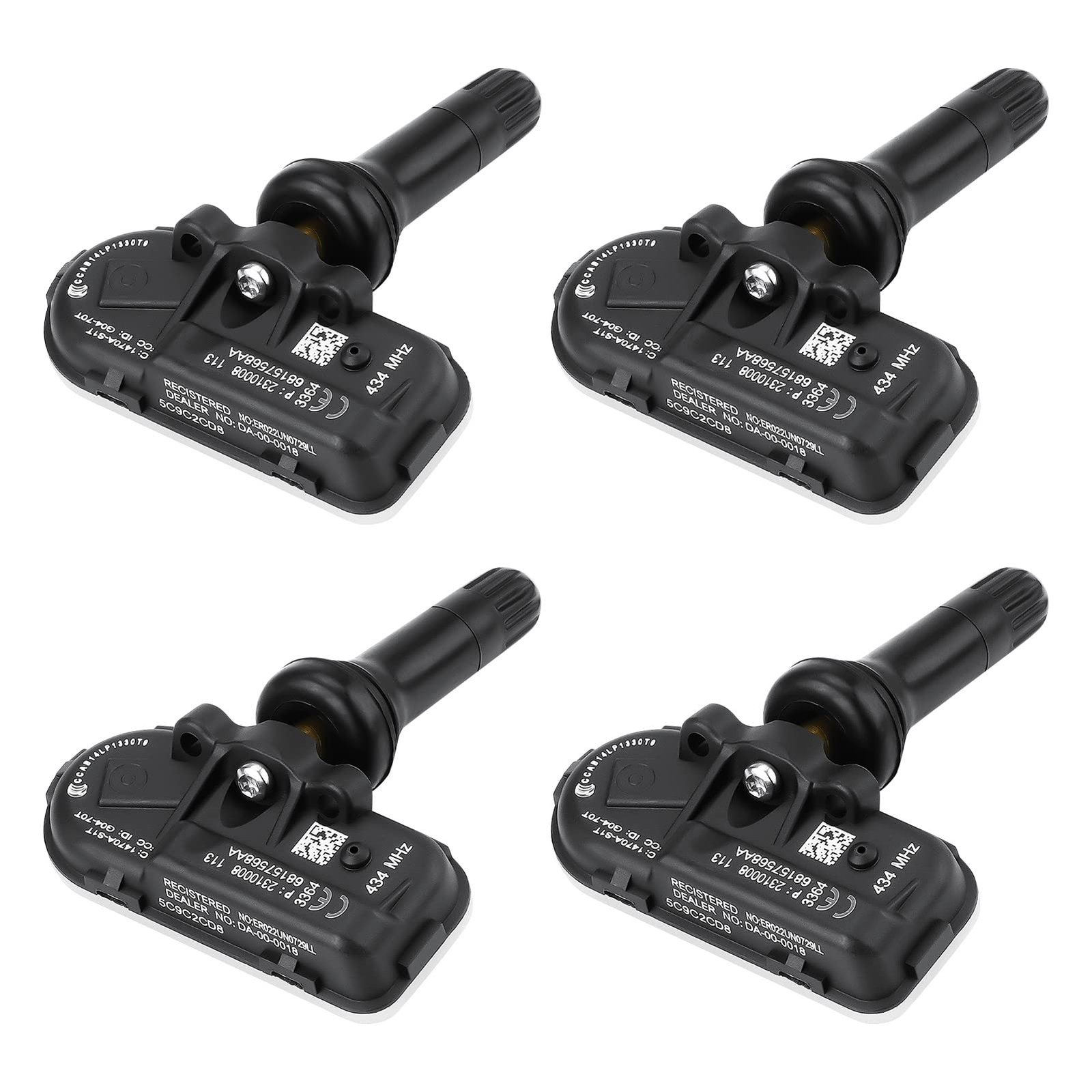
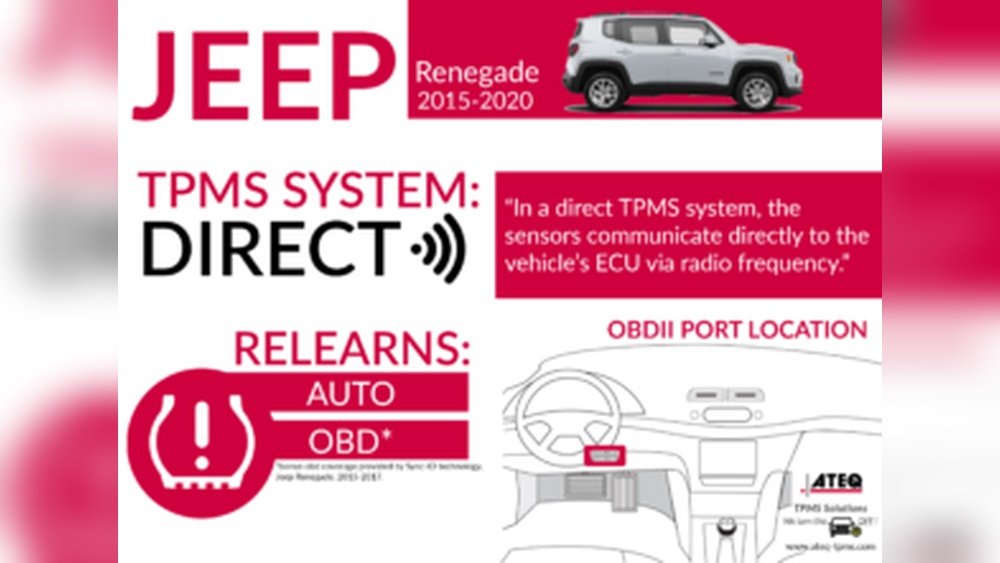
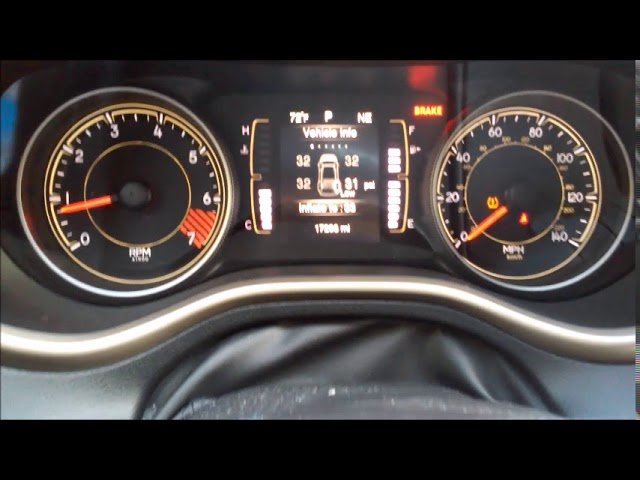
Most modern Cherokees come with a TPMS (Tire Pressure Monitoring System). This system alerts you if your tires are under-inflated. The dashboard light turns on if any tire drops below the recommended level. However, TPMS does not show high pressure, so you should still check manually.
TPMS can be a lifesaver, but don’t rely on it alone. Some sensors can fail, and the system only triggers at a certain low threshold.
Here’s how TPMS warning lights compare to actual pressure readings:
| TPMS Warning | Actual PSI | Action Needed |
|---|---|---|
| Light Off | 32-36 PSI | No action |
| Light On | 28 PSI or lower | Add air |
| Flashing Light | Sensor error | Check sensor |
Best Practices For Maintaining Tire Pressure
To keep your Jeep Cherokee safe and efficient, follow these tips:
- Check tire pressure at least once a month and before long trips.
- Use a good quality gauge for accurate readings.
- Adjust pressure for loads: If you’re carrying heavy cargo or towing, follow the manufacturer’s recommendations for increased pressure.
- Don’t forget to check all four tires and the spare.
- Rotate your tires every 6,000–8,000 miles to promote even wear.
One tip many drivers miss: Check tire pressure after sudden temperature changes, not just by season. A cold snap overnight can reduce pressure by 1–2 PSI.
Here’s a quick comparison of tire maintenance habits:
| Habit | Effect on Tire Life | Effect on Safety |
|---|---|---|
| Monthly checks | +20% longer | Much safer |
| Checks only when TPMS alerts | -10% shorter | Riskier |
| No regular checks | -25% shorter | Unsafe |
Frequently Asked Questions