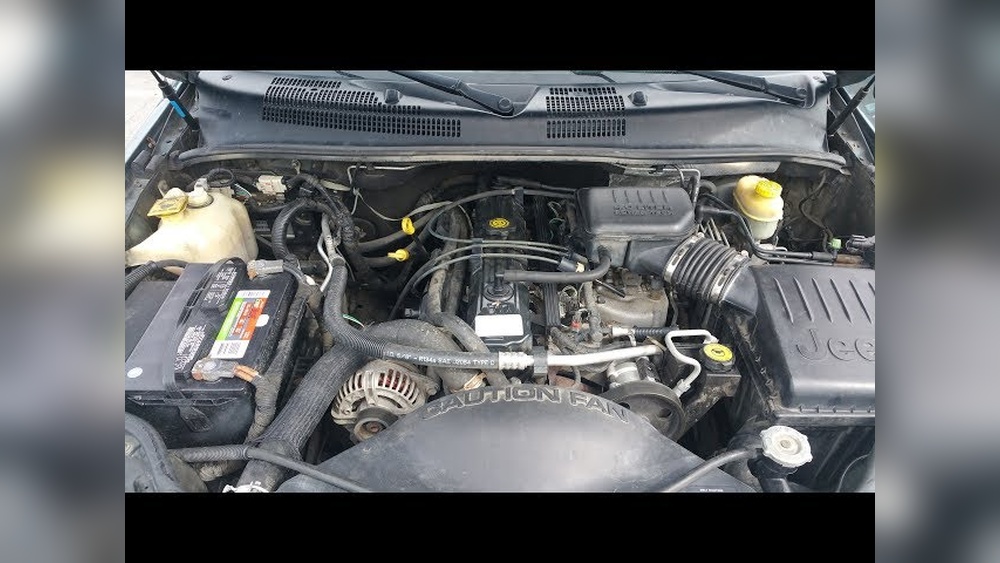
If your Jeep Cherokee starts to overheat, or you notice the temperature gauge acting strangely, the thermostat could be the culprit. The thermostat is a small but crucial part of your engine’s cooling system.
When it fails, it can cause poor performance, engine damage, and high repair bills. The good news?
Replacing the thermostat isn’t as hard as it sounds, and many Jeep owners do it themselves to save money.
What Does The Thermostat Do?
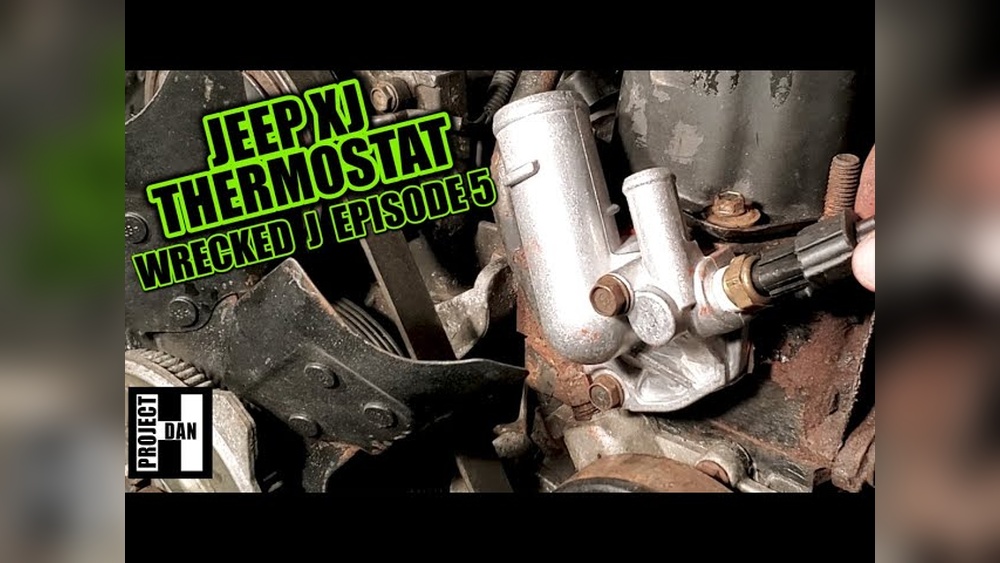
The thermostat controls the flow of coolant between the engine and radiator. It stays closed when the engine is cold, helping it warm up quickly. Once the engine reaches the right temperature, it opens and lets coolant flow, preventing overheating. If the thermostat gets stuck closed, the engine can overheat fast. If it’s stuck open, the engine may run too cool, leading to poor fuel efficiency and increased emissions.
Signs Your Jeep Cherokee Thermostat Needs Replacement
Knowing when to replace your thermostat can save you from major engine trouble. Here are the top signs:
- Engine Overheating: The temperature gauge moves into the red, especially during city driving.
- Temperature Fluctuations: The gauge moves up and down rapidly.
- Heater Problems: Weak or cold air from the heater, even after warm-up.
- Coolant Leaks: Puddles under the car or a sweet smell from the engine bay.
- Check Engine Light: Sometimes triggers codes related to engine temperature.
Ignoring these warning signs can lead to warped cylinder heads or blown head gaskets—both expensive repairs.
Tools And Parts You’ll Need
Before starting, gather all necessary tools and parts. Here’s a quick checklist:
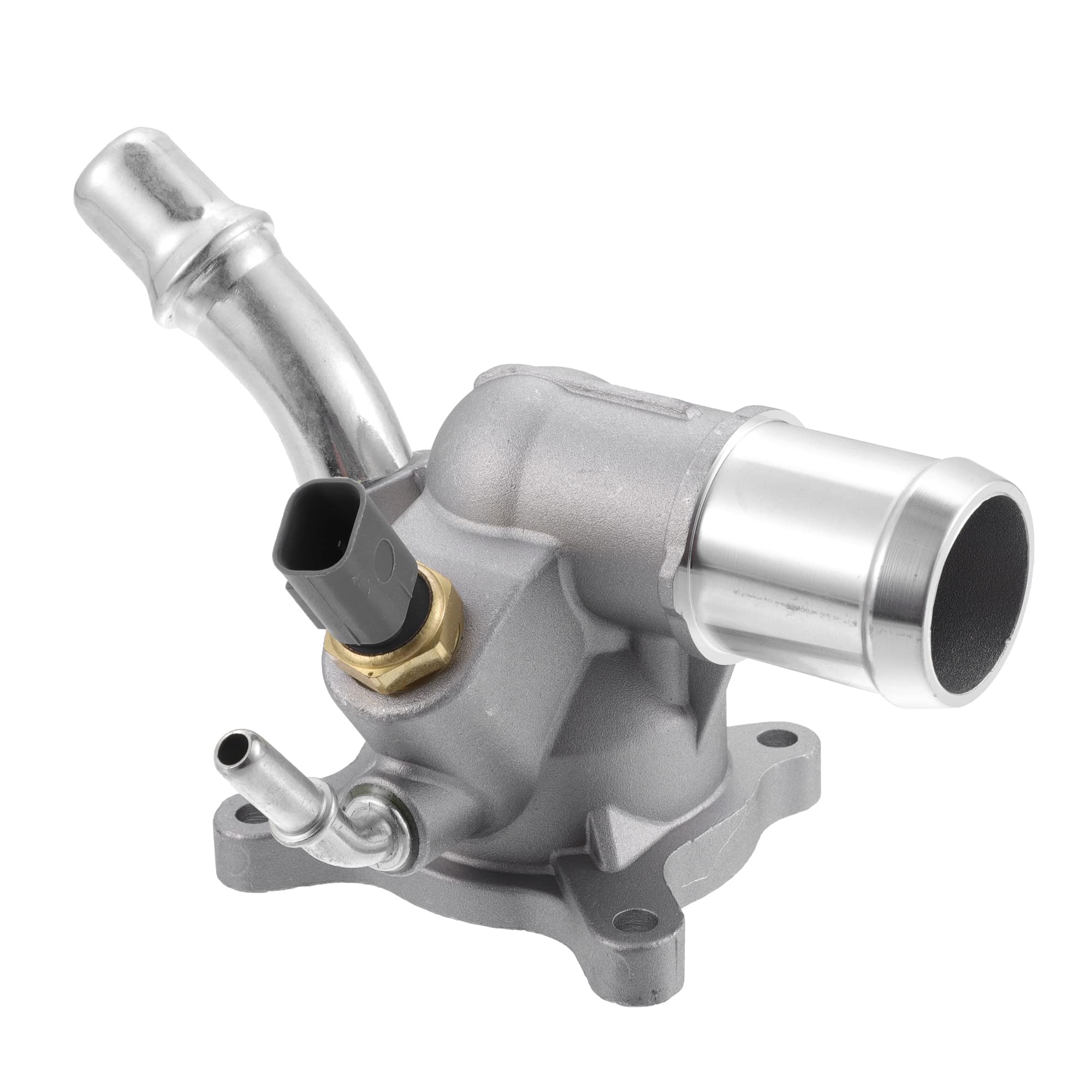
- New thermostat (OEM recommended for best fit)
- New thermostat gasket or O-ring
- Socket wrench set (8mm, 10mm common sizes)
- Screwdrivers
- Pliers
- Coolant (check your manual for type and quantity)
- Drain pan
- Clean rags or paper towels
- Safety gloves and glasses
Some Jeep Cherokees (especially 2014 and newer) use a thermostat housing that includes the thermostat as one piece.
Step-by-step Jeep Cherokee Thermostat Replacement
Replacing the thermostat is not complicated, but it requires attention to detail. Here’s a step-by-step guide:
1. Let The Engine Cool
Never work on a hot engine. Wait at least 30 minutes after turning off the car.
2. Drain Some Coolant
Place a drain pan under the radiator. Open the drain plug or loosen the lower radiator hose.
Drain about a gallon—enough to lower the coolant below the thermostat.
3. Locate The Thermostat Housing
Follow the upper radiator hose to where it meets the engine. That’s the thermostat housing.
4. Remove The Housing Bolts
Use your socket wrench to remove the bolts. Set them aside in a safe place.
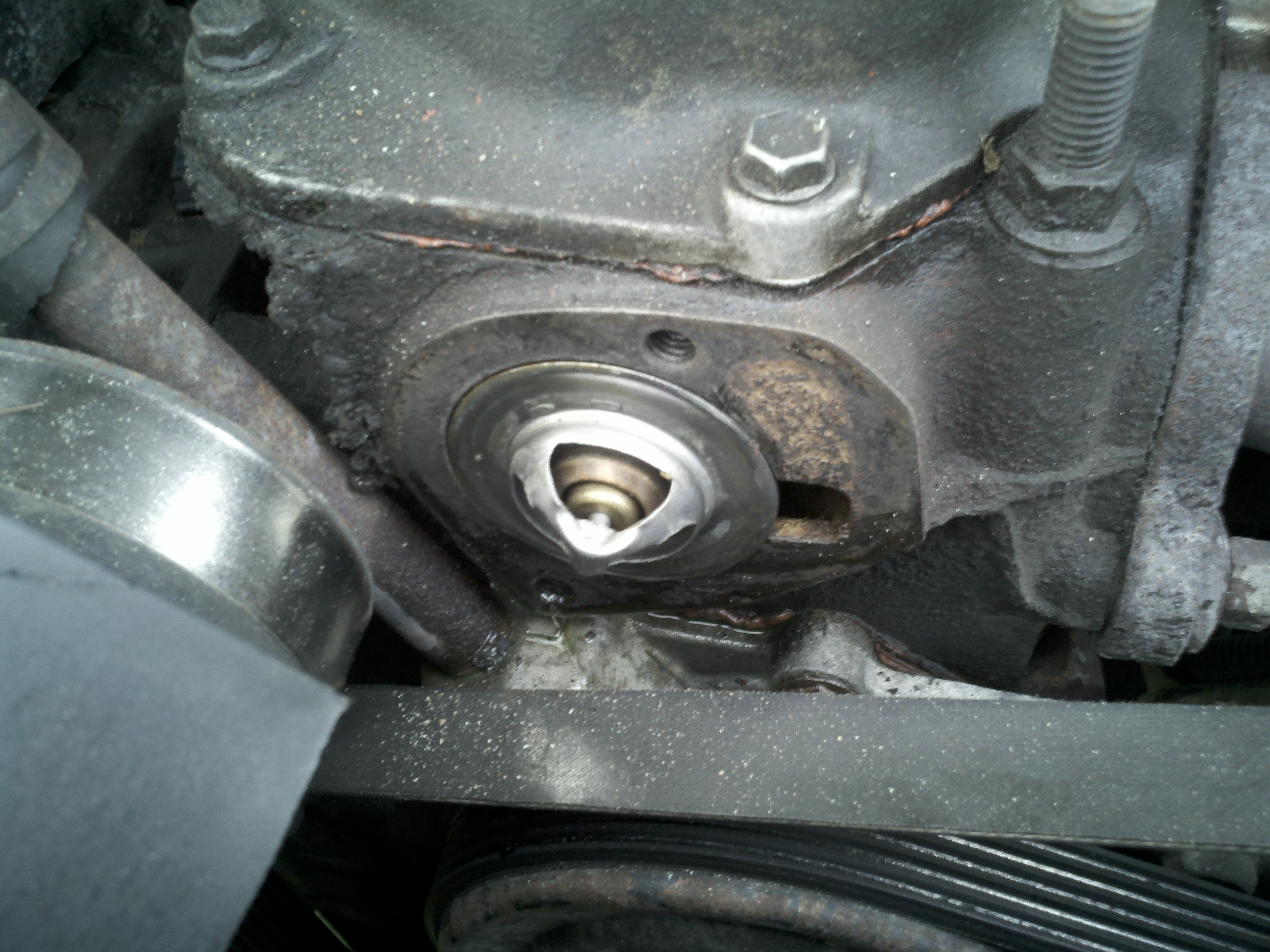
5. Remove The Old Thermostat
Take note of how the thermostat is positioned before removing it. Remove the old gasket or O-ring and clean the housing surface.
6. Install The New Thermostat
Place the new thermostat in the same orientation as the old one. Install the new gasket or O-ring.
7. Reattach The Housing
Tighten the bolts evenly, but don’t overtighten—they can break.
8. Refill Coolant
Top up the radiator with fresh coolant. Bleed air by running the engine with the radiator cap off until bubbles stop appearing.
9. Check For Leaks
Run the engine and watch for leaks around the thermostat housing.
10. Test Drive
After everything looks good, take a short drive. Keep an eye on the temperature gauge.
Cost Comparison: Diy Vs. Mechanic
Here’s a look at typical costs for a Jeep Cherokee thermostat replacement:
| Method | Parts Cost | Labor Cost | Total Cost |
|---|---|---|---|
| DIY | $25–$65 | $0 | $25–$65 |
| Professional Mechanic | $25–$65 | $100–$200 | $125–$265 |
Doing it yourself can save you up to $200. However, if you’re not comfortable, hiring a professional is always safer.
Common Mistakes To Avoid
Many DIYers make simple mistakes that can cause leaks or engine problems. Here’s what to watch for:
- Incorrect Thermostat Orientation: The spring side always faces the engine.
- Skipping Gasket/O-Ring Replacement: Old gaskets often leak; always use a new one.
- Not Bleeding the System: Air pockets can cause overheating. Always bleed after refilling coolant.
- Overtightening Bolts: This can crack the housing.
How Jeep Cherokee Thermostat Types Compare
Not all thermostats are created equal. Here’s a quick comparison:
| Thermostat Type | Main Feature | Typical Lifespan |
|---|---|---|
| OEM (Original) | Exact fit, reliable | 60,000–100,000 miles |
| Aftermarket | Cheaper, variable quality | 40,000–80,000 miles |
| Performance | Lower opening temp | 30,000–60,000 miles |
For daily driving, OEM thermostats are usually best. For off-road or towing, consider a performance type, but be aware of shorter lifespans.
Extra Tips For Success
- Take photos during removal for reference.
- Double-check the coolant type. Mixing types can damage your cooling system.
- Keep a bucket handy—more coolant may spill than you expect.
- If you see rust or sludge inside the housing, consider a full cooling system flush.
When To Replace, And How Often?
Most thermostats last at least 60,000 miles, but it’s wise to check your owner’s manual. Replacing the thermostat when you change the coolant (every 5 years or 100,000 miles) is a smart preventive step.
If you notice overheating or temperature swings, replace it sooner.
Frequently Asked Questions