The Jeep Cherokee is known for its off-road skills and versatility in different conditions. But when winter arrives, even experienced drivers can feel nervous on icy or snowy roads.
That’s where the Snow Mode feature in the Jeep Cherokee comes in. This setting is designed to help you drive more safely and confidently when the weather turns harsh.
But what does Snow Mode actually do, and how can you get the most out of it? Let’s break it down in clear, simple terms.
What Is Jeep Cherokee Snow Mode?
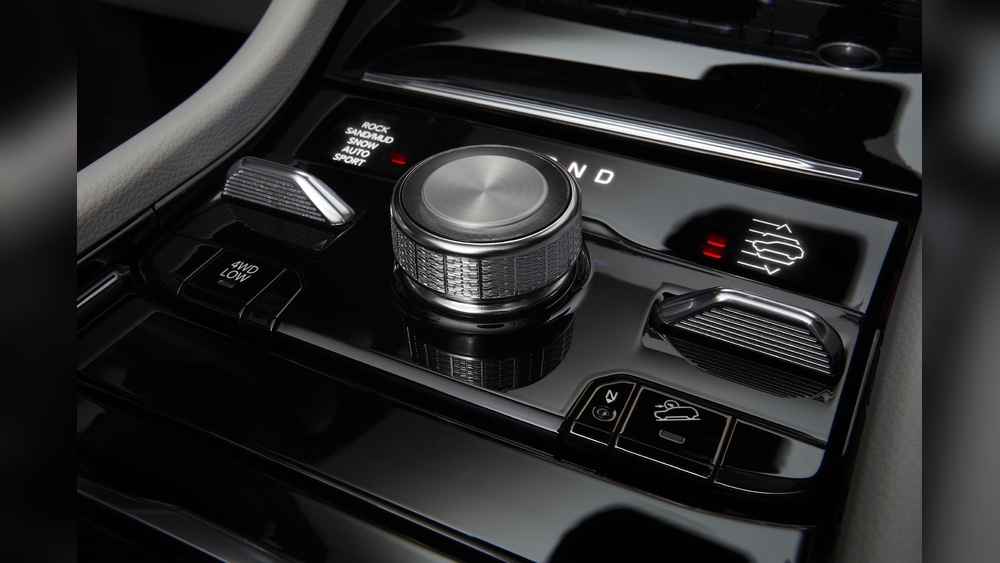
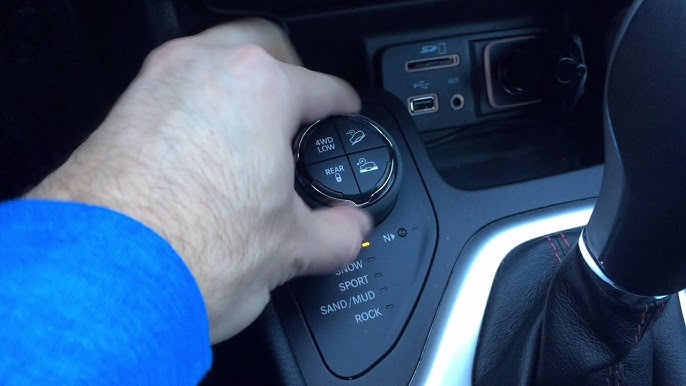
Snow Mode is part of the Jeep Selec-Terrain traction management system. You can find this system in many modern Jeep Cherokee models, including the Latitude, Limited, and Trailhawk. This system lets you choose from several drive modes—Auto, Snow, Sand/Mud, and sometimes Rock—so your Cherokee adapts to the road.
When you turn the dial to Snow Mode, the car changes how it uses power, brakes, and transmission. The main goal is to help your wheels grip better on snowy and slippery surfaces.
How Snow Mode Works
In Snow Mode, the Jeep Cherokee uses technology to help you stay in control, even if the road is slick. Here’s what happens under the hood:
- Torque Distribution: Power is sent to all four wheels. The system tries to split the power evenly, so no wheel spins faster than it should.
- Throttle Response: The gas pedal becomes less sensitive. This means you’re less likely to suddenly spin your tires when you start moving.
- Transmission Shifts: The car starts in a higher gear (often second gear instead of first). This helps reduce wheel spin when you press the gas.
- Braking System: The anti-lock brakes and traction control become more active. They help keep the Jeep stable if a wheel slips.
Here’s a quick look at how the Cherokee’s main drive modes compare:
| Drive Mode | Main Purpose | Power Distribution |
|---|---|---|
| Auto | Everyday driving | Switches between front/all-wheel as needed |
| Snow | Snow/ice conditions | Even split, all wheels engaged |
| Sand/Mud | Loose surfaces | More power to rear for better grip |
| Rock* | Off-road rocks | Low-speed, max grip |
*Rock Mode is only available on Trailhawk trims.
When Should You Use Snow Mode?
Snow Mode is best used when you’re driving on:
- Fresh snow
- Packed snow
- Icy roads
- Slippery slush
You don’t need to use Snow Mode for just a little frost or light rain. In those cases, “Auto” mode is usually enough.
Switch to Snow Mode when you see thick snow or feel your tires slipping.
Example
Imagine you live in the Midwest and wake up to find your driveway covered in snow. Before you pull out, turn the dial to Snow Mode.
You’ll notice the car feels less “jumpy” when you press the gas, and you get better control even if the surface is slick.
Key Benefits Of Snow Mode
- Better Traction: Power goes to all wheels, which helps you avoid getting stuck.
- Smoother Acceleration: The system stops you from pressing the gas too hard and losing grip.
- Increased Stability: The car feels more balanced, making it easier to steer and brake on icy roads.
Here’s a summary comparing normal driving to Snow Mode in snowy conditions:
| Condition | Normal Mode | Snow Mode |
|---|---|---|
| Starting from stop | More wheel spin | Less wheel spin |
| Turning | Higher chance of sliding | Improved control |
| Braking | Longer stopping distance | Shorter, more stable stop |
Common Mistakes When Using Snow Mode
Even with helpful technology, mistakes can still happen. Here are two errors drivers often make:
1. Leaving Snow Mode On All The Time
Some drivers think it’s safer to always use Snow Mode in winter. However, this can reduce gas mileage and cause more wear on the drivetrain.
Use it only when you really need extra grip.
2. Overconfidence In The System
Snow Mode helps, but it does not make your Jeep invincible. You still need to drive slowly, keep your distance, and avoid sudden turns or stops. Modern safety systems are tools, not magic.
Non-obvious Insights
Most beginners miss these points:
- Snow Tires Still Matter: Even with Snow Mode, having proper winter tires makes a bigger difference than any setting. Snow Mode helps you use the grip you have, but it can’t create grip on bald or summer tires.
- Downhill Caution: Going down steep hills in Snow Mode feels easier, but be careful—if the road is icy, even the best traction system can’t stop a slide if you go too fast.
How To Activate Snow Mode
Using Snow Mode is simple:
- Start your Jeep Cherokee.
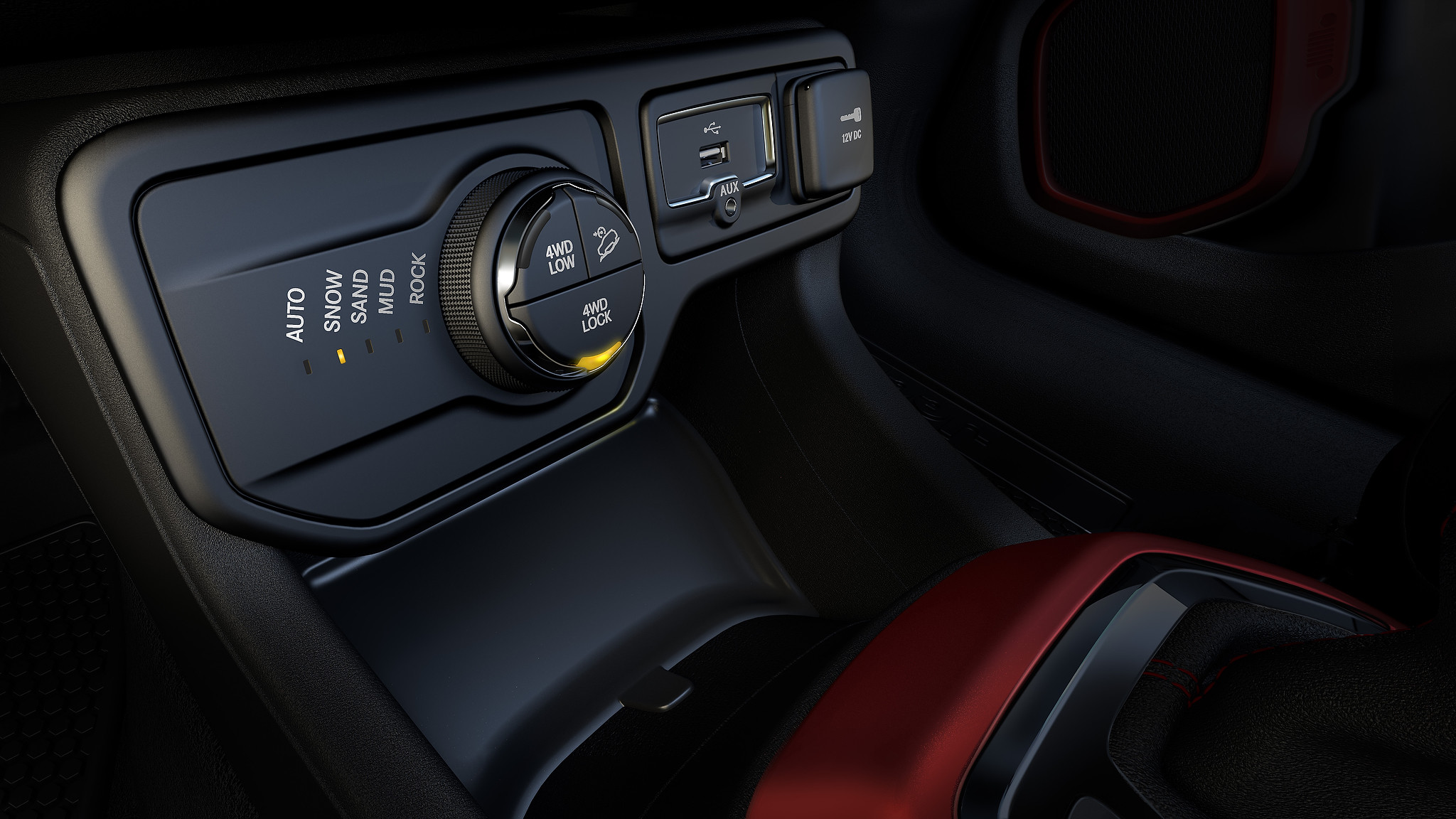
- Find the Selec-Terrain dial (usually on the center console).
- Turn the dial to the Snow position.
- Wait for the dashboard to show the snow icon.
You can switch modes while driving at low speeds, but it’s safest to do so when stopped.
Is Snow Mode Worth It?
For most Jeep Cherokee owners, Snow Mode is a valuable tool during winter. It can give you the confidence to drive safely even in tough conditions.
However, it works best when combined with good driving habits and the right tires.
If you want to learn more about the Selec-Terrain system and the science behind it, check out this Selec-Terrain overview on Wikipedia.
Frequently Asked Questions
Does Snow Mode Use More Gas?
Yes, Snow Mode can use more fuel than Auto mode because it sends power to all four wheels. Use it only when the road is slippery to avoid wasting gas.
Can I Switch To Snow Mode While Driving?
You can switch modes at low speeds, but for the smoothest change, it’s best to stop the car before turning the dial.
Is Snow Mode The Same As Four-wheel Drive?
Not exactly. Snow Mode uses the four-wheel drive system but also changes how the throttle, brakes, and transmission work for better control on snow and ice.
Will Snow Mode Help On Icy Hills?
It helps with grip, but you still need to drive slowly and use winter tires. No system can fully prevent sliding on pure ice.
Is Snow Mode Available On All Jeep Cherokees?
Most newer Cherokees have the Selec-Terrain system with Snow Mode, but older or base models may not. Check your owner’s manual to see if your car includes it.
A little preparation and smart use of your Jeep Cherokee’s features can make winter driving much easier. Snow Mode is a smart tool for tough conditions, but it’s just one part of safe winter driving.
Stay alert, use the right tires, and let technology help you—but not replace your good judgment.