Driving a Jeep Cherokee gives many people a sense of adventure and freedom. But just like any vehicle, it needs regular care to run smoothly. One of the most important systems to watch is the transmission. If you have seen a “Service Transmission” warning on your dashboard, you might feel worried. This article will help you understand what this warning means, what to do next, and how to keep your Jeep Cherokee’s transmission healthy for years.
What Does “service Transmission” Mean?
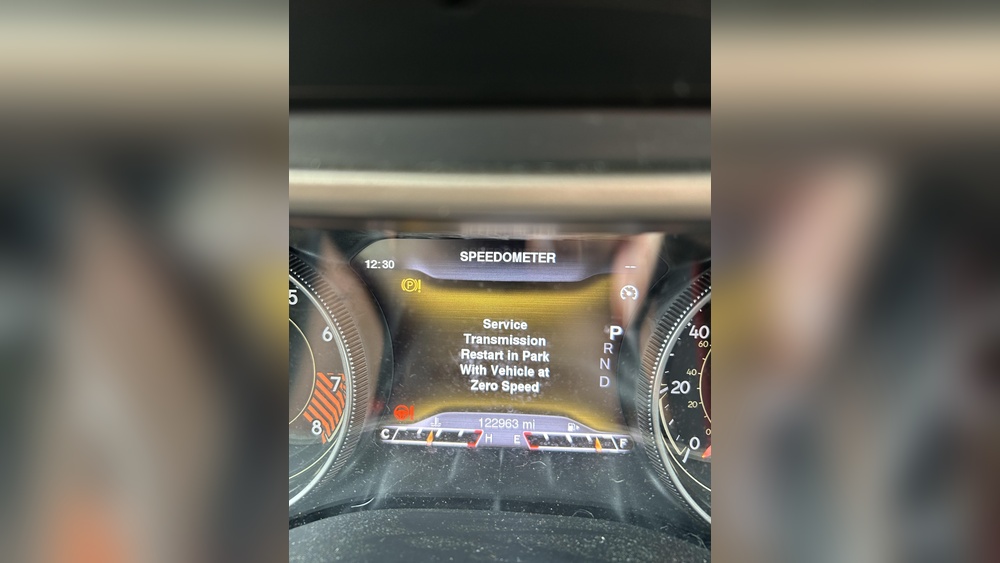
When your Jeep Cherokee shows a “Service Transmission” message, it’s a sign that something needs attention inside the transmission system. This could be a small issue, like low fluid, or a bigger problem, like a failing part.
Some common reasons for this warning include:
- Low or dirty transmission fluid
- Faulty sensors or wiring
- Overheating due to heavy use or high temperatures
- Mechanical wear or failure inside the transmission
The warning is not something to ignore. If you keep driving without checking it, you could cause more serious damage.
How The Jeep Cherokee Transmission Works
The transmission helps your Jeep switch gears and deliver power from the engine to the wheels. Most Jeep Cherokees use an automatic transmission, which changes gears by itself. Some models have a 9-speed automatic system, known for both smooth shifting and fuel efficiency.
Here’s a simple look at how it works:
- The transmission fluid cools and lubricates moving parts.
- Sensors and computers control when to change gears.
- If anything goes wrong, the system triggers a warning to protect itself.
If the transmission isn’t working right, you may notice rough shifts, delayed acceleration, or strange noises.

Key Signs Of Transmission Problems
Your Jeep Cherokee may show more than just a warning light. Pay attention to these signs:
- Slipping gears: The vehicle unexpectedly changes gears or won’t stay in gear.
- Rough shifting: You feel jerks or hesitation during gear changes.
- Unusual noises: Grinding, whining, or clunking sounds.
- Leaking fluid: Red or brown puddles under your Jeep.
- Burning smell: Overheated fluid gives off a burnt odor.
If you notice any of these, it’s best to act quickly.
Immediate Steps When You See The Warning
If you see the “Service Transmission” message, follow these steps:
- Pull over safely if you notice severe symptoms like loss of power or loud noises.
- Turn off the engine and let it cool for a few minutes.
- Check the fluid level if you know how. Low fluid can cause many problems.
- Restart the vehicle to see if the warning returns.
- Drive gently to the nearest service center if symptoms are mild.
Do not keep driving for long distances with the warning on. This can make repairs much more expensive.
Comparing Transmission Service Options
Jeep owners often wonder whether to visit a dealership or a local mechanic. Here’s a quick comparison:
| Service Provider | Pros | Cons |
|---|---|---|
| Jeep Dealership | Certified parts, skilled with Jeep models, access to software updates | Higher cost, sometimes longer wait times |
| Local Mechanic | Lower prices, faster service, personal attention | May lack Jeep-specific tools or training |
If your Jeep is still under warranty, using a dealership is usually best. For older models, a trusted mechanic can be a good choice.
Common Transmission Services For Jeep Cherokee
Regular care can help you avoid big repairs. Here are the main types of transmission service:
- Fluid change: Replace old fluid to keep parts running smoothly.
- Filter replacement: Keeps dirt out of the system.
- Software update: Some problems are fixed with updated programming.
- Diagnostic check: Mechanics use tools to read error codes and find issues.
- Full rebuild or replacement: Needed only for serious damage.
How often should you service your transmission? Jeep recommends checking the fluid every 60,000 miles or sooner if you drive in tough conditions.

Transmission Fluid: The Lifeblood Of The System
The right transmission fluid keeps everything cool and moving. Using the wrong type or letting it get dirty can cause major problems.
Let’s look at the main differences between new and old fluid:
| New Fluid | Old Fluid |
|---|---|
| Bright red, clear | Brown or black, may smell burnt |
| Protects parts | Can cause wear |
| Proper shifting | May lead to slipping or rough shifts |
Always use Mopar ATF+4 or the type recommended in your owner’s manual.
Real-world Example: 2014–2020 Jeep Cherokee
Many Jeep Cherokee models, especially from 2014 to 2020, use the 9-speed transmission. Some owners have reported more frequent warning lights and shifting problems. In fact, a 2016 recall fixed software problems that caused false warnings.
This shows how important it is to keep your Jeep’s software updated. If you own one of these models, ask your service center about the latest updates.

What Beginners Often Miss
- Software can be the issue: Not all transmission problems are mechanical. A simple computer update can sometimes solve the warning.
- Fluid checks are tricky: Many newer Cherokees have sealed transmissions with no dipstick. Only professionals can check or add fluid safely.
How To Prevent Transmission Problems
You can keep your Jeep Cherokee’s transmission healthy by:
- Changing fluid on time
- Avoiding heavy towing beyond your Jeep’s rated limits
- Letting the engine warm up in cold weather before driving hard
- Fixing leaks quickly
- Keeping up with software updates
Most breakdowns come from missed maintenance or ignoring early warnings.
Typical Repair Costs
Transmission repairs can be costly. Here’s a look at common costs:
| Service | Average Cost (USD) |
|---|---|
| Fluid Change | $150 – $300 |
| Software Update | $100 – $200 |
| Sensor Replacement | $200 – $500 |
| Full Rebuild | $2,500 – $4,000 |
| Replacement | $3,500 – $6,000 |
Always ask for a full diagnosis before approving costly repairs.
Driving a Jeep Cherokee should be enjoyable, not stressful. Understanding your transmission and staying ahead of problems will keep you on the road and out of the shop. For more technical details, you can check the official Jeep Cherokee Wikipedia page.
Frequently Asked Questions
What Does The “service Transmission” Message Mean In My Jeep Cherokee?
It means the transmission system has detected a problem. This could be low fluid, a sensor issue, or a mechanical fault.
It’s a warning to get the system checked soon.
Can I Drive My Jeep Cherokee With The Transmission Warning Light On?
You can drive short distances if there are no severe symptoms. However, driving long distances or ignoring new noises, slips, or rough shifts can damage the transmission further.
How Often Should I Change The Transmission Fluid In My Jeep Cherokee?
Jeep recommends every 60,000 miles, but sooner if you drive in hot weather, tow heavy loads, or stop-and-go traffic. Check your owner’s manual for your model.
Is It Expensive To Repair A Jeep Cherokee Transmission?
Costs range from $150 for a fluid change to over $4,000 for a rebuild. Getting regular service can help avoid the most expensive repairs.
Can A Software Update Fix My Transmission Problem?
Yes, in some cases. Newer Jeep Cherokees use computers to control shifting, and some warnings or rough shifts are fixed with a software update at the dealership.