If your Jeep Cherokee’s air conditioning isn’t cooling like it should, the refrigerant level may be the cause. Many drivers overlook this simple detail, but knowing the correct refrigerant capacity is essential for maintaining your vehicle’s comfort and efficiency.
Refilling with the wrong amount can lead to weak cooling or even damage the AC system. Let’s explore what you need to know about Jeep Cherokee refrigerant capacity, model differences, and why getting this detail right makes a real difference.
What Is Refrigerant Capacity And Why It Matters
Every car air conditioning system uses a specific amount of refrigerant to work at its best. This fluid carries heat out of your Jeep’s cabin, so you stay cool on hot days. Too little refrigerant means the system won’t cool properly; too much can stress the compressor and other parts.
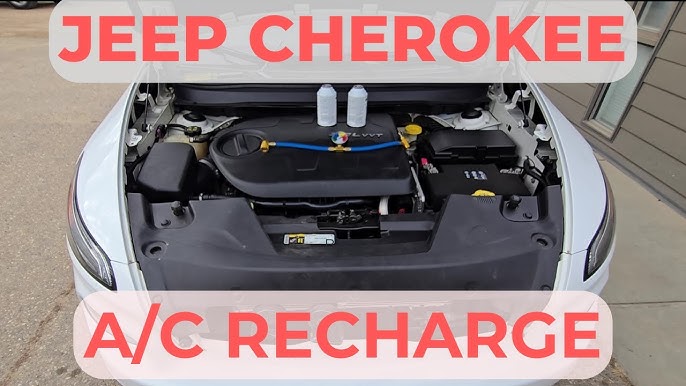
Jeep Cherokees have different refrigerant needs depending on the model year and engine. Overfilling or underfilling can cause:
- Poor cooling
- Noisy AC operation
- Higher fuel use
- Compressor failure
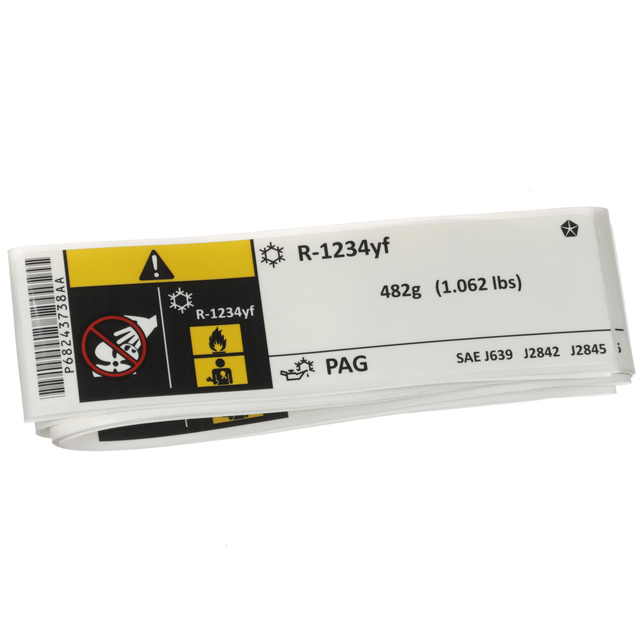
Always check the correct amount for your vehicle before refilling. If in doubt, look for a label under the hood or consult your owner’s manual.
Jeep Cherokee Refrigerant Capacity By Model Year
Not every Jeep Cherokee uses the same refrigerant type or amount. Here’s a quick guide to the most common models and their capacities.
| Model Year | Refrigerant Type | Capacity (oz) | Capacity (grams) |
|---|---|---|---|
| 2014-2026 | R-1234yf | 19.4-20.1 | 550-570 |
| 2011-2013 | R-134a | 22.9 | 650 |
| 2002-2010 | R-134a | 20.0-22.0 | 567-623 |
| 1997-2001 | R-134a | 24.0 | 680 |
| 1984-1996 | R-12 (retrofit to R-134a) | 36.0 | 1020 |
Note: Older Cherokees originally used R-12, but most have been converted to R-134a because R-12 is now banned in many countries.
How To Check And Refill Your Jeep Cherokee’s Refrigerant
If your AC isn’t blowing cold, you may be low on refrigerant. Here’s what to do:
- Check for Leaks: Never just “top off” refrigerant without checking for leaks first. Leaks mean repairs are needed.
- Find the Low-Pressure Port: This is where you add refrigerant. It’s usually marked with an ‘L’ cap.
- Attach a Gauge: Use an AC gauge to read current pressure. This tells you if you’re low or overcharged.
- Refill Slowly: Add refrigerant in small bursts, checking pressure often.
- Stay Within Specs: Never add more than the listed capacity for your model.
Here’s a comparison of two common refrigerant types for Jeep Cherokee:
| Refrigerant | Environmental Impact | Availability | Compatibility |
|---|---|---|---|
| R-134a | Moderate | Wide | 1994-2026 models (most) |
| R-1234yf | Low (greener) | Limited (newer cars) | 2014+ models |
Important: Overfilling with refrigerant can trigger the safety valve, releasing harmful gases. Always use the correct amount.
Signs Your Jeep Cherokee Needs Refrigerant
Not sure if your Jeep Cherokee’s AC needs attention? Watch for these signs:
- AC blows warm air: The most obvious clue.
- Compressor cycles often: Short cycles may signal low refrigerant.
- Hissing sounds: Could mean a slow leak.
- Visible leaks: Oily spots on AC lines suggest refrigerant loss.
Ignoring these signs can lead to bigger repairs. Regular checks help keep your system healthy.
Model-year Differences And Practical Tips
Even small changes between model years can affect refrigerant needs. For example, the 2015 Cherokee uses R-1234yf, but the 2013 model uses R-134a. Mixing types is not safe or effective.
Here are some practical tips:
- Double-check the label: Under-hood stickers are the most reliable source.
- Don’t mix refrigerants: Using the wrong type can damage seals and hoses.
- Use a precise scale: Guessing by “can size” leads to mistakes.
- Replace the dryer if open: If you’ve had a big leak or open system, change the dryer to protect your compressor.
Here’s a side-by-side look at two popular Jeep Cherokee generations:
| Generation | Years | Refrigerant | Capacity (oz) |
|---|---|---|---|
| KL | 2014-2026 | R-1234yf | 19.4-20.1 |
| KJ | 2002-2007 | R-134a | 20.0-22.0 |
Non-obvious Insights For Owners
Many drivers don’t realize that refrigerant loss of just a few ounces can cut AC efficiency by 20% or more. Also, some shops use “universal” refrigerant blends, but these rarely match Jeep’s specs and can cause long-term problems.
Another tip: After a major AC repair, always vacuum out the system to remove moisture before refilling. Moisture inside can freeze and block cooling.
If you want to know more about refrigerants and their environmental impact, you can visit the US EPA’s refrigerant guide.

Frequently Asked Questions
What Refrigerant Type Does A 2017 Jeep Cherokee Use?
The 2017 Jeep Cherokee uses R-1234yf refrigerant. Always check the sticker under the hood to confirm, as some early 2014-2015 models could use R-134a.
How Much Refrigerant Does A 2015 Jeep Cherokee Need?
Most 2015 models need about 19.4 to 20.1 ounces (550-570 grams) of R-1234yf. Never exceed this amount.
Can I Use R-134a In A System Designed For R-1234yf?
No, never mix or substitute these refrigerants. R-1234yf systems require special seals and oil. Using R-134a can cause leaks or damage.
What Happens If I Overfill The Ac System?
Overfilling can lead to poor cooling, high pressure, or even compressor failure. The excess refrigerant may vent out, releasing harmful gases and wasting money.
How Often Should Jeep Cherokee Ac Be Serviced?
Check your AC every 1-2 years, especially before summer. Early detection of leaks or low refrigerant prevents costly repairs and keeps you comfortable.
Keeping the right refrigerant level in your Jeep Cherokee is a simple but powerful way to maintain comfort and protect your vehicle. Understanding your model’s specific needs will help you avoid common mistakes and enjoy reliable cooling for years.