The Jeep Cherokee is a familiar sight on roads and trails across the United States. Known for its rugged image and versatility, this SUV has attracted a loyal following for decades.
But like any vehicle, the Cherokee brings both strengths and weaknesses. If you’re thinking about buying a Jeep Cherokee or simply want to understand it better, it’s smart to look closely at its real-world pros and cons.
This guide highlights what the Cherokee does well, where it falls short, and provides practical insights to help you make an informed choice.
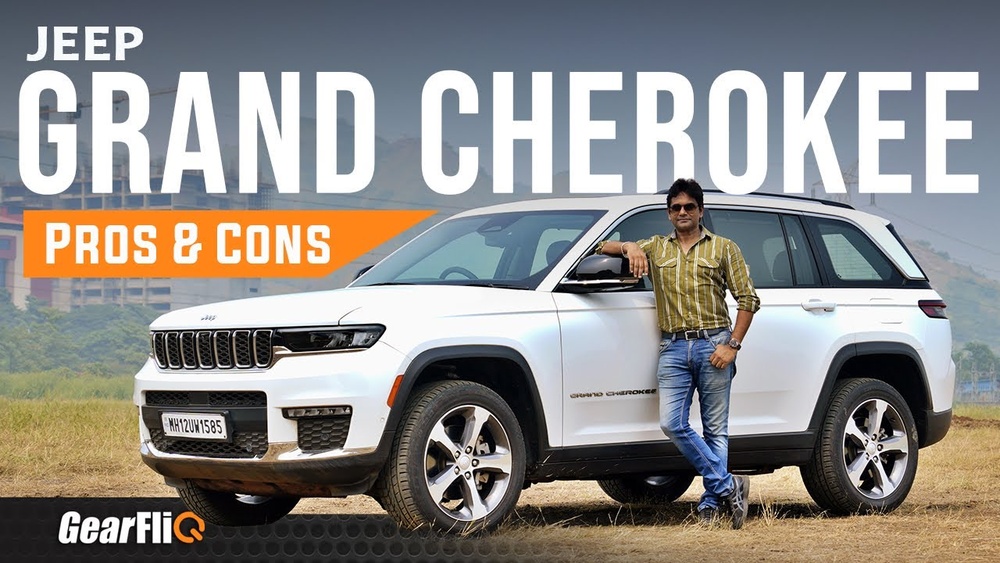
Jeep Cherokee Pros
1. Excellent Off-road Capability
The Jeep Cherokee is famous for its off-road performance. Models like the Trailhawk come equipped with features such as all-terrain tires, increased ground clearance, and Jeep’s Active Drive Lock 4×4 system. These allow the Cherokee to handle mud, snow, rocks, and uneven trails with confidence. Few compact SUVs match its off-road technology, making it a favorite for outdoor enthusiasts.
2. Comfortable Ride Quality
Despite its rugged build, the Cherokee offers a smooth and comfortable ride. The suspension absorbs bumps well, making daily commutes and long trips less tiring. Road and wind noise are generally well-controlled, which is not always the case in SUVs with off-road chops.
3. Strong Safety Scores
Jeep has worked to improve the Cherokee’s safety features. The latest models include standard options like automatic emergency braking, lane departure warning, and blind spot monitoring. The 2026 Cherokee earned a four-star overall safety rating from the NHTSA. For families, this can be a crucial factor.
4. User-friendly Technology
Inside, the Cherokee’s Uconnect infotainment system stands out for its easy-to-use interface. The touchscreen responds quickly, and the menus are simple. Features like Apple CarPlay, Android Auto, and available navigation make the system modern and practical.
5. Versatile Cargo Space
The Cherokee’s interior is flexible. Rear seats fold flat, allowing you to expand the cargo area for larger items. While not the largest in its class, the space is practical for camping gear, groceries, or luggage.
6. Towing Ability
Unlike many compact SUVs, the Cherokee offers a towing capacity of up to 4,500 pounds (with the V6 engine and proper equipment). This is enough for small boats, trailers, or even a camper, making it more versatile than many competitors.
Higher trims of the Cherokee offer leather seats, heated steering wheel, and dual-zone climate control. The cabin feels upscale for a compact SUV, especially in the Limited or Overland models.
Jeep Cherokee Cons
1. Below-average Fuel Economy
One of the Cherokee’s biggest drawbacks is its fuel efficiency. Most models get around 20-23 mpg in the city and 29-31 mpg on the highway. This is lower than many rivals, especially those with turbocharged or hybrid engines.
2. Limited Rear Seat Space
While the front seats are roomy, rear legroom is tight for taller passengers. Families with teenagers or frequent backseat riders may find it less comfortable than some competitors.
3. Mixed Reliability Ratings
The Cherokee’s reliability is a concern for some buyers. Several model years have received below-average ratings for issues such as transmission problems or electrical glitches. Repair costs can also be higher than average for the segment.
4. Smaller Cargo Area Than Rivals
While versatile, the Cherokee’s cargo capacity is less than many competitors. With the rear seats up, there are about 25.8 cubic feet of space, expanding to 54.7 cubic feet with seats folded. Rivals like the Honda CR-V and Toyota RAV4 offer more room.
5. Higher Price Tag
Cherokee’s starting price is often higher than other compact SUVs. Well-equipped models can get expensive quickly, especially with optional 4×4 systems and luxury features.
6. Engine Choices
While Jeep offers three engines (2.4L inline-4, 3.2L V6, and 2.0L turbocharged), the base engine feels underpowered. The V6 and turbo options improve performance but can further reduce fuel economy.
7. Resale Value
Compared to some competitors, the Cherokee tends to depreciate faster. This can affect your long-term costs if you plan to sell or trade in the vehicle later.

Jeep Cherokee: Comparison With Key Rivals
A direct comparison helps highlight where the Cherokee stands against popular competitors.
| Model | Base Price (USD) | MPG (City/Hwy) | Cargo Space (cu. ft.) | Max Towing (lbs) |
|---|---|---|---|---|
| Jeep Cherokee | $29,995 | 23/31 | 25.8 / 54.7 | 4,500 |
| Honda CR-V | $28,410 | 28/34 | 39.2 / 75.8 | 1,500 |
| Toyota RAV4 | $28,675 | 27/35 | 37.6 / 69.8 | 3,500 |
Practical Insights For Potential Buyers
- Off-road needs: If you plan to drive on rough trails, the Cherokee is hard to beat. The Trailhawk trim, especially, offers real off-road tools.
- Daily driving: For mostly city or highway use, rivals may offer more comfort, space, and savings at the pump.
- Resale value: Consider leasing or buying certified pre-owned to reduce long-term costs.
A surprising fact: Many buyers overlook the Cherokee’s available Active Drive II system, which adds a low-range gear for tough terrain. This is rare in compact SUVs and useful for those who tow or drive in snow.
Another tip: If your budget is tight, check local incentives. Jeep often offers cash rebates and low-interest financing that can bring the price closer to competitors.

Cherokee Trim Levels At A Glance
Here’s a quick look at the main trims and their focus:
| Trim | Main Features | Best For |
|---|---|---|
| Latitude | Basic features, good price | Budget buyers |
| Latitude Plus | Added tech, comfort options | Daily driving |
| Limited | Leather, premium audio | Luxury feel |
| Trailhawk | Off-road upgrades | Adventurers |
Frequently Asked Questions