If your Jeep Cherokee is having strange engine problems, transmission issues, or sudden stalling, the PCM (Powertrain Control Module) could be the reason. The PCM acts as the vehicle’s brain, controlling fuel, ignition, and many other critical systems.
When it fails, your Cherokee may become undrivable or unsafe. Understanding how and when to replace your PCM can save time, money, and prevent future headaches.
What Does The Pcm Do In A Jeep Cherokee?
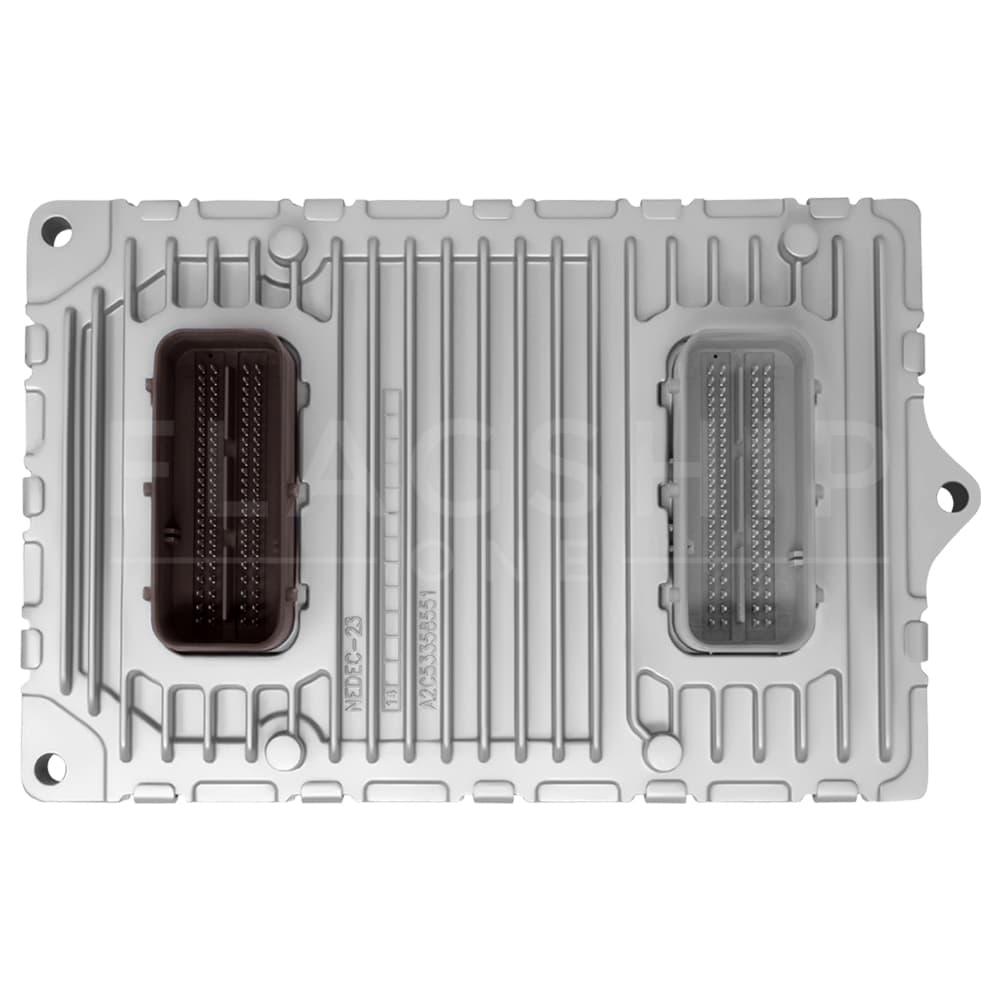
The PCM is a combined computer that manages both the engine and transmission systems. It reads signals from sensors, then adjusts fuel flow, ignition timing, and shifting patterns.
When it works well, you get smooth driving, good gas mileage, and low emissions.
A failing PCM can cause:
- Check engine light that won’t go away
- Hard starting or no start at all
- Poor shifting or stuck gears
- Sudden loss of power while driving
Sometimes, these symptoms can also come from bad sensors, wiring, or other electronic modules. It’s important to confirm a PCM problem before replacing it.
Signs Your Jeep Cherokee Pcm Needs Replacement
It’s easy to confuse PCM issues with other problems. Look for these signs:
- Multiple warning lights: If several lights appear on your dashboard at once, especially check engine, ABS, and transmission, it often points to a control module issue.
- Random engine stalling: The engine may stall unexpectedly, even when driving at highway speeds.
- Transmission trouble: Shifting becomes rough, delayed, or stuck in one gear, especially if there’s no mechanical transmission fault.
- Poor fuel economy: Sudden drop in MPG, even after basic maintenance.
- Failed emissions test: A malfunctioning PCM often can’t control emissions properly.
Mechanics use specialized diagnostic tools to scan for codes and test the PCM. If codes keep returning after repairs, the PCM may be the root cause.
Cost Of Replacing A Jeep Cherokee Pcm
The total cost depends on the year, engine, and where you buy the part. Here’s a quick comparison of average prices:
| Model Year | PCM Cost (Part Only) | Total Replacement Cost |
|---|---|---|
| 1997–2001 | $200–$400 | $400–$700 |
| 2002–2007 | $300–$600 | $550–$900 |
| 2008–2014 | $400–$900 | $750–$1,300 |
Labor usually takes 1–2 hours. Some shops charge extra for programming the new PCM.
Steps To Replace A Jeep Cherokee Pcm
If you’re handy with tools, you might replace the PCM yourself. However, most modern Cherokees need professional programming after installation. Here are the main steps:
- Disconnect the battery. Always remove the negative terminal to avoid short circuits.
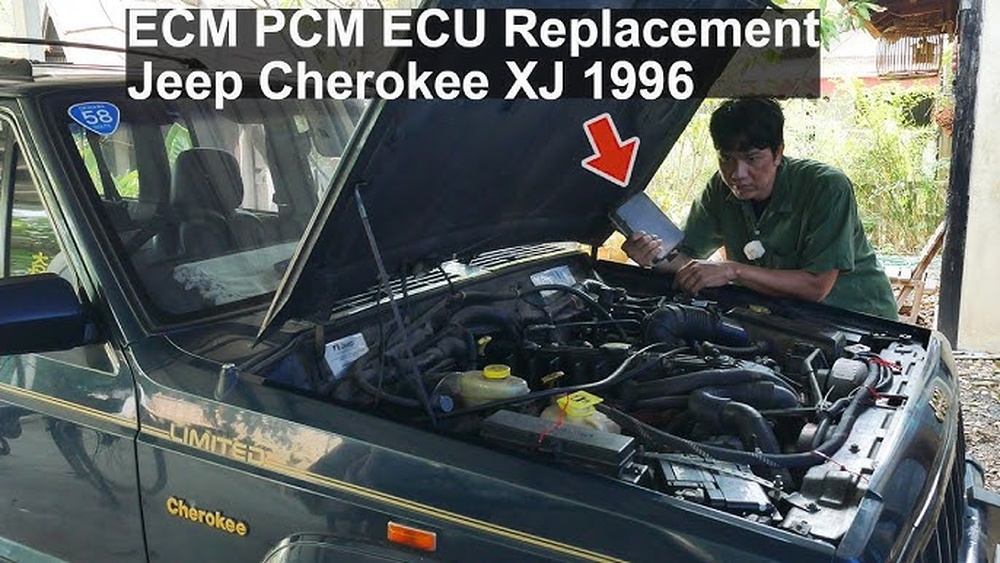
- Locate the PCM. Usually under the hood, close to the engine or firewall.
- Unplug wiring connectors. Press release tabs and gently pull the connectors off.
- Remove mounting bolts. Use the correct socket size.
- Swap in the new PCM. Position it and secure with bolts.
- Reconnect wiring and battery.
- Program the new PCM. Many new units must be matched to your vehicle using a scan tool.
If you skip programming, the engine may not start or could run poorly. Some sellers pre-program PCMs to your VIN, but double-check before buying.
Oem Vs. Aftermarket Pcm: Which Should You Choose?
Not all PCMs are created equal. Here’s a quick comparison:
| Feature | OEM PCM | Aftermarket PCM |
|---|---|---|
| Compatibility | Guaranteed fit | May need extra programming |
| Warranty | Usually 1–2 years | Varies, sometimes shorter |
| Price | Higher | Lower |
| Reliability | Very high | Can vary by brand |
OEM PCMs cost more but often last longer. Some aftermarket PCMs work well but may need extra programming or cause error codes. Always buy from a trusted source.
Common Mistakes When Replacing A Pcm
Many owners and even some mechanics make avoidable errors:
- Skipping diagnostics: Replacing the PCM without confirming it’s faulty can waste money. Bad grounds, wiring, or sensors can mimic PCM failure.
- Not programming: New PCMs often need to be programmed with your Jeep’s VIN and immobilizer data.
- Buying the wrong part: PCM part numbers are specific. Double-check yours before ordering.
Also, never try to “reset” a failing PCM by disconnecting the battery for long periods. This rarely fixes the core problem and sometimes erases important data.
Real-world Example
A 2012 Jeep Cherokee owner noticed rough shifting and a flashing check engine light. After replacing spark plugs and transmission fluid, the problem continued.
A scan showed random sensor codes. A new PCM was installed and programmed; all issues disappeared, and fuel economy improved by 20%.
This shows the importance of correct diagnosis and complete replacement.
Tips To Extend Your Pcm’s Life
- Keep battery and charging system healthy. Voltage spikes are a major cause of PCM failure.
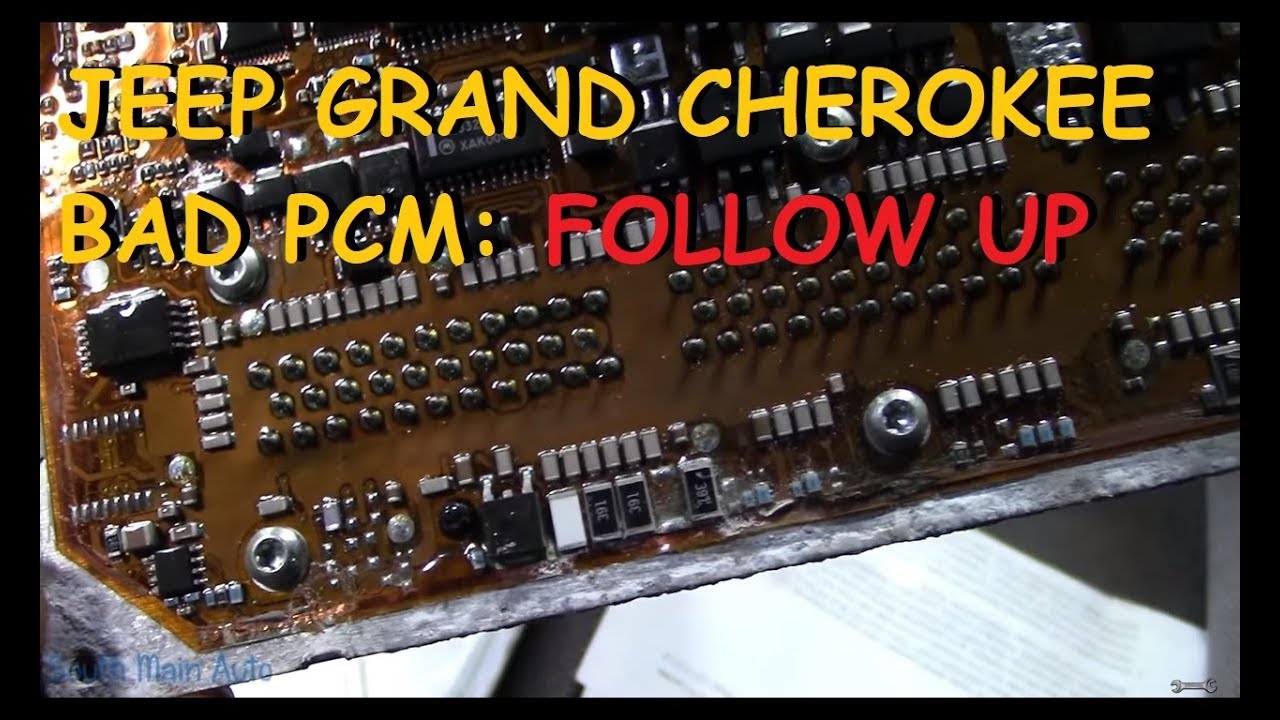
- Fix leaks quickly. Water or coolant leaks can damage the PCM and wiring.
- Use proper jump-start methods. Incorrect jump starting can fry the PCM.
- Regular inspections. Have your wiring and connectors checked at every major service.