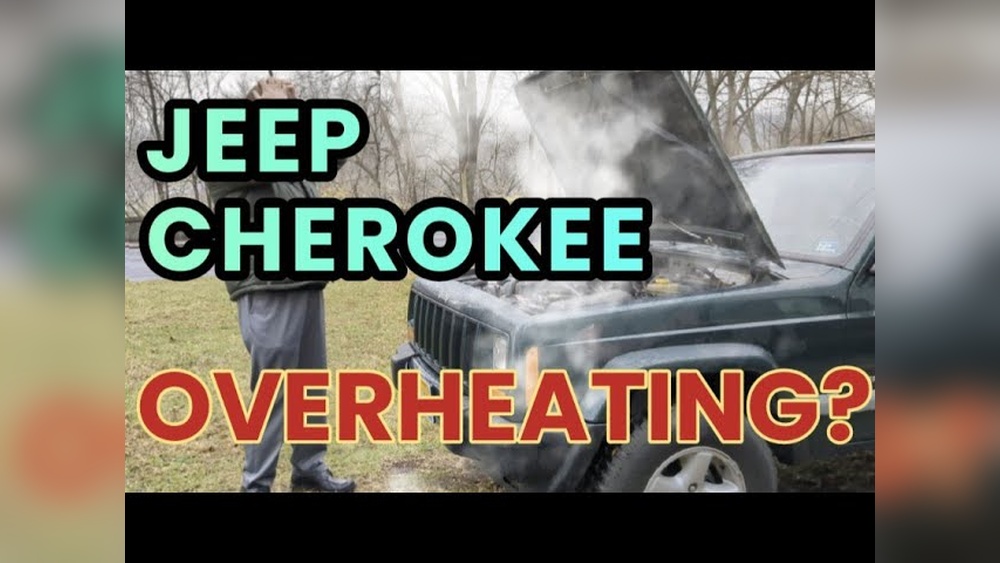
A sudden spike on your Jeep Cherokee’s temperature gauge can quickly turn a drive into a stressful situation. Overheating is not just inconvenient—it can lead to serious engine damage if ignored.
Whether your Cherokee is an older XJ, a classic Grand Cherokee, or a modern Trailhawk, understanding why it overheats and how to fix it is key to keeping your SUV reliable.
This article explains the common causes, how to diagnose them, and what you can do to prevent costly repairs down the road.
Common Reasons Your Jeep Cherokee Overheats
When your Jeep Cherokee starts running hot, several issues could be responsible. Here are the most frequent causes:
- Low coolant level – The coolant absorbs engine heat and keeps temperatures in check. Leaks or evaporation can lower the level, making overheating more likely.
- Thermostat failure – A stuck thermostat blocks coolant flow, causing temperatures to rise quickly.
- Radiator problems – Clogged or damaged radiators can’t release heat efficiently.
- Faulty water pump – If the water pump fails, coolant won’t circulate properly.
- Broken cooling fan – Electric or mechanical fans help dissipate heat, especially at low speeds or while idling.
- Head gasket leak – A blown head gasket can let hot gases mix with coolant, leading to rapid overheating.
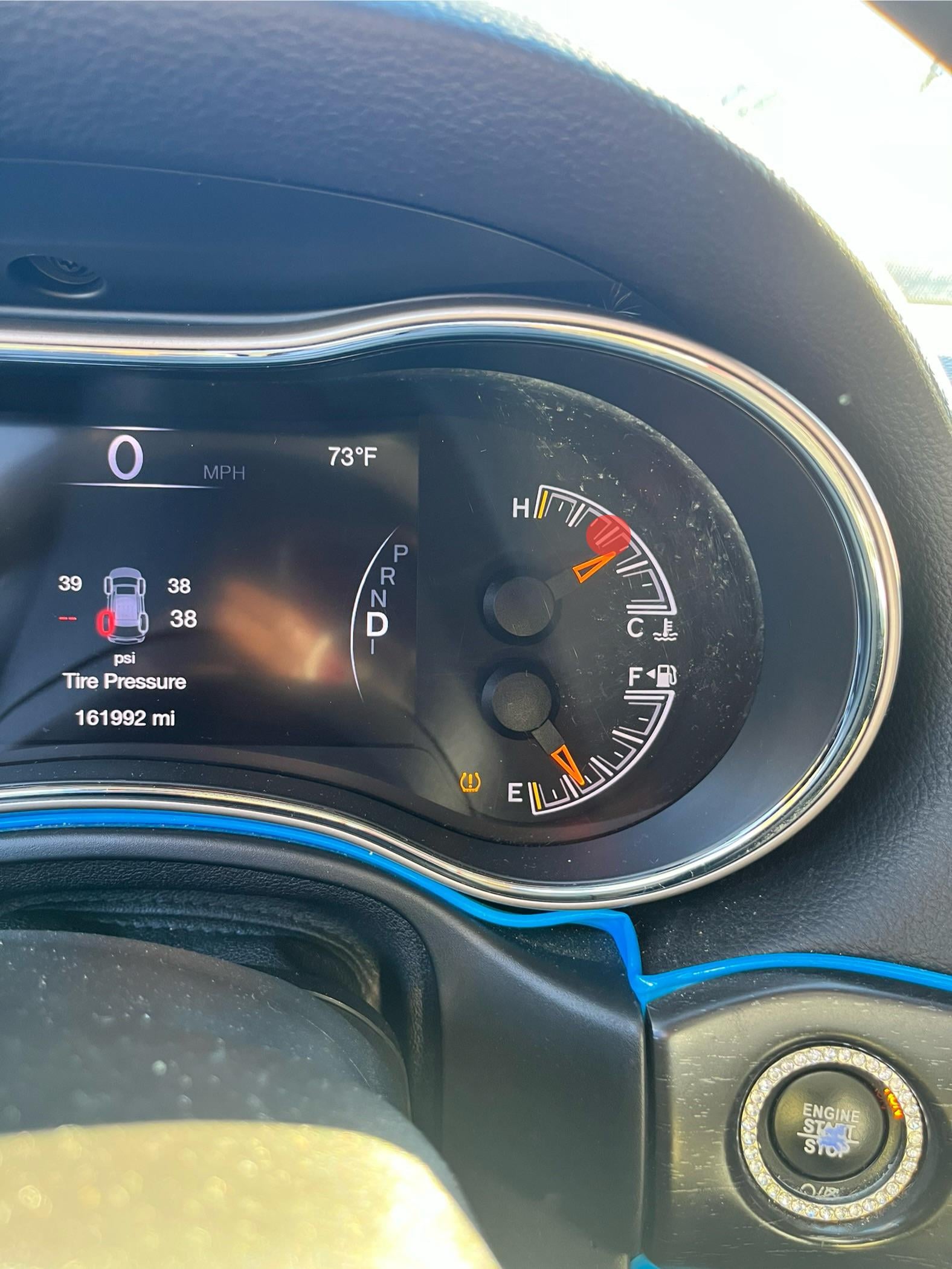
You might notice the temperature gauge rising, steam from the hood, or even a warning light. Addressing these signs early can prevent engine failure.
Diagnosing Overheating In Your Jeep Cherokee
Pinpointing the exact reason for overheating is critical. Here’s a practical approach:
Step 1: Visual Inspection
- Check the coolant reservoir and radiator for proper fluid levels.
- Look for leaks under the vehicle—puddles or drips can reveal a problem.
- Inspect the radiator and hoses for cracks or swelling.
- Observe the cooling fan while the engine is hot; it should cycle on and off.
Step 2: Check The Thermostat
A stuck thermostat is a classic cause. If the upper radiator hose stays cool while the engine is hot, the thermostat may be closed.
Step 3: Radiator And Water Pump
Watch for signs of a clogged radiator (rust, debris, or discolored coolant). The water pump may show leaks or make a grinding noise when failing.
Step 4: Pressure Test
A cooling system pressure test can reveal hidden leaks or a head gasket problem. Many auto parts stores loan testers if you want to check at home.
Quick Reference: Common Symptoms And Likely Causes
This table matches typical symptoms to possible problems for faster troubleshooting.
| Symptom | Possible Cause |
|---|---|
| Temperature gauge climbs in traffic | Faulty cooling fan or radiator |
| Heater blows cold air | Low coolant or air in system |
| White smoke from exhaust | Blown head gasket |
| Coolant on ground | Leaking hose or water pump |
Preventing Overheating: Maintenance Tips
Regular care is the best defense against overheating. Here’s what you should do:
- Check coolant levels monthly, and top off with the correct mix if needed.
- Flush the cooling system every 2 years or 30,000 miles to remove rust and scale.
- Inspect hoses and belts for wear or leaks during oil changes.
- Replace the thermostat every 60,000 miles, or sooner if you notice issues.
- Clean the radiator fins—debris can block airflow.
- Test the cooling fan: For electric fans, listen for them after the engine warms up. For mechanical fans, check for wobble or loose blades.
Many Jeep Cherokee owners overlook the importance of the right coolant mixture—using plain water or the wrong type can cause corrosion and lower cooling efficiency.

When To Seek Professional Help
Not all overheating problems are DIY-friendly. If you notice these signs, get help immediately:
- Frequent overheating even after adding coolant
- Milky oil or white exhaust smoke
- Coolant in the transmission fluid
- Persistent leaks you can’t locate
Ignoring these can lead to warped cylinder heads or a ruined engine. Sometimes, it’s cheaper to fix a small problem than to risk major engine repairs.
How Different Jeep Cherokee Generations Compare
Some generations of the Jeep Cherokee are more prone to overheating than others. Here’s a brief comparison:
| Model Year | Known Overheating Issues | Remarks |
|---|---|---|
| 1997–2001 (XJ) | Prone to clogged radiators, weak fans | Regular flushes help |
| 2014–2026 (KL) | Thermostat and sensor failures | Electronic cooling systems |
| 2011–2020 (Grand Cherokee WK2) | Water pump leaks, head gasket issues | V6 models more affected |
Older models often suffer from lack of maintenance, while newer ones may have more complex electronic controls that require diagnostic tools.
Cost Of Fixing Overheating
Fixing overheating ranges from simple to expensive. Here are average repair costs:
| Repair Type | Estimated Cost (USD) |
|---|---|
| Coolant Flush | $80 – $150 |
| Thermostat Replacement | $120 – $250 |
| Radiator Replacement | $350 – $700 |
| Water Pump Replacement | $300 – $600 |
| Head Gasket Repair | $1,200 – $2,500 |
Delaying repairs, especially for head gasket or water pump issues, can increase the final bill significantly.
Non-obvious Insights For Jeep Cherokee Owners
Many first-time Jeep owners miss two important points:
- After-market parts may not match factory specifications. For example, a cheap thermostat or radiator can reduce cooling efficiency.
- Air pockets in the cooling system can develop if not bled properly after repairs. This can cause random overheating, even if all parts seem fine.
Using a scan tool to check for hidden error codes can also reveal electronic sensor problems that are not obvious to the eye.