If you own a Jeep Cherokee, you know it’s a tough and reliable SUV. But every vehicle has parts that wear out, and the oil cooler is one of them.
This small but important component keeps your engine’s oil at a safe temperature. If it fails, your engine could overheat or suffer serious damage.
Replacing a faulty oil cooler is not just a smart move—it’s essential for keeping your Jeep running strong. This guide covers everything you need to know about Jeep Cherokee oil cooler replacement, including symptoms, costs, steps, and tips that even many seasoned DIYers might overlook.
Why The Oil Cooler Matters
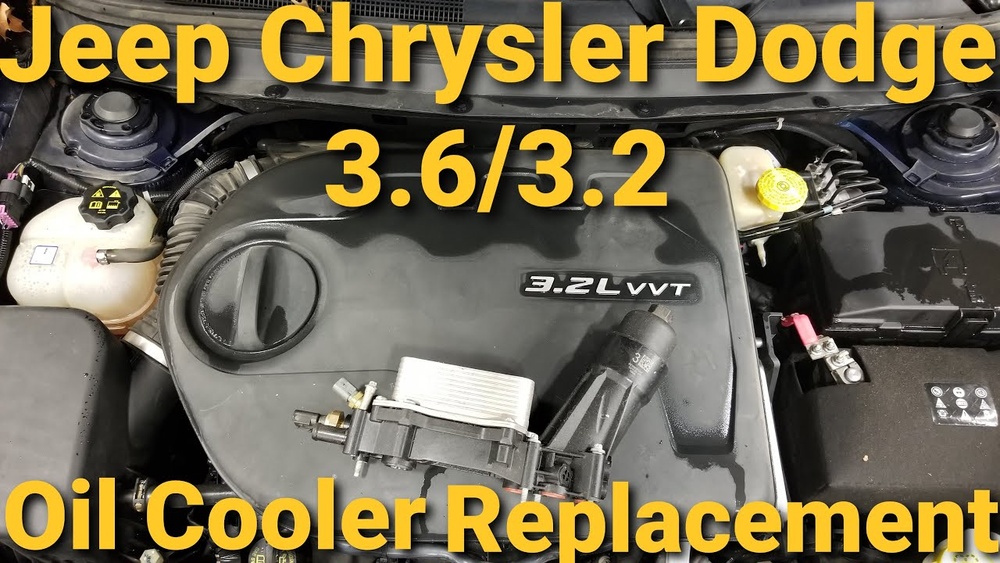
The oil cooler is a heat exchanger. It helps your engine oil stay cool, especially under stress like towing or driving in hot weather. When it works right, your engine oil protects vital parts from heat and friction.
If the oil cooler breaks, oil can get too hot or leak. Hot oil loses its ability to lubricate, causing more wear inside the engine.
Ignoring oil cooler problems can lead to expensive repairs, such as a seized engine.
Common Signs Your Oil Cooler Needs Replacement
Watch for these warning signs:
- Oil leaks under your Jeep, especially near the oil filter housing.
- Engine overheating or temperature gauge rising higher than normal.
- Low oil pressure or warning lights on your dashboard.
- Oil in the coolant or vice versa—mixing fluids is a serious issue.
- Burning oil smell or smoke from the engine bay.
Some symptoms, like leaks, are clear. Others, like overheating, can have many causes.
Always check for multiple signs before deciding the oil cooler is the problem.
Oil Cooler Replacement Cost
How much will it cost to replace the oil cooler in your Jeep Cherokee? Here’s a quick breakdown:
| Component | Estimated Cost (USD) |
|---|---|
| Oil Cooler Part | $80 – $200 |
| Labor (Shop) | $250 – $400 |
| New Oil & Filter | $40 – $80 |
| Total (Shop) | $370 – $680 |
| Total (DIY) | $120 – $280 |
Labor costs vary by location and model year. Newer Cherokees (2014+) often cost more because of tighter engine bays and more sensors.
Tools And Parts Needed
If you want to tackle this job yourself, have these on hand:
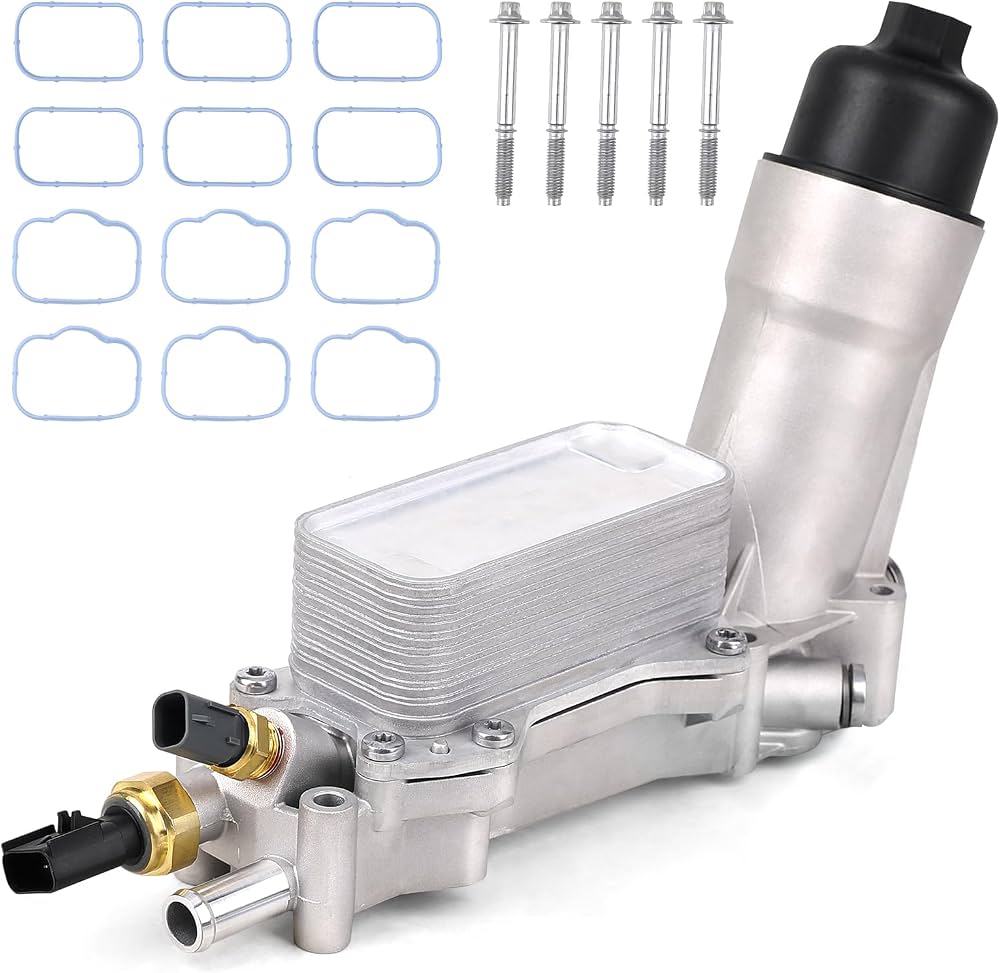
- Replacement oil cooler
- New gasket or O-rings
- Socket set (metric and standard)
- Torque wrench
- Oil drain pan
- Shop towels or rags
- Engine oil and oil filter
- Coolant (if lines are disturbed)
- Safety gloves and glasses
An often-overlooked tip: Buy a quality oil cooler and gasket set. Cheap aftermarket parts can fail early and may leak.
Step-by-step Oil Cooler Replacement
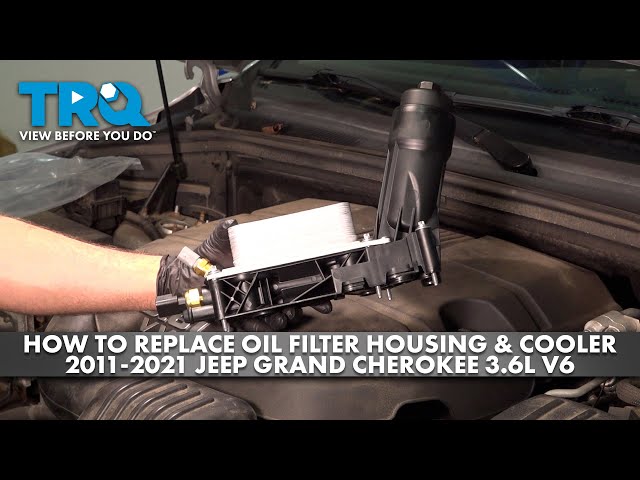
Here’s how to replace the oil cooler in a modern Jeep Cherokee (2014+ 2. 4L or 3.
2L engine). Steps may vary for older models.
- Let the engine cool completely to avoid burns.
- Disconnect the battery for safety.
- Drain the engine oil into a pan. Remove the oil filter.
- Remove engine covers and air intake tubing as needed for access.
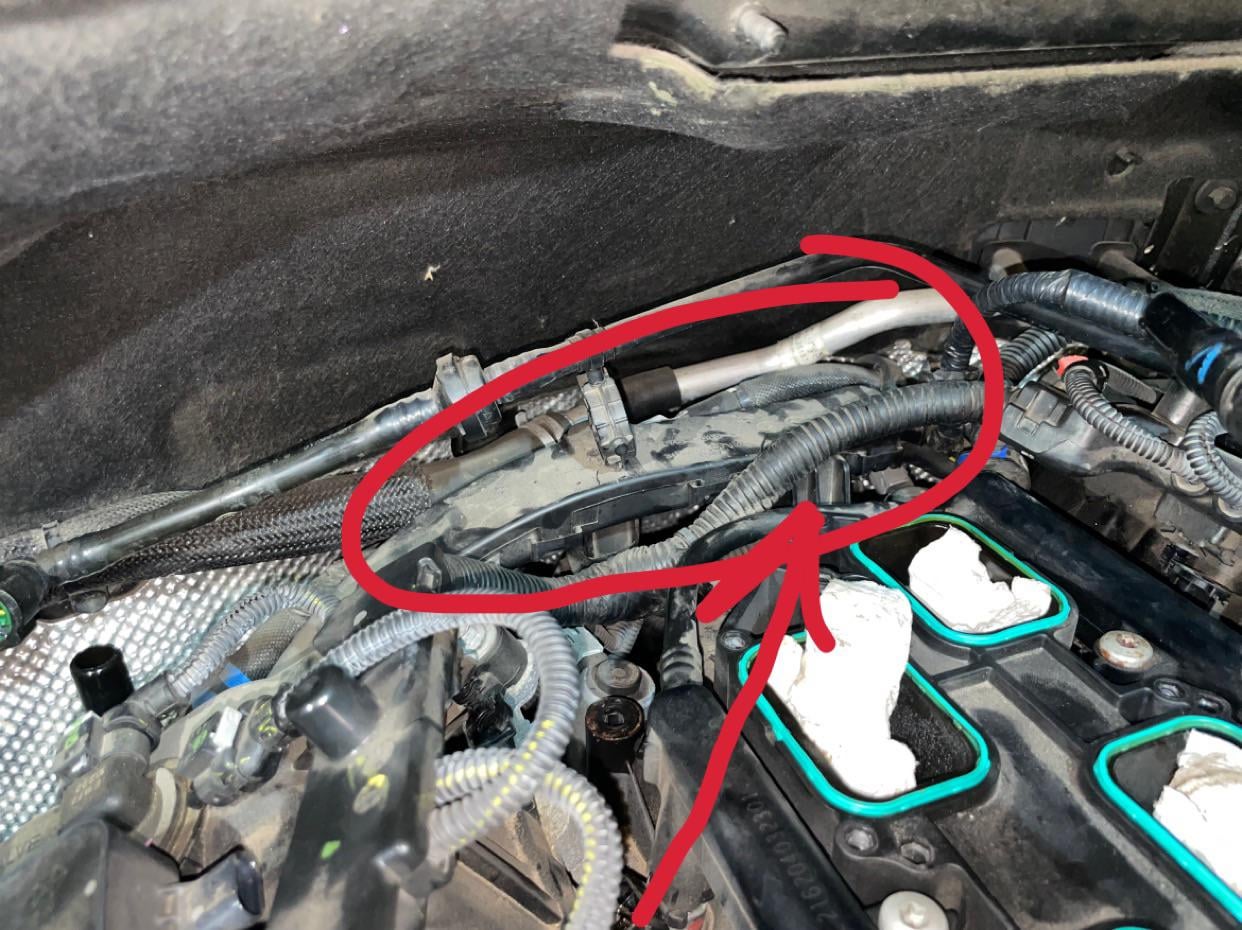
- Locate the oil cooler assembly, usually near the oil filter housing.
- Disconnect coolant lines if your model uses a liquid-cooled oil cooler.
- Unbolt the oil cooler from the housing. Keep track of fasteners and note their locations.
- Clean the mounting surface thoroughly. Old gasket material or debris can cause leaks.
- Install the new oil cooler with a fresh gasket or O-ring. Torque bolts to spec.
- Reconnect coolant lines and any sensors.
- Install a new oil filter and refill with fresh oil.
- Check for leaks before starting the engine.
- Start the engine and let it idle. Watch for leaks and monitor oil pressure and temperature.
- Top up coolant if needed.
Here’s a quick comparison of DIY vs. shop replacement:
| Replacement Method | Pros | Cons |
|---|---|---|
| DIY | Save money Learn new skills | Time-consuming Risk of mistakes |
| Shop | Fast and convenient Warranty on labor | Higher cost Less hands-on control |
Pro tip: Always check for updates or recalls. Some Jeep oil coolers have had design changes—your dealer can check by VIN.
Preventing Future Oil Cooler Problems
Most oil coolers last over 100,000 miles. You can help yours last longer by:
- Changing oil and filter on schedule (or sooner if towing/heavy use)
- Using recommended oil grade
- Checking for leaks at every oil change
- Avoiding cheap, low-quality replacement parts
A small leak today can become a big problem fast. Routine checks make a big difference.
What Owners Often Miss
- Coolant contamination: Many DIYers forget to flush the coolant if oil has mixed in. This can cause later problems with the radiator or heater core.
- Torque specs: Over-tightening bolts can crack the housing. Always use a torque wrench and follow manufacturer specs.
- Sensor connections: Some models have sensors on or near the oil cooler. Double-check all electrical plugs before finishing.
When To Seek Professional Help
If you’re not comfortable working under the hood or if your Jeep has high mileage and you see signs of coolant and oil mixing, it’s smarter to see a trusted mechanic. Internal engine damage may already exist, and a mechanic can check for deeper problems.
For more technical details, visit the official Jeep Maintenance Resources.
Frequently Asked Questions
How Long Does A Jeep Cherokee Oil Cooler Replacement Take?
A shop usually completes the job in 2–3 hours. DIYers should plan for 3–5 hours, especially if it’s the first time.
Can I Drive With A Leaking Oil Cooler?
It’s risky. Leaks can lead to low oil or coolant, which may cause engine overheating or failure. Have it fixed as soon as possible.
What Causes Oil Coolers To Fail?
Common causes include worn-out gaskets, impacts from road debris, poor-quality parts, or overheating. Sometimes, manufacturing defects are to blame.
Do All Jeep Cherokees Have The Same Oil Cooler?
No. Oil cooler design and location vary by engine type and year.
Always check your owner’s manual or VIN before ordering parts.
How Do I Know If Oil Is Mixing With Coolant?
Look for milky fluid on the oil dipstick or in the coolant reservoir. This is a serious issue—address it immediately to avoid engine damage.
Replacing your Jeep Cherokee’s oil cooler is a key step in keeping your engine healthy for years to come. With the right tools and a careful approach, many owners can tackle this job at home.
If in doubt, don’t hesitate to get expert help—your Jeep’s longevity is worth it.