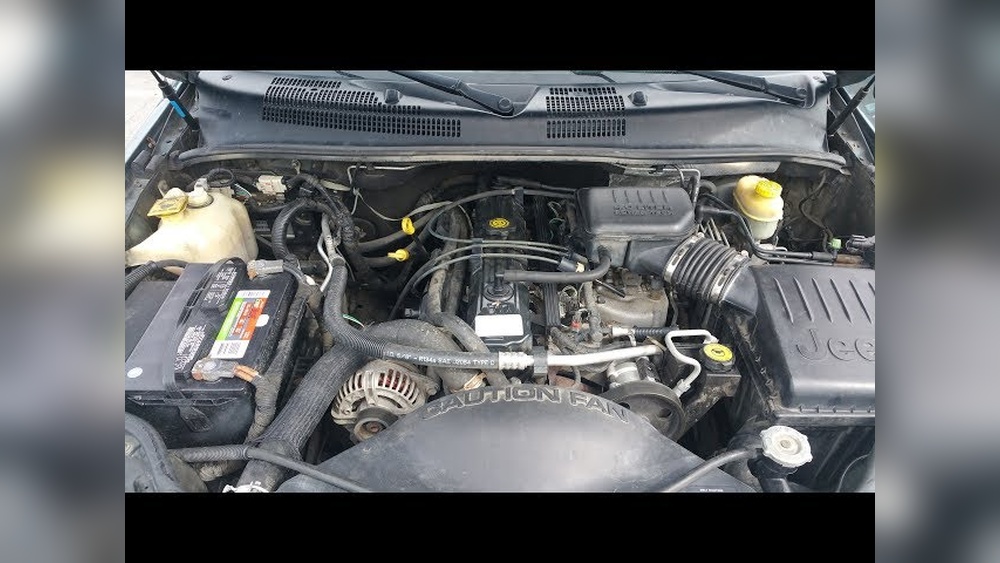
The Jeep Cherokee is a trusted SUV, known for its mix of comfort and off-road power. Yet, even the strongest vehicles rely on small details for safety.
One often overlooked detail is the lug nut torque. This simple specification can mean the difference between a safe drive and trouble on the road.
Understanding proper lug nut torque is important for anyone who changes their own tires, rotates wheels, or wants to check their mechanic’s work.
What Is Lug Nut Torque?
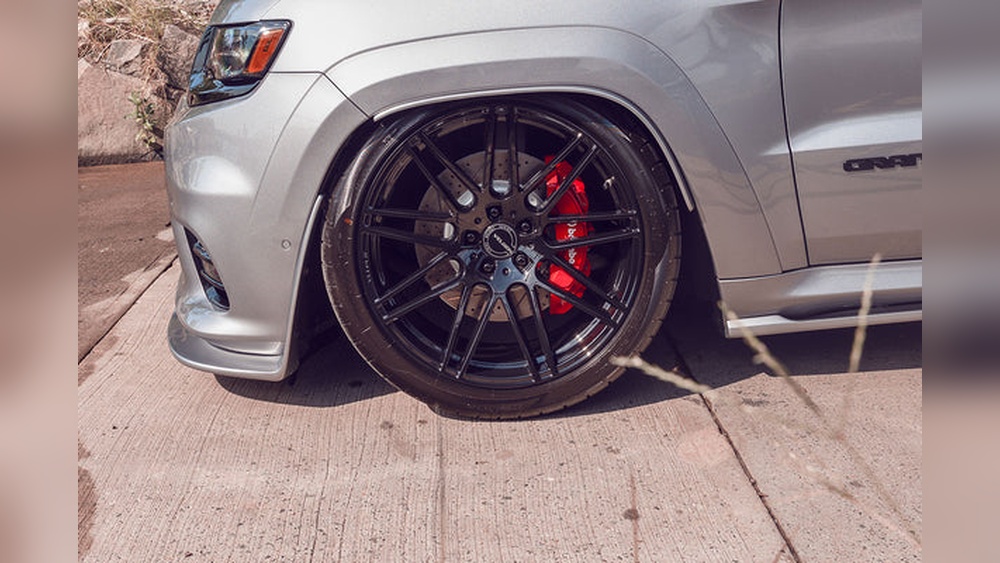
Lug nut torque is the amount of force used to tighten the wheel lug nuts that hold your wheel to the hub. It’s measured in foot-pounds (ft-lbs) in the US. The right torque keeps your wheels secure but avoids damaging the threads or warping the brake rotor.
If torque is too low, lug nuts can loosen, causing the wheel to wobble or even fall off. If it’s too high, you risk stretching the studs, damaging the nuts, or making them nearly impossible to remove in an emergency.
Factory Torque Specs For Jeep Cherokee Models
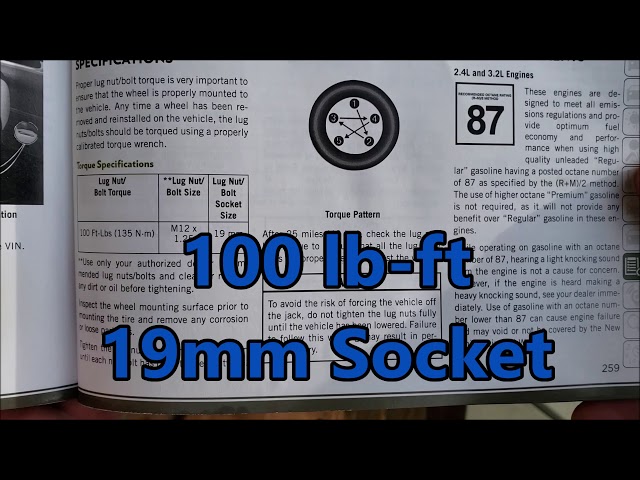
Different years and trims of the Jeep Cherokee have slightly different torque requirements. Always check your owner’s manual or the sticker inside the driver’s door. Still, most Cherokees share similar specs. Here’s a helpful summary:
| Model Year | Lug Nut Torque (ft-lbs) | Number of Lug Nuts |
|---|---|---|
| 2014–2026 | 100 | 5 |
| 2001–2013 | 95–100 | 5 |
| 1990–2000 | 85–100 | 5 |
Most newer models recommend 100 ft-lbs. Older Cherokees may list 85 or 95 ft-lbs, but 100 is a safe standard unless your manual says otherwise.

How To Torque Lug Nuts Correctly
Tightening lug nuts is not just about strength. Following the right process helps keep your wheels balanced and secure. Here’s a step-by-step guide:
- Gather the right tools. You need a reliable torque wrench (not just a tire iron).
- Hand-tighten first. Thread the nuts by hand to avoid cross-threading.
- Tighten in a star pattern. Don’t go in a circle. Tighten one nut, then move to the nut opposite it, and so on.
- Set the proper torque. Use the correct setting on your wrench (e.g., 100 ft-lbs).
- Double-check. Go around the nuts again to make sure none were missed.
Here’s a simple diagram for the 5-lug star pattern:
| Lug Position | Order to Tighten |
|---|---|
| Top | 1 |
| Lower Right | 2 |
| Upper Left | 3 |
| Lower Left | 4 |
| Upper Right | 5 |
Why Proper Torque Is Important
Using the correct Jeep Cherokee lug nut torque is about more than just following instructions. Here’s why it matters:
- Safety: Loose wheels can cause accidents. Too-tight nuts can break studs.
- Brake performance: Uneven torque can warp the brake rotor, leading to vibration.
- Longevity: Over-torquing wears out threads and hardware faster.
- Peace of mind: Knowing your wheels are properly secured helps you drive confidently.
Two things many people miss:
- Even if your wheels feel tight, small differences in torque can affect how the brake rotors wear.
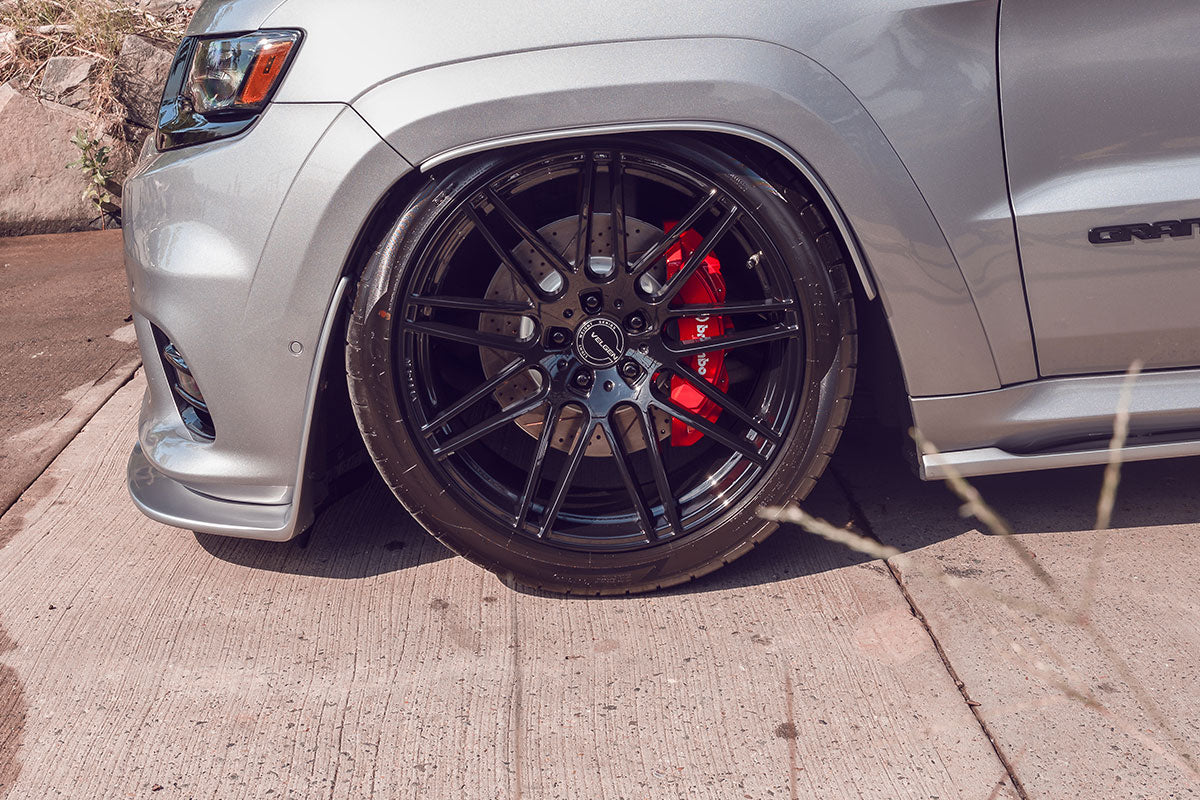
- Some aftermarket wheels and nuts need a different torque—always check if you change parts.
Common Mistakes When Torquing Lug Nuts
Even experienced DIYers make errors that can lead to problems. Watch out for these:
- Using an impact gun to finish tightening. Impact tools are great for removing nuts, but they can easily over-torque or unevenly tighten when used to finish the job.
- Skipping the re-torque. After driving 50–100 miles on new wheels or after a tire rotation, recheck the torque. This helps catch any settling or movement.
- Ignoring rust or dirt. Dirty studs can give a false torque reading. Always clean threads before installing nuts.
- Guessing the torque. “Hand tight” is rarely accurate enough. Use a torque wrench for best results.
Jeep Cherokee Lug Nut Torque Vs. Other Suvs
How does the Cherokee compare to similar SUVs? Here’s a quick look:
| Vehicle | Lug Nut Torque (ft-lbs) |
|---|---|
| Jeep Cherokee | 100 |
| Ford Escape | 100 |
| Toyota RAV4 | 76 |
| Honda CR-V | 80 |
The Cherokee’s torque is higher than some Japanese models, which means you can’t always use the same setting for every SUV.
Tips For Keeping Your Cherokee’s Wheels Secure
- Check torque regularly, especially after tire service or rotation.
- Replace worn or rusted nuts and studs to keep torque accurate.
- Use a quality torque wrench and calibrate it yearly.
- If you upgrade to aftermarket wheels, confirm if the torque spec changes.
Many tire shops rush through wheel installs. Taking a few minutes to check the torque yourself can prevent expensive or dangerous problems later.
When To Seek Professional Help
If you feel vibration, hear clunking near the wheels, or see rusted or damaged studs, get your Cherokee checked by a pro. It’s also smart to let a mechanic check torque if you have any doubt.
For official specifications and further reading, visit the Jeep Maintenance Page.
Frequently Asked Questions
What Size Are The Lug Nuts On A Jeep Cherokee?
Most Jeep Cherokees use 19mm (3/4 inch) hex lug nuts. Always double-check if you have aftermarket wheels or a special trim.
Should I Use Anti-seize On Jeep Cherokee Lug Nuts?
No. Jeep recommends not using anti-seize. It can change the torque reading and risk over-tightening.
How Often Should I Check My Lug Nut Torque?
Check after any wheel service, and then again after driving 50–100 miles. It’s smart to check at least twice a year.
Can I Hand-tighten My Lug Nuts Without A Torque Wrench?
Hand-tight is better than loose, but it’s not precise. Use a torque wrench to be sure your wheels are secure and safe.
Is It Okay To Use An Impact Wrench For Tightening?
You can use an impact wrench to snug the nuts, but always finish with a torque wrench. Impact tools can easily over-tighten or damage threads.
Taking care of the little things, like proper lug nut torque, keeps your Jeep Cherokee safe and ready for anything. A few minutes with a torque wrench can save you from big problems down the road.