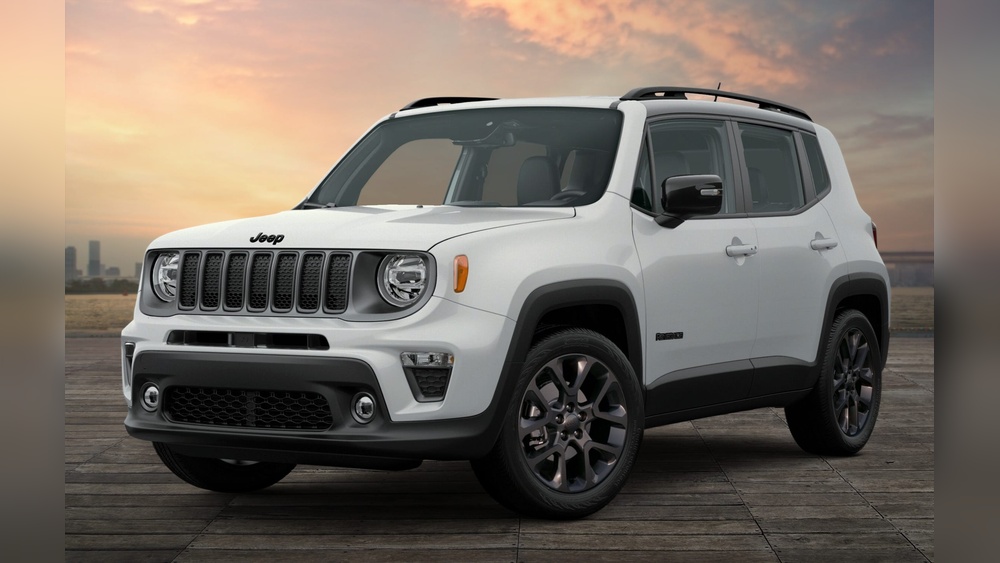
The Jeep Cherokee Latitude is a popular choice for drivers who want a versatile SUV that can handle both daily commutes and weekend adventures. While the Latitude trim offers a great balance of features and affordability, many owners look for ways to enhance its appearance and protection.
One of the most common and effective ways to do this is by upgrading or replacing the wheel covers.
Wheel covers, sometimes called hubcaps, are designed to fit over your Jeep’s steel wheels, giving them a more polished and finished look. They also offer a layer of protection against minor road debris and curb scrapes. For the Cherokee Latitude, choosing the right wheel covers can make a significant difference in the overall aesthetics and even the perceived value of your vehicle. This article will explore everything you need to know about Jeep Cherokee Latitude wheel covers, from understanding their purpose and types to selecting the best options and maintaining them.
Understanding The Role Of Wheel Covers
Wheel covers serve a dual purpose: aesthetic enhancement and basic protection. They are essentially decorative caps that fit over the exposed lugs and the center of a steel wheel. While alloy wheels often come with their own unique designs, steel wheels, common on base or mid-level trims like the Latitude, can look rather plain without them.
Aesthetic Appeal
The primary reason many drivers opt for wheel covers is to improve the visual appeal of their vehicle. A good set of wheel covers can make an older vehicle look newer or simply give a more stylish appearance to a standard set of steel wheels. For the Jeep Cherokee Latitude, which is often seen as a practical and capable vehicle, adding custom wheel covers can inject a personal touch and elevate its overall look. Whether you prefer a sleek, modern design or something more rugged to match the Jeep’s off-road heritage, there’s a wheel cover style to suit your taste.
Protection Against Damage
Beyond looks, wheel covers offer a practical protective function. They act as a shield for the wheel lugs and the center hub of the wheel. This protection is particularly important in areas where roads might be exposed to salt, sand, or mud. These elements can cause corrosion and wear on the metal components of the wheel assembly. Wheel covers help to keep these parts cleaner and reduce the risk of damage from minor impacts, such as brushing against a curb. While they won’t protect against major impacts or deep scratches, they provide a valuable first line of defense for the more vulnerable parts of the wheel.
Types Of Wheel Covers For Jeep Cherokee Latitude
When you start looking for Jeep Cherokee Latitude wheel covers, you’ll notice there are several types and styles available. Understanding these differences will help you make an informed decision.
Factory Vs. Aftermarket Wheel Covers
Factory wheel covers are those designed and manufactured by Jeep or its authorized suppliers. They are typically made to perfectly match the original equipment specifications for your specific Cherokee Latitude model year. The advantage here is a guaranteed fit and a look that is consistent with the original design. However, they can sometimes be more expensive, and the selection of styles might be limited.
Aftermarket wheel covers, on the other hand, are produced by third-party companies. This category offers a vast array of designs, materials, and price points. You can find everything from simple, elegant replacements for lost or damaged covers to more elaborate, custom-look designs that can dramatically change the appearance of your Jeep. The key with aftermarket options is to ensure they are compatible with your Latitude’s wheel size and type.
Material And Durability
Wheel covers are most commonly made from plastic (ABS) or metal (chrome-plated steel or aluminum).
- ABS Plastic: This is a very common material for wheel covers due to its durability, light weight, and affordability. ABS plastic can be molded into various intricate designs and is often finished with a chrome-like coating or painted in different colors. While durable for everyday use, ABS plastic can become brittle in extreme cold or be susceptible to damage from harsh impacts.
- Metal: Chrome-plated steel or aluminum wheel covers tend to be more robust and offer a higher-quality, shinier finish. They are generally more resistant to cracking and can provide a more premium look. However, they are also heavier and can be more expensive. Chrome finishes, while attractive, can sometimes be prone to flaking or corrosion over time if not properly maintained.
Design Styles
The design of a wheel cover can significantly alter the look of your Jeep Cherokee Latitude. Common styles include:
- OEM Replica: These covers mimic the original factory designs, offering a seamless replacement or upgrade if you’re looking for the stock appearance.
- Chrome/Silver Finish: These are the most popular choices, providing a bright, reflective look that can make the wheels stand out. They often feature multiple spokes or intricate patterns.
- Black/Matte Finish: For a more aggressive or stealthy look, black or matte finish wheel covers are a great option. They can complement darker paint colors or add a sporty contrast to lighter ones.
- Custom Designs: Some aftermarket options feature unique spoke patterns, two-tone finishes, or even simulated lug nut designs to mimic the look of expensive alloy wheels.
Key Factors When Choosing Jeep Cherokee Latitude Wheel Covers
Selecting the right wheel covers for your Jeep Cherokee Latitude involves considering several practical aspects beyond just appearance. A poor fit or low-quality material can lead to frustration and even damage.
Wheel Size Compatibility
This is the most critical factor. Jeep Cherokee Latitude models come with specific wheel sizes, typically ranging from 17 inches to 18 inches. You must ensure that the wheel covers you purchase are designed for the exact wheel diameter of your vehicle. Wheel covers are not universal; they are sized to fit snugly over a specific diameter wheel.
- Check your current wheels: Look for the size stamped on the sidewall of your tire. It will appear as a number followed by ‘R’ and then another number (e.g., 225/60R17). The ’17’ in this example indicates a 17-inch wheel.
- Verify with product specifications: When shopping for wheel covers, always check the product description for the compatible wheel size. Most reputable sellers will clearly list this information.
Fitment And Attachment Mechanism
Wheel covers attach to the steel wheel in different ways. Understanding this ensures a secure and stable fit.
- Clip-on: Most common type. These covers have clips or tabs around the inner edge that grip the lip of the steel wheel. Some clips are spring-loaded for a tighter fit.
- Bolt-on: Less common for basic wheel covers, but some designs might require bolting directly to the wheel’s lug nut holes for a more secure, permanent attachment.
- Full Cap vs. Lug Nut Cover: Some products are just cosmetic caps that fit over the center hub and lug nuts, while others are full wheel covers designed to encase the entire steel wheel face.
A proper fit is essential. Loose wheel covers can rattle, fall off, or even cause damage to the wheel itself.
Look for covers with a reputation for a secure fit, and read reviews from other Jeep Cherokee owners if possible.
Durability And Material Quality
As mentioned earlier, the material impacts durability.
- ABS Plastic: Good for everyday driving, resistant to minor impacts. Look for covers with a thick, high-quality plastic and a robust coating (like triple-chrome plating) for longevity.
- Metal: Offers greater strength and a more premium feel but can be heavier and more susceptible to dents from significant impacts.
Consider your driving conditions. If you frequently drive on rough roads or are prone to bumping curbs, a more durable material might be worth the extra cost.
Ease Of Installation And Removal
Most clip-on wheel covers are designed for DIY installation. However, some can be quite stiff and require some effort to snap into place. Conversely, some might be too loose.
- Installation: Usually involves aligning the cover with the valve stem and pressing firmly around the edge until all clips engage. Some might require a rubber mallet for a gentle tap.
- Removal: Often requires prying the cover off carefully, usually starting from behind the spokes or at the edge. Using a flathead screwdriver can sometimes damage the cover or wheel if not done carefully.
If you plan to swap covers frequently or remove them for cleaning, look for designs known for easier installation and removal.
Style And Aesthetics
This is where personal preference comes in. Think about the overall look you want for your Jeep Cherokee Latitude.
- Subtle Upgrade: If you just want to replace a damaged cover or add a bit more polish, an OEM replica or a simple chrome design is a good choice.
- Bold Statement: If you want to make your Jeep stand out, consider more aggressive designs, black finishes, or styles that mimic aftermarket alloy wheels.
Consider your Jeep’s color. A chrome finish can add brightness to a dark vehicle, while a black finish can create a sleek, unified look on a black or dark gray Jeep.
Price And Value
Wheel covers range significantly in price, from under $100 for a set of basic plastic covers to several hundred dollars for high-quality metal or intricate custom designs.
- Budget Options: Basic ABS plastic covers offer an affordable way to refresh your wheels.
- Mid-Range: Look for well-reviewed ABS plastic with good finishes or entry-level metal options.
- Premium: High-quality chrome-plated steel or aluminum covers, or those with unique designs, will be at the higher end.
When evaluating price, consider the material, finish quality, brand reputation, and warranty. A slightly more expensive set of durable, well-fitting covers might offer better long-term value than cheaper alternatives that fade, crack, or fall off quickly.
Popular Wheel Cover Options For Jeep Cherokee Latitude
While specific product availability can change, certain styles and brands consistently perform well for Jeep Cherokee Latitude owners. Here are some categories and considerations for popular choices:
1. Oem-style Replacements
If you’ve lost a wheel cover or yours is damaged, replacing it with an OEM-style cover is often the most straightforward option. These are designed to look exactly like the original factory covers.
- Pros: Perfect fit, matches original look, no surprises.
- Cons: Can be pricier than generic aftermarket, limited design choices.
- Where to find: Jeep dealerships, Mopar parts suppliers, and many online auto parts retailers specializing in OEM replacements.
- Example: For a 2019 Jeep Cherokee Latitude, you might search for “2019 Jeep Cherokee 17-inch OEM wheel cover.”
2. Chrome Finish Wheel Covers
Chrome is a timeless choice that adds shine and a premium feel. Many aftermarket manufacturers offer chrome wheel covers in various spoke patterns.
- Pros: Bright, attractive finish; widely available in many designs; can make standard wheels look like alloys.
- Cons: Chrome plating can eventually chip or corrode if not maintained; can be prone to scratches.
- Example Designs:
- 10-Spoke Chrome: A classic design that offers good coverage and a sporty look.
- Wire Spoke Chrome: Mimics the look of vintage wire wheels for a unique retro style.
- Mesh/Grid Chrome: Features a pattern that resembles a fine mesh or grid, offering a sophisticated appearance.
- Considerations: Look for triple-chrome plating for better durability and shine. Ensure the clips are robust and designed for a secure fit.
3. Black Or Matte Finish Wheel Covers
For a more modern, aggressive, or understated look, black or matte finish wheel covers are increasingly popular.
- Pros: Modern aesthetic; hides brake dust better than chrome; can create a stealthy or sporty look.
- Cons: Can show scratches more readily than chrome; may not suit all vehicle colors.
- Example Designs:
- Matte Black: A sophisticated, non-reflective finish.
- Gloss Black: Offers a high-shine, piano-black look.
- Two-Tone Black/Machined: Combines black with a machined silver or grey accent for added depth.
- Considerations: Matte finishes can sometimes be harder to clean. Ensure the black coating is durable and resistant to chipping.
4. Simulated Alloy Wheel Covers
These are aftermarket covers designed to closely resemble the look of expensive alloy wheels. They often feature complex spoke designs and simulated lug nut details.
- Pros: Can significantly upgrade the appearance of steel wheels at a fraction of the cost of real alloys.
- Cons: Can sometimes look less convincing up close; material quality varies greatly.
- Example Designs: Many mimic popular aftermarket wheel styles with intricate designs and multiple spokes.
- Considerations: Read reviews carefully to gauge how realistic the finish appears and how durable the covers are. Some may be made of heavier gauge ABS or even metal for a more substantial feel.
Installation Guide: Putting On Your New Wheel Covers
Installing new wheel covers on your Jeep Cherokee Latitude is usually a straightforward process that most owners can do themselves. Here’s a general step-by-step guide:
Preparation
- Clean Your Wheels: Before installing new covers, thoroughly clean your steel wheels. Remove any dirt, brake dust, or grime. This ensures a clean surface for the covers and makes the process more pleasant.
- Identify Valve Stem: Locate the tire’s valve stem. Most wheel covers have a cutout or a specific notch designed to accommodate the valve stem. Aligning this is key to proper placement.
- Gather Tools (If Needed): While most covers push on by hand, you might occasionally need a rubber mallet or a flathead screwdriver (used very carefully) for stubborn clips or removal.
Installation Steps
- Position the Cover: Hold the wheel cover up to the wheel. Align the valve stem cutout on the cover with the actual valve stem on your wheel.
- Engage the Clips: Start by pressing one side of the wheel cover firmly onto the wheel’s rim. Then, work your way around, pressing firmly on the opposite side and then the remaining sections. You should feel or hear the clips engaging with the edge of the steel wheel.
- Secure the Cover: Once positioned, apply even pressure all around the edge of the wheel cover. Push firmly and steadily. If the cover has spring-loaded clips, you’ll feel them flex and then snap into place.
- Check for Fit: Gently try to wiggle the wheel cover. It should feel snug and secure with no significant play. If it feels loose, remove it and try again, ensuring all clips are properly seated. Sometimes, rotating the cover slightly can help the clips find their optimal position.
- Tap Gently (If Necessary): If the cover is still not fully seated, you can use a rubber mallet to gently tap around the perimeter of the cover. Start with light taps and increase pressure only if needed, ensuring you don’t damage the cover or wheel.