If you own a Jeep Cherokee Latitude, you know how important smooth driving feels. But did you know that regular transmission fluid checks can save you from costly repairs? Many drivers overlook this simple step, but it’s essential for your SUV’s long-term health. Let’s explore how to check the transmission fluid in your Jeep Cherokee Latitude, why it matters, and what can go wrong if you ignore it.
Why Transmission Fluid Matters
Your transmission is one of the most expensive parts of your vehicle. The transmission fluid is its lifeblood, keeping everything cool and lubricated. In the Jeep Cherokee Latitude, the fluid does much more than just prevent friction. It also helps your car shift gears smoothly, especially in stop-and-go traffic.
Low or old fluid can lead to:
- Rough or delayed gear shifts
- Overheating
- Strange noises like whining or clunking
- Complete transmission failure
Replacing a transmission can cost over $3,000, while fluid checks are usually free or cost less than $100 at a shop.
When To Check Transmission Fluid
Most experts recommend checking your transmission fluid every 30,000 to 60,000 miles, but it’s smart to look more often if you drive in tough conditions. For example, if you tow heavy loads, drive off-road, or often sit in traffic, check it twice a year.
Here’s a quick reference for Jeep Cherokee Latitude:
| Mileage Interval | Check Frequency | Notes |
|---|---|---|
| 0–30,000 miles | Once a year | Normal driving |
| 30,000–60,000 miles | Every 6 months | If towing/off-roading |
| 60,000+ miles | Every oil change | Older vehicles |

How To Check Jeep Cherokee Latitude Transmission Fluid
Unlike some older vehicles, many newer Jeep Cherokees have a sealed transmission system with no traditional dipstick. This makes checking the fluid a bit different but still possible. Here’s how you can do it:
- Park on Level Ground: Make sure your Jeep is on a flat surface. Engage the parking brake.
- Warm Up the Engine: Run the engine until it reaches normal operating temperature. This helps get an accurate reading.
- Locate the Transmission Fluid Plug: Most models have a small plug at the bottom or side of the transmission pan. Check your owner’s manual for the exact location.
- Lift the Vehicle Safely: If needed, use a jack and jack stands. Never crawl under a car supported only by a jack.
- Remove the Plug Carefully: Use gloves and be ready for some fluid to drip out. If no fluid drips, your level may be low.
- Check Fluid Level and Color: The fluid should be up to the bottom of the plug hole and look bright red or pink. Dark or burnt-smelling fluid means it’s time to change it.
Here’s a quick comparison of good and bad fluid:
| Good Fluid | Bad Fluid |
|---|---|
| Bright red/pink color | Brown, dark, or black |
| Sweet or neutral smell | Burnt or sour odor |
| Clear, not cloudy | Cloudy or gritty |
Tip: Always use the correct transmission fluid. Jeep Cherokees often use ATF+4, but check your manual.
What If My Jeep Has No Dipstick?
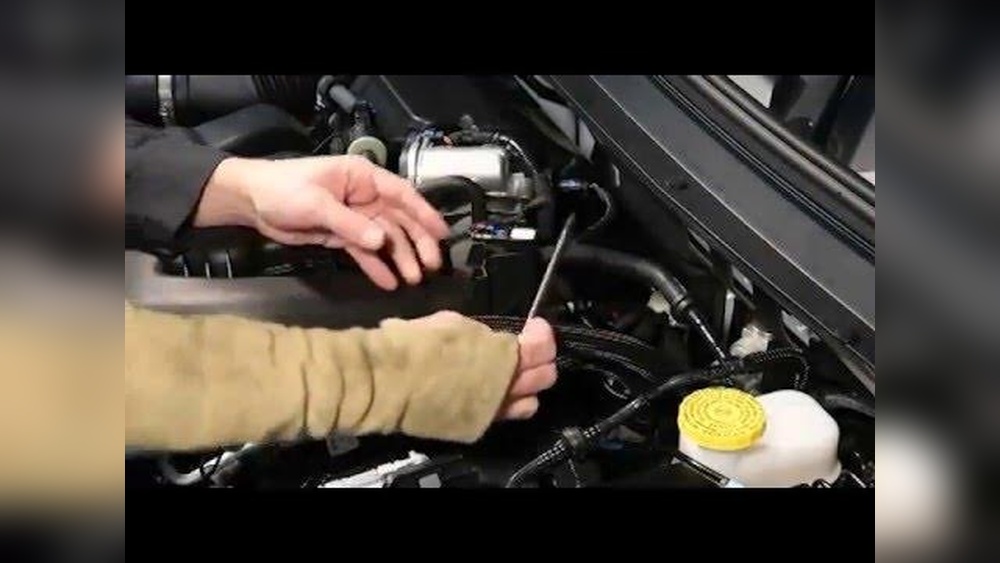
Some Jeep Cherokee Latitude models have a sealed transmission with no dipstick. In these cases, you may need a special tool or a trip to the dealership.
Do not try to force open any part not designed for owner checks.
Opening the wrong plug can cause leaks or damage.
If you want to do it yourself:
- Buy a fluid level tool that fits your model.
- Follow instructions closely.
- Never overfill—too much fluid can harm the transmission.
Signs Of Low Or Bad Transmission Fluid
Don’t wait for warning lights. Your Jeep may be telling you something’s wrong before you notice a dashboard alert. Watch for:
- Hard or delayed shifting
- Slipping gears
- Unusual noises when changing gears
- Fluid leaks under your vehicle
Ignoring these signs can lead to much bigger issues. For example, overheating can damage the transmission’s internal parts in just minutes.
Common Mistakes To Avoid
Many drivers make simple errors when checking or adding transmission fluid. Here are mistakes to avoid:
- Using the Wrong Fluid: Even a small amount of incorrect fluid can cause problems.
- Checking When Cold: Always check when the engine is warm unless your manual says otherwise.
- Overfilling: Too much fluid is as bad as too little.
- Missing Leaks: If you see red spots under your car, get it checked immediately.

Professional Help Vs. Diy
Some jobs are best left to experts. If you’re not comfortable working under your vehicle or your Jeep has a sealed system, go to a trusted mechanic. They have the right tools and know-how.
Here’s a cost comparison:
| Service | DIY Cost | Shop Cost |
|---|---|---|
| Transmission fluid check | $0–$10 | $50–$100 |
| Transmission fluid change | $40–$80 | $150–$250 |
Remember, some warranties require professional service records.
Frequently Asked Questions
How Often Should I Check Jeep Cherokee Latitude Transmission Fluid?
Check every 30,000 to 60,000 miles or twice a year if you drive in harsh conditions. Older vehicles need more frequent checks.
Can I Use Any Transmission Fluid Brand?
No, always use the ATF+4 or the fluid type listed in your manual. The wrong fluid can damage your transmission.
What If My Cherokee Has A Sealed Transmission?
Sealed transmissions have no dipstick. You’ll need a special tool or a mechanic to check the fluid.
Never try to open sealed units without proper knowledge.
What Are Signs Of Bad Transmission Fluid?
Look for dark color, burnt smell, slipping gears, or rough shifting. These are signs you need to change the fluid soon.
Where Can I Find The Official Jeep Service Manual?
You can find it on the official Mopar owner site for accurate procedures.
Regular transmission fluid checks keep your Jeep Cherokee Latitude running smoothly and can prevent costly breakdowns. A few minutes of care now can save you thousands in repairs later.
Stay proactive, and your Jeep will reward you with years of reliable service.