Choosing the right oil for your Jeep Cherokee Latitude is a simple way to keep your engine strong and reliable. Many drivers wonder which oil type is best, how much they need, and if using the wrong oil could cause problems.
This guide explains everything in clear, easy language so you can maintain your Jeep without stress.
Understanding Oil Types For Jeep Cherokee Latitude
Every engine needs oil, but not just any kind will do. The Jeep Cherokee Latitude usually takes synthetic oil, which protects the engine in both hot and cold weather. For most recent models (2014 and newer), the recommended oil is SAE 0W-20 full synthetic. Older Cherokees may use 5W-20 or 5W-30. Always check your owner’s manual first.
Why synthetic? Synthetic oils resist breaking down, keep the engine clean, and help save fuel. They cost more but last longer and protect better.
Recommended Oil Specs By Year
Using the right oil grade is key. Here is a look at common Jeep Cherokee Latitude models and the oil types they use:
| Model Year | Engine | Recommended Oil Type |
|---|---|---|
| 2014-2026 | 2.4L Tigershark | 0W-20 Full Synthetic |
| 2014-2026 | 3.2L Pentastar V6 | 5W-20 Full Synthetic |
| 2011-2013 | 3.7L V6 | 5W-30 Synthetic Blend |
Most drivers will use 0W-20 or 5W-20 full synthetic. If you are unsure, look for a sticker under the hood or check the manual.
How Much Oil Does The Jeep Cherokee Latitude Need?
Getting the right amount is as important as the right type. Too much oil can harm the engine, and too little can lead to overheating.
| Engine Size | Oil Capacity (with Filter) |
|---|---|
| 2.4L Tigershark | 5.5 quarts (5.2 liters) |
| 3.2L V6 Pentastar | 6 quarts (5.7 liters) |
| 3.7L V6 | 5 quarts (4.7 liters) |
Tip: Always double-check with the dipstick after filling. Add oil slowly and avoid overfilling.
How To Change Oil In A Jeep Cherokee Latitude
Changing your oil at home saves money and teaches you about your vehicle. Here’s a step-by-step process:
- Warm up the engine for a few minutes. Warm oil drains faster.
- Turn off the engine and wait until it cools a little.
- Place a drain pan under the oil pan.
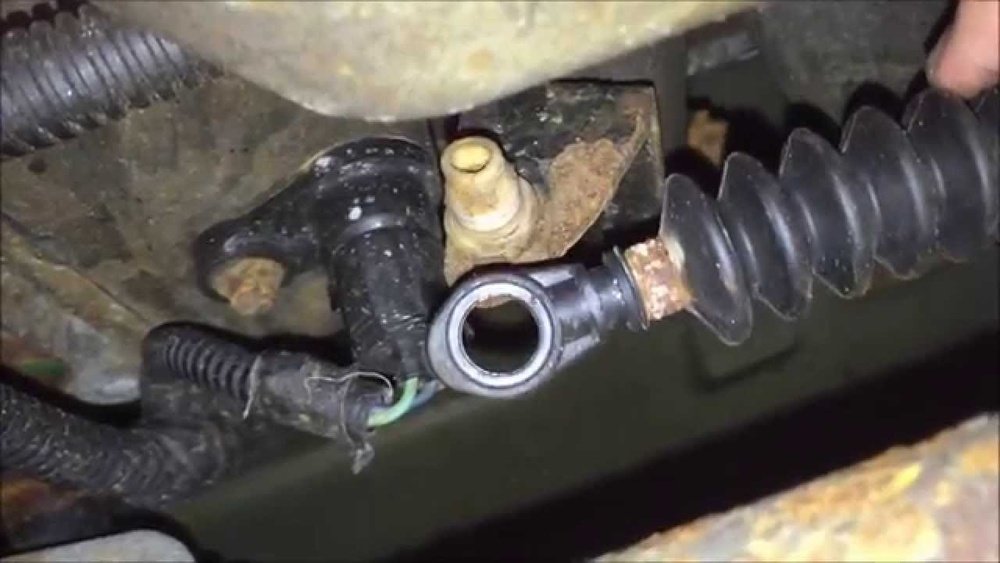
- Remove the oil drain plug and let old oil drain completely.
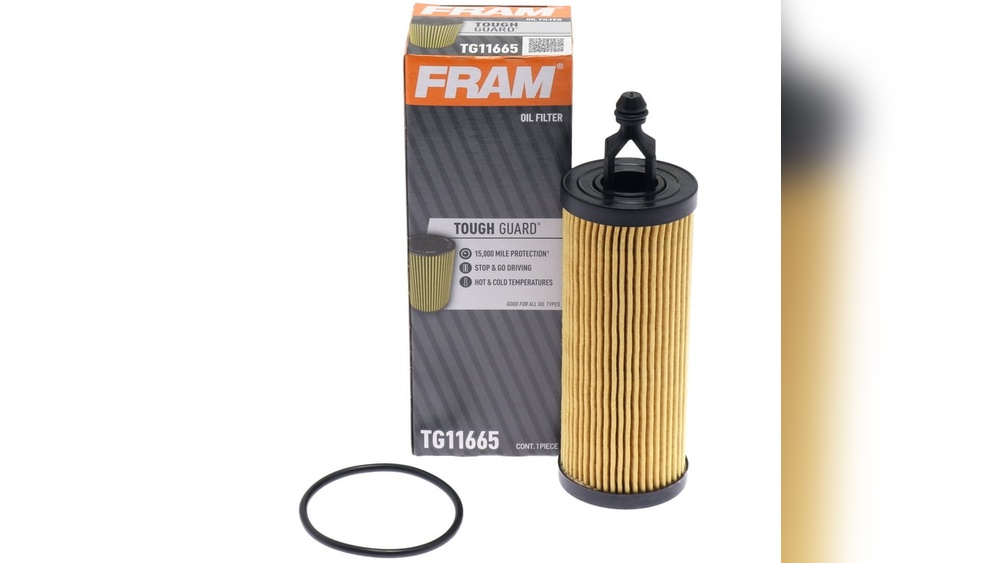
- Change the oil filter. Lubricate the new filter’s gasket with fresh oil before installing.
- Replace the drain plug and tighten securely.
- Pour in the recommended amount of new oil.
- Start the engine and let it run for 1-2 minutes.
- Check the oil level with the dipstick, add more if needed.
Dispose of old oil at a recycling center—never pour it down the drain.

Common Mistakes To Avoid
Many first-time DIYers make these errors:
- Using conventional oil instead of synthetic: This can reduce engine life.
- Skipping the oil filter: Always replace the filter with every oil change.
- Overfilling or underfilling: Both can cause engine trouble.
- Forgetting to check oil level after running the engine.
Another mistake is ignoring the oil change interval. Modern Cherokees can go 7,500-10,000 miles on synthetic oil, but severe driving (lots of short trips, towing, extreme temperatures) means you should change oil more often.
Choosing A Quality Oil Brand
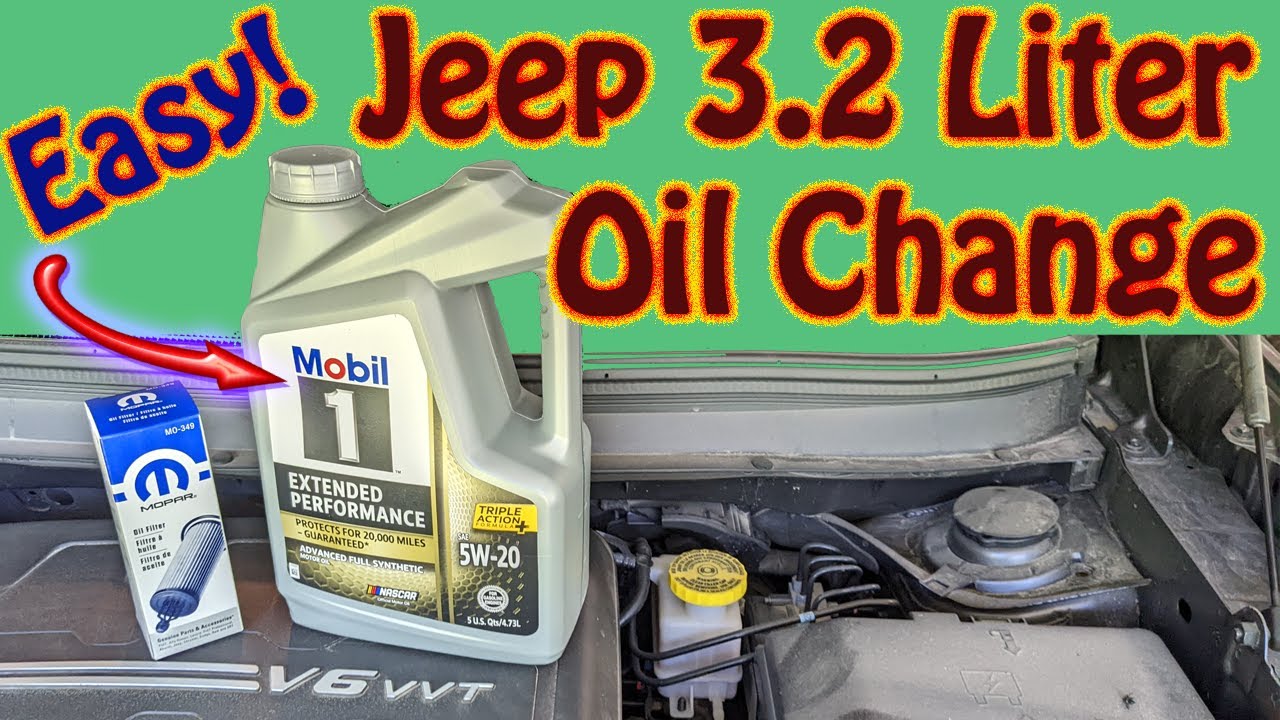
Not all synthetic oils are the same. Look for oils that meet the API SN Plus or ILSAC GF-5 standards. Popular options include:
- Mopar (official Jeep oil)
- Mobil 1
- Pennzoil
- Castrol Edge
If your Jeep is under warranty, using an approved oil can prevent future warranty issues.
Why The Right Oil Matters
Oil does more than just lubricate. It:
- Reduces engine wear
- Cleans away sludge and dirt
- Cools engine parts
- Helps your Jeep run quietly
Using the wrong oil can lead to sludge buildup, poor fuel economy, or engine damage. Modern engines are built for specific oil types, so guessing is risky.
Many people believe thicker oil is better, but for the Cherokee Latitude, this is not true. Thicker oil can make the engine work harder, especially in cold weather.
Signs You Need An Oil Change
Watch for these warning signs:
- The oil change light comes on
- Engine sounds louder or rougher
- Dark, dirty oil on the dipstick
- Burning oil smell
Don’t wait for these signs—follow the manual’s schedule. Regular changes mean fewer repairs and a longer-lasting Jeep.
Environmental Considerations
Old oil is hazardous waste. Recycling used oil is easy at most auto parts stores.
Never dump it. Proper disposal protects the environment and avoids fines.
Frequently Asked Questions