The Jeep Cherokee Laredo is known for its rugged performance and durability. But one component that often gets overlooked is the exhaust system.
Whether you drive an older XJ model or a newer Grand Cherokee Laredo, your exhaust plays a vital role in engine health, fuel economy, and the overall driving experience.
This article dives deep into what makes the Jeep Cherokee Laredo exhaust unique, how to spot problems, and how to choose or upgrade the right system for your needs.
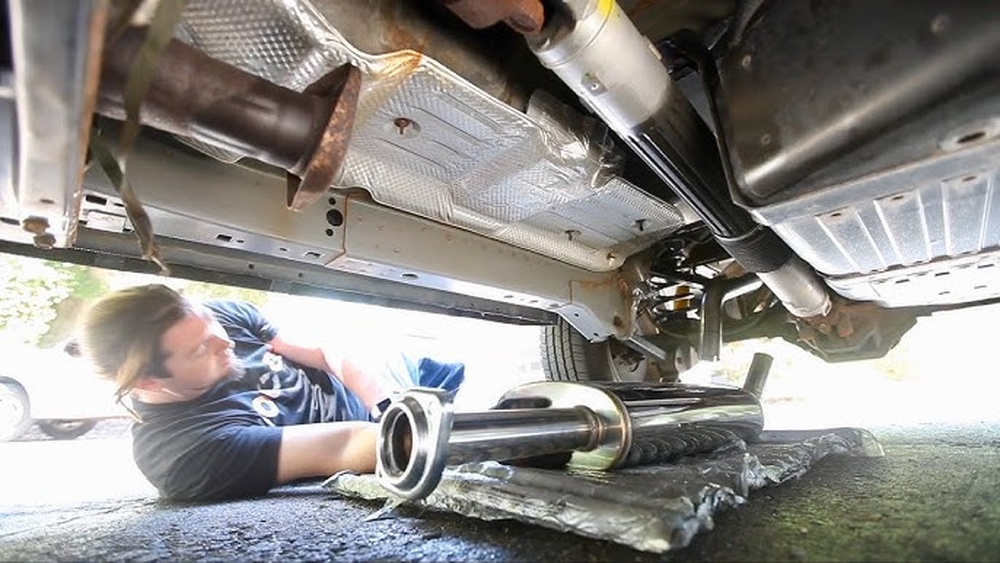
What Does The Exhaust System Do?
The exhaust system is more than just pipes and a muffler. It directs harmful gases away from the engine and passenger cabin, reduces noise, and helps your vehicle meet emission standards. For the Jeep Cherokee Laredo, the exhaust system also affects power and off-road capabilities.
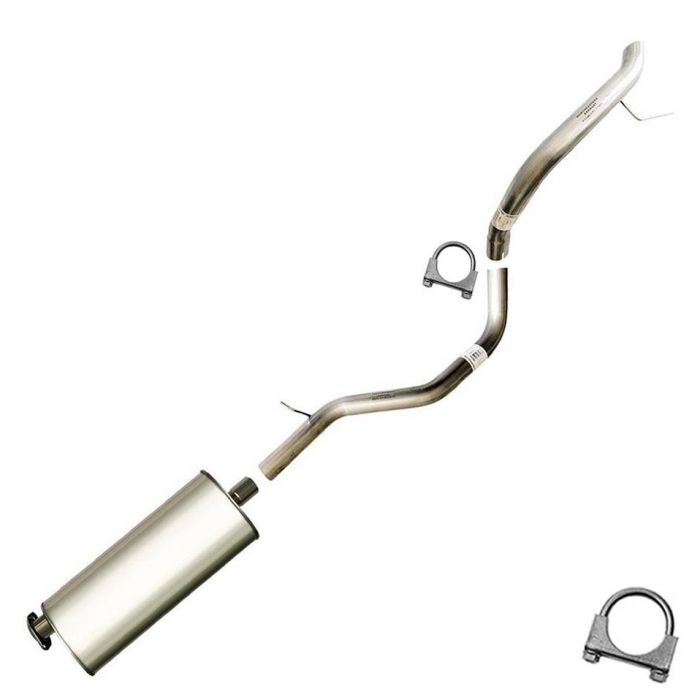
A typical exhaust system includes:
- Exhaust manifold (collects gases from cylinders)
- Catalytic converter (reduces pollution)
- Resonator (smooths out sound)
- Muffler (controls noise)
- Tailpipe (releases gases at the rear)
A well-functioning exhaust keeps your engine running smoothly and helps you pass state inspections.
Common Exhaust Issues In Jeep Cherokee Laredo
No matter how tough your Laredo is, the exhaust system can develop problems over time. Here are the most common issues:
- Rust and Corrosion: Salted winter roads and wet climates can corrode pipes, especially in older Cherokees.
- Leaks: Holes or cracks in the exhaust can cause loud noises and let dangerous gases enter the cabin.
- Clogged Catalytic Converter: Reduced power, poor acceleration, and a check engine light often point to this problem.
- Loose Components: Hangers and brackets can break, causing the system to sag or rattle.
- Failed Oxygen Sensors: These sensors help control fuel mixture and emissions. A bad sensor can lower fuel economy.
Early symptoms include a louder exhaust sound, decreased fuel efficiency, or a strong smell of exhaust. If you notice these, inspect your system right away.
Comparing Stock Vs Aftermarket Exhaust Systems
Many Jeep Cherokee Laredo owners wonder whether to stick with the original exhaust or upgrade to an aftermarket system. The table below compares the two options:
| Feature | Stock Exhaust | Aftermarket Exhaust |
|---|---|---|
| Sound Level | Quiet, factory-tuned | Louder, sporty tone |
| Performance | Standard power | Potential horsepower gains |
| Price | Lower cost | Wide price range |
| Warranty | OEM warranty | Varies by brand |
| Material | Steel, basic coating | Stainless steel or aluminized |
A stock exhaust is best for daily driving and reliability. Aftermarket systems can boost performance and style but may be noisier and cost more.
Key Factors When Choosing A Replacement Exhaust
Upgrading or replacing your Jeep Cherokee Laredo exhaust is not just about sound. Consider these important factors:
- Material: Stainless steel resists rust better than aluminized steel, making it ideal for harsh climates.
- Fitment: Always choose a system that matches your Laredo’s year, engine size, and wheelbase.
- Sound Preference: Decide if you want a quiet ride or a deep, aggressive tone.
- Legal Compliance: Some states have strict noise and emission laws. Check local regulations before upgrading.
- Budget: Costs range from $200 for basic replacements to over $1,000 for premium performance kits.
Here’s a quick comparison of exhaust materials:
| Material | Durability | Typical Price | Best For |
|---|---|---|---|
| Aluminized Steel | Good | Lower | Dry climates, budget builds |
| Stainless Steel | Excellent | Higher | Wet or snowy areas, long-term use |
A non-obvious tip: If you do a lot of off-roading, consider a high-clearance exhaust. It sits closer to the body, reducing the chance of hitting rocks or debris.
How To Maintain Your Jeep Cherokee Laredo Exhaust
Proper maintenance can extend the life of your exhaust system and prevent expensive repairs. Here’s what you should do:
- Inspect regularly: Check for rust, cracks, or loose parts every oil change.
- Listen for changes: Unusual noises often mean something is wrong.
- Wash the undercarriage: Especially after driving on salted roads.
- Replace worn hangers: A sagging exhaust can break pipes and cause leaks.
A practical insight: Spraying the exhaust with a high-temp rust inhibitor can add extra protection, especially if you live in snowy regions.
How To Replace Or Upgrade The Exhaust
Most Jeep Cherokee Laredo exhaust systems are bolt-on, which makes them easier to replace than you might think. Here’s a general overview:
- Raise the vehicle: Use jack stands for safety.
- Remove old system: Unbolt at the catalytic converter and exhaust hangers.
- Install new system: Line up the new pipes, secure with clamps and hangers.
- Check for leaks: Start the engine and listen for leaks around joints.
If your Cherokee is older and the bolts are rusted, use penetrating oil before removal. For complex installations, like full headers or custom pipe routing, a professional shop is recommended.

Real-world Example
A 2014 Jeep Grand Cherokee Laredo owner upgraded from the factory exhaust to a stainless steel cat-back system. The result was a noticeable increase in throttle response, a deeper exhaust note, and slightly better highway fuel mileage.
However, the louder sound was not ideal for everyone in the family, showing that upgrades are a personal choice.
Top Exhaust Brands For Jeep Cherokee Laredo
Some popular brands known for quality and fitment include:
- MagnaFlow
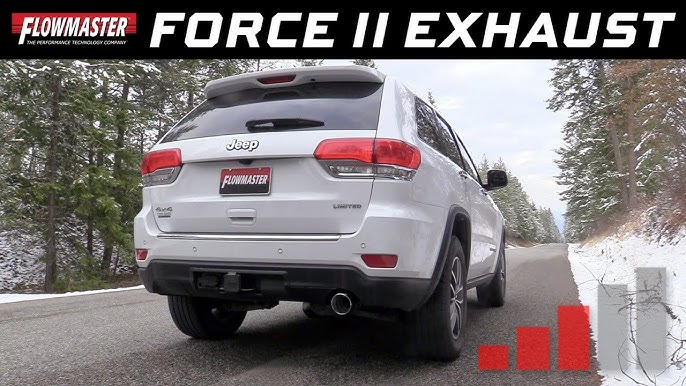
- Flowmaster
- Borla
- Walker
- Dynomax
These brands offer options for both daily drivers and off-road enthusiasts. Always read reviews and check for compatibility with your Laredo’s exact year and trim.