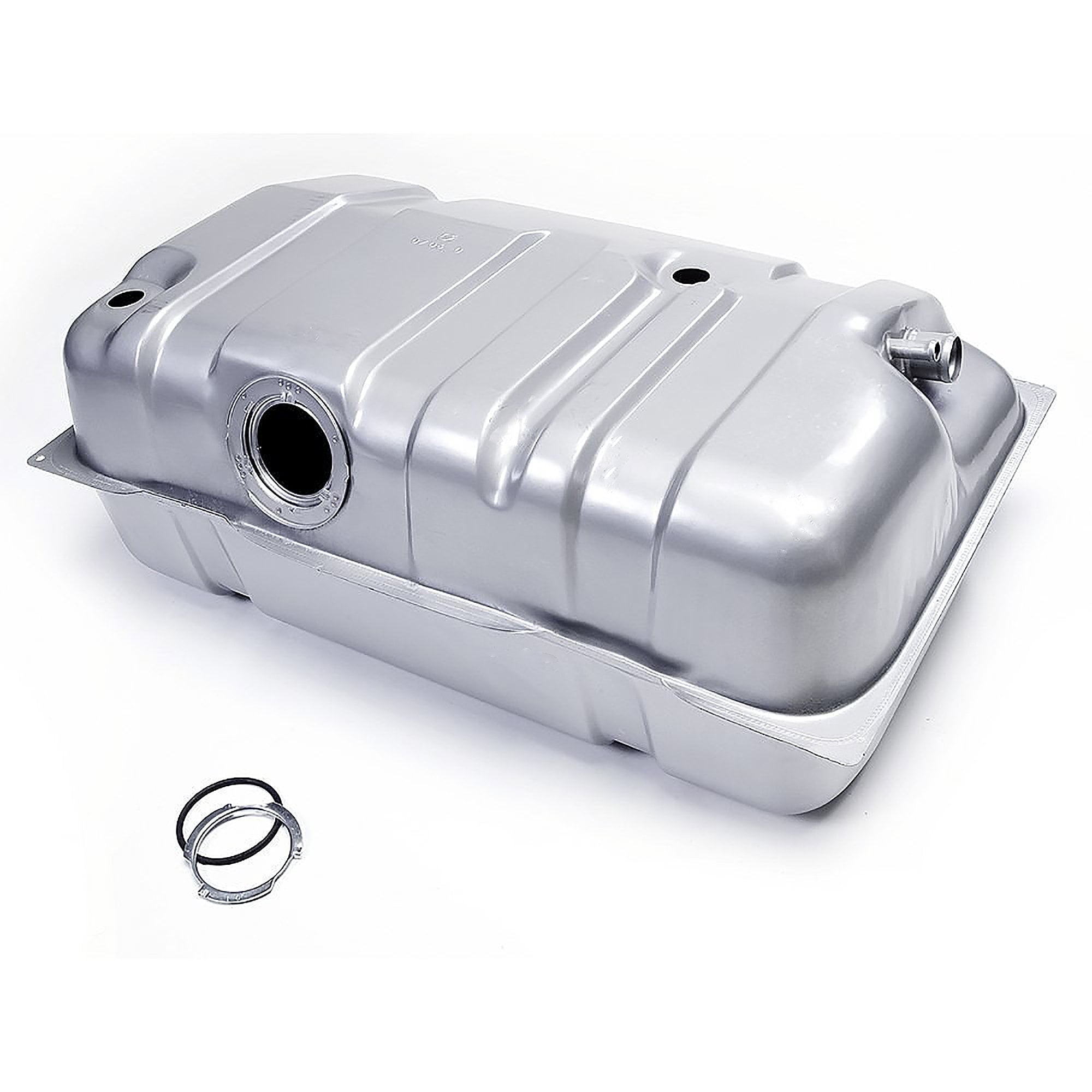
The Jeep Cherokee has been a trusted SUV for decades, known for its rugged design and versatile capabilities. One detail that matters to every driver is the fuel tank capacity.
Understanding this feature helps you plan your trips, budget for fuel, and compare with other vehicles. Whether you own a Cherokee or are thinking about buying one, knowing how much gas it holds makes a big difference.
This article breaks down the fuel tank sizes for different Cherokee models, explains what affects fuel range, and gives practical tips for maximizing your driving experience.
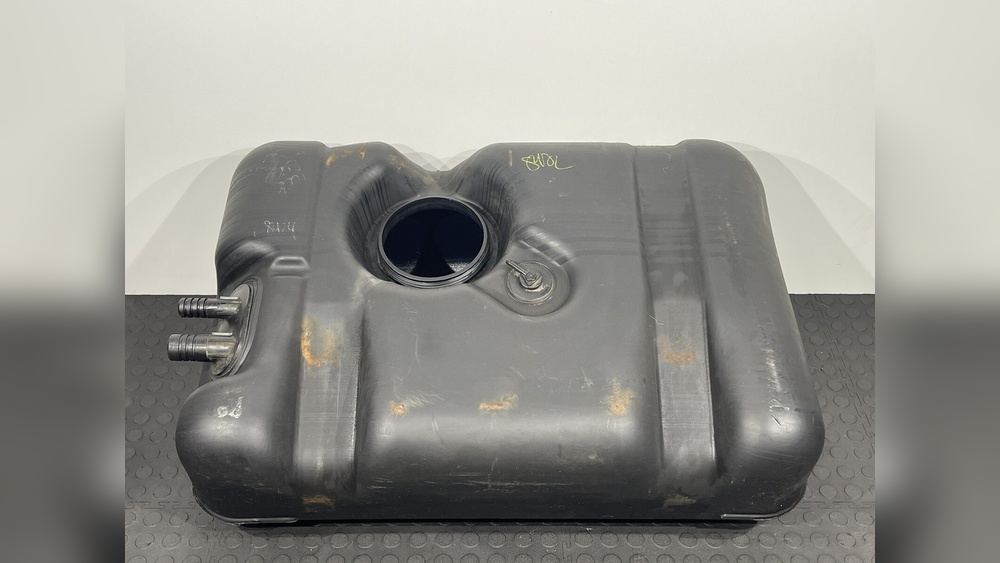
Jeep Cherokee Fuel Tank Capacity By Model Year
The fuel tank size of the Jeep Cherokee has changed over time. Different generations and trims have their own specifications. Here’s a look at the most common models:
| Model Year | Fuel Tank Capacity (Gallons) | Notes |
|---|---|---|
| 2014–2026 | 15.8 | Most trims, including Latitude and Limited |
| 2011–2013 | 20.5 | Grand Cherokee, larger tank |
| 2001–2010 | 20.0 | Earlier Grand Cherokee models |
| 1997–2001 | 20.2 | Classic Cherokee XJ |
| 1992–1996 | 20.0 | Standard for most trims |
| 1984–1991 | 13.5 / 20.2 | Two tank sizes: base and optional |
Most recent Jeep Cherokee models, especially those produced from 2014 onwards, come with a 15.8-gallon tank. Older versions, especially Grand Cherokee, offer larger tanks for extended range.
Factors Influencing Fuel Range
A bigger tank doesn’t always mean longer trips. Other factors play a role in how far you can go on a full tank:
| Factor | Impact |
|---|---|
| Engine type | V6 engines use more fuel than 4-cylinder |
| Driving habits | Aggressive acceleration lowers mpg |
| Terrain | Off-road or mountainous areas decrease efficiency |
| Payload | Heavy cargo increases fuel consumption |
| Tire pressure | Low pressure reduces efficiency |
For example, a Cherokee with a 15.8-gallon tank and an average of 25 mpg can travel about 395 miles on a full tank. However, real-world conditions may change this estimate.
Comparing Cherokee Fuel Tanks With Other Suvs
Jeep Cherokee owners often wonder how their SUV stacks up against competitors. Here’s a comparison with similar vehicles:
| Model | Fuel Tank Capacity (Gallons) | Estimated Range (Miles) |
|---|---|---|
| Jeep Cherokee | 15.8 | 395 |
| Honda CR-V | 14.0 | 420 |
| Toyota RAV4 | 14.5 | 435 |
| Ford Escape | 15.7 | 400 |
| Chevrolet Equinox | 15.6 | 420 |
While the Cherokee has a slightly larger tank than some rivals, its range depends on fuel efficiency. The Toyota RAV4, for example, can travel farther on a smaller tank due to better mileage.
Real-world Insights For Jeep Cherokee Owners
Many drivers assume a larger fuel tank means fewer stops. But there are a few non-obvious insights to keep in mind:
- Tank design changes: Not all Cherokees have the same tank shape. Some older models have deeper tanks that are harder to fill completely.
- Reserve fuel: The Cherokee’s fuel gauge often shows empty before the tank is dry. There’s usually 1–2 gallons left, giving extra miles if needed.
- Fuel quality matters: Using higher-quality gasoline can improve efficiency and even extend engine life.
- Cold weather effect: In winter, fuel efficiency drops. Plan for shorter trips between refueling.
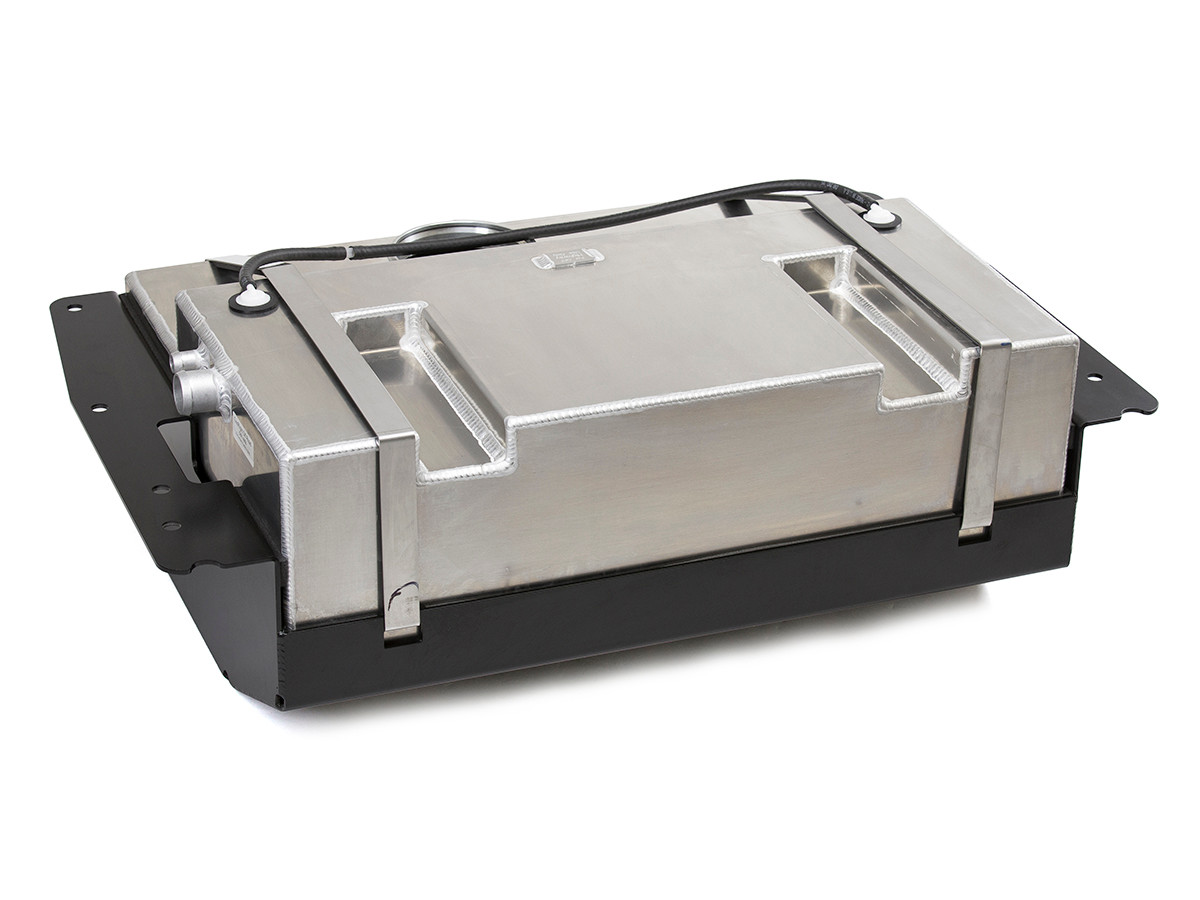
- Aftermarket upgrades: Some owners install larger tanks or auxiliary fuel systems for off-road adventures, but this can affect warranty and weight.

Tips For Maximizing Your Cherokee’s Fuel Range
You can get more miles out of every gallon with a few smart habits:
- Keep tires properly inflated: This reduces resistance and boosts mpg.
- Drive smoothly: Avoid sudden stops and starts.
- Limit extra weight: Remove roof racks when not needed.
- Use cruise control: Helps maintain steady speed on highways.
- Check for leaks: Older Cherokees sometimes have fuel tank leaks; regular checks prevent waste.
One more tip: Don’t rely only on the dashboard estimate for fuel range. It can change quickly based on your driving style and conditions.
Frequently Asked Questions