Replacing the fuel pump in a Jeep Cherokee is a job many owners face as their vehicle ages. A failing pump can lead to engine stalling, trouble starting, or poor performance.
While the task might seem challenging, understanding the process, tools, and costs makes it easier. This guide will help you decide if you should tackle the job yourself or seek a professional, and give you practical advice to avoid common mistakes.
Understanding The Fuel Pump In Your Jeep Cherokee
The fuel pump is responsible for moving fuel from the tank to the engine. In the Jeep Cherokee, especially models from the late 1990s to 2010s, this pump is typically located inside the fuel tank. When it fails, the vehicle may not start or may stall unexpectedly. Early signs include sputtering at high speeds, loss of power under load, or unusual whining noises from the tank area.
Common Symptoms Of A Failing Fuel Pump
- Engine misfires or stalling
- Difficulty starting
- Sudden loss of power
- No sound when turning the ignition key
Knowing these signs helps you diagnose the issue before it becomes serious.
Tools And Parts Needed For Fuel Pump Replacement
Preparation is key to a smooth replacement. Here’s what you’ll need:
- New fuel pump (OEM or quality aftermarket)
- Flathead screwdriver
- Socket wrench set
- Jack and jack stands
- Safety goggles and gloves
- Fuel line disconnect tool
- Container for draining fuel
Average Cost Breakdown
Replacing a fuel pump can cost anywhere from $250 to $700, depending on whether you do it yourself or hire a mechanic. Here’s a comparison:
| Replacement Type | Parts Cost | Labor Cost | Total Cost |
|---|---|---|---|
| DIY | $90-$180 | $0 | $90-$180 |
| Professional | $90-$180 | $160-$520 | $250-$700 |
If you’re comfortable with car repairs, DIY is much cheaper.
Step-by-step Fuel Pump Replacement Guide
Before you start, work in a well-ventilated area and disconnect the battery for safety. Here’s a simplified process for most Cherokee models:
- Relieve fuel system pressure. Remove the fuel pump fuse and run the engine until it stops.
- Raise the vehicle. Use a jack and secure with stands.
- Remove the fuel tank. Disconnect fuel lines, electrical connectors, and straps holding the tank.
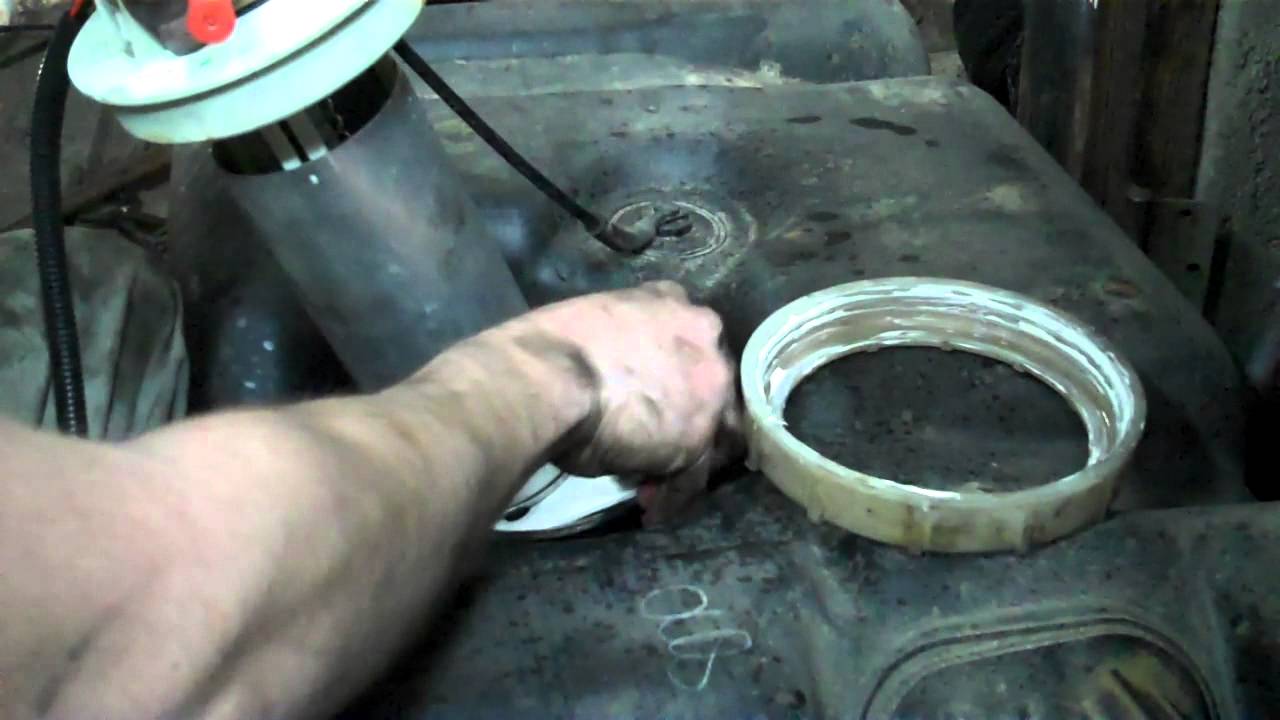
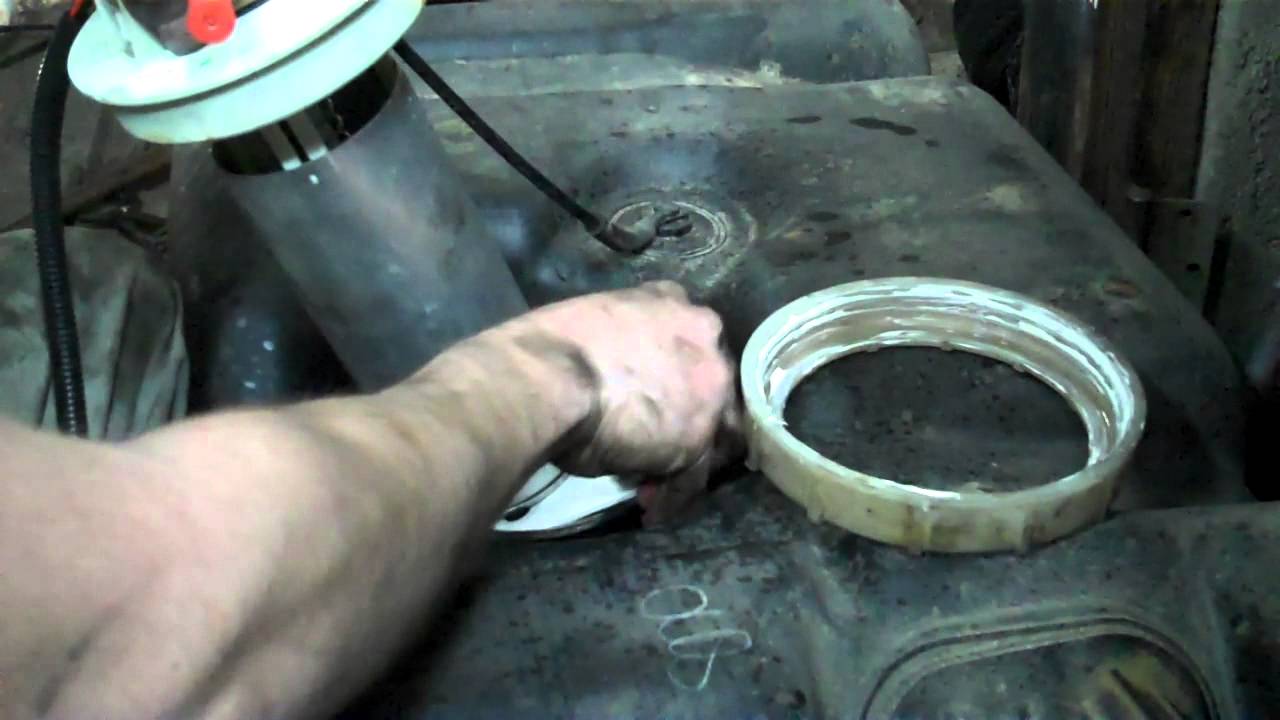
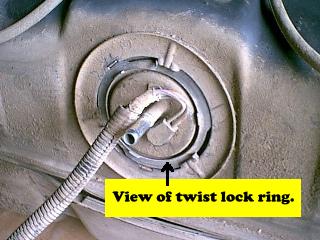
- Access the fuel pump. Unscrew the pump retaining ring and pull out the old pump.
- Install the new pump. Place the new pump in the tank, secure with the retaining ring, and reconnect wires.
- Reinstall the fuel tank. Attach straps, fuel lines, and connectors.
- Reconnect battery. Insert the fuel pump fuse and start the engine to check for leaks.
Common Mistakes And Tips
- Don’t forget to relieve the fuel system pressure. Skipping this step may cause spills and injury.
- Use the right fuel line disconnect tool to avoid damaging connectors.
- Double-check wiring connections to prevent starting issues.
Many beginners miss the importance of checking for leaks after installation. Fuel leaks can be dangerous and costly if ignored.
Choosing The Right Fuel Pump
Not all pumps are equal. Here’s what matters most:
- Compatibility: Ensure the pump fits your Cherokee’s year and model.
- Quality: OEM pumps often last longer, but some aftermarket brands are reliable.
- Warranty: Look for pumps with at least a one-year warranty.
Below is a quick comparison:
| Pump Type | Price Range | Warranty | Expected Life |
|---|---|---|---|
| OEM | $120-$180 | 12-24 months | 5-8 years |
| Aftermarket | $90-$140 | 6-12 months | 3-6 years |
For older Cherokees, quality aftermarket pumps can be a good choice if you’re on a budget.

Safety And Environmental Concerns
Fuel is highly flammable. Always wear safety goggles and gloves. Work away from open flames or sparks. Dispose of old fuel and parts responsibly—local auto shops or recycling centers can help. Never pour gasoline down the drain or onto the ground.
Real-world Example: Jeep Cherokee Owner Experience
John, a 2002 Cherokee owner, noticed his SUV wouldn’t start after short trips. He heard a faint whining from the tank area.
After consulting forums, he replaced the pump himself for under $150. He learned that having a helper made lowering the tank much easier, and using the right tools avoided broken clips.
Beginners often underestimate the weight of a full tank—draining it first makes the job safer and simpler.
When To Seek Professional Help
DIY is not for everyone. Seek a mechanic if you:
- Lack proper tools or space
- Feel unsure about disconnecting fuel lines
- Notice persistent leaks after installation
Certified shops usually guarantee their work and parts, giving peace of mind for complicated repairs.
Frequently Asked Questions
How Do I Know My Fuel Pump Is Failing?
Look for difficulty starting, engine stalling, loss of power, or unusual sounds from the tank. Confirm with a fuel pressure test if unsure.
Can I Drive With A Bad Fuel Pump?
It’s risky. A failing pump can leave you stranded or cause unsafe stalls. Replace it as soon as possible.
How Long Does A Replacement Take?
Most Jeep Cherokee fuel pump replacements take 2–4 hours for DIYers. Professionals may finish faster.
Is It Safe To Replace The Fuel Pump Myself?
Yes, if you follow safety steps: disconnect the battery, relieve fuel pressure, and use the right tools. If unsure, ask for help.
Where Can I Find Quality Fuel Pumps?
Check auto parts stores, online retailers, or your local Jeep dealer. Compare warranties and reviews for the best value. For detailed info, visit Consumer Reports.
Replacing your Jeep Cherokee’s fuel pump restores performance and reliability. Whether you do it yourself or hire a professional, preparation and safety are key.
With the right parts and steps, your Cherokee will be back on the road, ready for adventure.