If your Jeep Cherokee sounds louder than usual, or you smell exhaust inside the cabin, you might have a problem with your flex pipe. This part helps connect the exhaust system while absorbing vibrations from the engine. Replacing a damaged flex pipe is important for both safety and comfort.
Many Cherokee owners don’t realize how much a bad flex pipe affects performance. Ignoring the problem can lead to failed emissions tests, engine trouble codes, or even dangerous exhaust leaks.
Let’s look at what the flex pipe does, how to spot issues, and how to replace it—whether you want to do it yourself or talk to a mechanic.
What Is A Flex Pipe And Why Does It Matter?
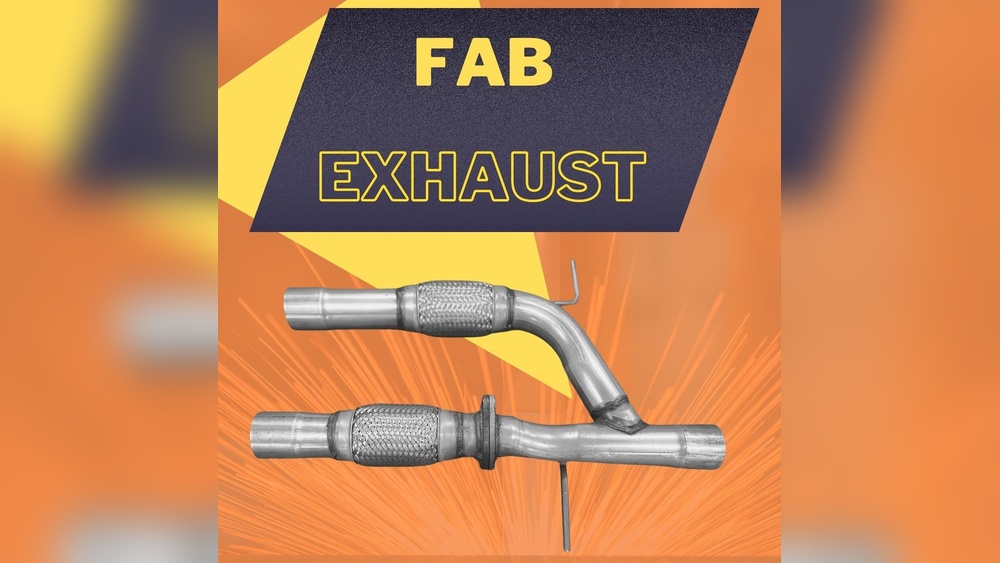
The flex pipe is a short, flexible piece in your exhaust system. It’s usually made from braided stainless steel. Its main job is to allow for engine movement without cracking the exhaust. When your engine shifts or vibrates, the flex pipe bends, protecting the rest of the exhaust.
A bad flex pipe can cause:
- Loud exhaust noise (like a leak or a raspy sound)
- Strong exhaust smell near the front of the vehicle
- Reduced fuel efficiency
- Check engine light from oxygen sensor errors
Most Jeep Cherokees (especially 2014–2026 models) use a similar style of flex pipe, but it’s always smart to check your model year before buying parts.
Signs Your Flex Pipe Needs Replacement
Many drivers confuse a bad flex pipe with a muffler issue. Here’s how to tell the difference:
- Noise Location: If the noise is near the engine, not the rear, it’s likely the flex pipe.
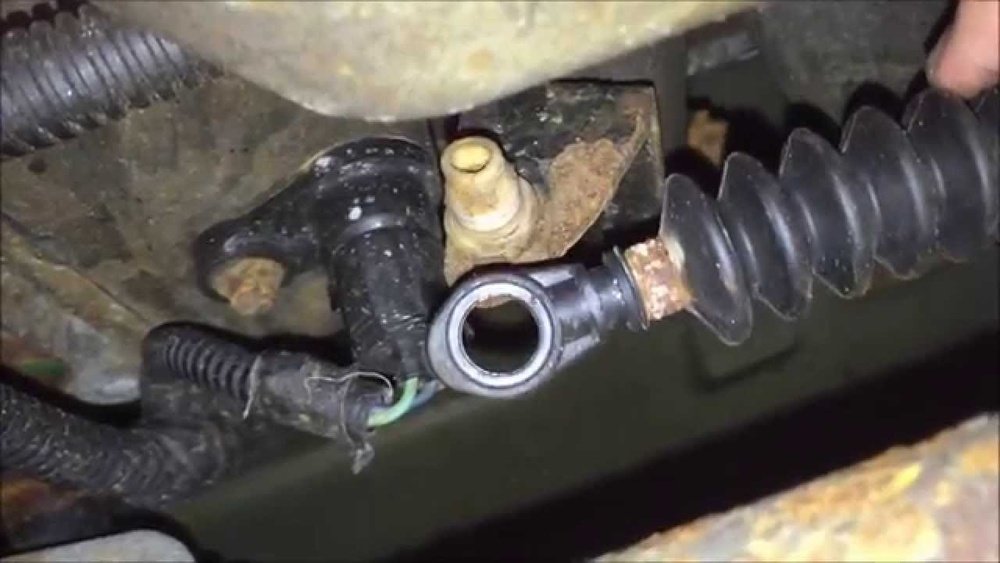
- Visible Damage: Look under the Jeep. If you see holes or fraying on the pipe, it’s probably leaking.
- Exhaust Smell Inside: Leaks in the front exhaust system often let fumes enter the cabin.
- Hanging or Dragging Exhaust: A broken flex pipe can let the exhaust drop or touch the ground.
- Vibration: More vibration in the pedal or floor can be a sign.
Ignoring these signs can damage the catalytic converter or oxygen sensors, leading to expensive repairs.

Comparing Replacement Options
You can choose between DIY replacement, hiring a local mechanic, or going to a dealership. Here’s a quick comparison:
| Option | Typical Cost | Pros | Cons |
|---|---|---|---|
| DIY Replacement | $60–$150 (parts) | Cheapest, hands-on, satisfying | Requires tools and skill, can be messy |
| Local Mechanic | $200–$350 (parts + labor) | Professional, usually quick | Costs more, quality varies |
| Dealership | $350–$500 | OEM parts, warranty | Most expensive |
Most Cherokee owners find the best balance with a trusted local mechanic. However, if you like working on your car, the DIY route can save money.
Step-by-step: Replacing The Flex Pipe On A Jeep Cherokee
If you want to replace the flex pipe yourself, follow these steps. This process works for most 2014–2026 Jeep Cherokees with the 2. 4L or 3. 2L engine.
Tools and Supplies Needed:
- Replacement flex pipe (check compatibility)
- Jack stands or ramps
- Wrench set
- Sawzall or reciprocating saw (if old pipe is welded)
- Exhaust clamps or welding tool (as needed)
- Safety glasses and gloves
Time needed: 1.5–3 hours
Step 1: Raise the Vehicle
Use ramps or jack stands. Never work under a car supported only by a jack.
Step 2: Find the Flex Pipe
It’s just after the exhaust manifold, before the catalytic converter.
Step 3: Remove the Old Flex Pipe
- If it’s clamped, loosen and remove the clamps.
- If it’s welded, use a sawzall to cut it free. Be careful not to damage nearby parts.
Step 4: Fit the New Flex Pipe
Slide the new pipe into place. If it’s a direct-fit part, it should match up perfectly. Some aftermarket pipes may need minor adjustment.
Step 5: Secure the Pipe
- Use new exhaust clamps or weld the joints (welding is best for a long-term fix).
- Make sure there are no gaps or leaks.
Step 6: Lower the Vehicle and Test
Start the engine. Listen for leaks and check that the exhaust is quiet and smooth.
Pro Tip: Most beginners forget to check for exhaust leaks after installation. Spray soapy water on the joints with the engine running—bubbles mean leaks.
Genuine Vs. Aftermarket Flex Pipes
Should you choose an OEM (original equipment manufacturer) or aftermarket flex pipe? Here’s a quick look:
| Type | Average Price | Quality | Warranty |
|---|---|---|---|
| OEM | $120–$180 | Exact fit, durable | Yes (usually 1 year) |
| Aftermarket | $50–$100 | Varies, some high-quality | Limited or none |
OEM parts guarantee a perfect fit and long life, but aftermarket options can be just as good if you choose a reputable brand.
Common Mistakes To Avoid
- Using cheap universal flex pipes: These often need cutting and welding, and may not last as long.
- Ignoring rust or damage nearby: If the rest of the exhaust is rusty, consider replacing more than just the flex pipe.
- Not tightening clamps properly: Loose clamps cause leaks and noise.
- Skipping safety gear: Eye protection is a must when cutting metal.
Non-obvious tip: Many exhaust leaks are caused by weak engine mounts, which put extra stress on the flex pipe. If your new pipe fails quickly, have your mounts checked.
Is It Worth Doing Yourself?
If you have basic tools and experience under the car, a flex pipe replacement is manageable. For most, paying a mechanic is worth the peace of mind, especially if welding is needed.
But knowing the basics helps you avoid overpaying or getting talked into unnecessary repairs.
For more technical details, you can refer to the official Jeep Cherokee page.
Frequently Asked Questions
How Long Does A Jeep Cherokee Flex Pipe Last?
On average, a flex pipe lasts 70,000–100,000 miles. Rust, road salt, and rough driving can shorten its life.
Can I Drive With A Bad Flex Pipe?
You can, but it’s not safe. Exhaust fumes may enter the cabin, and you’ll likely fail emissions tests. Fix it as soon as possible.
Is Welding Better Than Using Clamps?
Welding makes a stronger, longer-lasting seal. Clamps are easier for DIY but may loosen over time.
Do I Need To Replace The Whole Exhaust?
Usually, no. If only the flex pipe is bad, you can replace just that part.
But if there’s heavy rust or damage nearby, consider a full exhaust section.
How Much Should I Pay For A Mechanic To Replace The Flex Pipe?
Most shops charge $200–$350 total, depending on your location and whether welding is needed.
Replacing your Jeep Cherokee’s flex pipe may seem tough, but with the right information, you can make a smart choice. Whether you go DIY or hire a pro, fixing this part keeps your SUV running quietly and safely for years to come.