The Jeep Cherokee is loved for its rugged performance and reliable engineering. But one part that often gets less attention is the exhaust system.
This system does more than just direct fumes away—it plays a key role in performance, sound, and even fuel economy. If you drive a Jeep Cherokee or plan to upgrade its exhaust, understanding this part is essential.
Let’s explore how the exhaust system works, how to choose upgrades, and what common issues you should watch for.
How The Jeep Cherokee Exhaust System Works
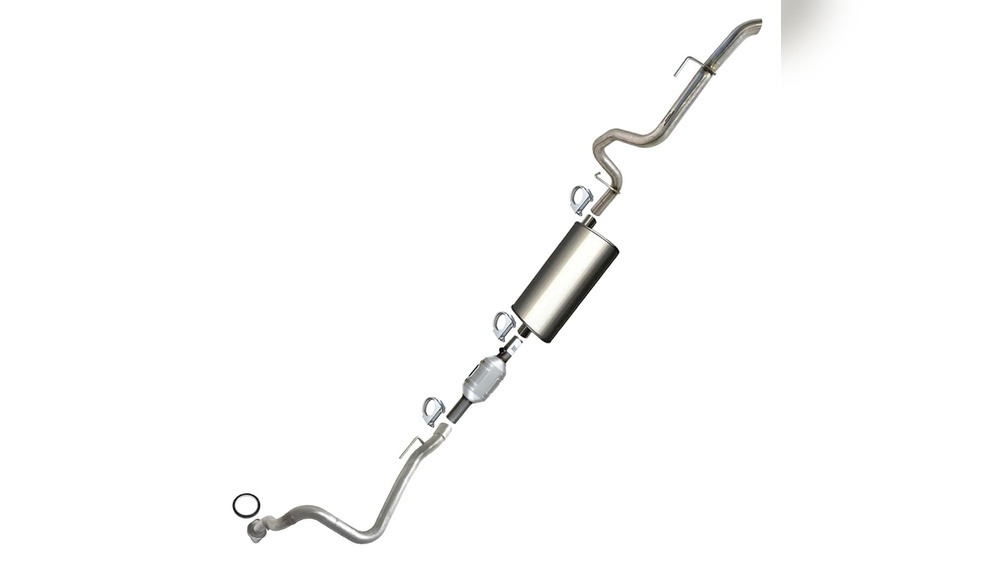
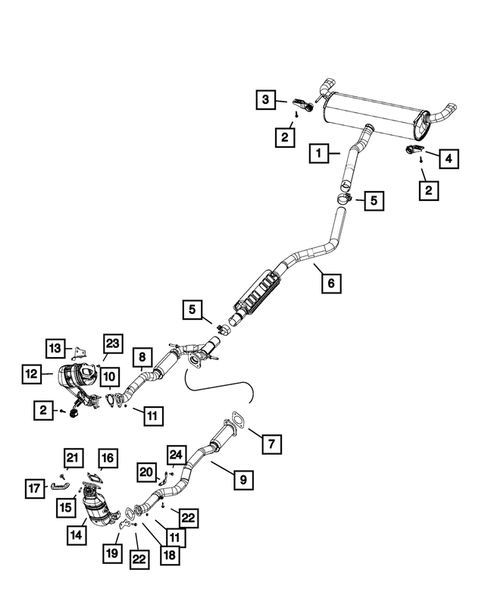
The exhaust system on a Jeep Cherokee is made up of several connected components. Each part has a specific job:
- Exhaust manifold: Collects exhaust gases from the engine cylinders.
- Catalytic converter: Reduces harmful emissions by converting gases.
- Oxygen sensors: Monitor exhaust gases to help control fuel use.
- Resonator (in some models): Fine-tunes the sound of the exhaust.
- Muffler: Reduces exhaust noise.
- Tailpipe: Directs gases safely out of the vehicle.
When you start your Cherokee, the engine burns fuel, creating gases. These gases travel through the manifold and down the exhaust system. Along the way, the catalytic converter cleans them, and the muffler quiets the noise. Finally, the gases exit through the tailpipe.
Why The Exhaust System Matters
You might think the exhaust only affects sound, but it also impacts:
- Performance: A well-functioning system helps your engine “breathe” and perform better.
- Emissions: It keeps your Jeep within legal pollution limits.
- Fuel economy: Efficient exhaust flow can improve miles per gallon.
- Sound: The muffler and resonator shape your vehicle’s unique growl.
A damaged or clogged exhaust system can cause poor acceleration, lower mileage, or even engine damage.
Common Issues And Symptoms
Cherokee exhaust systems last many years, but problems can develop due to rust, road salt, or impacts. Here are some warning signs:
- Loud noises: Holes or cracks in the muffler.
- Check engine light: Often caused by a failing oxygen sensor or catalytic converter.
- Poor fuel economy: Could mean a leak or blockage.
- Bad smells: Rotten egg odor signals a failing catalytic converter.
- Visible rust or holes: Especially in older Cherokees.
If you notice any of these, get your Jeep checked by a mechanic quickly.
Upgrading Your Jeep Cherokee Exhaust
Many owners upgrade their Cherokee’s exhaust system for more power or a deeper sound. Here’s what to consider:
Types Of Exhaust Upgrades
- Axle-back systems: Replace the muffler and tailpipe only. Easier to install and less expensive.
- Cat-back systems: Replace everything from the catalytic converter back. Offers more power and sound changes.
- Headers: Replace the exhaust manifold for improved engine flow.
Popular Materials
Most Jeep Cherokee exhausts are made from aluminized steel or stainless steel. Here’s a quick look:
| Material | Durability | Cost | Best For |
|---|---|---|---|
| Aluminized Steel | Good | Lower | Budget upgrades |
| Stainless Steel | Excellent | Higher | Long-term use, harsh climates |
Stainless steel lasts longer, especially in wet or snowy areas, but costs more.
Performance Vs. Sound
Upgrades can change both sound and power. Here’s a quick comparison:
| Exhaust Type | Sound | Power Gain |
|---|---|---|
| Stock | Quiet | Standard |
| Axle-back | Louder, deeper | Low |
| Cat-back | Deeper, more aggressive | Moderate |
| Headers | Varies | High |
A cat-back system is the most popular upgrade for a balance of power and sound.
Cost And Installation
Prices can range from $200 for basic axle-back kits to over $1,000 for full stainless steel systems. Labor costs add $100–$300 if you don’t install it yourself.
Tip: Always check if your state has specific emission laws before upgrading. Some high-flow systems are not legal everywhere.

Maintenance Tips For Longer Life
Your Jeep Cherokee’s exhaust system can last over 100,000 miles with care. Here’s how to make it last:
- Inspect for rust or holes every oil change.
- Wash the undercarriage after driving on salted roads.
- Listen for new noises—catch small problems early.
- Replace gaskets and hangers if they look worn.
- Use high-quality fuel to prevent buildup in the catalytic converter.
Beginners often miss: Even small leaks can let deadly carbon monoxide enter your cabin. Take every exhaust issue seriously.
Choosing The Right Exhaust For Your Needs
Don’t just buy the cheapest or loudest system. Think about:
- Driving style: Off-roaders may want more clearance and tough materials.
- Climate: Stainless steel is best in snowy or salty areas.
- Budget: Factor in both parts and installation.
- Legal limits: Make sure your upgrade is street-legal.
Many people forget to check local noise laws or emissions rules. Always ask your installer or check your state’s DMV website.
Real-world Example
Consider a 2017 Jeep Cherokee owner who switched from a stock exhaust to a stainless steel cat-back system. After the upgrade, they noticed a deeper sound, a slight bump in horsepower, and a 1–2 mpg improvement on the highway.
However, the system cost $800 including installation, and some neighbors complained about the louder tone.
This shows both the benefits and trade-offs of upgrading.
Latest Trends And Technology
Modern Jeep Cherokees (especially the Trailhawk and Overland trims) use advanced exhaust systems. Some now feature active exhaust valves that change the sound with driving mode. Others use extra sensors for even better emission control.
For a deep dive on emission standards, see this Wikipedia page on vehicle emission standards.

Frequently Asked Questions
What Is The Average Lifespan Of A Jeep Cherokee Exhaust System?
Most factory exhaust systems last 80,000 to 120,000 miles. Rust, road salt, and rough driving can shorten this. Stainless steel systems tend to last longer than aluminized steel.
Can A New Exhaust System Improve Fuel Economy?
A more efficient exhaust, like a cat-back system, can improve engine breathing and sometimes boost fuel economy by 1–3 mpg. However, gains depend on your driving style and other upgrades.
Is A Loud Exhaust System Legal?
It depends on your state’s noise laws. Some upgraded exhausts are too loud for street use. Always check your local regulations before making changes.
How Do I Know If My Catalytic Converter Is Failing?
Common signs include a rotten egg smell, poor acceleration, a check engine light, or rattling noises. If you notice these, get your exhaust checked as soon as possible.
Should I Choose Aluminized Or Stainless Steel For My Jeep Cherokee?
Stainless steel is better for wet or salty climates and lasts longer, but costs more. Aluminized steel is cheaper and works well in dry areas. Choose based on your local weather and budget.
Upgrading or maintaining the Jeep Cherokee exhaust system is one of the most effective ways to keep your SUV running strong and safe. Whether you want more power, a better sound, or just reliable performance, knowing your options helps you make the best choice.