The phrase “Jeep Cherokee death wobble” can strike fear in the heart of any Jeep owner. If you’ve ever felt your steering wheel violently shake after hitting a bump at highway speed, you know this isn’t just a small issue.
Death wobble is more than just an annoyance—it’s a safety risk, and it’s a problem that many Jeep Cherokee owners have faced.
Let’s break down what causes this infamous wobble, how to recognize it, and, most importantly, what you can do to fix and prevent it.
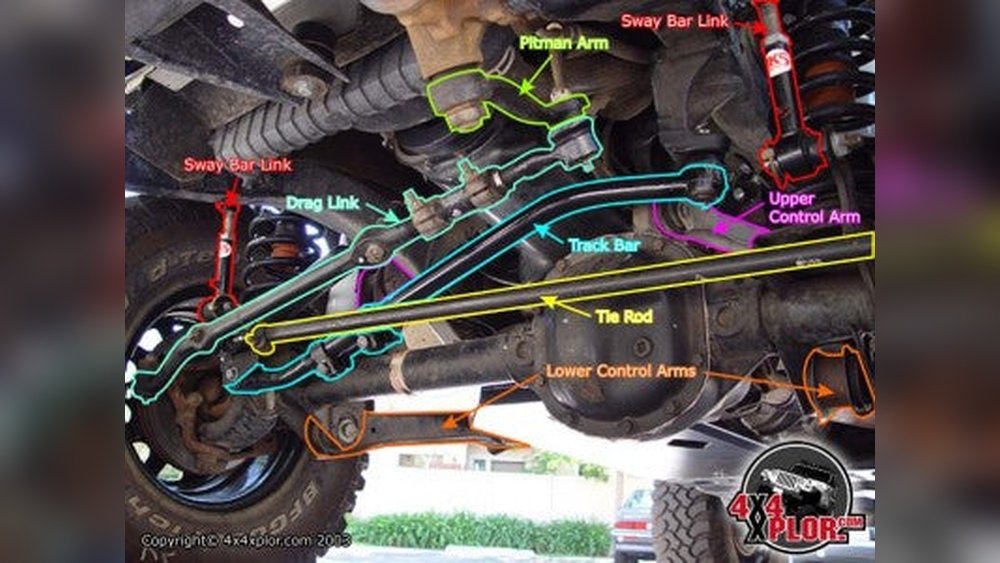
What Is Jeep Cherokee Death Wobble?
The death wobble is a severe vibration that happens in the front suspension and steering. It usually starts when driving over a bump or pothole at speeds above 45 mph. The steering wheel can shake violently from side to side, and the whole front of the vehicle may feel out of control.
This issue is most common in solid front axle vehicles like the Jeep Cherokee XJ (1984-2001) and Jeep Grand Cherokee ZJ and WJ (1993-2004). It’s not just a Jeep problem, but the Cherokee’s design makes it more likely.
Common Causes Of Death Wobble
The death wobble is never caused by one thing. It’s usually a combination of worn or loose parts.
| Component | How It Contributes |
|---|---|
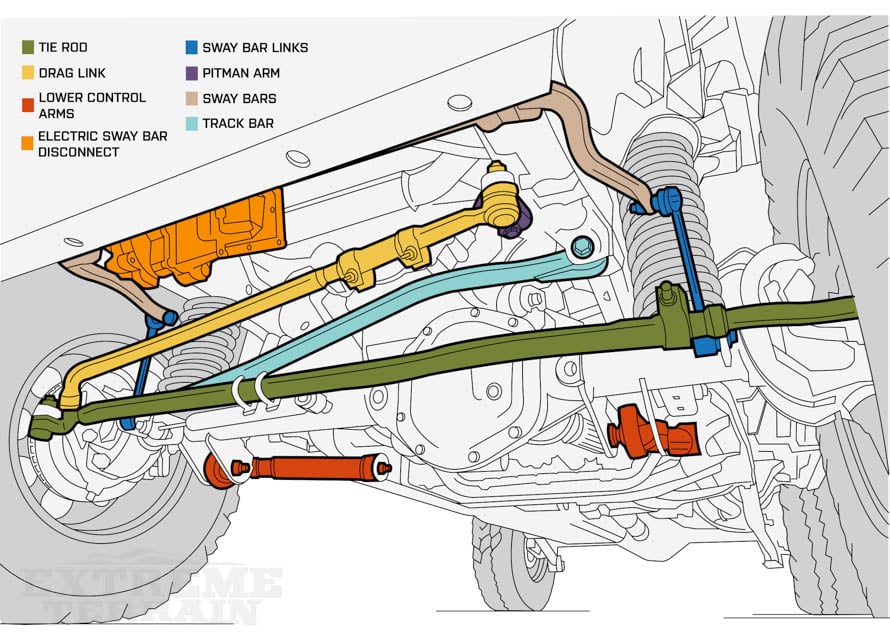
| Track Bar | Loose or worn bushings allow the axle to shift side-to-side, starting the wobble. |
| Tie Rod Ends | Worn joints cause steering slop, making the wobble worse. |
| Ball Joints | Loose ball joints can’t hold the wheels firmly, so they oscillate. |
| Steering Stabilizer | Worn dampers can’t absorb vibrations, but replacing them is rarely a true fix alone. |
| Wheel Alignment | Improper toe or caster angles make the system unstable. |
One detail many owners miss: incorrectly torqued bolts on the track bar or suspension arms. Even if the parts are new, loose bolts can trigger death wobble.
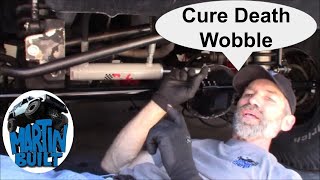
How To Diagnose The Problem
Finding the exact cause takes patience.
- Visual Inspection: Look for cracked bushings, leaking shocks, or bent parts.
- Check for Play: With the vehicle off, have someone move the steering wheel back and forth. Watch the track bar, tie rods, and drag link for movement. Any “play” means worn parts.
- Lift and Shake: Safely lift the front end. Grab the tires and shake them at 12 and 6 o’clock (ball joints), then 3 and 9 o’clock (tie rods and steering).
- Torque Check: Use a torque wrench to make sure all suspension bolts meet factory specs.
A common mistake: only replacing the steering stabilizer. This might hide the wobble for a while, but it rarely fixes the real problem.
How To Fix Death Wobble
Fixing death wobble means finding and repairing every worn part. Here’s a prioritized approach:
- Track Bar: Replace worn bushings or the entire bar if needed. Make sure mounting holes aren’t “oval-shaped.”
- Tie Rod Ends and Drag Link: Any looseness means replacement.
- Ball Joints: If they move or make noise, replace them—ideally with heavy-duty versions.
- Control Arm Bushings: Cracked or soft bushings should be replaced.
- Steering Stabilizer: Only replace after fixing all worn parts. It’s not a cure, but it helps smooth out the ride.
After repairs, get a professional alignment. Even small changes in caster or toe can trigger instability.
Here’s a simple repair prioritization:
| Fix | Effectiveness | Cost (Approx.) |
|---|---|---|
| Track Bar Replacement | High | $100–$200 |
| Tie Rod/Drag Link | High | $150–$300 |
| Ball Joints | High | $300–$600 |
| Steering Stabilizer | Medium | $50–$120 |
| Alignment | High | $80–$150 |
Tips To Prevent Death Wobble
Prevention is always easier than dealing with the problem on the highway.
- Regularly inspect all steering and suspension parts, especially after off-roading.
- Torque bolts to factory specs after any repairs or upgrades.
- If you install a lift kit or larger tires, make sure all suspension geometry is corrected.
- Don’t ignore minor shakes or loose steering—these are early warnings.
- Use quality replacement parts. Cheap components often wear out faster and may cause repeat problems.
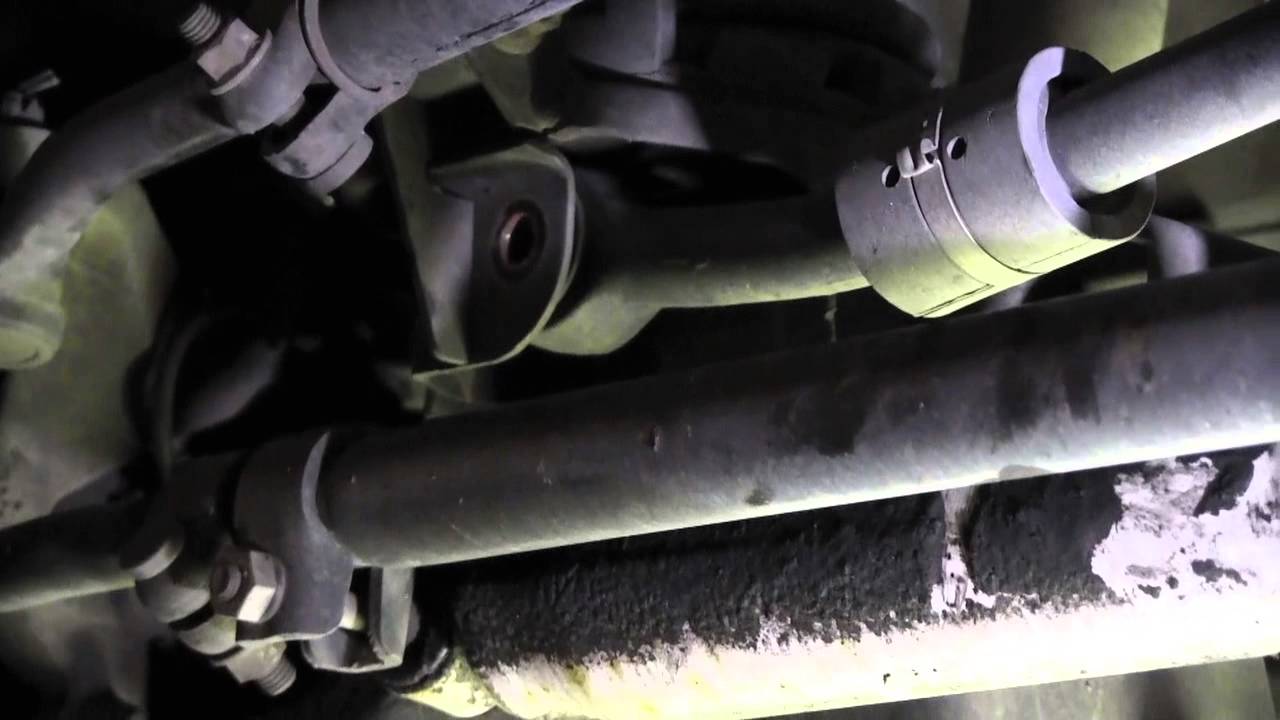
Non-obvious insight: Some aftermarket lifts can make death wobble more likely if not installed correctly. Always check the angles of the track bar and drag link—they should be parallel.
Real-world Example
A 1998 Jeep Cherokee XJ owner noticed shaking at 55 mph. After replacing only the steering stabilizer, the problem returned.
A detailed check found a worn track bar bushing and a loose control arm bolt. Fixing both solved the wobble permanently.
The key was checking every suspension point, not just the obvious ones.
When To Get Professional Help
If you’ve checked everything and still have death wobble, it’s time for a shop with solid axle experience. Some problems, like frame damage or hard-to-see bushing wear, need expert tools and knowledge.
Also, if you feel unsafe driving, get your Jeep towed rather than risk an accident.
Frequently Asked Questions