The Jeep Cherokee is a popular vehicle, known for its off-road capabilities and rugged design. A crucial aspect of keeping any vehicle running smoothly, especially one designed for adventure, is engine temperature.
The coolant temperature gauge on your dashboard is your primary indicator of how well your engine is managing heat.
Understanding what the normal operating temperature is, why it matters, and what to do if it deviates from the norm is essential for preventing serious engine damage and ensuring your Cherokee performs reliably.
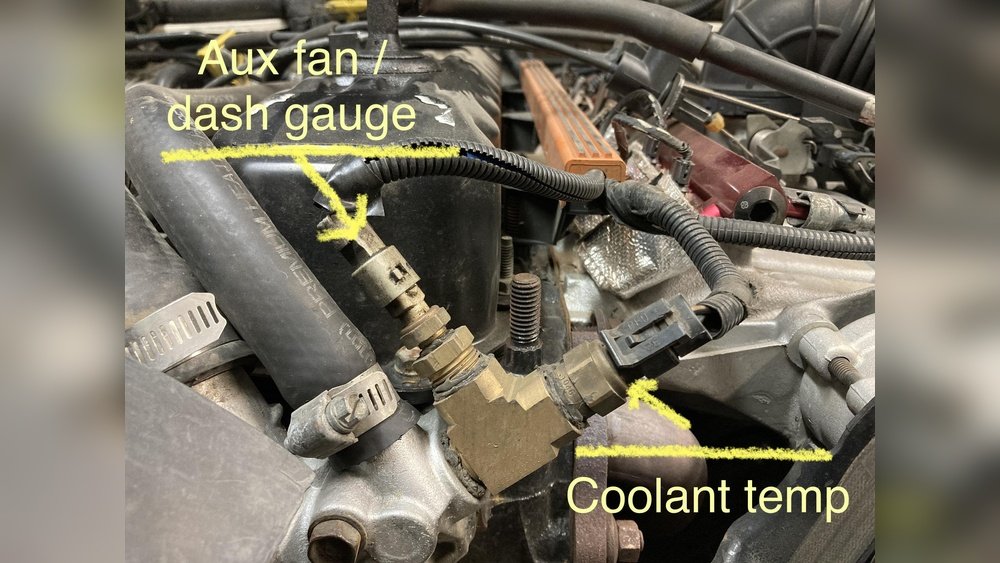
This guide will explore the Jeep Cherokee coolant temperature system, covering normal operating ranges, common issues, and how to address them. We’ll look at the components involved, from the thermostat to the radiator, and discuss how their function directly impacts your engine’s health.
Understanding Normal Jeep Cherokee Coolant Temperature
The normal operating temperature for a Jeep Cherokee, like most gasoline-powered vehicles, typically falls within a specific range. This range is designed to allow the engine to reach optimal efficiency while preventing overheating.
The Ideal Temperature Range
Generally, you want to see your Jeep Cherokee’s temperature gauge settled somewhere in the middle of its range when the engine is fully warmed up. This usually translates to a reading between 195°F and 220°F (90°C and 104°C). This is the sweet spot where the engine components are at their ideal operating temperature for performance and fuel economy.
It’s important to note that this is a general guideline. The exact normal range can vary slightly depending on the specific model year, engine size, and even the type of coolant used.
Always refer to your owner's manual for the most precise information for your particular Jeep Cherokee.
Why Temperature Matters For Your Engine
An engine generates a tremendous amount of heat during combustion. If this heat isn’t managed effectively, it can cause significant damage.
- Lubrication: Proper engine temperature ensures the oil maintains the correct viscosity. Too hot, and the oil can break down, losing its lubricating properties, leading to increased friction and wear. Too cold, and the oil might be too thick, preventing it from reaching all moving parts efficiently.
- Efficiency: Engines are designed to operate most efficiently within a specific temperature band. This is where combustion is optimal, leading to better fuel economy and reduced emissions.
- Component Longevity: Extreme temperatures, both hot and cold, can stress engine components. Consistent operation within the normal range helps prolong the life of parts like pistons, cylinders, and seals.
- Emissions Control: The catalytic converter, a key component in reducing harmful emissions, functions best within a specific temperature range.
Your coolant temperature gauge is your first line of defense. It provides real-time feedback on how well your cooling system is doing its job.
Components Of The Jeep Cherokee Cooling System
The cooling system is a complex network of parts working together to regulate engine temperature. Understanding these components helps diagnose problems when they arise.
The Radiator
The radiator is the primary heat exchanger in your cooling system. It’s a series of thin tubes and fins designed to dissipate heat from the coolant into the surrounding air. As hot coolant flows through the tubes, air passes over the fins, carrying the heat away.
The Thermostat
The thermostat acts like a valve. When the engine is cold, it remains closed, preventing coolant from flowing to the radiator. This allows the engine to warm up quickly to its optimal operating temperature. Once the coolant reaches a specific temperature (usually around 195°F or 90°C), the thermostat opens, allowing coolant to circulate through the radiator for cooling.
The Water Pump
The water pump is responsible for circulating the coolant throughout the engine and the cooling system. It’s typically driven by the engine’s serpentine belt. A failing water pump can lead to poor coolant circulation, causing the engine to overheat.
Cooling Fans
Electric or belt-driven cooling fans are crucial, especially at low speeds or when the vehicle is stationary. They pull air through the radiator, helping to dissipate heat when natural airflow from driving isn’t sufficient.
Coolant (antifreeze)
Coolant, a mixture of antifreeze and water, is the lifeblood of the cooling system. It has a higher boiling point and lower freezing point than water alone. It also contains additives to prevent corrosion and lubricate the water pump. The correct type and mixture of coolant are vital for optimal performance.
Hoses And Belts
Rubber hoses carry the coolant between the engine, radiator, and heater core. Belts (like the serpentine belt) often drive the water pump and sometimes the cooling fan. Wear and tear on these components can lead to leaks or a loss of circulation.

Common Jeep Cherokee Coolant Temperature Issues
Even with a well-maintained system, issues can arise. Recognizing the signs of a problem is key to preventing costly repairs.
Overheating
This is the most common and serious issue. If your temperature gauge climbs into the red zone, your engine is overheating.
Causes of Overheating:
- Low Coolant Level: Leaks in hoses, the radiator, water pump, or head gasket can cause coolant loss.
- Faulty Thermostat: A thermostat stuck closed will prevent coolant from reaching the radiator.
- Bad Water Pump: If the pump isn’t circulating coolant effectively, heat builds up.
- Clogged Radiator: Debris or corrosion can block the radiator fins or tubes, reducing its ability to dissipate heat.
- Malfunctioning Cooling Fan: If the fan isn’t turning on, the radiator won’t get enough airflow, especially in traffic.
- Leaking Radiator Cap: A faulty cap can’t maintain the necessary pressure in the system, lowering the coolant’s boiling point.
- Head Gasket Failure: A blown head gasket can allow hot combustion gases to enter the cooling system, rapidly increasing temperature.
What to Do if Your Jeep Cherokee Overheats:
- Turn off the A/C: This reduces the load on the engine.
- Turn on the Heater: This draws heat away from the engine into the cabin.
- Pull Over Safely: Find a safe place to stop as soon as possible.
- Turn Off the Engine: Let it cool down completely. Never open a hot radiator cap. The pressurized hot coolant can spray out and cause severe burns.
- Check Coolant Level (Once Cool): If low, add the correct coolant mixture. If it’s consistently low, you have a leak that needs professional attention.
- Seek Professional Help: If you can’t identify or fix the issue, or if overheating persists, have your Jeep Cherokee inspected by a qualified mechanic.
Engine Running Too Cool
While less common than overheating, an engine that runs consistently too cool can also cause problems. This usually indicates a thermostat stuck open.
Consequences of Running Too Cool:
- Poor Fuel Economy: The engine management system may enrich the fuel mixture, thinking the engine is still cold.
- Increased Wear: The engine may not reach its optimal operating temperature, leading to increased wear over time.
- Cabin Heater Issues: You might experience weak or no heat from your cabin heater.
- Emissions Problems: The catalytic converter may not reach its optimal operating temperature.
Identifying This Issue:
- The temperature gauge consistently stays at the very low end of the scale, even after extended driving.
- The heater blows cool air.
Temperature Fluctuations
Sudden or dramatic temperature swings can indicate an intermittent problem.
Possible Causes:
- Air Pockets in the Cooling System: Air trapped in the system can disrupt coolant flow and cause erratic temperature readings. This often happens after coolant has been drained and refilled.
- Partially Clogged Radiator or Hoses: This can restrict flow intermittently.
- Failing Water Pump: Impeller damage can cause inconsistent circulation.
- Faulty Thermostat: It might be opening and closing erratically.
Diagnosing Coolant Temperature Problems
When your Jeep Cherokee’s temperature gauge acts up, a systematic approach to diagnosis is best.
Checking The Coolant Level And Condition
This is the first and easiest step.
- Locate the Coolant Reservoir: It’s usually a translucent plastic tank connected to the radiator.
- Check the Level: Ensure the coolant is between the ‘MIN’ and ‘MAX’ marks when the engine is cold.
- Inspect the Condition: Look for signs of contamination. Is the coolant rusty, oily, or sludgy? This can indicate internal engine problems (like a head gasket leak) or corrosion. The correct coolant should be brightly colored (often green, orange, or pink, depending on the type).
Inspecting Hoses And Belts
Visually inspect all coolant hoses for cracks, bulges, or soft spots. Squeeze them (when cool) to check for brittleness or sponginess.
Check the serpentine belt for cracks, fraying, or excessive wear.
Testing The Thermostat
A simple way to test the thermostat is to remove it and place it in hot water. Observe if it opens at the specified temperature. However, thermostats are inexpensive, and replacement is often the most practical solution if you suspect a fault.
Checking The Radiator And Fan
- Radiator: Look for signs of leaks or corrosion on the radiator itself. Ensure the external fins are clean and not blocked by debris.
- Fan: With the engine running (and at operating temperature), the electric cooling fan(s) should cycle on. If they don’t, there could be an issue with the fan motor, relay, fuse, or temperature sensor.
Using An Obd-ii Scanner
Modern Jeep Cherokees use sensors to monitor engine temperature and communicate this information to the Engine Control Module (ECM). An OBD-II scanner can read diagnostic trouble codes (DTCs) and live data from these sensors. This can help pinpoint issues with the coolant temperature sensor itself or identify other related problems.

Maintenance For Optimal Coolant Temperature
Regular maintenance is the best way to prevent coolant temperature issues.
Regular Coolant Flushes
Over time, coolant degrades and can become contaminated. Follow your Jeep owner’s manual recommendations for coolant flush intervals. This involves draining the old coolant, flushing the system with clean water or a flushing agent, and refilling with the correct type and mixture of new coolant.
Using The Correct Coolant
Jeep Cherokees require specific types of coolant. Using the wrong type can lead to corrosion, reduced cooling efficiency, and damage to system components.
Always consult your owner's manual for the recommended coolant specification (e. g. , HOAT – Hybrid Organic Acid Technology).
A 50/50 mixture of coolant and distilled water is standard.
Inspecting For Leaks
Periodically check for any signs of coolant leaks:
- Puddles under the vehicle.
- Sweet-smelling vapor from the engine bay.
- Corrosion or staining around hose connections, the radiator, or the water pump.
Checking The Radiator Cap
The radiator cap maintains pressure in the cooling system, raising the boiling point of the coolant. A worn or damaged seal can lead to coolant loss and overheating. These caps are inexpensive to replace.
Jeep Cherokee Coolant Temperature By Model Year
While the general principles apply across most Jeep Cherokee generations, there can be slight variations in recommended operating temperatures and cooling system designs.
Example: Jeep Grand Cherokee (wk2)
For the WK2 generation (2011-2026), which includes many popular models, the normal operating temperature generally remains within the 195°F to 220°F (90°C to 104°C) range. The cooling system uses a complex network of sensors and an electric cooling fan controlled by the Powertrain Control Module (PCM) for precise temperature management. Issues like thermostat failure or coolant leaks are common across many vehicles, including these models.
Example: Jeep Cherokee (kl)
The KL generation (2014-2026) also follows similar temperature guidelines. Depending on the engine (e.g., 2.4L Tigershark or 3.2L Pentastar V6), the thermostat’s opening temperature and the fan’s activation points are calibrated for optimal performance and emissions. Air pockets after servicing are a notable issue that can cause erratic temperature readings in these models.
It’s always best to consult the specific service manual for your Jeep Cherokee’s model year and engine for precise temperature targets and maintenance schedules.
Advanced Tips And Considerations
Beyond the basics, a few extra points can help you maintain your Jeep Cherokee’s cooling system.
The Role Of The Heater Core
The heater core is essentially a small radiator located inside your dashboard. Coolant circulates through it, and the blower fan pushes air across it to provide heat to the cabin. If your heater isn’t working well, it could be a sign of low coolant, poor circulation, or a clogged heater core, which can indirectly affect overall system performance.
Coolant Additives
While modern coolants contain robust additive packages, some mechanics recommend supplemental coolant additives (SCAs) for older vehicles or those subjected to severe use. These can provide extra protection against corrosion and cavitation, especially in systems with older metal components. However, always use additives compatible with your specific coolant type and vehicle.
Extreme Weather Performance
- Hot Weather: In very hot climates or during strenuous use (like towing or off-roading), it’s normal for the temperature gauge to creep slightly higher, but it should not enter the red zone. Ensure your cooling system is in top condition before facing extreme heat.
- Cold Weather: In freezing temperatures, the primary concern is the coolant’s freezing point. Ensure you have the correct antifreeze mixture to prevent the coolant from freezing and potentially cracking the engine block or radiator.
Pro Tip: Monitoring Coolant Temperature
Beyond the dashboard gauge, consider using an OBD-II scanner that can display live coolant temperature data. This gives you a much more precise reading than the analog gauge and can help you spot subtle changes or trends that might otherwise go unnoticed. When I tested this on my own vehicle, I noticed the temperature would fluctuate slightly more than I expected during normal driving, prompting me to check the thermostat, which was indeed starting to fail.
Frequently Asked Questions
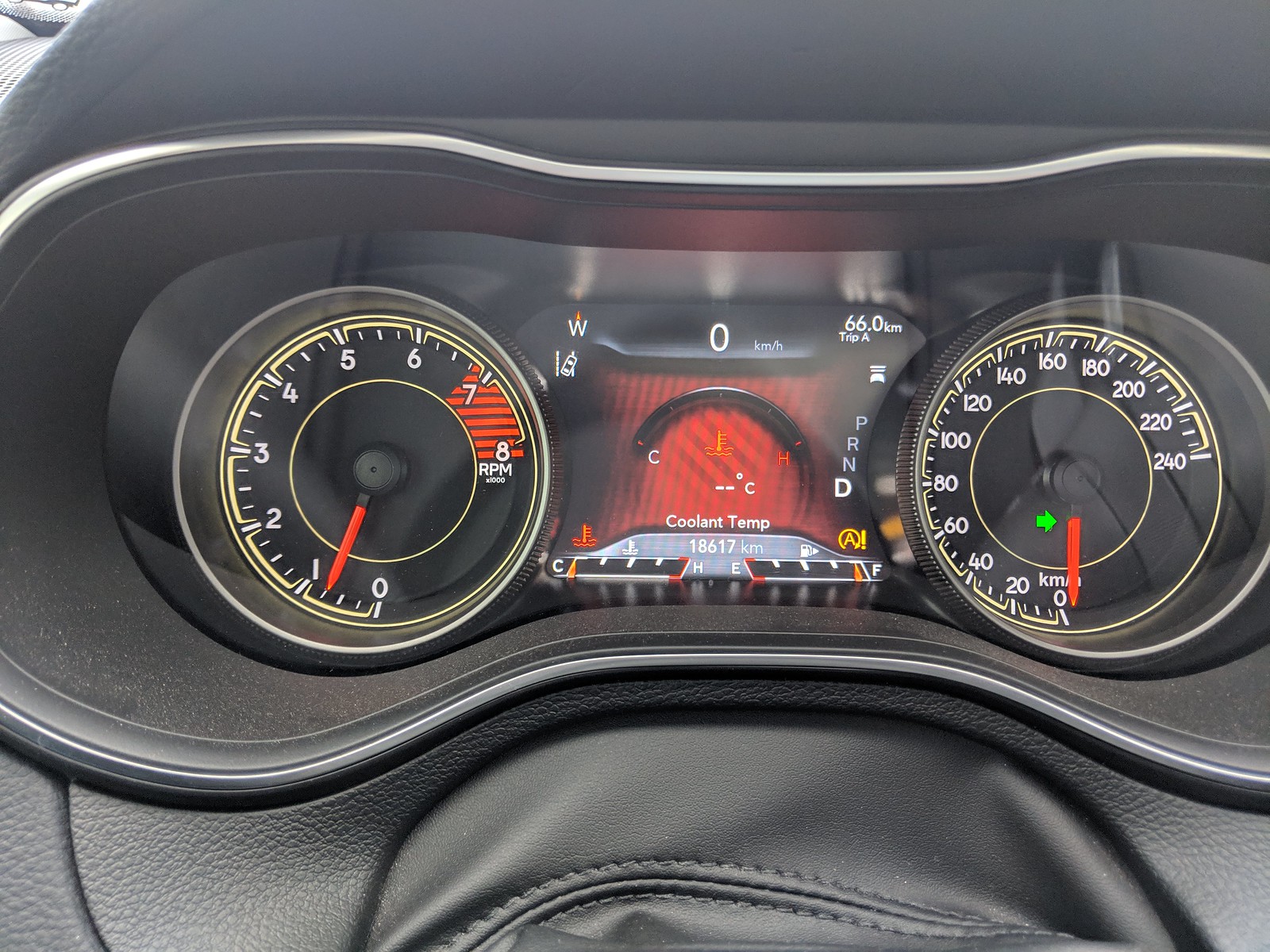
What Is The Normal Operating Temperature For A Jeep Cherokee?
The normal operating temperature for most Jeep Cherokee models is typically between 195°F and 220°F (90°C to 104°C) when the engine is fully warmed up. The temperature gauge on the dashboard should sit comfortably in the middle of its range. Always check your owner’s manual for the exact specifications for your specific model year and engine.



















