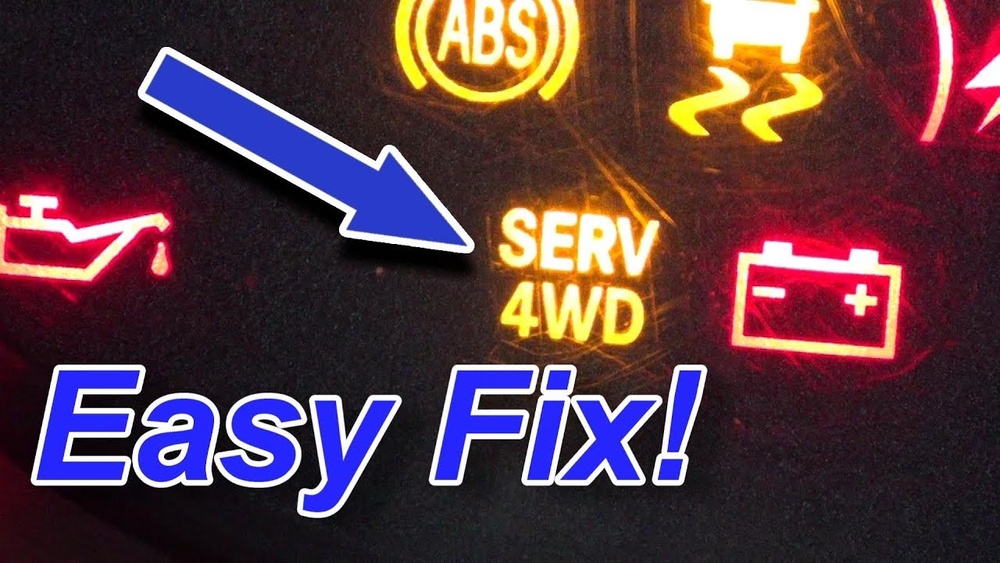
Seeing the check engine light pop up on your Jeep Cherokee’s dashboard can be confusing and even a bit alarming. You might wonder: Is it something serious?
Can you keep driving? What do you do next? The truth is, this warning light can mean a range of issues—from something as simple as a loose gas cap to more complex engine troubles. You’ll discover what triggers your Jeep Cherokee’s check engine light, how to quickly identify common problems, and what steps you should take to keep your vehicle running smoothly and safely.
Don’t ignore that light—understanding it could save you time, money, and stress. Keep reading to learn exactly what your Jeep is trying to tell you.

Common Causes
The Jeep Cherokee check engine light signals a problem with your vehicle. It can mean various issues, some simple, others serious. Understanding common causes helps you know what to expect. This guide covers the usual reasons behind the warning light.
Loose Gas Cap
A loose or cracked gas cap can trigger the check engine light. It allows fuel vapors to escape, affecting the system’s pressure. Tighten the cap firmly and see if the light turns off after driving a bit.
Faulty Oxygen Sensor
The oxygen sensor measures exhaust gases to optimize fuel use. If it fails, fuel consumption rises and emissions increase. Replacing a bad sensor restores efficiency and clears the warning light.
Bad Catalytic Converter
The catalytic converter reduces harmful exhaust gases. A damaged one causes poor engine performance and higher emissions. The check engine light often comes on if this part is failing.
Worn Spark Plugs
Spark plugs ignite the fuel-air mix in the engine. Worn or dirty plugs cause misfires and rough running. Replacing them can improve engine smoothness and turn off the check engine light.
Other Sensor Issues
Various sensors monitor engine functions, like the mass airflow or coolant temperature sensors. Faults in these parts can also light up the warning. Diagnosing sensor problems requires a scan tool for accurate results.
Diagnosing The Light
The check engine light on your Jeep Cherokee signals a problem. Diagnosing this light helps you understand what needs fixing. Early diagnosis can prevent bigger issues and costly repairs. You can diagnose the light yourself or seek expert help. Here’s how to start the process.
Using An Obd-ii Scanner
An OBD-II scanner is a simple tool that reads your car’s computer. Connect it to the Jeep’s diagnostic port, usually under the dashboard. The scanner pulls error codes stored by the engine control unit. This tool is affordable and easy to use. It gives a clear start for diagnosing the light.
Reading Error Codes
Error codes tell you what part or system has an issue. Codes are usually a letter followed by numbers, like P0300. Each code points to a specific problem, such as misfires or sensor failures. You can look up these codes online or in the scanner’s manual. Understanding codes helps you decide the next steps.
When To See A Mechanic
Some problems are simple, others need expert care. If the check engine light flashes, stop driving immediately and seek help. Steady lights might allow you to drive but still need attention soon. Mechanics have tools and experience to fix complex issues. Don’t delay if you notice poor performance or strange noises.
Simple Fixes
Simple fixes can often resolve the Jeep Cherokee check engine light. Many problems do not require a mechanic. Some steps are easy to do at home. These fixes can save time and money. Always start with the simplest solutions. Here are common easy fixes to try first.
Tightening Or Replacing Gas Cap
A loose or broken gas cap often triggers the check engine light. The gas cap seals the fuel system and prevents vapors from escaping. Check if the cap is tight by turning it clockwise until it clicks. If the cap is old or damaged, replace it with a new one. This fix usually clears the light after some driving.
Replacing Spark Plugs
Worn or dirty spark plugs cause engine misfires. Misfires can turn on the check engine light. Spark plugs ignite the fuel-air mixture in the engine. Replace spark plugs every 30,000 to 50,000 miles. New spark plugs improve engine performance and fuel efficiency. This fix often stops the check engine light from coming on.
Cleaning Or Replacing Sensors
Sensors like the oxygen or mass airflow sensor affect engine performance. Dirt or damage to these sensors can trigger the check engine light. Cleaning sensors with proper cleaner may fix the issue. If cleaning does not help, replace the faulty sensor. This step improves the engine’s air-fuel mix and reduces emissions.
Advanced Repairs
Advanced repairs address deeper problems causing the Jeep Cherokee check engine light. These repairs need expertise and the right tools. They fix issues beyond simple fixes. Proper diagnosis is crucial to avoid unnecessary parts replacement. Skilled technicians perform these repairs to restore your vehicle’s performance and safety.
Catalytic Converter Replacement
The catalytic converter reduces harmful emissions from your Jeep. Over time, it can get clogged or damaged. This causes the check engine light to turn on. Replacing it improves engine efficiency and lowers pollution. The technician removes the old converter and installs a new one. This repair helps your Jeep pass emissions tests.
Fuel System Repairs
The fuel system delivers gasoline to the engine for combustion. Problems like clogged fuel injectors or a failing fuel pump cause engine issues. These problems trigger the check engine light. Repairs include cleaning or replacing fuel injectors and fixing fuel pumps. Keeping the fuel system in good shape ensures smooth engine operation.
Electrical System Checks
The electrical system controls sensors and engine components. Faulty wiring or sensor failures often cause the check engine light to activate. Technicians use diagnostic tools to test electrical circuits and sensors. They repair or replace damaged wires and faulty sensors. Proper electrical checks prevent engine misfires and improve reliability.
Resetting The Light
The Jeep Cherokee check engine light signals a problem in the vehicle’s system. Resetting this light can clear the warning after repairs. This section explains how to reset the light safely and effectively. Resetting may help verify if the issue is fixed.
Manual Reset Methods
One way to reset the check engine light is by disconnecting the battery. First, turn off the engine and remove the key. Then, disconnect the negative battery cable for about 15 minutes. Reconnect the cable and start the Jeep. This may clear the light. Another method is to use the gas cap trick. Tighten the gas cap firmly and drive the car. Sometimes, the light resets after a few trips.
Using Diagnostic Tools
Diagnostic tools offer a quick and easy way to reset the light. Plug an OBD-II scanner into the port under the dashboard. Turn on the ignition without starting the engine. The scanner reads error codes and allows you to clear them. This method ensures the light resets only after checking for problems. Many auto parts stores offer free scanning services.
When Not To Reset
Resetting the check engine light is not always a good idea. Avoid resetting if the cause of the warning is unknown. The light may come back if the problem persists. Ignoring serious issues can damage the engine. Always fix the root cause first. Use reset methods only after proper repair or diagnosis.
Driving Tips
The Jeep Cherokee’s check engine light can cause worry while driving. Knowing how to respond keeps you safe and protects your vehicle. Simple actions can reduce risks until you reach a mechanic.
Driving with the light on requires caution and awareness of your car’s behavior. This guide helps you understand when to keep going and when to stop.
Is It Safe To Drive?
Driving with the check engine light on depends on the situation. A steady light usually means the problem is not urgent. You can drive carefully to a repair shop.
A flashing light signals a serious issue. It may cause engine damage or failure. Stop driving immediately and get help.
Fuel Efficiency Impact
A check engine light often means the engine runs less efficiently. Your Jeep may use more fuel than usual. Expect lower miles per gallon until fixed.
Ignoring the light can lead to worse fuel economy and higher costs. Fixing the problem early saves money on gas and repairs.
When To Stop Driving
Stop driving if the light flashes or you notice strange sounds or smells. Engine misfires, loss of power, or overheating require immediate attention.
Pull over safely and turn off the engine. Call roadside assistance or a mechanic for advice. Driving further can cause severe damage or accidents.
Preventive Measures
Taking preventive steps helps avoid the Jeep Cherokee check engine light from turning on. These measures keep your vehicle running smoothly. Regular care reduces repair costs and improves safety. Start with basic checks and continue with detailed inspections. Stay ahead of potential issues to keep your Jeep Cherokee healthy.
Regular Maintenance
Follow the Jeep’s maintenance schedule strictly. Change the oil and filter on time. Replace air filters to ensure clean airflow. Check and replace spark plugs regularly. Inspect belts and hoses for wear and tear. Scheduled maintenance keeps engine parts in good shape. It prevents faults that trigger the check engine light.
Checking Fluid Levels
Check engine oil level weekly using the dipstick. Keep coolant level within the marked range. Low fluids cause engine overheating and damage. Monitor brake fluid to ensure proper brake function. Transmission fluid levels affect shifting and engine load. Proper fluid levels help the engine run well. They reduce risk of engine errors and warnings.
Monitoring Sensor Performance
Sensors report engine status to the vehicle’s computer. Faulty sensors can cause the check engine light to activate. Test oxygen sensors for proper oxygen level readings. Inspect mass airflow sensors for dirt or damage. Use diagnostic tools to scan sensor codes. Replace or clean sensors showing poor performance. Healthy sensors ensure accurate engine management and fewer warning lights.
Conclusion
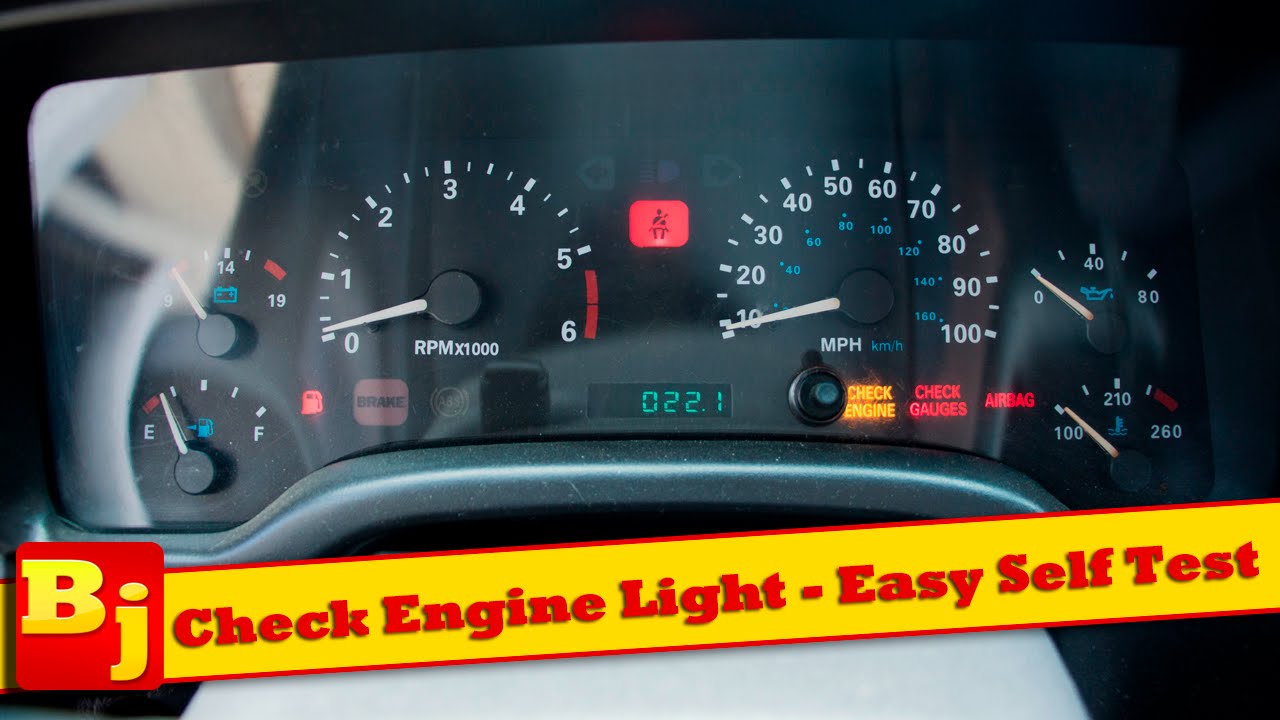
A Jeep Cherokee check engine light can signal many issues. Some are simple, like a loose gas cap. Others may need professional help. Always address the light promptly to avoid bigger problems. Regular maintenance keeps your Jeep running smoothly. Stay alert to any changes in performance.
Taking quick action protects your vehicle and safety. Don’t ignore this important warning sign.