The Jeep Cherokee is a classic SUV known for its rugged reliability and off-road performance. Like any vehicle, its engine relies on a system of belts to keep everything running smoothly.
One of the most important is the serpentine belt, which drives key components such as the alternator, power steering pump, and air conditioning compressor. Knowing how this belt runs, and understanding the Jeep Cherokee belt diagram, can save you time, money, and stress—especially if you ever face a breakdown.
What Is A Belt Diagram And Why Does It Matter?
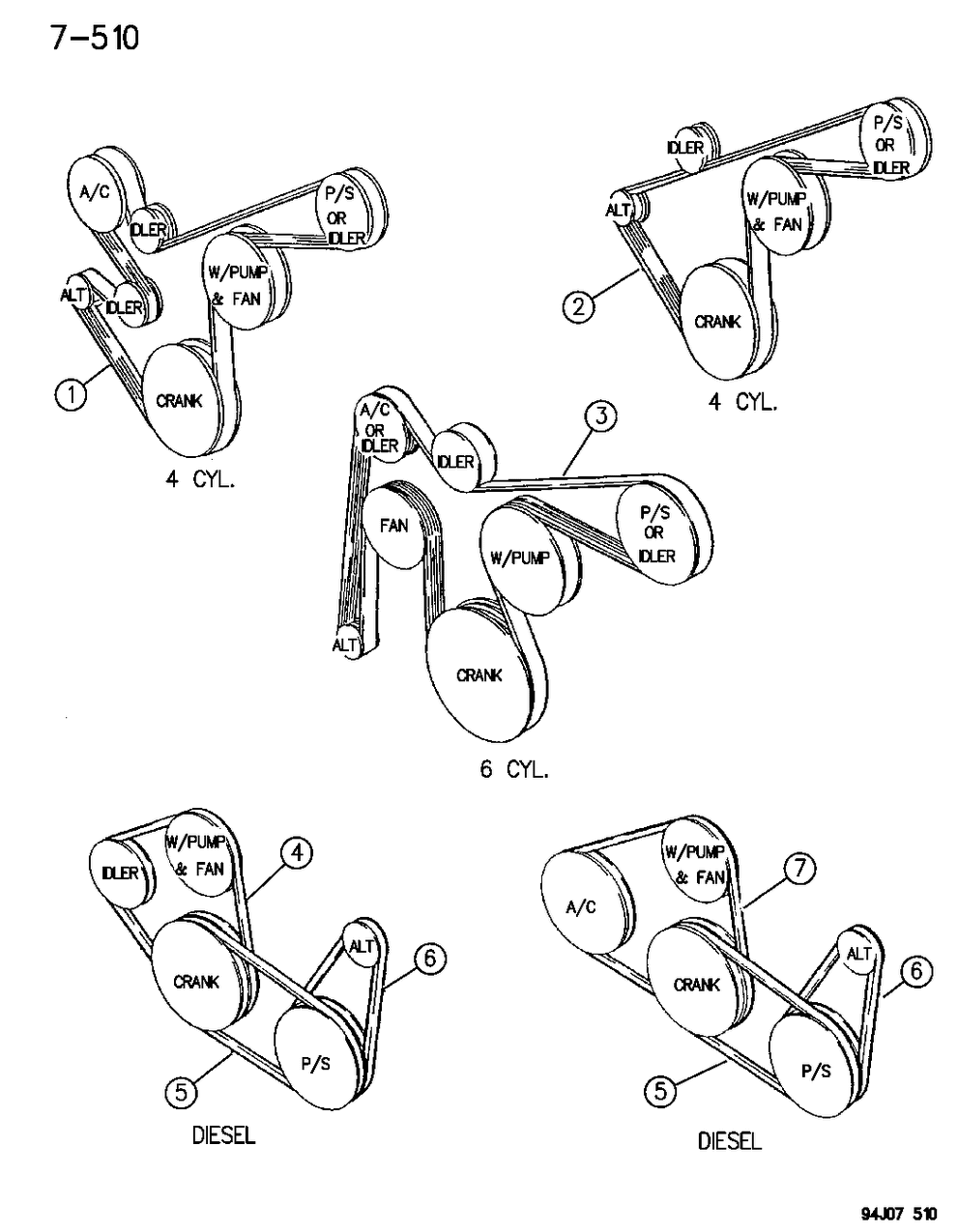
A belt diagram is a simple drawing or map that shows how the belt snakes around the pulleys in your engine bay. It helps you see the exact path the belt follows, including which pulleys are driven by the engine and which are just idlers or tensioners. If your belt breaks or slips off, a diagram helps you put everything back the right way.
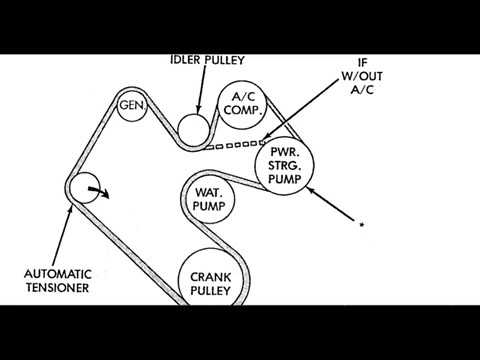
For the Jeep Cherokee, the belt setup can be different depending on the model year and engine type. Misrouting the belt can cause damage to your engine, so accuracy is vital.
Typical Jeep Cherokee Belt Routing
While the Jeep Cherokee has had several engine options over the years, many owners drive the 4.0L straight-six engine. This engine is famous for its longevity and is found in Cherokees from the late 1980s through 2001. Let’s look at a standard belt routing for the 4.0L engine:
| Component | Position in Belt Path | Function |
|---|---|---|
| Crankshaft Pulley | Start/End Point | Drives the belt |
| Power Steering Pump | Next after Crankshaft | Enables steering assist |
| Idler Pulley | Between Power Steering and Alternator | Guides the belt |
| Alternator | After Idler | Charges battery |
| Air Conditioning Compressor | After Alternator | Powers A/C |
| Tensioner Pulley | After A/C | Keeps belt tight |
| Water Pump | Before returning to Crankshaft | Cools engine |
This order can change with other engines. For example, the 2.
5L four-cylinder and later V6 models may have different layouts.
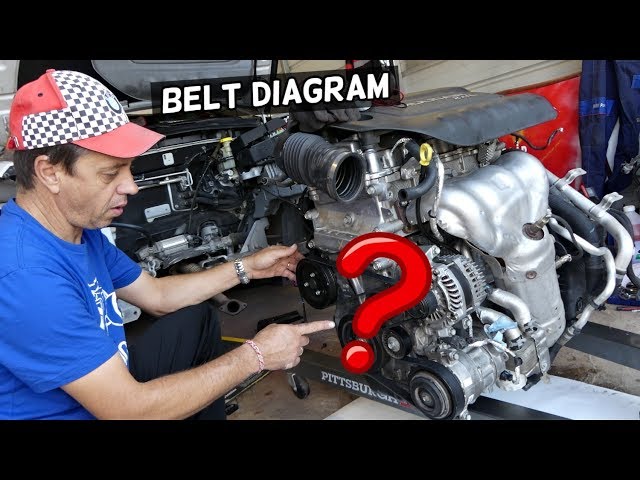
Reading And Using The Jeep Cherokee Belt Diagram
You’ll often find a belt diagram sticker under the hood, usually on the radiator support or near the fan shroud. If it’s missing or faded, you can use owner’s manuals or trusted online sources.
Here’s how to read a typical diagram:
- Start at the crankshaft pulley—this is the main driver.
- Follow the arrows or line to see where the belt goes next.
- Identify each pulley: Power steering, alternator, A/C compressor, water pump, idler, and tensioner.
- Double-check the direction (some pulleys are ribbed, some are smooth).
- Note any special routing for vehicles with or without air conditioning.
Let’s compare two common belt paths for the Jeep Cherokee:
| Engine Type | Number of Pulleys | Typical Belt Path |
|---|---|---|
| 4.0L Inline-6 | 7 | Crankshaft → Power Steering → Idler → Alternator → A/C Compressor → Tensioner → Water Pump |
| 2.5L Inline-4 | 6 | Crankshaft → Power Steering → Alternator → A/C Compressor → Tensioner → Water Pump |
Tip: If you’re unsure, snap a photo of your old belt before removing it.
Steps To Replace The Serpentine Belt
Changing the belt is easier if you have a clear diagram and the right tools. Here’s a basic process for most Jeep Cherokees:
- Turn off the engine and let it cool down.
- Locate the belt tensioner. Use a wrench or breaker bar to rotate it and release tension.
- Slide the old belt off the pulleys.
- Compare the old belt to your new one to check length and width.
- Use the belt diagram to route the new belt around the pulleys.
- Rotate the tensioner again and slip the belt over the final pulley.
- Double-check the belt is seated in all grooves.
- Start the engine and watch for smooth operation.
A worn belt often shows cracks, fraying, or missing chunks. Replace it immediately if you see these signs.
Common Mistakes And How To Avoid Them
Many DIYers make simple errors when working with serpentine belts:
- Routing errors: Not following the diagram leads to poor accessory performance or even damage.
- Wrong belt size: Using a belt that’s too long or short will cause slipping or extra stress.
- Missing bad pulleys: Sometimes the problem is not the belt but a noisy or stuck pulley.
- Ignoring tension: Too much or too little tension can cause squealing or rapid wear.
If you’re ever unsure, consult a trusted mechanic or refer to the Jeep Cherokee XJ Wikipedia page for more technical details.
How Often Should You Replace The Belt?
Most serpentine belts last between 60,000 and 100,000 miles. However, harsh climates, heavy loads, or lots of stop-and-go driving can shorten this lifespan. Always inspect the belt during regular oil changes. If you hear squealing, see cracks, or notice your power accessories acting up, it may be time for a replacement.
Here’s a quick comparison of typical belt lifespans:
| Driving Condition | Expected Belt Life (miles) |
|---|---|
| Normal use | 80,000–100,000 |
| Frequent off-roading | 60,000–80,000 |
| Extreme heat/cold | 50,000–70,000 |
Frequently Asked Questions
What Happens If I Route The Belt Incorrectly?
Routing the belt wrong can cause accessory failure or even severe engine damage. Always use the correct diagram for your engine model.
Can I Drive With A Broken Serpentine Belt?
No. The serpentine belt powers essential components like the alternator and water pump. Without it, your Jeep will quickly overheat and lose electrical power.
How Do I Know If My Belt Tensioner Is Bad?
A bad tensioner may make squeaking noises, cause the belt to slip, or show visible damage. If the pulley wobbles or the spring feels weak, replace it.
Are All Jeep Cherokee Belt Diagrams The Same?
No. Belt diagrams vary by engine type, year, and whether you have air conditioning. Always match the diagram to your specific vehicle.
Where Can I Find A Reliable Jeep Cherokee Belt Diagram Online?
The best sources are the official service manual, reputable Jeep forums, or manufacturer websites. Avoid diagrams for different engines or years, as small changes matter.
Understanding your Jeep Cherokee belt diagram makes maintenance simpler and helps you avoid costly mistakes. With the right information, replacing or checking the serpentine belt is a task many owners can handle themselves, saving time and money while keeping your Cherokee ready for adventure.