When your Jeep Cherokee’s air conditioning doesn’t cool as it should, the refrigerant type is a detail you can’t ignore. Many drivers are unsure which AC refrigerant their Cherokee needs, especially as models and years change.
Using the wrong type can damage the system or reduce cooling power. This guide explains everything you need to know about Jeep Cherokee AC refrigerant type, so you can maintain comfort and avoid costly mistakes.
Why Ac Refrigerant Type Matters
The AC refrigerant is the fluid that absorbs heat from your cabin and releases it outside. Each Jeep Cherokee generation is designed for a specific refrigerant, and mixing types can cause leaks, poor cooling, or compressor failure. Car manufacturers also changed refrigerant types over the years to meet environmental laws.
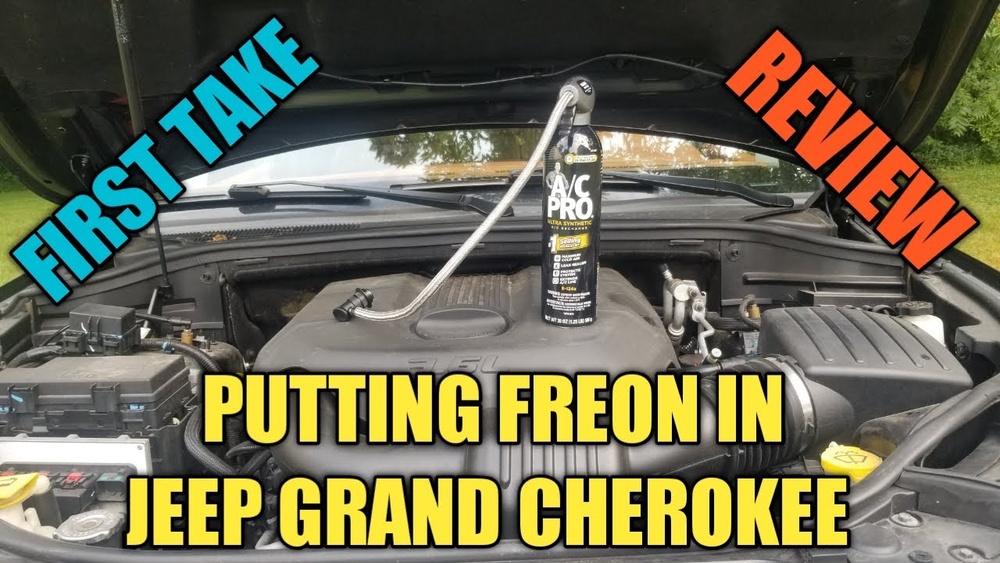
A quick look at the main reasons to use the correct refrigerant:
- System compatibility: Incorrect refrigerants can damage seals and hoses.
- Cooling efficiency: The wrong type lowers AC performance.
- Environmental safety: Some refrigerants harm the atmosphere if released.
Jeep Cherokee Ac Refrigerant Types By Model Year
Not all Jeep Cherokees use the same refrigerant. Let’s break it down by year and engine type.
| Model Year | Refrigerant Type | Capacity (oz) |
|---|---|---|
| 1984–1995 | R12 (Freon) | 32–36 |
| 1996–2013 | R134a | 22–24 |
| 2014–Present | R1234yf (some R134a early on) | 15–18 |
R12 (Freon) was used in older models but is now banned in many countries due to ozone damage. R134a replaced it, offering better environmental safety. Recent Cherokees (2014+) often use R1234yf, a newer refrigerant with very low global warming potential.
Tip: Always check your owner’s manual or the label under the hood for your exact model.
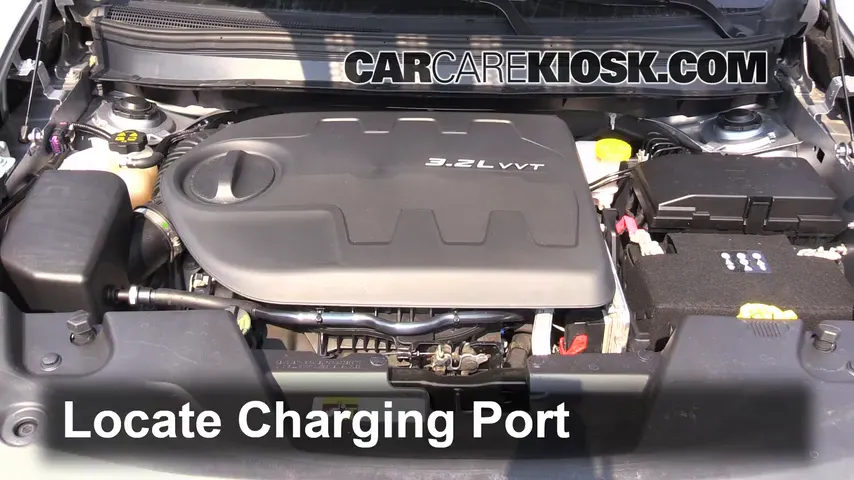
How To Check And Refill Your Jeep Cherokee’s Ac Refrigerant
Knowing your refrigerant type is only the first step. Here’s a simple way to check and add refrigerant safely:
- Locate the AC service ports: Look for low and high-pressure ports. The low side port is usually used for refilling.
- Read the label: Under the hood, a sticker will confirm the refrigerant type and capacity.
- Get the right kit: Buy a recharge kit for your specific refrigerant (R134a or R1234yf). R12 refills are illegal in most places.
- Check pressure: Use the gauge from your kit on the low side port. Normal pressure with the AC on max should be between 25–45 PSI for R134a systems.
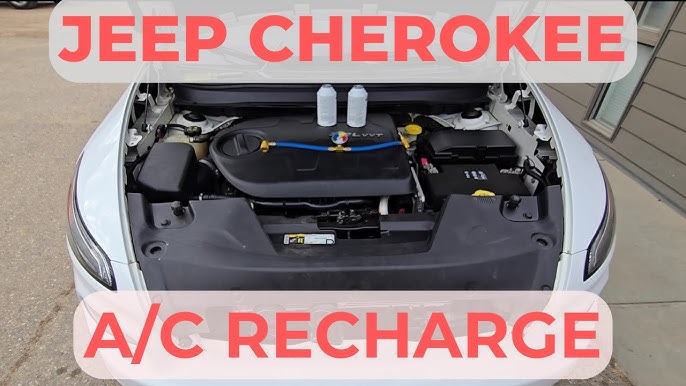
- Add refrigerant if needed: Attach the can to the port and refill slowly. Don’t overfill—too much can damage the compressor.
Never mix different types of refrigerants. If your system was converted (for example, R12 to R134a), only use the new approved type.
Jeep Cherokee Ac System: Key Differences By Generation
There are important differences in the AC systems as the Cherokee evolved. Here’s a quick comparison:
| Generation | AC System Highlights | Common Issues |
|---|---|---|
| XJ (1984–2001) | R12/R134a, simple controls | O-ring leaks, compressor wear |
| KJ/KK (2002–2013) | R134a, improved compressors | Blend door failure, slow leaks |
| KL (2014–present) | R1234yf, advanced climate control | High cost of refrigerant, sensor problems |
Non-obvious insight: R1234yf is much more expensive than R134a and requires special equipment for repairs. Some shops charge over $300 just for a recharge.
Common Mistakes When Handling Ac Refrigerant
Many owners make errors that can damage their AC system or reduce cooling. Here are common mistakes to avoid:
- Using the wrong refrigerant: Never mix R134a and R1234yf, or use substitutes not approved for your model.
- Overcharging the system: Too much refrigerant can cause high pressure and damage the compressor.
- Not fixing leaks first: If your system needs frequent recharging, you have a leak. Recharging without repair is only a temporary fix.
- Ignoring oil balance: The AC compressor requires special oil. If you replace parts, make sure the correct oil type and amount is added.
Experienced advice: If you’re unsure, have an AC-certified mechanic check and service your system. Modern refrigerants need special tools.
Environmental Impact Of Jeep Cherokee Ac Refrigerants
The switch from R12 to R134a and now R1234yf was driven by environmental rules. R1234yf has a global warming potential (GWP) of just 4, compared to 1,430 for R134a. This makes new Cherokees much greener. However, R1234yf is also mildly flammable and needs careful handling.
If you own an older Cherokee with R12, converting to R134a is usually recommended, as R12 is now rare and illegal in many countries. Proper recycling and disposal are important for all refrigerants to protect the environment.
Ac Performance Tips For Jeep Cherokee Owners
Keeping your AC system efficient means more than just using the right refrigerant. Here are two practical tips many owners miss:
- Run your AC regularly: Even in winter, turn it on for 10 minutes every few weeks. This keeps seals lubricated and prevents leaks.
- Replace the cabin air filter: A dirty filter restricts airflow and makes your AC work harder, reducing cooling.
If you notice a loss in cooling, unusual noises, or oily residue on AC lines, have your system checked. Small problems can become expensive repairs if ignored.
Jeep Cherokee Refrigerant Cost And Service
Cost is a major factor for many drivers, especially with newer R1234yf systems. Here’s a quick comparison of average recharge costs:
| Refrigerant Type | Average Cost (Parts + Labor) |
|---|---|
| R134a | $100–$180 |
| R1234yf | $250–$400 |
DIY kits for R134a usually cost $30–$60. R1234yf kits are less common and more expensive.
Most shops now have the right tools, but always confirm before booking service.
For more details on refrigerant types and environmental standards, the official EPA website offers valuable information.

Frequently Asked Questions
What Type Of Refrigerant Does A 2016 Jeep Cherokee Use?
Most 2016 Jeep Cherokees use R1234yf. Some early 2014–2015 models may still use R134a, so check the label under your hood or your owner’s manual to be sure.
Can I Use R134a In A System Designed For R1234yf?
No, you should not mix or substitute refrigerants. R1234yf systems are designed for that specific chemical. Using R134a can damage the system and is illegal in many states.
How Often Should I Recharge My Jeep Cherokee’s Ac Refrigerant?
Under normal conditions, your AC should not need regular recharging. If you need to recharge more than once every few years, there is likely a leak that should be repaired.
What’s The Cost Difference Between R134a And R1234yf?
R1234yf is about 3–4 times more expensive than R134a due to production cost and special equipment needs. Expect to pay $250–$400 for a shop recharge with R1234yf.
Is It Safe To Recharge My Jeep Cherokee’s Ac Myself?
You can recharge R134a systems with a DIY kit if you follow instructions carefully. R1234yf is harder to handle and best left to professionals because of its flammability and system complexity.
Keeping your Jeep Cherokee’s AC cold isn’t hard once you know the right refrigerant type. Pay attention to your model year, follow safety steps, and don’t ignore small problems.
With the right maintenance, your AC will keep you comfortable for years to come.