When you're driving your Jeep Cherokee, knowing which wheels are getting power is crucial, especially if you're venturing off the beaten path. The 4-wheel drive indicator is your dashboard's way of telling you exactly that.
It's a small light or symbol that illuminates to show you when your Jeep is actively using its four-wheel-drive system. This system is designed to provide better traction and control on slippery surfaces like snow, mud, sand, or rocky terrain.
Understanding this indicator is not just about knowing if your 4WD is on; it’s about understanding your vehicle’s capabilities and ensuring you use them safely and effectively.
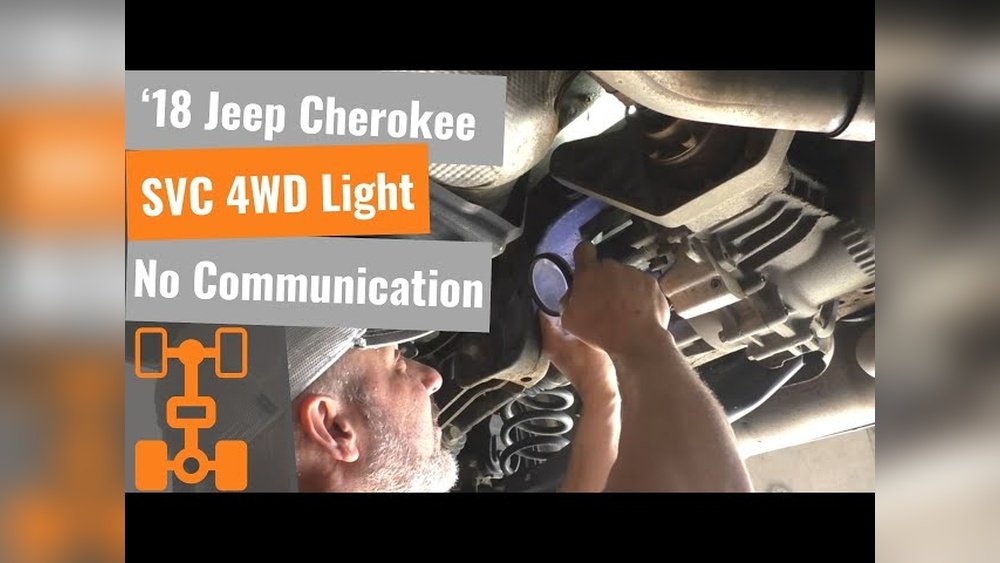
Many drivers, especially those new to 4WD vehicles, might see this light and wonder what it means. Is it always supposed to be on?
When should it come on? What if it doesn't turn on when I expect it to?
These are common questions, and the answers can help prevent damage to your drivetrain and ensure you get the most out of your Jeep Cherokee’s legendary off-road prowess. This guide will break down the Jeep Cherokee 4-wheel drive indicator, explaining its different modes, common issues, and how to interpret its signals.
Understanding Your Jeep Cherokee’s 4wd System
Before diving into the indicator light itself, it’s important to grasp the basics of how a 4WD system works in a Jeep Cherokee. Most modern Cherokees come equipped with sophisticated 4WD systems that can be automatic, part-time, or full-time, depending on the model year and trim level.
The indicator light’s behavior will vary slightly based on the type of system your Cherokee has.
Types Of 4wd Systems In Jeep Cherokees
Jeep has offered several different 4WD systems over the years. The most common ones you’ll encounter are:
- Selec-Trac: This is a full-time 4WD system that constantly sends power to all four wheels. It uses a center differential that allows for slip between the front and rear axles, making it safe to use on dry pavement. The system automatically adjusts power distribution based on road conditions. The indicator light for Selec-Trac systems might show a more general 4WD symbol, often indicating that the system is engaged and active.
- Command-Trac: This is a part-time 4WD system. It typically offers three modes: 2WD (rear-wheel drive only), 4WD High (4WDH), and 4WD Low (4WDL). In 2WD, only the rear wheels receive power, which is ideal for normal driving on dry, paved roads to save fuel and reduce wear. When you shift into 4WDH, power is sent to all four wheels, but it’s a locked system, meaning there’s no differential action between the front and rear axles. This mode is for slippery conditions but should not be used on dry pavement. 4WDL is a lower gear ratio for extreme off-road situations requiring maximum torque and slow speeds. The indicator light for Command-Trac will typically change to reflect the selected mode.
- Active Drive I & II: These are more advanced automatic 4WD systems found in newer Cherokees. They can automatically engage the rear axle when needed, providing 4WD performance without driver input. Active Drive II often includes a 2-speed Power Transfer Case (PTC) with a low-range gear, similar to Command-Trac’s 4WDL. These systems are designed to be used on-demand and can often be left engaged on pavement without issue, as they have mechanisms to prevent binding. The indicator light will usually show when the system has automatically engaged or when a specific mode (like 4WDL) is selected.
How The Indicator Light Works
The 4-wheel drive indicator light is connected to sensors within your Jeep’s drivetrain. These sensors monitor the transfer case, wheel speed, and other components to determine which mode the 4WD system is in. When you shift from 2WD to a 4WD mode (like 4H or 4L), the system engages the front driveshaft and axles. The indicator light then receives a signal and illuminates on your dashboard.
The specific symbol can vary. You might see:
- A “4WD” or “4×4” text.
- An icon showing a vehicle with four wheels, sometimes with an arrow indicating power distribution.
- A symbol that changes color or shape to denote different modes (e.g., green for 4WD engaged, yellow for a system warning).
The Importance Of Correct Indicator Usage
Using the wrong 4WD mode on the wrong surface can lead to serious mechanical problems. For example, using a locked 4WD mode (like 4WDH on Command-Trac without a center differential) on dry pavement forces the front and rear wheels to rotate at the same speed. When you turn, the front wheels need to travel a different distance than the rear wheels. This mismatch causes the drivetrain to bind up, putting immense stress on the transfer case, U-joints, axles, and tires. It can lead to costly repairs.
The 4-wheel drive indicator light serves as your primary visual cue. If it’s on when you expect it to be, it confirms the system is engaged. If it’s off when you expect it to be on, or if it flashes or stays on constantly when it shouldn’t, it’s a signal that something might be wrong.
Decoding The Jeep Cherokee 4wd Indicator Light Symbols
Jeep has used various symbols and indicator lights over the years for its 4WD systems. Understanding these specific symbols is key to knowing what your Cherokee is telling you.
Common Indicator Symbols And Their Meanings
While the exact symbol can differ slightly between model years and trim levels, here are some common ones and what they generally signify:
- “4WD” or “4×4” Light: This is the most straightforward indicator. When it illuminates, it means the 4-wheel drive system is engaged.
- Command-Trac (Part-Time): In this system, the “4WD” or “4×4” light will come on when you shift into 4WD High (4H) or 4WD Low (4L). It should turn off when you shift back to 2WD.
- Selec-Trac (Full-Time): The “4WD” light might stay on more consistently, indicating the full-time system is active and managing power distribution. Some Selec-Trac systems might have a separate indicator for when the system is in a specific mode, like a locked 4WD mode if it has one.
- Active Drive (Automatic): For systems like Active Drive I, the “4WD” light might illuminate when the system automatically engages the rear axle due to detected slippage. For Active Drive II with a 2-speed transfer case, the light will show when 4WD Low (4L) is engaged.
- “4WD LOW” or “4L” Light: This specific light is crucial for systems with a low-range gear, like Command-Trac or Active Drive II. It illuminates only when the transfer case is shifted into the 4WD Low (4L) position. This mode provides significantly more torque for crawling over obstacles or pulling heavy loads at very low speeds. It’s essential to remember that this light should only be on when you are in 4L, and you should never use 4L on dry pavement.
- Flashing 4WD Light: A flashing or blinking “4WD” or “4×4” light is almost always an error indicator. It suggests that the 4WD system is not engaging properly, there’s a fault detected, or there’s a mechanical issue. This could be due to a faulty sensor, a problem with the transfer case actuator, low fluid levels, or even a wheel speed sensor issue. If this light flashes, you should generally disengage 4WD (if possible) and have the vehicle inspected by a qualified mechanic as soon as possible. Do not continue to drive in 4WD if the light is flashing.
- “Service 4WD” or “Check 4WD System” Light: This is a more general warning light that indicates a fault within the 4WD system. It could be related to any component, from the electronic controls to the mechanical parts. Similar to a flashing light, this means you should stop using 4WD and seek professional diagnosis.
What The Lights Mean For Different Driving Conditions
- Normal Pavement Driving: For most Cherokees, the 4WD indicator light should be OFF when driving on dry, paved roads in 2WD mode. If you have a full-time system (Selec-Trac, Active Drive I), it might be on, but the system is designed to handle these conditions.
- Snow, Ice, Mud, Sand: This is when you want your 4WD indicator light ON. Shift into 4H (or the appropriate automatic mode) for enhanced traction.
- Off-Roading (Steep Inclines, Rocks, Slow Crawling): If your Cherokee has a low-range gear (4L), you’ll want the “4L” light ON. This provides the necessary power and control for challenging terrain.
Pro Tip: Always Consult Your Owner’s Manual
The most accurate information about your specific Jeep Cherokee’s 4WD indicator lights will be in your owner’s manual. It details the exact symbols used, their meanings, and the recommended actions for each situation. Keep it in your glove box!

Troubleshooting Common 4wd Indicator Light Issues
Seeing your 4WD indicator light behave unexpectedly can be concerning. Fortunately, many common issues are relatively simple to diagnose and fix.
1. The 4wd Light Stays On When It Shouldn’t
This is a common scenario, especially if you have a part-time 4WD system like Command-Trac. If you’ve driven on dry pavement in 4WD and the light remains illuminated even after shifting back to 2WD, it usually means the system has “bound up.”
- What’s Happening: The drivetrain components are stressed because the front and rear wheels are forced to rotate at different speeds.
- How to Fix:
- Find an open, low-traction area: This could be a gravel lot, a grassy field, or even a snowy road.
- Drive straight: Accelerate gently in a straight line for a short distance (e.g., 20-50 feet). This allows the wheels to spin at different speeds, relieving the stress.
- Shift back to 2WD: Once the binding is released, you should be able to shift back into 2WD, and the light should turn off.
- Warning: Never attempt to force the shifter if it feels stuck. Aggressive shifting can cause damage.
2. The 4wd Light Doesn’t Come On When It Should
If you shift into 4H or 4L, but the indicator light remains off (or the system doesn’t seem to engage), there could be several reasons:
- Incorrect Shifting Procedure: Some Jeeps require you to be stopped or moving very slowly (e.g., under 5 mph) and have the transmission in Neutral to engage 4WD, especially 4L.
- How to Fix: Consult your owner’s manual for the exact procedure for your model year. Ensure you follow it precisely.
- Faulty Sensor: The sensor that tells the dashboard light the 4WD system is engaged might be malfunctioning.
- How to Fix: This requires diagnosis by a mechanic to test and replace the faulty sensor.
- Actuator Problem: The actuator responsible for physically engaging the 4WD system in the transfer case might have failed.
- How to Fix: This is a mechanical repair that needs professional attention.
- Low Transfer Case Fluid: Insufficient fluid can prevent the system from operating correctly.
- How to Fix: Check the transfer case fluid level and top it up if necessary, using the correct fluid type specified in your owner’s manual.
3. The 4wd Light Is Flashing Or The “service 4wd” Light Is On
This is the most serious indicator of a problem.
- Possible Causes:
- Transfer Case Control Module (TCCM) Issue: The computer that controls the 4WD system may have a fault.
- Wheel Speed Sensor Failure: These sensors provide data to the TCCM. If one fails, the system may not engage or disengage properly.
- Wiring Problems: Damaged or corroded wiring to any 4WD component can cause errors.
- Mechanical Failure: Internal damage to the transfer case or drive components.
- How to Handle:
- Stop using 4WD: If the light is flashing or the service light is on, disengage 4WD immediately if possible.
- Do not force engagement: Avoid repeatedly trying to shift into 4WD, as this could worsen the damage.
- Seek professional diagnosis: Take your Jeep to a qualified mechanic or a Jeep dealership. They have the specialized tools (like diagnostic scanners) to read error codes from the TCCM and pinpoint the exact problem.
Example: A Personal Experience With A Flashing Light
“A few years ago, on a snowy morning commute, my Jeep Cherokee’s 4WD light started flashing as I tried to engage 4H. I immediately let off the gas and shifted back to 2WD. The light continued to flash. I pulled over, turned off the engine, waited a minute, and restarted. The flashing stopped, but the “Service 4WD” light stayed on. I drove cautiously home in 2WD and took it to my mechanic the next day. He found a faulty speed sensor on the front axle, which was sending incorrect data to the 4WD system. Replacing the sensor fixed the issue completely.”
Understanding The 4wd Indicator In Different Jeep Cherokee Generations
The specific 4WD system and, consequently, the indicator light behavior can vary significantly depending on the generation of your Jeep Cherokee.
First Generation (xj: 1984-2001)
The XJ generation is famous for its robust and relatively simple 4WD systems.
- Command-Trac: This was the most common part-time system. It featured a manual transfer case shifter. The indicator light was typically a simple “4WD” or “4×4” symbol that illuminated when you moved the lever to 4H or 4L. A separate “4L” light would illuminate exclusively for 4WD Low. Issues often involved worn linkages or faulty switches on the transfer case.
- Selec-Trac: This



















