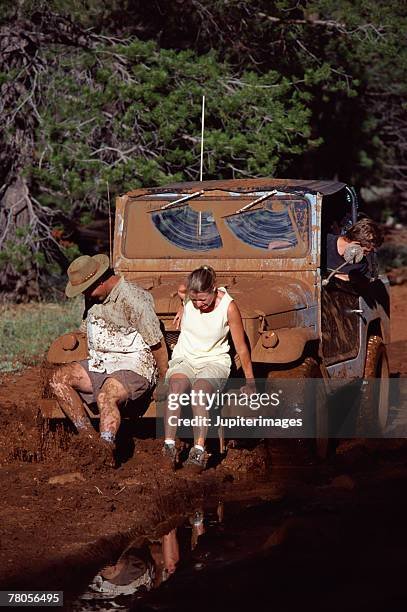
The Jeep Cherokee 4. 0 engine has been a favorite among SUV enthusiasts for decades.
Known for its reliability and strong performance, the 4. 0-liter inline-six is still found on the road today, powering both daily drivers and off-road beasts.
If you own or maintain a Jeep Cherokee 4. 0, understanding the correct oil capacity is essential.
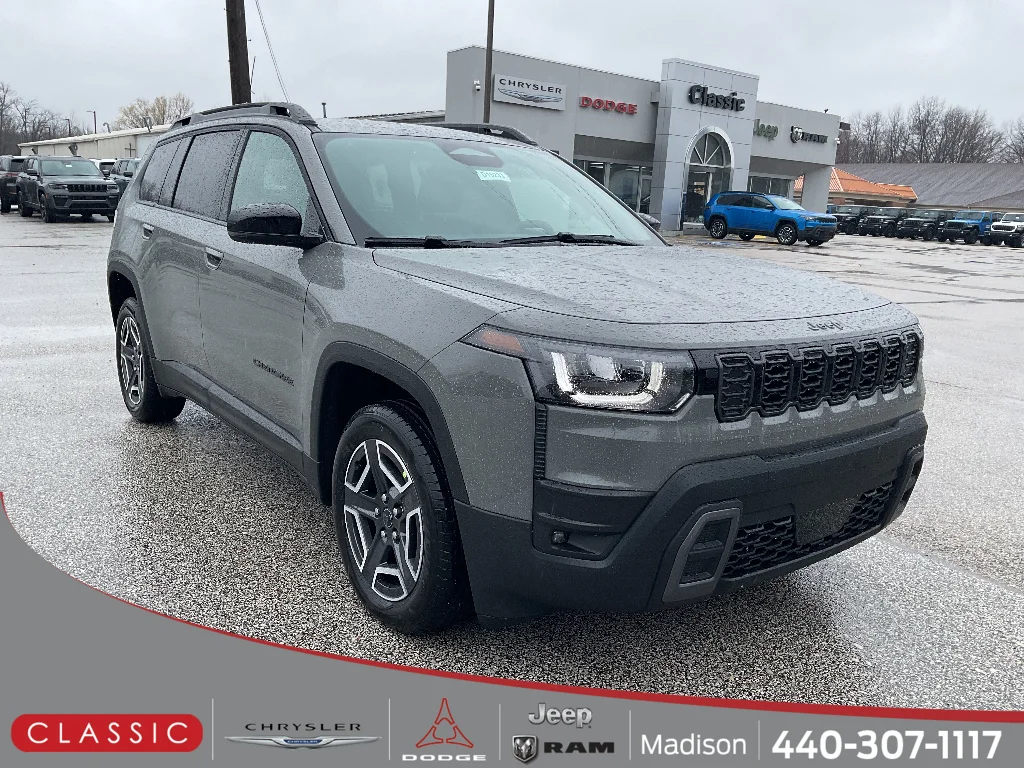
Using the right amount of oil keeps your engine healthy, helps avoid costly repairs, and ensures the best possible performance.
For those new to car maintenance, oil capacity is not just a number—it affects everything from oil pressure to the engine’s lifespan. Let’s break down what you need to know about the Jeep Cherokee 4.
0 oil capacity, the type of oil it needs, how often to change it, and some common questions owners have.
Standard Oil Capacity Of The Jeep Cherokee 4.0
The oil capacity for the Jeep Cherokee 4.0 engine is a detail every owner should know. In most model years, the 4.0-liter engine takes 6 quarts (5.7 liters) of oil when changing both the oil and the filter. This is the full refill amount, so always check the dipstick after adding oil to make sure you’re at the correct level.
You might see some sources list a slightly lower number. This usually refers to the amount needed if you don’t change the oil filter or don’t drain all the old oil.
Always follow the amount recommended for an oil and filter change, as this is best for engine protection.
Here’s a quick comparison of oil capacity for several Jeep Cherokee engines:
| Engine | Oil Capacity (with filter) |
|---|---|
| 4.0L I6 | 6 quarts |
| 2.5L I4 | 5 quarts |
| 3.7L V6 | 5 quarts |
| 5.2L V8 | 5.5 quarts |
The 4. 0 engine’s higher capacity helps it handle heat and long drives better than smaller engines.
Type Of Oil Recommended
Choosing the right motor oil for your Jeep Cherokee 4.0 is just as important as the correct amount. Jeep recommends using SAE 10W-30 for most climates. If you live in a very cold area, 5W-30 may be better for easy starts in winter.
Some owners prefer synthetic oil for improved engine protection, while others stick with conventional oil. Both types work, but synthetic oil can last longer and handle extreme temperatures better.
For reference, here’s how different oil types perform:
| Oil Type | Temperature Range | Change Interval |
|---|---|---|
| Conventional | -10°F to 100°F | 3,000 miles |
| Synthetic | -30°F to 110°F | 5,000–7,500 miles |
Always make sure the oil meets API SN or newer standards for the best protection.
Oil Filter Change And Its Effect On Capacity
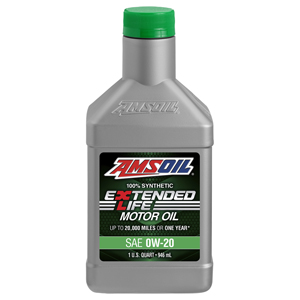
Changing the oil filter is a small step that makes a big difference. Every oil change should include a new filter. The filter holds a small amount of oil—usually about 0.5 quarts—which is why the total oil capacity is higher when you change the filter.
If you forget the filter, you might not get all the old, dirty oil out. This can lead to sludge or reduced engine life.
Also, using a poor-quality filter can cause leaks or poor oil flow, so always choose a filter that matches your engine’s specifications.
When you do a full oil and filter change, remember to:
- Drain the old oil completely while the engine is warm (but not hot).
- Replace the filter with a high-quality part.
- Add 6 quarts of new oil slowly, checking the dipstick after 5 quarts and topping up as needed.
- Start the engine, let it run for a minute, then check for leaks and the final oil level.
Oil Change Interval And Tips
How often should you change the oil in your Jeep Cherokee 4.0? For regular driving, every 3,000 to 5,000 miles is a safe rule. If you use synthetic oil, you might be able to go up to 7,500 miles between changes, but check your oil regularly.
Driving in tough conditions, like dusty roads, heavy loads, or lots of short trips, means you should change oil more often. Dirty oil loses its ability to protect the engine, leading to more wear.
Here are some tips to make oil changes easier and safer:
- Warm up the engine first so oil flows out easily.
- Use a quality oil filter wrench to avoid damaging the filter.
- Always check for leaks after changing oil and filter.
- Dispose of old oil responsibly at a recycling center.
Many new owners forget to check the oil level after the first drive. Oil can settle, so check the dipstick again after a short trip and add more if needed.
Common Mistakes To Avoid
Even experienced owners can make mistakes when changing oil. Here are some common ones:
- Overfilling or underfilling oil – Too much oil can cause leaks or damage seals; too little oil can lead to engine failure.
- Forgetting the oil filter – Not changing the filter leaves old contaminants in your system.
- Using the wrong viscosity – Too thick or too thin oil can cause poor lubrication or hard starts.
- Not tightening the drain plug – A loose plug leads to leaks; overtightening can strip the threads.
A less obvious tip: Always check the oil level with the Jeep on a level surface. An uneven driveway can give a false reading.
Frequently Asked Questions