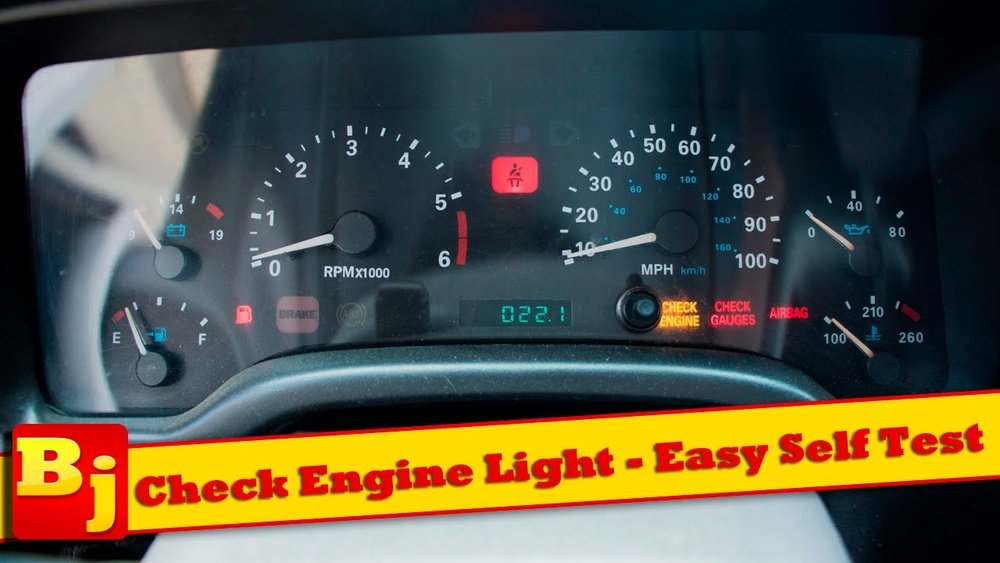
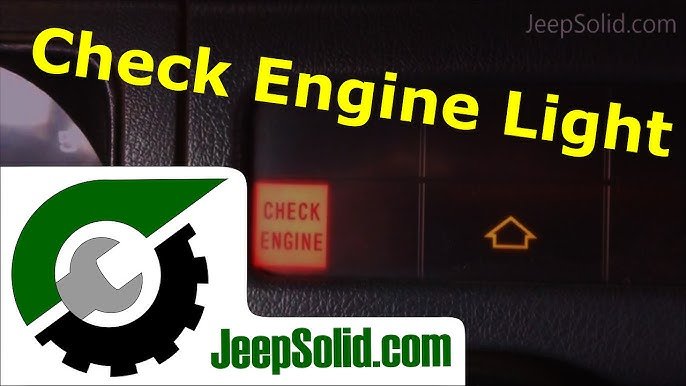
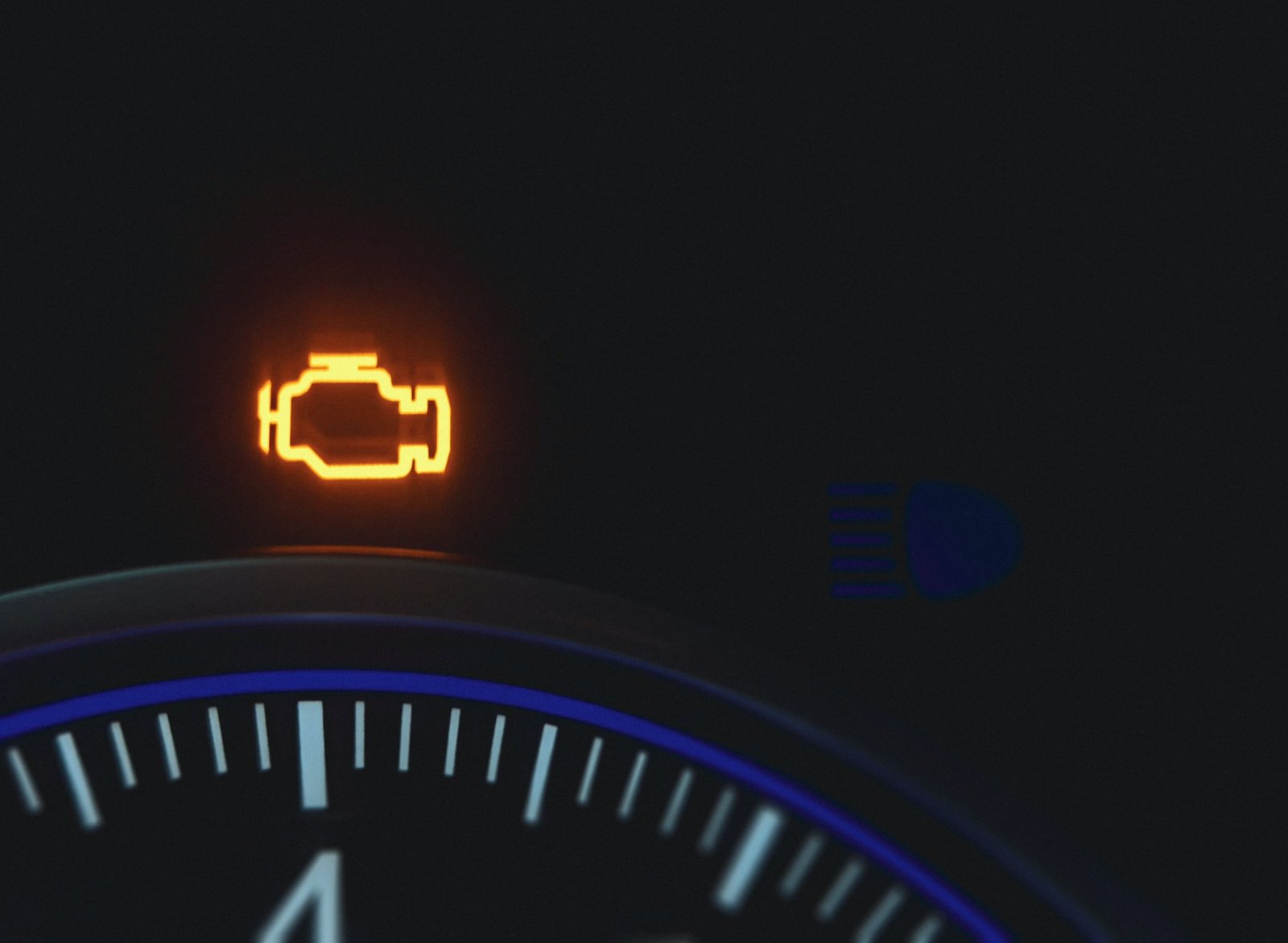
If your Jeep’s check engine light is solid and won’t turn off, you might be wondering what’s going on under the hood. That steady glow is your vehicle’s way of telling you something needs attention.
Ignoring it won’t make the problem disappear in fact, it could lead to bigger, more expensive issues down the road. Whether you’re driving a Jeep Wrangler, Cherokee, or any other model, understanding why the check engine light stays on is important.
You’ll discover the common reasons behind that solid warning, what steps you should take right now, and how to avoid surprises on your next drive. Keep reading to protect your Jeep and stay safe on the road.
Common Causes
The solid check engine light on your Jeep signals an issue needing attention. Understanding common causes helps you act quickly.
Many problems are simple but may affect your Jeep’s performance.
Below are common reasons why the check engine light stays solid. Each cause relates to key parts of your Jeep’s engine or fuel system.
Loose Gas Cap
A loose or damaged gas cap often triggers the check engine light. It can cause fuel vapors to leak, affecting emissions.
Tighten the gas cap until it clicks. Replace it if the seal is broken or worn out.
Faulty Oxygen Sensor
The oxygen sensor measures exhaust gases to manage fuel mixture. A faulty sensor sends wrong data, causing poor fuel economy and higher emissions.
Replacing a bad oxygen sensor improves engine efficiency.
Catalytic Converter Issues
The catalytic converter reduces harmful emissions. If it fails, the engine light turns on.
Problems include blockages or damage. A bad catalytic converter lowers performance and increases pollution.
Worn Spark Plugs
Spark plugs ignite the fuel-air mix in the engine. Worn or dirty plugs cause misfires, rough idling, and lower power.
Replacing spark plugs can restore smooth engine operation and turn off the check engine light.
Vacuum Leaks
Vacuum leaks occur when air enters the engine through cracks or loose hoses. This disrupts the air-fuel mix and triggers the engine light.
Inspect hoses and gaskets for leaks and fix them promptly.
Faulty Mass Air Flow Sensor
The mass air flow sensor measures air entering the engine. A faulty sensor sends incorrect data, causing poor fuel management.
Cleaning or replacing this sensor can solve the problem and clear the check engine light.
Symptoms To Watch For
The solid check engine light on your Jeep signals a need for attention. Recognizing symptoms early helps avoid bigger problems.
Watch out for these common signs that your Jeep may need service.
Engine Performance Changes
Your Jeep may hesitate or stall during driving. The engine might run rough or lose power suddenly.
Noticeable misfires can occur, causing jerky movement. These changes suggest the engine is not working properly.
Dashboard Warning Lights
Along with the solid check engine light, other lights may appear. The oil or battery light could flash on.
This indicates different systems may have faults. Pay attention to any new warning signals on the dashboard.
Unusual Noises Or Smells
Strange noises like knocking or pinging could come from the engine. You might smell fuel or burning odors inside or outside the vehicle.
These signs often mean something is wrong under the hood. Do not ignore them.
Fuel Efficiency Drop
Your Jeep may use more gas than usual without any change in driving habits. A sudden drop in miles per gallon is a warning sign.
Poor fuel economy can result from engine or emission issues. Keep an eye on your fuel consumption.
Basic Diagnostics
When the Jeep check engine light glows solid, basic diagnostics come first. This step helps identify simple issues that might cause the light.
Some fixes are easy and fast. Doing these checks can save time and money.
Checking The Gas Cap
A loose or damaged gas cap often triggers the check engine light. Start by inspecting the cap for cracks or dirt.
Clean the seal and tighten the cap firmly until it clicks. Drive the Jeep for a few miles to see if the light turns off. This fix works in many cases.
Using An Obd-ii Scanner
An OBD-II scanner reads your Jeep’s computer system. Plug the scanner into the port under the dashboard.
Turn on the ignition without starting the engine. The scanner will display codes stored by the vehicle. These codes hint at the problem source.
Reading Trouble Codes
Each trouble code points to a specific issue. Codes start with a letter, followed by numbers.
For example, P0420 often relates to the catalytic converter. Look up the code online or in the scanner manual.
Understanding the code helps decide the next repair step.
Resetting The Check Engine Light
After fixing the issue, reset the check engine light. Some scanners have a reset option.
Alternatively, disconnect the Jeep battery for about 15 minutes. Reconnect the battery and start the engine.
The light should turn off if the problem is solved.
Diy Fixes
A solid Jeep check engine light can feel worrying. Many fixes do not require a mechanic.
Simple tasks can clear the light and save money. These DIY fixes target common causes.
Tools needed are basic and easy to find.
Start with the easiest and most common issues. These repairs often restore your Jeep’s performance.
Follow step-by-step instructions carefully. Safety first: work in a well-ventilated area and use gloves.
Tightening Or Replacing Gas Cap
A loose gas cap often triggers the check engine light. Turn off your Jeep and open the gas tank cover.
Remove the gas cap and inspect it for cracks or damage. Replace it if worn or broken.
Screw the cap back on tightly until it clicks. Drive for a few miles.
The light may turn off once the system resets.
Cleaning Sensors
Dirty sensors can cause false error signals. Oxygen and mass airflow sensors are common culprits.
Locate the sensor on your Jeep’s engine. Use a sensor cleaner spray to remove dirt and grime.
Avoid touching the sensor’s delicate parts. Let it dry completely before reattaching.
This can improve fuel efficiency and reduce emissions.
Replacing Spark Plugs
Old or worn spark plugs affect engine performance. They can cause misfires and light the check engine warning.
Find the spark plugs under the engine cover. Use a spark plug socket to remove each plug carefully.
Check for wear or deposits on the plugs. Replace with new plugs matching your Jeep’s model.
Tighten them securely but do not over-tighten. This fix improves engine start and smooth running.
Fixing Vacuum Leaks
Vacuum leaks disturb the air-fuel mix and trigger the warning light. Listen for hissing sounds around hoses and connections.
Inspect vacuum hoses for cracks or holes. Replace any damaged hose with new one of the same size.
Use clamps to secure hose ends firmly. Start the engine and check if the light turns off.
Fixing leaks restores engine power and smooth idle.
When To See A Mechanic
Keeping the Jeep check engine light from turning solid starts with smart prevention. Simple daily actions help avoid big problems.
These steps keep your vehicle running smoothly and reduce repair costs.
Regular Maintenance Schedule
Follow the Jeep’s maintenance guide strictly. Change oil and filters at the right times.
Inspect belts and hoses for wear and tear. Regular checks catch small issues early. This stops warning lights from coming on.
Using Quality Fuel
Choose clean, high-grade fuel for your Jeep. Low-quality fuel can cause engine problems.
It may clog fuel injectors or damage sensors. Good fuel keeps the engine parts clean.
This lowers the risk of check engine light activation.
Timely Replacement Of Parts
Replace worn-out parts immediately. Spark plugs, oxygen sensors, and air filters need attention.
Old parts reduce engine efficiency. They also trigger the check engine light. Timely swaps keep your Jeep’s system healthy.
Monitoring Dashboard Indicators
Watch all dashboard lights closely. They give early signs of trouble.
Don’t ignore minor alerts or noises. Addressing these signals quickly can prevent bigger faults. This habit helps maintain your Jeep’s performance.
Conclusion
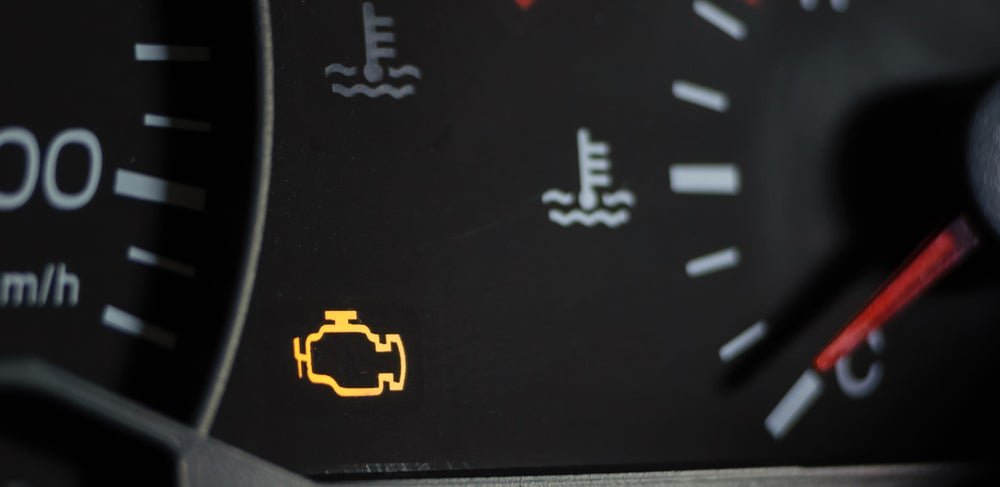
A solid Jeep check engine light signals a problem needing attention. Ignoring it may cause bigger issues or costly repairs.
Start by checking simple things like the gas cap or loose wires. If the light stays on, visit a mechanic for a proper diagnosis.
Regular vehicle care helps keep your Jeep running smoothly. Stay alert to warning signs and act quickly to protect your ride.