Protecting Your Jeep’s Undercarriage: Essential Upgrades For Off-road Durability
Jeeps are built for adventure. They are designed to tackle tough terrain, climb over rocks, and splash through mud.
But with great off-road capability comes the risk of damage. The underbody of your Jeep is especially vulnerable.
Rocks, debris, roots, and even rough pavement can cause serious harm to critical components like the oil pan, transmission, differential, and fuel tank. This is where Jeep car underbody protection becomes not just a good idea, but a necessity for any serious off-roader.
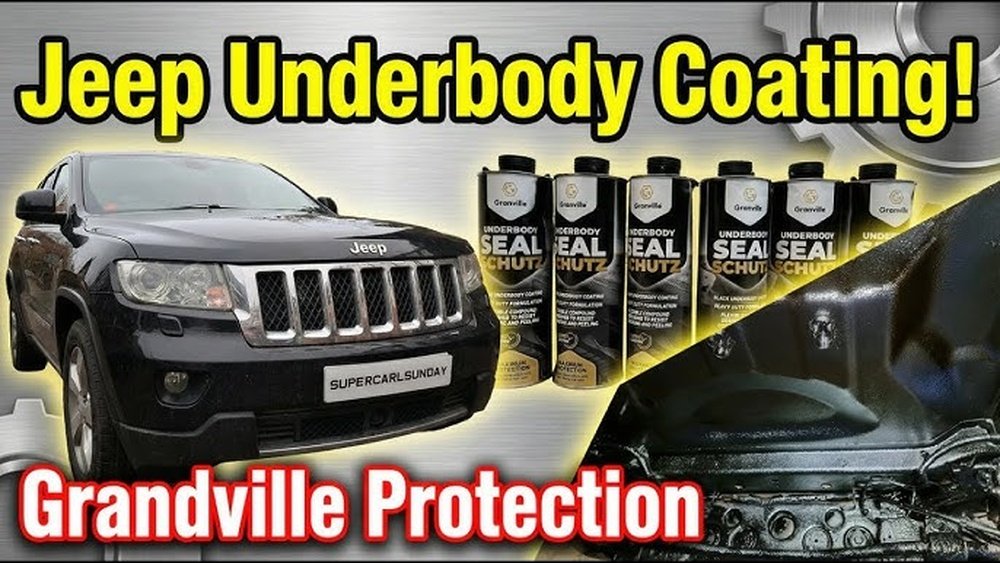
Investing in robust underbody protection can save you from costly repairs and unexpected breakdowns. It allows you to explore further and with more confidence, knowing your Jeep is shielded from the harsh realities of the trail.
This guide will explore the various types of underbody protection available for Jeeps, what to consider when choosing them, and why they are crucial for maintaining your vehicle's longevity and performance.
We’ll cover everything from skid plates to rock sliders, helping you make informed decisions to keep your Jeep’s underbelly safe and sound.
Why Underbody Protection Is Crucial For Jeeps
Jeeps, by their very nature, are intended to go places where pavement ends. This often means encountering obstacles that can easily damage the sensitive parts located underneath the vehicle.
Unlike a standard sedan or SUV that might be driven primarily on roads, a Jeep's mission involves navigating uneven surfaces, sharp rocks, and unpredictable terrain.
The components located under your Jeep are vital for its operation. The engine oil pan is the lowest point of your engine and can be easily punctured. A hole here can lead to rapid oil loss, causing catastrophic engine failure. Similarly, the transmission, transfer case, and differentials are all critical for your Jeep’s drivetrain. Damage to any of these can leave you stranded. The fuel tank and brake lines are also exposed and can be compromised by impacts. Beyond these mechanical components, the frame rails themselves can be bent or damaged, affecting the structural integrity of the vehicle.
Without proper protection, even a seemingly minor off-road excursion can result in significant damage. A sharp rock can crush a fuel tank, leading to leaks and fire hazards. A hard impact can bend a differential housing, causing alignment issues or complete failure. This is why skid plates, rock sliders, and other underbody armor are considered essential modifications for any Jeep owner who plans to venture off the beaten path. They act as a sacrificial layer, absorbing the impact and protecting the vital components beneath.

Types Of Jeep Underbody Protection
There are several primary types of underbody protection designed to shield your Jeep's vulnerable parts. Each offers a different level of defense and targets specific areas.
Understanding these options will help you build a comprehensive protection system tailored to your needs.
Skid Plates
Skid plates are perhaps the most common and essential form of underbody protection. They are essentially sturdy metal plates bolted to the underside of your Jeep to cover and protect specific components or entire sections of the chassis.
- Material: Skid plates are typically made from steel or aluminum.
- Steel: Offers maximum strength and durability, making it ideal for extreme off-roading. It’s heavier and can rust if not properly coated, but it’s highly resistant to damage.
- Aluminum: Is lighter than steel and also offers good strength. It’s less prone to rust but can dent or bend more easily than thick steel. It’s a good option if weight is a concern or for less extreme trails.
- Coverage: Skid plates can be purchased individually for specific components or as a complete package.
- Component-Specific: These protect individual parts like the oil pan, transmission, transfer case, or fuel tank. They are often the first line of defense and can be a more budget-friendly option.
- Full Belly Skid Plates: These are larger, interconnected plates that cover a significant portion of the underbody, often linking the transfer case to the transmission and sometimes extending further. This provides a continuous, smooth surface that helps the Jeep slide over obstacles rather than getting hung up on them.
- Installation: Most skid plates are designed as bolt-on upgrades, often utilizing existing mounting points on the Jeep’s frame or body. However, some may require minor modifications.
Rock Sliders
While skid plates protect the underside, rock sliders are designed to protect the rocker panels, the area between the front and rear wheels, just below the doors. These are particularly vulnerable to damage from rocks, stumps, and other trail hazards.
- Function: Rock sliders act as a barrier, preventing direct impact to the rocker panels and doors. They also serve as a sliding surface, allowing the Jeep to glide over obstacles that might otherwise catch and damage the body.
- Design: They typically consist of a sturdy tube or angle iron that mounts directly to the Jeep’s frame rails or unibody. Some designs also incorporate a flat top surface, providing a step for easier entry and exit.
- Material: Similar to skid plates, rock sliders are commonly made from steel for maximum strength. Aluminum is also an option for lighter weight.
- Importance: For Jeeps with lifted suspensions, the rocker panels become even more exposed. Rock sliders are crucial for preventing dents, tears, and even significant body damage that can be expensive to repair.
Differential Covers
The differentials (front and rear axles) house gears that allow your wheels to turn at different speeds. Their housings are often made of cast iron and can be susceptible to damage from rocks and impacts.
- Protection: Heavy-duty differential covers are made from thicker steel or aluminum and are designed to absorb impacts, protecting the internal gears and the differential housing itself.
- Features: Many aftermarket differential covers also feature a fill plug higher up than the factory plug, allowing for a slightly higher oil level, which can improve cooling and lubrication. Some also have a drain plug for easier fluid changes.
- Necessity: If you frequently drive over rocky terrain, upgrading your differential covers is a wise investment to prevent costly axle repairs.
Belly Pans And Transmission/transfer Case Skids
These are specific types of skid plates that focus on the central mass of the drivetrain.
- Belly Pan: This term often refers to a large skid plate that covers the entire underside “belly” of the vehicle, typically connecting the transmission skid to the transfer case skid, creating a smooth, protected surface.
- Transmission and Transfer Case Skids: These are individual plates designed specifically to protect the casings of these crucial components. They are often the first components to make contact with obstacles when driving over uneven ground.
Other Protective Elements
Beyond the main categories, other components can also benefit from protection:
- Steering Box Skid Plate: Protects the steering box and linkage, which are vital for control.
- Evaporative Canister Skid Plate: Shields the emissions system components located under the vehicle.
- Radiator Skid Plate: Protects the front of the radiator from debris and impacts.
- Gas Tank Skid Plate: A crucial upgrade to protect the fuel tank from punctures.
Factors To Consider When Choosing Underbody Protection
Selecting the right underbody protection for your Jeep involves more than just picking the cheapest option. You need to consider your driving habits, the type of terrain you’ll encounter, your Jeep’s specific model, and your budget.
Your Driving Style And Terrain
This is the most critical factor.
- Occasional Off-Roading / Light Trails: If you plan on taking your Jeep on unpaved roads, mild trails, or just want extra peace of mind against speed bumps and road debris, a basic skid plate package for the oil pan, transmission, and transfer case might be sufficient. Aluminum options can offer good protection without adding excessive weight.
- Moderate Off-Roading / Rock Crawling: For more serious trail use, including crawling over rocks and uneven terrain, you’ll need more robust protection. Heavy-duty steel skid plates, especially a full belly skid system, are highly recommended. Rock sliders become essential to protect your rocker panels, and differential covers are a smart addition.
- Extreme Off-Roading / Expedition Use: If your adventures take you to the most challenging environments, prioritize maximum protection. This means thick steel skid plates, heavy-duty rock sliders that can support the weight of the vehicle, reinforced differential covers, and potentially protection for other vulnerable components like the steering box and fuel tank.
Jeep Model And Year
Different Jeep models and even different model years have unique underbody configurations.
- JL Wrangler vs. JK Wrangler: The latest generation JL Wrangler has some factory underbody protection, but aftermarket options offer significantly more robust solutions. Older JK models might have different mounting points or require specific kits.
- Cherokee (XJ, KL), Grand Cherokee (WJ, WK, WK2), Renegade: Each model has its own specific needs and available aftermarket parts. Ensure the protection you choose is designed for your exact Jeep model and year. Manufacturers often list compatibility clearly.
- Suspension Lift: If you have a suspension lift, your underbody components are now further from the ground, but they are also more exposed and can make contact with obstacles if you get high-centered. Protection remains vital.
Material: Steel Vs. Aluminum
The choice of material impacts weight, strength, cost, and durability.
- Steel:
- Pros: Extremely strong, highly resistant to damage, generally less expensive than aluminum.
- Cons: Heavy (can affect fuel economy and suspension performance), susceptible to rust if not properly coated (e.g., powder-coated, zinc-plated).
- Best for: Extreme off-roading, rock crawling, where maximum durability is paramount.
- Aluminum:
- Pros: Significantly lighter than steel (better for fuel economy and suspension), corrosion-resistant.
- Cons: Less strong than steel (can dent or bend more easily), typically more expensive than steel.
- Best for: Moderate off-roading, daily driving with occasional trail use, where weight savings are a priority.
Installation Complexity
Consider your DIY skills or the cost of professional installation.
- Bolt-On: Most aftermarket skid plates and rock sliders are designed to bolt directly onto existing frame or body mounts. These are generally straightforward to install for someone with basic mechanical knowledge and tools.
- Welding/Modification Required: Some heavy-duty or custom solutions might require welding or minor fabrication. If you’re not comfortable with this, factor in the cost of professional installation.
- Product Reviews: Check reviews for installation difficulty. Some manufacturers provide clearer instructions and better-fitting parts than others.
Cost And Budget
Underbody protection can range from a few hundred dollars for basic skid plates to several thousand for a complete, high-end system.
- Prioritize: Identify the most vulnerable components for your driving style and start there. Often, the transfer case and transmission skid plates are the most critical.
- Incremental Upgrades: You don’t have to buy everything at once. You can start with essential skid plates and add rock sliders or differential covers later as your budget allows.
- Value vs. Price: The cheapest option might not be the best value if it fails to protect your Jeep adequately. Look for quality construction, good materials, and positive reviews.

Popular Underbody Protection Brands And Options
Several reputable manufacturers specialize in Jeep underbody protection. Their offerings vary in design, material, and price point.
Researching these brands can provide a good starting point for finding the right products for your Jeep.
Here are some well-regarded brands and the types of products they typically offer:
- RUGGED RIDGE: Offers a wide range of bolt-on skid plates and rock sliders for various Jeep models. They often provide a good balance of price and performance, making them a popular choice for many Jeep owners. Their products are generally made from steel.
- SMITTYBILT: Known for robust off-road armor, Smittybilt provides heavy-duty steel skid plates, rock rails, and differential guards. They cater to the more extreme off-roading crowd, focusing on durability.
- AEV (AMERICAN EXPEDITION VEHICLES): AEV is renowned for its high-quality, integrated systems. Their underbody protection is often designed to work seamlessly with their suspension lifts and other modifications, offering superior durability and often a more finished look. They use robust steel construction.
- REBEL OFF ROAD (KING COBRA SKIDS): These are highly regarded for their comprehensive and durable skid plate systems, often made from thick aluminum or steel. They are known for excellent coverage and a smooth “belly” that helps in sliding over obstacles.
- GENRIGHT OFF ROAD: Specializes in high-end aluminum and steel armor, often for custom builds and extreme applications. Their products are known for their strength and precise fit.
- METALCLOAK: While known for suspension components, Metalcloak also offers excellent underbody protection, including skid plates and rock rails, designed for durability and ease of installation.
When looking at specific products, pay attention to:
- Material Thickness: Measured in gauge (e.g., 3/16-inch steel, 1/4-inch aluminum). Thicker is generally stronger.
- Coating: Powder coating or zinc plating helps prevent rust on steel components.
- Design: Look for smooth edges and designs that minimize hang-up points. Full belly systems are excellent for this.
- Fitment: Ensure the product is specifically designed for your Jeep’s make, model, and year.
Example Comparison Of Skid Plate Options
Let’s look at how different skid plate options might stack up for a popular model like the Jeep JK Wrangler (2007-2018).
| Feature | Basic Aluminum Skid Plates (e.g., Rugged Ridge) | Heavy-Duty Steel Skid Plates (e.g., Smittybilt) | Premium Full Belly System (e.g., AEV, Rebel Off Road) |
|---|---|---|---|
| **Material** | Aluminum | Steel | Steel or Thick Aluminum |
| **Weight** | Lighter | Heavier | Varies, can be heavy |
| **Protection** | Good for moderate trails | Excellent for rock crawling | Superior, provides continuous coverage |
| **Durability** | Good, but can dent/bend | Very High | Extremely High |
| **Cost** | Moderate | Moderate to High | High |
| **Installation** | Generally Bolt-on | Generally Bolt-on | Bolt-on, may be more complex due to size |



















