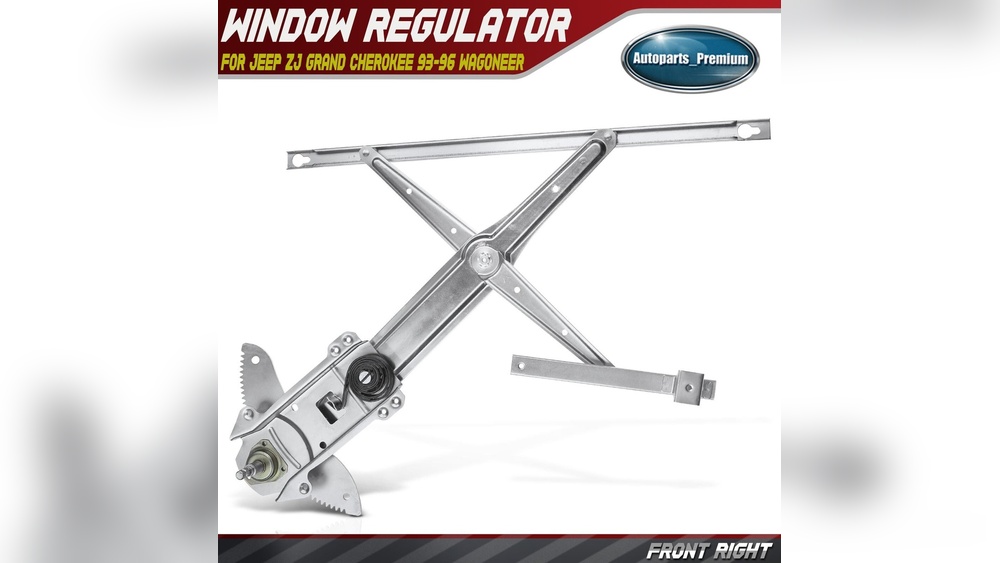
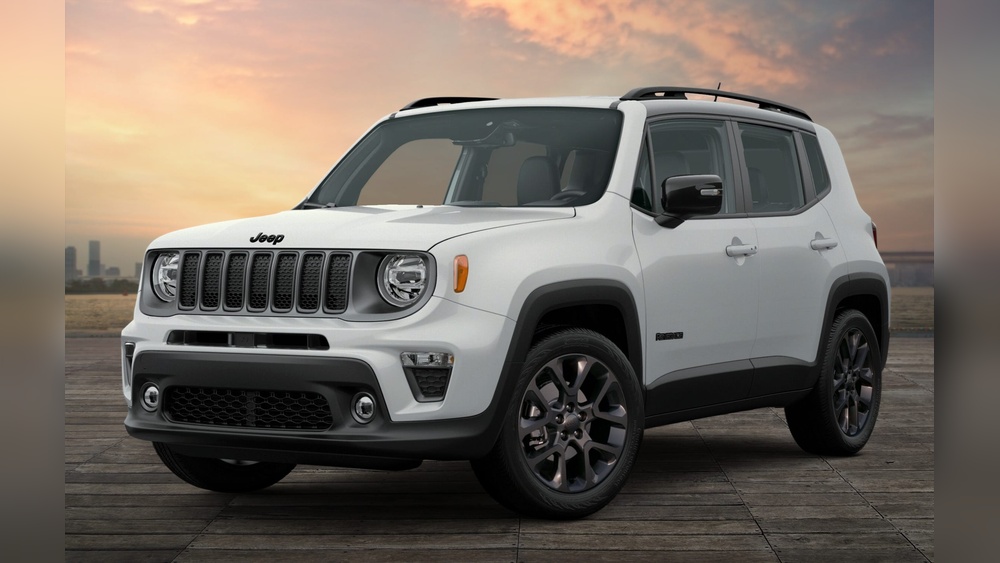
The availability of Jeep car spare parts is a critical concern for owners, whether they drive a classic Wrangler, a family-friendly Grand Cherokee, or a rugged Gladiator. Jeeps are known for their durability and off-road capabilities, but like any vehicle, they require maintenance and occasional part replacements.
Understanding where to find these parts, what to expect in terms of availability, and how to ensure you’re getting quality components is essential for keeping your Jeep running smoothly and reliably for years to come.
This guide will explore the various avenues for sourcing Jeep parts, discuss common challenges, and offer tips for a successful parts acquisition experience.
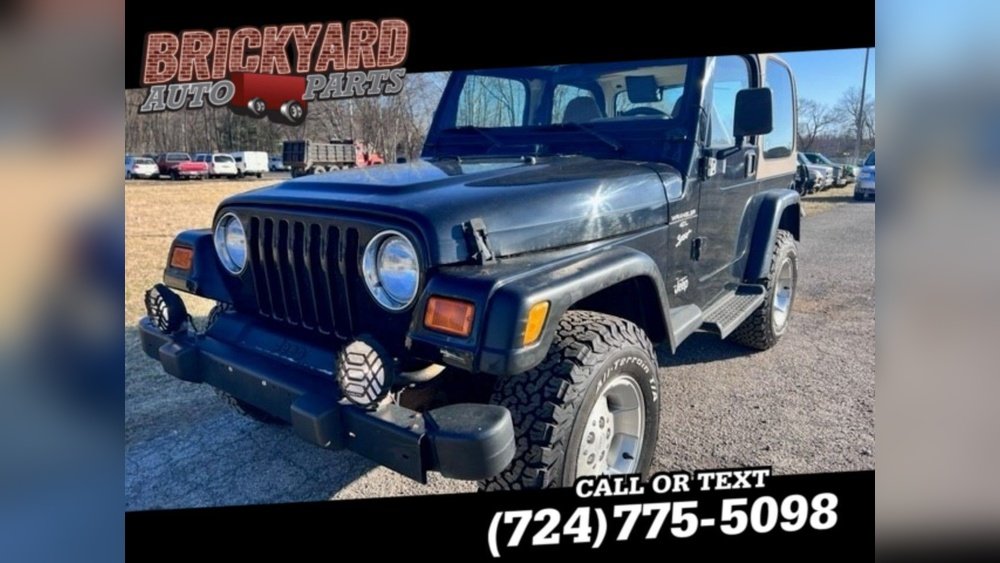
Understanding Jeep Parts Supply Chains
The supply chain for automotive parts, including those for Jeep, is complex. It involves manufacturers, original equipment manufacturers (OEMs), aftermarket producers, distributors, and retailers.
For a brand like Jeep, which has a long history and a global presence, parts availability can vary significantly based on the age of the vehicle, the specific model, and geographic location.
OEM Parts: These are parts manufactured by or for Jeep (part of Stellantis). They are designed to meet the exact specifications of your vehicle. While generally considered the highest quality, they can also be the most expensive. Availability for newer models is usually excellent, but sourcing OEM parts for older, discontinued Jeep models can become challenging. Dealerships are the primary source for OEM parts, though some independent repair shops also have access.
Aftermarket Parts: These parts are made by companies other than Jeep. They can range from direct replacements that are functionally identical to OEM parts to performance upgrades or aesthetic modifications. The quality of aftermarket parts varies widely. Some are made by reputable companies and meet or exceed OEM standards, while others may be of lower quality. Aftermarket parts can often be more affordable than OEM options and are widely available through various online retailers and auto parts stores.
Used or Remanufactured Parts: These are pre-owned parts that have been inspected, cleaned, and sometimes repaired. They can be a cost-effective solution, especially for older vehicles where new parts are scarce or prohibitively expensive. However, the condition and lifespan of used parts are less predictable than new ones. Remanufactured parts have been rebuilt to factory specifications and often come with a warranty, offering a good balance of cost and reliability.
Where To Find Jeep Spare Parts
Locating the right Jeep spare parts involves exploring several channels. Each has its pros and cons regarding price, availability, and authenticity.
Jeep Dealerships
Dealerships are the most straightforward source for genuine Jeep parts. They stock parts for current models and have access to a central inventory system for older ones.
- Pros: Guaranteed fit and quality, knowledgeable staff, often offer warranties on parts and labor.
- Cons: Typically the most expensive option, may have limited stock for older or less common models, can sometimes have long lead times for special orders.
When you visit a dealership, be prepared with your vehicle’s VIN (Vehicle Identification Number). This helps the parts department identify the exact components needed for your specific Jeep model and year, minimizing the risk of ordering the wrong part.
Some retailers are authorized to sell genuine Jeep parts. These might be larger auto parts chains or specialized Jeep accessory stores.
- Pros: Can sometimes offer competitive pricing compared to dealerships, wider selection of accessories and performance parts.
- Cons: Availability for very specific or older parts might still be limited compared to a dealership.
Online Retailers And E-commerce Platforms
The internet has revolutionized parts shopping. Numerous online stores specialize in Jeep parts, from major auto parts retailers to niche Jeep-focused websites.
- Pros: Vast selection, competitive pricing, convenience of home delivery, often have detailed product descriptions and customer reviews. Popular platforms include Quadratec, Extreme Terrain, and even general e-commerce sites like Amazon and eBay.
- Cons: Risk of purchasing counterfeit or low-quality parts, difficulty in verifying fitment without expert advice, potential for shipping delays or damage.
When buying online, always check the seller’s reputation, return policy, and warranty information. Look for sites that specifically cater to Jeep owners, as they often have better product knowledge and selection for off-road and specialized components.
Independent Auto Parts Stores
Local auto parts stores are a good resource for common maintenance items and some aftermarket parts.
- Pros: Quick availability for many standard parts, can offer advice, convenient for immediate needs.
- Cons: Limited selection of specialized Jeep parts or OEM components, may not carry parts for older models.
Junkyards And Salvage Yards
For budget-conscious owners or those restoring older Jeeps, junkyards can be a treasure trove.
- Pros: Extremely affordable, unique parts for classic Jeeps can sometimes be found.
- Cons: Parts are used and condition varies greatly, no warranty, requires time and effort to find what you need, potential for hidden damage.
It’s crucial to inspect used parts thoroughly before purchasing. Look for cracks, excessive wear, rust, or signs of repair.
Specialty Jeep Shops And Off-road Outfitters
These businesses focus specifically on Jeep vehicles and often carry a wide range of performance, customization, and replacement parts, including those for older models.
- Pros: Expert knowledge, curated selection of high-quality parts, often offer installation services.
- Cons: Can be more expensive than general auto parts stores, may focus more on aftermarket upgrades than basic OEM replacements.

Common Jeep Spare Parts And Their Availability
Certain parts are more commonly needed than others due to wear and tear or specific Jeep characteristics. Understanding their typical availability is helpful.
Filters (oil, Air, Cabin)
These are routine maintenance items. Oil filters, air filters, and cabin air filters are almost always readily available for all Jeep models, both as OEM and aftermarket options, from dealerships, auto parts stores, and online retailers.
Brakes (pads, Rotors, Calipers)
Brake components are critical for safety. Brake pads and rotors are widely available for all Jeep models. Availability for calipers might be slightly more varied, especially for older or performance models, but are generally obtainable through dealerships and specialized parts suppliers.
Suspension Components (shocks, Struts, Springs, Control Arms)
Jeeps, especially those used off-road, put significant stress on their suspension. Shocks and struts are commonly replaced and widely available. Springs can also be found, particularly for popular lift kits. Control arms and other more specialized suspension parts might require ordering from a dealer or a specialized Jeep parts vendor, especially for lifted or modified vehicles.
Exhaust Systems (mufflers, Pipes, Catalytic Converters)
Availability for standard exhaust components is generally good. However, for performance exhaust systems or parts for very old models, you might need to rely on aftermarket specialists or custom fabrication. Catalytic converters can be expensive and their availability might depend on emissions regulations in your region.
Cooling System Components (radiator, Water Pump, Hoses)
The cooling system is vital. Radiators, water pumps, and coolant hoses are usually available for most Jeep models. However, specific hose configurations or radiators for heavily modified Jeeps might require special orders.
Electrical Components (alternator, Starter, Battery, Sensors)
Standard batteries, alternators, and starter motors are readily available from most auto parts suppliers. Sensors (like O2 sensors or crank position sensors) are also generally available, though sometimes specific sensor types for certain Jeep engines might be less common and require a dealer or specialized online source.
Drivetrain Parts (cv Joints, U-joints, Axles)
These parts are crucial for 4×4 capability. CV joints and U-joints are wear items and are generally available. Axle shafts might be more specialized, especially for heavier-duty models or aftermarket axles. Availability can vary, and these might sometimes be sourced from specialized Jeep shops or performance part suppliers.
Body Panels And Exterior Trim
Finding body panels (fenders, doors, hoods) can be challenging for older Jeeps, often requiring specialized salvage yards or aftermarket manufacturers that produce reproduction panels. Exterior trim pieces can also become scarce for classic models.
Interior Components
Replacement seats, dashboard parts, carpets, and trim for older Jeeps can be difficult to find new. Used parts from salvage yards or reproduction interiors from specialty retailers are often the best options.
Challenges In Jeep Spare Parts Availability
Despite the widespread availability of many parts, Jeep owners can still face challenges.
Age Of The Vehicle
The older the Jeep, the harder it can be to find original Jeep parts. Manufacturers eventually discontinue support for older models. This is where aftermarket manufacturers and the used parts market become invaluable. For very old or classic Jeeps (like early CJ models), finding specific parts can turn into a hobby in itself, requiring extensive searching through enthusiast forums, swap meets, and specialized restoration shops.
Model Specificity And Modifications
Jeep offers many variations within its model lines, and aftermarket modifications are extremely popular. This means a part that fits one Jeep might not fit another, even if they are the same model year. Aftermarket modifications, such as lift kits, oversized tires, or engine swaps, often require specialized parts that are not standard OEM items. Sourcing these can require consulting with the manufacturer of the modification or a specialized Jeep shop.
Geographic Location
Parts availability can differ based on your location. If you live in a remote area or a region with fewer auto parts suppliers, you might experience longer wait times or higher shipping costs.
Conversely, areas with a strong Jeep culture often have more local shops specializing in Jeep parts.
Counterfeit And Low-quality Parts
The popularity of Jeep vehicles makes them a target for counterfeit parts, especially online. These parts may look similar but are often made with inferior materials, leading to premature failure and potential safety hazards. Always buy from reputable sources and be wary of deals that seem too good to be true.

Tips For Ensuring Good Jeep Parts Availability
To make the process of finding Jeep spare parts smoother, consider these tips:
1. Know Your Jeep
Accurately identify your Jeep model, year, and trim level. The VIN is your best friend here. Having this information readily available will save you time and prevent ordering mistakes, whether you’re at a dealership or browsing online.
2. Build A Relationship With A Trusted Mechanic Or Jeep Specialist
A good mechanic who specializes in Jeeps can be an invaluable resource. They often have established relationships with parts suppliers, know which aftermarket brands are reliable, and can often source hard-to-find parts.
3. Research Aftermarket Brands
Not all aftermarket parts are created equal. Do your homework on brands known for quality and reliability in the Jeep community. Websites, forums, and enthusiast groups are great places to get recommendations. For example, when looking for suspension upgrades, brands like TeraFlex or Fox Shocks are often highly regarded.
4. Check Warranties
When purchasing parts, especially more expensive ones like engines, transmissions, or major suspension components, always inquire about the warranty. OEM parts from dealerships often come with good warranties, and reputable aftermarket manufacturers also stand behind their products.
5. Consider Used Parts Wisely
If you opt for used parts, inspect them thoroughly. If possible, buy from a salvage yard that offers a limited warranty or a return policy.
For critical components, consider having them inspected by a mechanic before installation.
6. Join Jeep Enthusiast Communities
Online forums and social media groups dedicated to Jeep owners are excellent resources. Members often share tips on where to find specific parts, recommend reliable vendors, and even sell parts themselves.
These communities can be especially helpful for tracking down rare components for older models.
7. Keep A Parts Log
For older Jeeps or those with frequent repairs, keeping a log of parts replaced, including part numbers and where they were purchased, can be very helpful for future reference.
Comparing Common Jeep Part Sources
To help illustrate the differences, here’s a comparison of where you might source common Jeep parts:
| Part Type | Dealership | Major Online Retailers (e.g., Quadratec) | Independent Auto Parts Store | Junkyard / Salvage Yard |
|---|---|---|---|---|
| **OEM Parts** | Excellent availability, guaranteed fit | Limited, but some available | Very limited | N/A (unless salvaged) |
| **Aftermarket Parts** | Limited selection | Excellent selection, wide variety | Good for common parts | N/A |
| **Used Parts** | N/A | Very limited | Very limited | Excellent availability |
| **Price** | Highest | Mid to High | Mid | Lowest |
| **Quality Assurance** | Highest | Varies by brand, generally good | Varies by brand | Varies greatly |
| **Expertise** | High for OEM | High for Jeep-specific | Moderate | Low |
| **Warranty** | Often included | Varies by brand | Varies by brand | Limited or none |
This table provides a general overview. Specific availability and pricing can fluctuate based on the exact part and the Jeep model.

Specific Examples: Finding Parts For Popular Jeep Models
Let’s look at a couple of popular Jeep models and common parts scenarios.
Jeep Wrangler (jk/jl Generations)
The Jeep Wrangler is incredibly popular, making parts generally abundant.
- Routine Maintenance: Oil filters, air filters, spark plugs, and brake pads are readily available from all sources.
- Suspension Upgrades: This is a huge market for Wranglers. Brands like TeraFlex, Rubicon Express, and Old Man Emu are widely stocked by online Jeep specialists and performance shops. Dealerships will typically only offer OEM suspension parts.
- Body Armor & Accessories: Fenders, bumpers, and rock sliders are abundant from online retailers and specialty shops. Finding OEM body panels for repairs might be easier at a dealership for newer models.
Jeep Grand Cherokee (wk2 Generation)
The Grand Cherokee is more of a family SUV, so parts availability leans towards OEM and common aftermarket replacements.
- Engine Components: Parts like alternators, starters, and sensors for the common V6 and V8 engines are widely available from dealerships and major auto parts chains.
- Interior Parts: If you need a replacement infotainment screen or dashboard trim, a dealership is often the best bet for OEM parts. Aftermarket options for interior components are less common than for Wranglers.
- Wheels and Tires: While standard wheels and tires are easy to find, finding exact OEM replacements for specific Grand Cherokee trims (e.g., SRT wheels) might require a dealership or specialized wheel supplier.
The Importance Of Part Quality
When it comes to Jeep parts, quality matters immensely, especially if you plan on off-roading or putting your vehicle through demanding use.
**Pro