When you own a Jeep, you're part of a community that loves adventure. From city streets to rugged trails, Jeeps are built for exploration.
But to keep your Jeep running smoothly and ready for any journey, you need a reliable Jeep car service network. This network is more than just a place to get oil changes; it's a system designed to maintain your vehicle's performance, safety, and longevity.
Understanding how this network works, what services it offers, and how to make the most of it will ensure your Jeep stays in top condition for years to come.
Understanding The Jeep Service Network
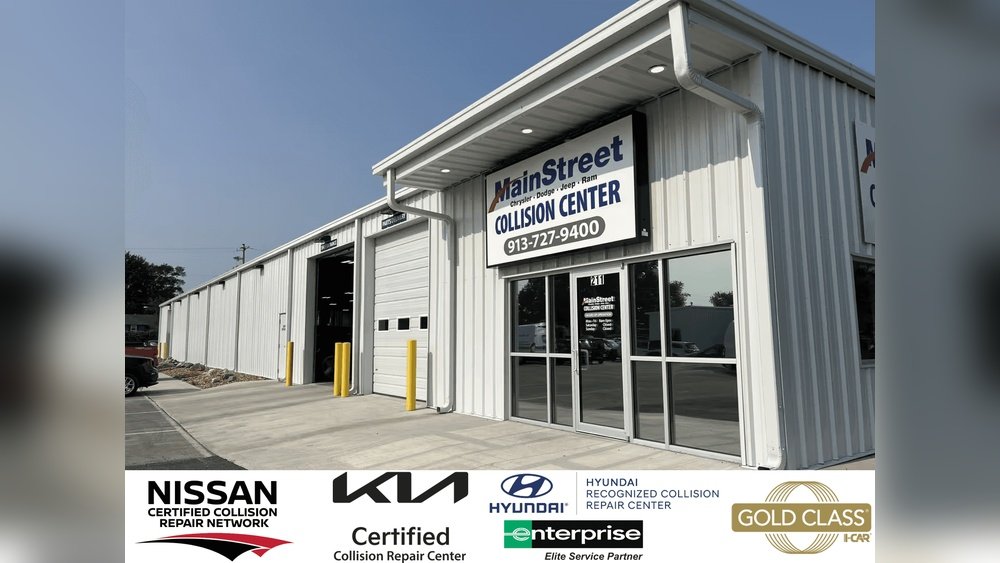
The Jeep car service network is a comprehensive system of authorized dealerships and certified repair centers. These facilities are specifically equipped and trained to handle Jeep vehicles. Unlike independent repair shops, authorized centers have direct access to Jeep’s latest diagnostic tools, genuine Mopar parts, and factory-trained technicians. This specialized knowledge is crucial because Jeeps, with their unique off-road capabilities and robust engineering, often require specific maintenance procedures and parts.
Authorized Jeep dealerships are the cornerstone of the service network. These dealerships are officially recognized by Jeep and meet stringent standards for facilities, equipment, and staff training. When you visit a dealership, you can expect a high level of service that adheres to Jeep’s global standards.
- Factory-Trained Technicians: Dealership technicians undergo regular training directly from Jeep. They learn about new models, updated repair procedures, and common issues specific to Jeep vehicles. This ensures they have the most current knowledge to diagnose and fix problems.
- Genuine Mopar Parts: Dealerships exclusively use Mopar parts. Mopar is Jeep’s own parts division, meaning these components are designed and manufactured to the exact specifications of your Jeep. Using genuine parts is vital for maintaining your vehicle’s performance, warranty, and resale value. Aftermarket parts, while sometimes cheaper, may not fit perfectly or meet the same quality standards, potentially leading to future issues.
- Advanced Diagnostic Equipment: Jeep dealerships are equipped with the latest diagnostic tools and software. These advanced systems can communicate with your Jeep’s complex computer modules, providing precise information for troubleshooting and repairs. This technology is often proprietary and not available to independent shops.
- Warranty Work: If your Jeep is still under warranty, visiting an authorized dealership is usually a requirement for covered repairs. They have the procedures in place to handle warranty claims efficiently.
Certified Service Centers: Expanding Access
Beyond dealerships, Jeep also has a network of certified service centers. These are often independent repair shops that have met Jeep’s criteria for certification. They offer a similar level of expertise and use genuine parts, providing a more accessible option for owners who might not be near a dealership or prefer a different service experience.
- Certified Technicians: Technicians at these centers also receive specialized training from Jeep and must pass certification exams.
- Genuine Parts Usage: Certified centers are committed to using Mopar parts for repairs, ensuring quality and compatibility.
- Standardized Procedures: They follow Jeep’s recommended maintenance schedules and repair procedures.
Benefits Of Using The Official Network
Choosing to service your Jeep within the official network offers several advantages that contribute to the overall ownership experience.
- Peace of Mind: Knowing your vehicle is being serviced by trained professionals using the correct parts provides significant peace of mind. This is especially important for complex repairs or when dealing with your Jeep’s specialized off-road systems.
- Maintaining Resale Value: A documented service history from an authorized network helps maintain your Jeep’s resale value. Potential buyers often look for evidence of proper maintenance, and records from official centers are highly trusted.
- Vehicle Performance and Longevity: Regular maintenance by trained professionals using genuine parts ensures your Jeep performs at its best and lasts longer. This proactive approach can prevent minor issues from becoming major, costly repairs down the line.
- Access to Recalls and Technical Service Bulletins (TSBs): Authorized centers are automatically updated on all recalls and TSBs issued by Jeep. They can perform necessary recall work free of charge and are aware of TSBs that address known issues before they become problems for owners.
Essential Services Offered
The Jeep service network provides a wide range of services, from routine maintenance to complex repairs. Understanding these services helps you stay on top of your Jeep’s needs.
Routine Maintenance
This is the foundation of keeping your Jeep healthy. Following the recommended maintenance schedule is crucial.
- Oil Changes: Regular oil changes are vital for lubricating the engine, preventing wear, and keeping it clean. Jeep recommends specific types of oil and filter replacements at set intervals, usually based on mileage or time.
- Tire Rotation and Balancing: Jeeps often have robust tires designed for various terrains. Regular tire rotation ensures even wear, extending their life. Balancing prevents vibrations and ensures a smooth ride.
- Brake Inspections: Your brake system is critical for safety. Regular checks ensure brake pads, rotors, and fluid are in good condition.
- Fluid Checks and Top-offs: This includes checking and topping off coolant, brake fluid, power steering fluid, and windshield washer fluid. Each plays a vital role in the vehicle’s operation and safety.
- Air Filter Replacement: The engine air filter prevents dirt and debris from entering the engine. Replacing it ensures optimal airflow and fuel efficiency. The cabin air filter cleans the air inside the vehicle, improving air quality for occupants.
Specialized Jeep Services
Jeeps have unique features that require specialized attention.
- 4×4 System Maintenance: Jeep’s 4×4 systems are legendary. This includes maintenance for transfer cases, differentials, and drive shafts. Regular inspection and fluid changes for these components are essential for off-road capability.
- Suspension and Steering Checks: For vehicles designed for off-road adventures, the suspension and steering components (like shocks, struts, and ball joints) are subjected to more stress. Regular checks ensure they are in good working order for both on-road comfort and off-road durability.
- Exhaust System Inspections: Checking the exhaust system for leaks or damage is important for emissions control and performance.
- Battery Testing: Ensuring your battery is healthy is key, especially in extreme weather conditions. The service network can test battery health and replace it if necessary.
- Electrical System Diagnostics: Modern Jeeps have complex electrical systems. Technicians can diagnose issues with sensors, lights, infotainment systems, and other electronic components.
Major Repairs And Overhauls
When significant issues arise, the authorized network is equipped to handle them.
- Engine Repair: From minor tune-ups to major engine overhauls, technicians have the expertise and tools to address engine problems.
- Transmission Service: Both automatic and manual transmissions require specific maintenance. This includes fluid changes and potential repairs.
- Cooling System Service: Maintaining the cooling system is vital to prevent overheating, especially in demanding driving conditions. This includes radiator flushes and thermostat checks.
- Air Conditioning (A/C) Service: Keeping your A/C system working efficiently ensures comfort during hot weather.

How To Maximize Your Jeep Service Experience
Getting the most out of the Jeep service network involves more than just showing up. Proactive steps can lead to better service and a healthier Jeep.
Choosing The Right Service Center
While all authorized centers aim for high standards, some differences exist.
- Dealership vs. Certified Independent: Consider convenience, cost, and the nature of the service. Dealerships are best for warranty work and complex diagnostics. Certified independent shops can be a good alternative for routine maintenance, sometimes at a slightly lower cost.
- Location and Hours: Choose a facility that is convenient for you in terms of location and operating hours.
- Customer Reviews: Look for customer reviews online. While not always perfect, they can offer insights into a specific center’s service quality and customer satisfaction.
Scheduling And Communication
Effective scheduling and clear communication are key to a smooth service experience.
- Book Appointments: Always schedule your service appointment in advance. This ensures the technicians and necessary parts are available when you arrive. Many dealerships and certified centers offer online booking.
- Be Specific About Issues: When you book or drop off your Jeep, clearly describe any problems you are experiencing. Provide as much detail as possible: when the issue occurs, what it sounds like, and any conditions under which it happens. This helps technicians diagnose the problem faster.
- Ask Questions: Don’t hesitate to ask questions about the services being recommended or performed. Understand why a particular service is needed and what it involves.
- Request a Written Estimate: Before authorizing any work, especially for larger repairs, ask for a written estimate. This outlines the parts, labor, and total cost.
Understanding Your Warranty And Service Plans
Leveraging your warranty and any service plans can save you money and ensure you receive the best care.
- Know Your Warranty: Familiarize yourself with your Jeep’s warranty coverage. This includes mileage and time limits for different components. Understanding this helps you know what services are covered at no cost.
- Prepaid Maintenance Plans: Jeep often offers prepaid maintenance plans at the time of vehicle purchase or shortly after. These plans can lock in current service prices and sometimes offer a discount compared to paying for each service individually.
- Extended Warranties: If you plan to keep your Jeep long after the factory warranty expires, consider an extended warranty or a vehicle service contract. Ensure you understand what is covered and from whom you are purchasing it.
Proactive Maintenance And Records
Being proactive about maintenance and keeping good records pays off.
- Follow the Owner’s Manual: The owner’s manual provides the definitive maintenance schedule for your specific Jeep model. Adhering to this schedule is the best way to prevent issues.
- Keep Service Records: Maintain a detailed record of all services performed, including dates, mileage, and where the service was done. This is invaluable for tracking your Jeep’s history and for resale purposes. Authorized centers will provide you with service invoices.
Common Jeep Maintenance Misconceptions
Even with a strong service network, some common misconceptions can lead owners astray.
- “My Jeep doesn’t need service if it’s not driven much.”
- Pro Tip: Fluids degrade over time, even if the vehicle isn’t driven extensively. Rubber components can dry out, and batteries can lose charge. Following the time-based maintenance intervals in your owner’s manual is as important as mileage-based intervals.
- “Aftermarket parts are always fine.”
- While some aftermarket parts are good, Mopar parts are specifically engineered for your Jeep. Using incorrect or lower-quality parts can affect performance, safety, and even void parts of your warranty. Stick to genuine parts for critical components.
- “I can just skip a few oil changes.”
- This is a dangerous misconception. Engine oil is the lifeblood of your engine. Skipping changes leads to increased wear, sludge buildup, and ultimately, severe engine damage. Always follow the recommended oil change schedule.
- “Off-road driving doesn’t require special service.”
- Driving off-road puts extra strain on your Jeep’s components, including the suspension, drivetrain, and tires. After strenuous off-road use, it’s wise to have your vehicle inspected for any damage or issues that might not be apparent during normal driving. This might include checking for undercarriage damage, fluid leaks, or loose components.

The Role Of Technology In Jeep Service
Technology plays an increasingly significant role in how Jeeps are serviced. The network is designed to leverage these advancements for better diagnostics and repair.
Advanced Diagnostics
Modern Jeeps are equipped with numerous sensors and complex computer systems.
- On-Board Diagnostics (OBD-II): All vehicles sold in the US since 1996 have an OBD-II port. Technicians use scanners connected to this port to read diagnostic trouble codes (DTCs) that indicate a problem. Authorized centers have the latest scanners that can communicate with all of a Jeep’s modules.
- Software Updates: Just like your smartphone, your Jeep’s software may need updates. These can improve performance, fix bugs in the infotainment system, or even enhance safety features. Dealerships are the primary source for these official updates.
- Remote Diagnostics: Some newer Jeep models may offer remote diagnostic capabilities, allowing technicians to diagnose certain issues remotely or gather data before you even bring the vehicle in.
Connected Services
Jeep’s Uconnect system and other connected services can also integrate with the service network.
- Service Reminders: Your Uconnect system can often provide service reminders based on your vehicle’s actual usage, not just mileage.
- Scheduling Integration: Some systems may allow you to schedule service appointments directly through the vehicle’s interface.
When To Seek Professional Jeep Service
Knowing when to take your Jeep to the service network is crucial for preventing minor issues from escalating.
- Warning Lights: If any warning lights illuminate on your dashboard (check engine, ABS, airbag, etc. ), it’s important to have them diagnosed promptly. These lights indicate a potential problem that could affect performance, safety, or emissions.
- Unusual Noises or Smells: Any strange sounds (grinding, squealing, knocking) or unusual smells (burning oil, sweet coolant smell, exhaust fumes) should be investigated by a professional.
- Changes in Performance: If you notice a decrease in power, rough idling, poor fuel economy, or difficulty starting, it’s time for a service check.
- After Off-Roading: As mentioned, after significant off-road excursions, a professional inspection is recommended to check for any hidden damage or stress on components.
- Scheduled Maintenance Intervals: The most straightforward reason is to adhere to the scheduled maintenance outlined in your owner’s manual. Regular check-ups catch potential problems early.

The Future Of Jeep Service
The automotive industry is constantly evolving, and Jeep’s service network is adapting to these changes.
Electric And Hybrid Jeep Models
With the introduction of models like the Wrangler 4xe, Jeep is moving towards electrification. Servicing these vehicles requires specialized knowledge and equipment for high-voltage battery systems and electric powertrains. The authorized network is investing in training and tools to support these new technologies. Technicians need to understand the unique safety protocols and diagnostic procedures for electric components.
Increased Software Integration
As vehicles become more software-defined, the role of software diagnostics and updates will grow. Technicians will need to be proficient in diagnosing and resolving software glitches, and performing over-the-air (OTA) updates if they become more common. This shift means service centers will