The Jeep name is almost as old as the SUV itself. When people think of rugged SUVs, Jeep often comes to mind first.
The brand is famous for vehicles that can go almost anywhere—through rocky hills, muddy trails, and snowy roads. But how do Jeep SUVs really perform in today’s market?
Are they only good off-road, or do they work well for daily driving too? This review looks at Jeep’s lineup, what makes these vehicles unique, and how they compare to others in the rugged SUV segment.
What Makes Jeep Suvs Stand Out
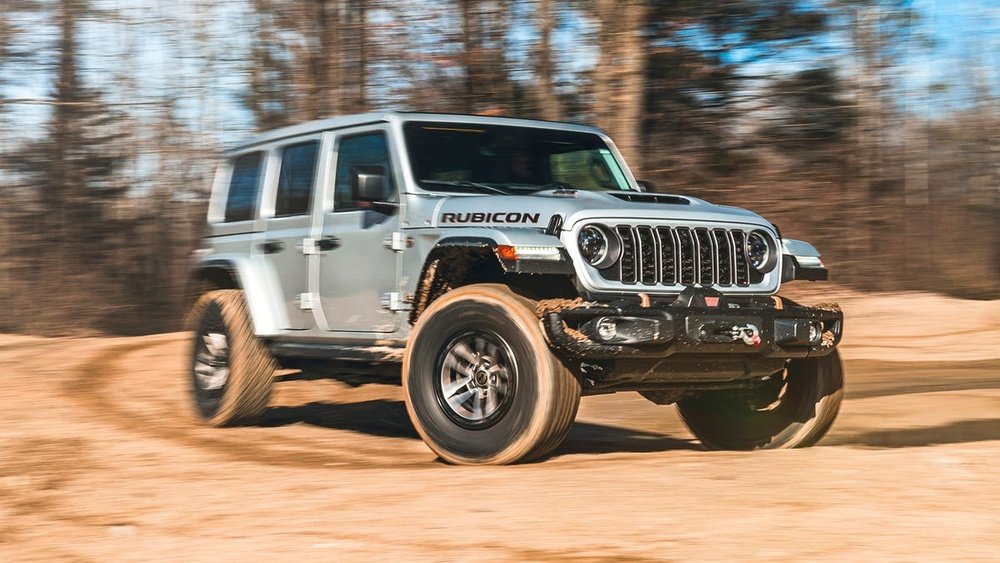
Jeep has built its reputation on durability and off-road ability. Models like the Wrangler and Grand Cherokee are famous for their tough design. Jeep SUVs often use body-on-frame construction or have reinforced unibody frames, making them ideal for rough conditions.
A key feature is the Trail Rated® badge. This mark shows a Jeep has passed tough tests for traction, water fording, maneuverability, articulation, and ground clearance. Only select models earn this badge, giving buyers confidence for real adventure.
Another strength is Jeep’s 4×4 systems. The brand offers several, including Command-Trac, Selec-Trac, and Quadra-Drive II. Each system is designed for different needs, from basic all-weather traction to advanced rock crawling.
Popular Jeep Rugged Suv Models
Let’s look closer at the most well-known Jeep SUVs and how they stack up.
| Model | Starting Price (USD) | Horsepower | Ground Clearance (inches) | Max Towing (lbs) |
|---|---|---|---|---|
| Wrangler | $31,995 | 285 | 10.8 | 3,500 |
| Grand Cherokee | $40,130 | 293 | 10.9 | 7,200 |
| Gladiator | $38,990 | 285 | 11.1 | 7,700 |
| Compass Trailhawk | $33,895 | 200 | 8.6 | 2,000 |
Jeep Wrangler
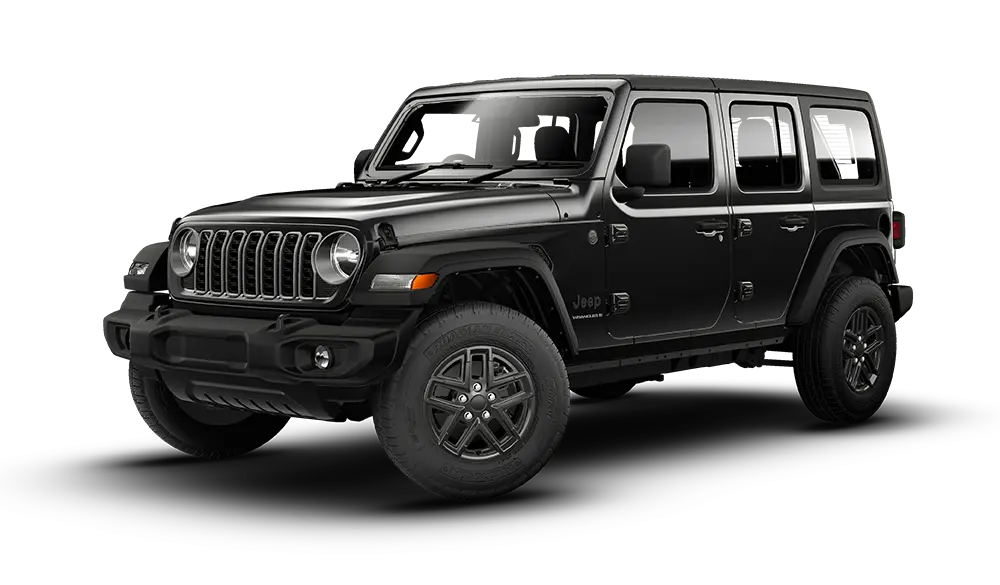
The Jeep Wrangler is the brand’s icon. It’s famous for removable doors and roof, strong axles, and high ground clearance. The Wrangler is made for off-road use but now comes with more comfort features and tech for daily life. Its main downside is road noise and a stiff ride on highways.
Grand Cherokee
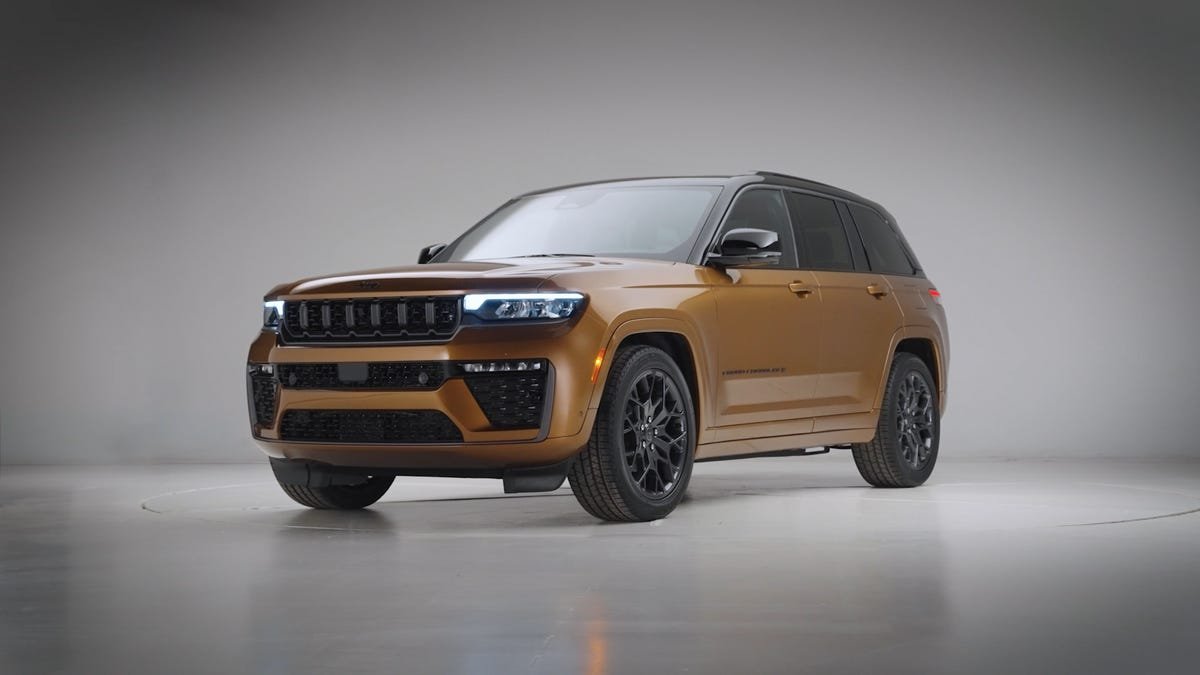
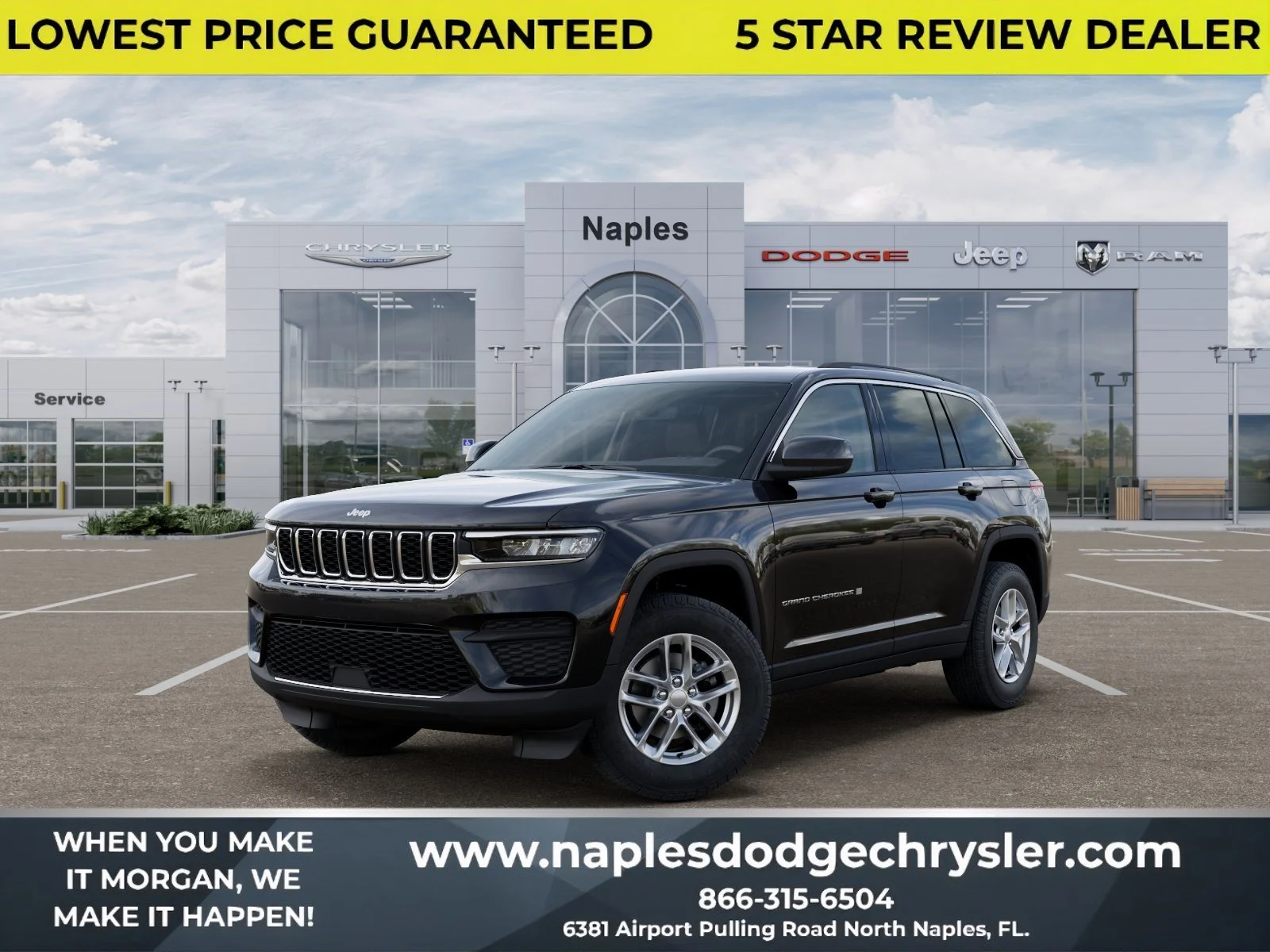
The Grand Cherokee blends off-road skill with a more refined interior. It offers strong engine options, including V6, V8, and even plug-in hybrid. This SUV is great for families who want comfort but still need trail ability.
Gladiator
The Jeep Gladiator is basically a Wrangler with a pickup bed. It’s the only open-air truck on the market and is popular with outdoor lovers who want both utility and trail performance.
Compass Trailhawk
The Compass Trailhawk is smaller but still carries the Trail Rated badge. It’s less powerful but more affordable, and it fits well in city parking spaces while still handling dirt roads.
On-road Vs Off-road: Everyday Use
Jeep SUVs are often reviewed as off-road leaders, but how do they perform for daily use? Some models, especially the Wrangler, feel less smooth on highways and can be noisy. Fuel economy is average at best; for example, the Wrangler V6 gets about 20 mpg combined.
However, newer Jeeps have improved comfort. The Grand Cherokee and Compass now offer soft-touch interiors, touchscreen infotainment, and better ride quality. Safety features like blind-spot monitoring and adaptive cruise control are standard or optional on most models.
For city driving, some buyers find the steering a bit heavy. Parking can also be a challenge due to the boxy shape and size. But high seating and large windows help with visibility.
Off-road Performance: Where Jeep Shines
Jeep’s reputation is built on real-world off-road use. Most brands claim “ruggedness,” but Jeep proves it with engineering. Consider these highlights:
- Articulation: Jeep suspensions allow wheels to stay on the ground even on uneven trails.
- Water Fording: Some models can cross water up to 30 inches deep.
- Approach and Departure Angles: High bumpers let Jeeps climb and descend steep slopes without scraping.
Here’s a quick comparison of off-road specs:
| Model | Approach Angle (degrees) | Departure Angle (degrees) | Water Fording Depth (inches) |
|---|---|---|---|
| Wrangler Rubicon | 44 | 37 | 33.5 |
| Grand Cherokee Trailhawk | 35.7 | 30.2 | 24 |
| Gladiator Rubicon | 43.4 | 26 | 30 |
These numbers show why Jeep is trusted for serious off-roading.
Common Weaknesses And Buyer Mistakes
No SUV is perfect, and Jeep has some downsides:
- Fuel Efficiency: Most models are thirsty compared to rivals.
- Ride Comfort: The rugged design means a bumpier ride, especially for the Wrangler.
- Price Creep: Adding options quickly raises the cost.
Many new buyers overlook regular maintenance. Off-roading can speed up wear on parts like suspension and tires, so budget for extra care.
Another mistake: buying a Jeep for looks alone. Some people get a Wrangler but never use its off-road ability, missing out on what makes it special.
How Jeep Compares To Other Rugged Suvs
Here’s a side-by-side look at Jeep vs. popular rivals.
| Feature | Jeep Wrangler | Toyota 4Runner | Ford Bronco |
|---|---|---|---|
| Off-Road Ability | Excellent | Very Good | Excellent |
| Interior Comfort | Moderate | Good | Good |
| Fuel Economy (mpg) | 20 | 17 | 20 |
| Resale Value | High | Very High | High |
One non-obvious insight: Jeep’s resale value is strong, but the Toyota 4Runner often edges it out due to ultra-high reliability.
Who Should Buy A Jeep Rugged Suv?
If you need a vehicle that can handle real trails, tough weather, or camping trips, a Jeep SUV is hard to beat. Outdoor enthusiasts, campers, and people in snowy or rural areas will get the most value. If you mainly want comfort, other brands might suit you better.
For more details and owner experiences, check the official Jeep website.
A final tip: test drive more than one model, and try both city and off-road routes to see what fits your life.
Frequently Asked Questions
<!– wp:rank-math/faq-block {"questions":[{"id":"faq-question-f3d5b6a8c1cb","title":"What Does "trail Rated" Mean On A Jeep?","content":"Trail Rated means a Jeep has passed tests for traction, water fording, ground clearance, and maneuverability. It’s a sign of real off-road skill.
“,”visible”:true},{“id”:”faq-question-b17886505a33″,”title”:”Are Jeep Suvs Reliable?”,”content”:”Jeep models are built strong but may need more maintenance if used hard off-road. Reliability is average, so regular care is important.
“,”visible”:true},{“id”:”faq-question-e972c8bba01e”,”title”:”Which Jeep Is Best For Families?”,”content”:”The Grand Cherokee is best for families. It has more room, comfort, and good safety features while keeping off-road ability.
“,”visible”:true},{“id”:”faq-question-2ce2bfa77f17″,”title”:”Can I Use A Jeep Wrangler As A Daily Car?”,”content”:”Yes, but be ready for a firmer ride and more road noise than most SUVs. New models are much better for everyday use than older ones.
“,”visible”:true},{“id”:”faq-question-e27633f0f6bb”,”title”:”Do Jeep Suvs Hold Their Value?”,”content”:”Yes, Jeep SUVs have high resale value, especially the Wrangler and Grand Cherokee. This is partly due to strong demand and unique features.
“,”visible”:true}]} –>What Does "trail Rated" Mean On A Jeep?
Trail Rated means a Jeep has passed tests for traction, water fording, ground clearance, and maneuverability. It’s a sign of real off-road skill.
Are Jeep Suvs Reliable?
Jeep models are built strong but may need more maintenance if used hard off-road. Reliability is average, so regular care is important.
Which Jeep Is Best For Families?
The Grand Cherokee is best for families. It has more room, comfort, and good safety features while keeping off-road ability.
Can I Use A Jeep Wrangler As A Daily Car?
Yes, but be ready for a firmer ride and more road noise than most SUVs. New models are much better for everyday use than older ones.
Do Jeep Suvs Hold Their Value?
Yes, Jeep SUVs have high resale value, especially the Wrangler and Grand Cherokee. This is partly due to strong demand and unique features.