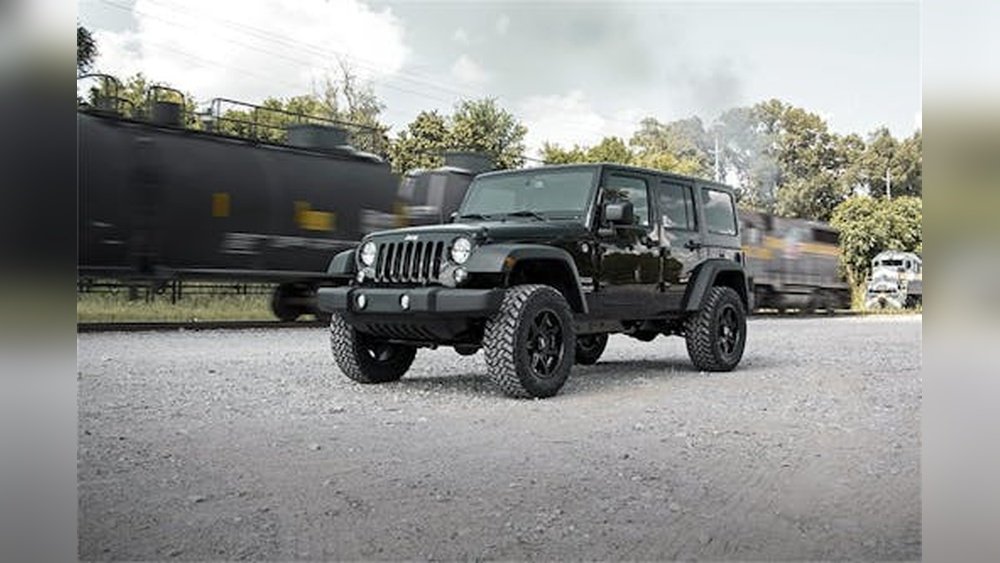
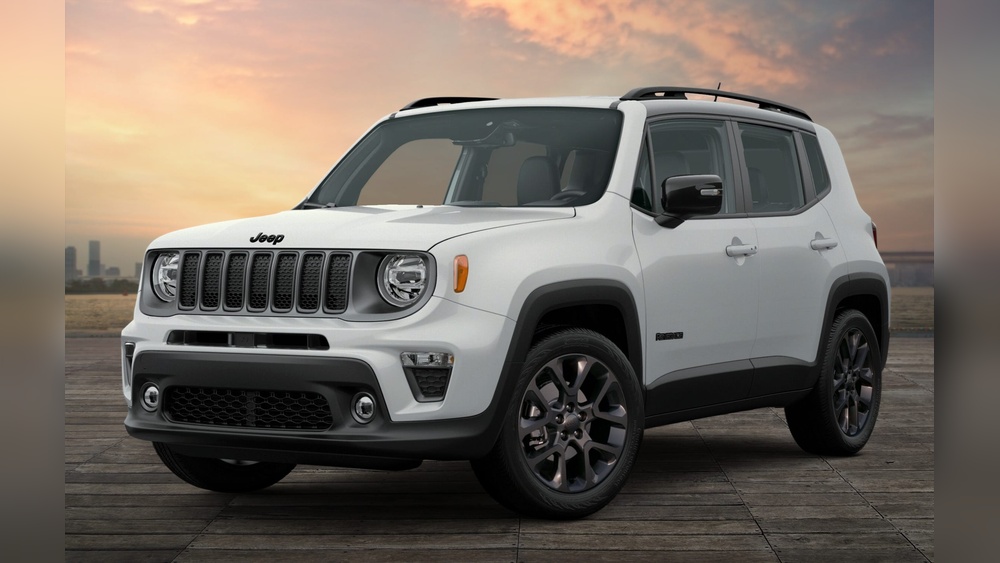
When people think of Jeep, they often picture rugged SUVs built for adventure. But what happens when you take a Jeep off the beaten path and onto a near-vertical rock face?
This is where the Jeep car rock climbing test comes into play. It’s not just about driving; it’s about testing the absolute limits of a vehicle’s capabilities in extreme off-road conditions.
This isn't your typical city driving test; it's a rigorous examination of articulation, traction, power, and driver skill.

The concept of a “rock climbing test” for a Jeep isn’t a single, standardized event like a crash test. Instead, it refers to a series of real-world and simulated challenges designed to push the vehicle’s off-road prowess to the maximum. These tests evaluate how well a Jeep can navigate obstacles that would stop most other vehicles dead in their tracks. We’re talking about steep inclines, large boulders, uneven terrain, and situations where tires might lift off the ground. Understanding these tests helps us appreciate what makes a Jeep a Jeep and why it’s synonymous with off-roading.
The Essence Of Jeep’s Off-road Prowess
Jeep’s heritage is deeply rooted in its ability to go anywhere and do anything. From its military origins in World War II, the need for a vehicle that could traverse rough terrain was paramount.
This DNA has been passed down through generations of Jeeps, leading to iconic models like the Wrangler.
The rock climbing test is the ultimate validation of this lineage. It’s about proving that a vehicle can overcome gravity, friction, and sheer obstacles through intelligent design and robust engineering.
At its core, a Jeep’s rock-climbing ability relies on several key factors:
- Articulation: This refers to how well the suspension can allow the wheels to move independently. On uneven terrain, high articulation means all four wheels can stay in contact with the ground, providing maximum traction.
- Traction: This is the grip the tires have on the surface. For rock climbing, this means aggressive tread patterns, specialized tires, and advanced four-wheel-drive systems that can distribute power effectively.
- Ground Clearance: The distance between the lowest point of the vehicle’s chassis and the ground. Higher ground clearance is crucial to avoid hitting obstacles.
- Approach, Departure, and Breakover Angles: These angles determine how steep an obstacle the vehicle can climb over or descend without scraping its bumpers or undercarriage.
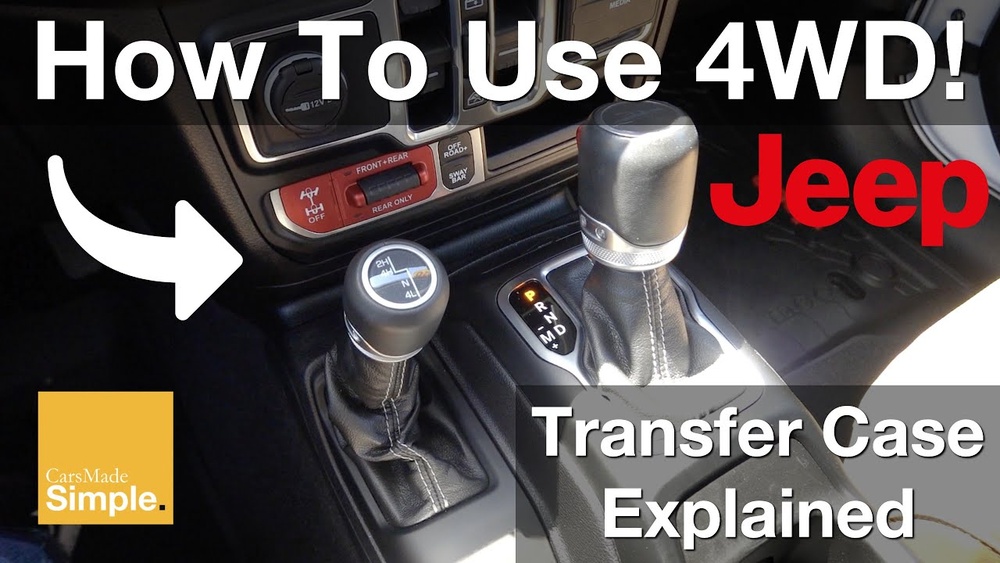
- Low-Range Gearing: A low-range transfer case provides significantly more torque at very low speeds, allowing for precise control and the power needed to crawl over obstacles.
These elements are not just theoretical; they are put to the test in demanding environments.
What Happens During A Jeep Rock Climbing Test?
A Jeep car rock climbing test is designed to simulate the most challenging off-road scenarios. While manufacturers conduct internal tests, and enthusiasts perform their own trials, the general principles remain consistent.
These tests often take place in purpose-built off-road parks or natural terrains known for their difficulty.
The tests typically involve:
- Ascending Steep Inclines: Vehicles are driven up inclines that are progressively steeper. The test evaluates how well the Jeep maintains traction and forward momentum without excessive wheel spin or the risk of tipping backward. The approach angle is critical here, as is the power delivered by the engine and the gearing.
- Navigating Obstacle Courses: This involves driving over large rocks, logs, or artificial obstacles designed to lift wheels off the ground. The focus is on suspension articulation and the effectiveness of the locking differentials. A good test will see the Jeep’s suspension flex significantly, keeping tires on the ground even when one axle is at a steep angle.
- Descending Steep Descents: Similar to climbing, but with the added challenge of maintaining control. The Hill Descent Control system, if equipped, is tested, along with the vehicle’s ability to use engine braking to control speed without relying solely on the brakes. The departure angle is vital to prevent the rear bumper from dragging.
- Side-Hilling: Driving across a steep slope. This tests the vehicle’s stability and the driver’s ability to keep it from rolling. The center of gravity and the effectiveness of the 4WD system in maintaining traction on the uphill wheels are key.
- Water Fording: While not strictly rock climbing, many off-road tests include water crossings, assessing the vehicle’s ability to drive through water of a certain depth without engine damage.
- Traction Challenges: Specific obstacles designed to reduce traction, such as mud pits, loose gravel, or articulation-testing ramps, are used to see how the 4WD system and tire technology perform.
Pro Tip: The driver’s skill is as important as the vehicle’s capability. A skilled off-roader knows how to feather the throttle, use the brakes judiciously, and select the right lines to maximize traction and minimize strain on the vehicle.

Key Components Tested In Rock Climbing Scenarios
For a Jeep to excel in rock climbing, several specific components and systems must work in harmony. These are the parts that engineers focus on during development and testing.
1. Suspension And Articulation
This is perhaps the most critical factor in rock crawling. A suspension system that allows for maximum wheel articulation keeps tires planted on uneven surfaces. This means that even if one wheel is high up on a rock, the other wheels on the same axle can reach down to maintain contact with the ground.
- Solid Axles: Many Jeeps, especially the Wrangler, feature solid front and rear axles. These are generally preferred for extreme off-roading over independent suspension systems because they offer greater articulation and are more robust.
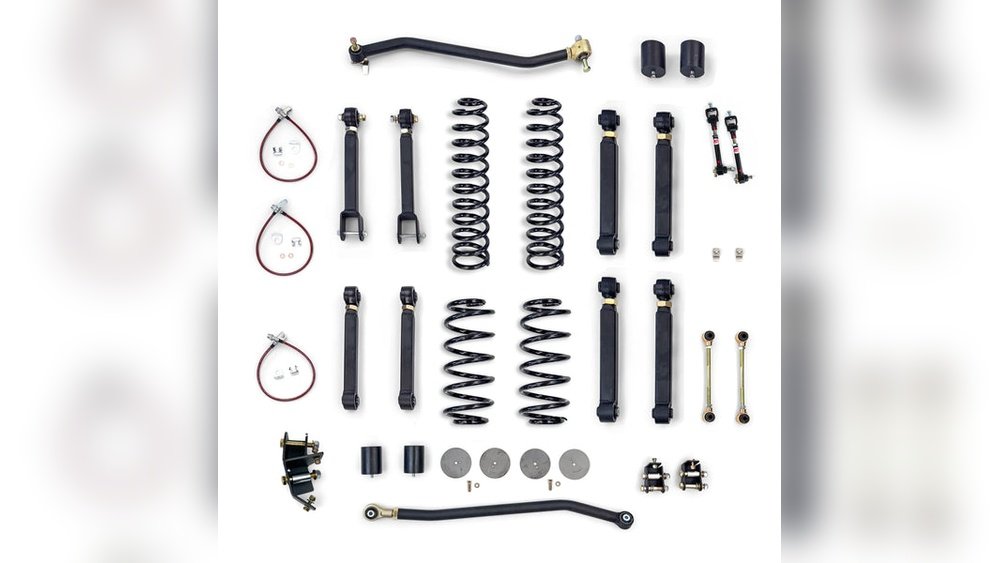
- Longer Travel Suspension: Aftermarket modifications often include longer-travel shocks and springs to enhance articulation further. Factory Jeeps are designed with a good balance, but extreme rock crawlers push this to its limits.
- Disconnecting Sway Bars: Some high-performance Jeeps and many aftermarket setups offer the ability to disconnect the sway bars. Sway bars link the left and right sides of the suspension to reduce body roll on paved roads. Off-road, disconnecting them allows the wheels to move much more independently, dramatically increasing articulation.
When testing, engineers will often use specialized ramps or uneven terrain to measure how much flex the suspension can achieve before a tire lifts significantly or the vehicle becomes unstable.
2. Drivetrain And Gearing
The drivetrain is the heart of a Jeep’s off-road capability. It’s responsible for delivering power from the engine to the wheels.
- Four-Wheel Drive System: Jeeps typically employ sophisticated 4WD systems. The Rock-Trac® 4×4 system found in Rubicon models is a prime example. It offers a low-range gear ratio (often 4:1) that multiplies engine torque, allowing the vehicle to crawl over obstacles at very slow speeds with immense power.
- Locking Differentials: These are crucial for maintaining traction. A differential normally allows wheels on the same axle to spin at different speeds (necessary for turning). In a locked differential, both wheels on an axle are forced to rotate at the same speed.
- Front and Rear Lockers: When both front and rear differentials are locked, if one wheel loses traction, the other wheel on the same axle still receives power. This is essential for rock crawling, where it’s common for one or more wheels to lose contact with the ground.
- Electronic vs. Mechanical Lockers: Modern Jeeps often use electronically activated lockers, which can be engaged by the driver with the push of a button. Older or aftermarket systems might use air or cable-actuated lockers.
- Transfer Case: This component distributes power between the front and rear axles. In a Jeep, it typically includes a 2WD high, 4WD high, 4WD low, and sometimes neutral setting. The 4WD low setting is vital for rock crawling, providing the torque multiplication needed.
During testing, the focus is on how seamlessly the 4WD system engages, how effectively the lockers distribute power, and the responsiveness of the low-range gearing.
3. Tires And Wheels
The tires are the only contact point between the Jeep and the terrain. For rock climbing, this connection needs to be as strong and adaptable as possible.
- Tread Pattern: Aggressive, all-terrain or mud-terrain tires with deep, widely spaced lugs provide excellent grip on rocks, dirt, and mud.
- Sidewall Strength: Rock crawling can put immense stress on tire sidewalls, leading to punctures. Tires with reinforced sidewalls are more resistant to damage.
- Tire Pressure: Lowering tire pressure significantly increases the tire’s contact patch with the ground, improving traction and allowing the tire to conform to the shape of rocks. This is a common technique used by experienced rock crawlers. However, it requires careful monitoring to avoid damaging the tire or rim.
- Wheel Size and Offset: Smaller diameter wheels (e.g., 17-inch) with larger sidewalls are often preferred for rock crawling as they provide more flex and cushion. The wheel offset can also affect how the tires sit and interact with obstacles.
Testing involves assessing tire performance on various surfaces, durability under stress, and how well they maintain grip when aired down.
4. Electronic Aids And Driver Controls
Modern Jeeps are equipped with electronic systems that aid off-road driving, particularly for those less experienced.
- Hill Descent Control (HDC): This system automatically applies brake pressure to control the vehicle’s speed when descending steep slopes, allowing the driver to focus on steering.
- Off-Road+ Mode: Some Jeeps have selectable modes that optimize throttle response, transmission shifting, and traction control for specific terrains like rocks, sand, or mud.
- Electronic Stability Control (ESC) and Traction Control (TC): These systems can be a double-edged sword in rock crawling. While they can help prevent wheel spin, they can also sometimes hinder progress by cutting power when a wheel loses traction. Advanced systems allow for adjustments or can be partially or fully disabled for extreme off-roading.
- Trail Camera: Some models offer a front-facing trail camera that helps drivers see obstacles directly in front of the vehicle, which is invaluable when cresting steep hills or navigating tight spots.
During tests, the effectiveness and intuitiveness of these systems are evaluated. For experienced drivers, the ability to disable or adjust these aids is often as important as their presence.
Real-world Jeep Rock Climbing Test Examples
While specific manufacturer testing protocols are often proprietary, we can look at common scenarios and enthusiast experiences that illustrate the Jeep car rock climbing test in action.
1. Rubicon Trail Testing
The Rubicon Trail in California is legendary among off-road enthusiasts and is often considered a benchmark for off-road vehicle capability. Many manufacturers, including Jeep, use this trail or similar challenging environments for testing and demonstrating their vehicles. Driving the Rubicon involves:
- Extreme Articulation: Negotiating large granite boulders that force suspension components to their limits.
- Steep Ascents and Descents: Climbing and descending near-vertical sections.
- Tight Squeezes: Maneuvering through narrow passages where body damage is a real risk.
- Water Crossings: Navigating deep streams and bogs.
Jeep’s Wrangler Rubicon model is specifically engineered with features like Dana 44 axles, electronic lockers, a 4:1 low-range transfer case, and sway bar disconnects to tackle such terrain. Testing here validates these features under immense pressure.
2. Manufacturer Off-road Parks
Companies like Jeep often maintain their own proving grounds with dedicated off-road courses. These facilities allow for controlled, repeatable testing of specific scenarios.
- Articulation Ramps: Artificial structures designed to lift one wheel significantly, allowing engineers to measure articulation and test locker engagement.
- Rock Gardens: Areas filled with various sizes of rocks to simulate natural terrain.
- Steep Incline/Decline Pads: Graded surfaces to test hill climbing and descent capabilities under controlled conditions.
- Articulation Test: A common test involves driving a vehicle over a series of progressively larger obstacles. The goal is to see how far the suspension can flex before a tire lifts more than a few inches off the ground, or before the vehicle becomes unstable. A Jeep Wrangler Rubicon, for instance, can achieve impressive articulation, keeping all four tires on the ground on obstacles that would high-center many other vehicles.
3. Enthusiast Challenges And Modifications
Beyond manufacturer tests, the off-road community continuously pushes the boundaries. Many Jeep owners modify their vehicles extensively for extreme rock crawling.
These modifications, and the challenges they enable, inform future factory designs.
- Aftermarket Suspension: Long-arm kits, coilovers, and advanced shock absorbers are common.
- Gearing Changes: Lower differential gears (e.g., 4.88 or 5.13) are installed to provide even more torque at low speeds.
- Axle Upgrades: Stronger axles, like Dana 60s, are used for extreme applications.
- Tire Sizes: Larger tires (35-inch, 37-inch, or even larger) are fitted, requiring suspension lifts and fender modifications.
When a Jeep, stock or modified, successfully navigates a particularly challenging rock trail, it serves as a testament to the underlying engineering principles that allow it to perform such feats.

Data And Metrics From Rock Climbing Tests
Quantifying the performance of a Jeep in rock climbing tests involves measuring specific parameters. While exact figures are often internal to manufacturers, we can discuss the types of data collected and what they signify.
A common metric is wheel articulation, often measured in degrees or inches of travel. For example, a highly articulated suspension might allow for 30-40 inches of total wheel travel across an axle, enabling it to conform to very uneven terrain.
Another important aspect is the breakover angle. This is the angle of an obstacle that the vehicle can drive over without its undercarriage hitting the ground. For a Jeep Wrangler, stock breakover angles are typically around 20-25 degrees, but with modifications and careful line selection, they can overcome much steeper obstacles.
The approach and departure angles are also critical. These measure how steep an incline the front and rear bumpers can clear.
- Approach Angle: Typically 35-45 degrees for a stock Jeep Wrangler Rubicon.
- Departure Angle: Typically 30-40 degrees for a stock Jeep Wrangler Rubicon.
These angles allow the Jeep to climb steep hills and descend them without scraping its front or rear.
Here’s a simplified look at how different Jeep models might stack up in terms of off-road geometry, which is crucial for rock climbing: