The Jeep infotainment system is more than just a way to play music; it’s the central hub for your driving experience. It connects you to navigation, communication, and vehicle settings.
A key feature people often ask about is the infotainment screen size. This size directly impacts how easy it is to use the system, see information, and interact with its features.
Jeep offers a range of vehicles, from the rugged Wrangler to the family-friendly Grand Cherokee. Because of this variety, the infotainment screen sizes also vary. Some drivers prefer a smaller, more integrated screen, while others want a large, tablet-like display. This article will explore the different Jeep infotainment screen sizes, what they offer, and how they affect your daily driving. We’ll look at how these screens have evolved and what you can expect across different Jeep models. Understanding these differences will help you choose a Jeep that best fits your needs and preferences.
Understanding Jeep Infotainment Screen Sizes
Jeep has embraced technology, and its infotainment systems have grown significantly over the years. From basic radio displays to advanced touchscreens with smartphone integration, the evolution is clear.
The size of the screen is a primary factor in the user experience.
A larger screen can display more information at once, making it easier to read maps, see camera views, and access different menus.
Evolution Of Jeep Infotainment Screens
Early Jeep models featured very simple radio systems, often with physical buttons and small digital displays. As technology advanced, touchscreens became standard.
The first touchscreens were relatively small, perhaps 5 or 6 inches. These were a big step up, offering more interactive features.
More recently, Jeep has introduced much larger screens. These are designed to be the focal point of the dashboard, offering a premium feel and enhanced functionality.
The trend is towards larger, more integrated displays that can handle complex graphics and multiple information windows.
This push for bigger screens is driven by consumer demand for a more connected and visually appealing cabin.
Factors Influencing Screen Size Choice
When Jeep designs its vehicles, they consider several factors when deciding on infotainment screen sizes.
- Vehicle Segment: Smaller, more affordable Jeeps might have smaller screens to keep costs down. Larger, luxury-oriented models, like the Grand Cherokee, will typically feature larger, more advanced displays.
- Trim Level: Higher trim levels often come with larger or more advanced infotainment systems as a standard feature or an option. Base models might have smaller screens or fewer features.
- Technology Integration: The size of the screen needs to accommodate the features it offers. For example, a system with advanced camera views, detailed navigation, and extensive connectivity options will benefit from a larger display.
- Dashboard Design: The infotainment screen must fit seamlessly into the dashboard’s overall design. Engineers work to integrate the screen so it looks natural and doesn’t disrupt the vehicle’s aesthetics.
Common Jeep Infotainment Screen Sizes By Model
Jeep offers a diverse lineup, and the infotainment screen sizes vary across these models. It's important to note that these sizes can change with model year updates and different trim levels.
Here’s a general overview of what you might find.
Jeep Wrangler
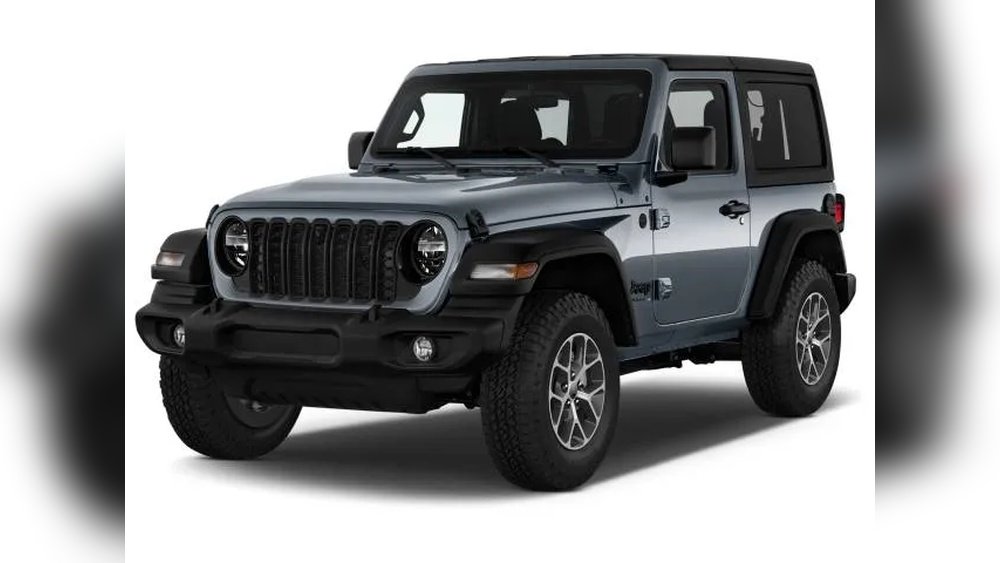
The Jeep Wrangler is iconic for its off-road capabilities, and its infotainment system balances technology with ruggedness.
- Base Models: Often come with a 7-inch touchscreen as standard. This screen supports Apple CarPlay and Android Auto, offering essential connectivity.
- Higher Trims/Optional: Many Wrangler trims can be equipped with a 8.4-inch touchscreen. This larger display provides more screen real estate for navigation and other features. Some special editions or higher-end packages might even offer or have offered even larger screens in the past, but the 7-inch and 8.4-inch are the most common for current generations. The larger screen makes using the Uconnect system more intuitive, especially when navigating complex trails or using connected services.
Jeep Grand Cherokee
The Grand Cherokee is Jeep’s flagship SUV, known for its luxury and advanced features. It typically boasts larger infotainment screens.
- Standard: Most Grand Cherokee models come with a 8.4-inch touchscreen. This is a capable size that integrates well with the SUV’s premium interior.
- Optional/Higher Trims: Higher trims, especially the Limited, Overland, and Summit, often feature a 10.1-inch touchscreen. This large, landscape-oriented display is a significant upgrade, offering a more immersive experience for navigation, media, and vehicle settings. Some top-tier trims might also offer additional screen options, such as a passenger-side display.
Jeep Cherokee
The Jeep Cherokee offers a good balance of comfort and capability, and its infotainment systems reflect this.
- Standard: Many Cherokee models start with a 7-inch touchscreen. This is a functional size for everyday use.
- Optional/Higher Trims: Similar to the Wrangler, higher trims and optional packages can upgrade the system to an 8.4-inch touchscreen. This provides a more enjoyable experience, especially for features like the integrated navigation system.
Jeep Compass
The Jeep Compass is a compact SUV that focuses on style and value. Its infotainment screens are designed to be user-friendly and modern.
- Base Models: Typically feature a 7-inch touchscreen.
- Mid to High Trims: An 8.4-inch touchscreen is usually available or standard on higher trims. This larger screen enhances the usability of features like Apple CarPlay and Android Auto.
Jeep Renegade
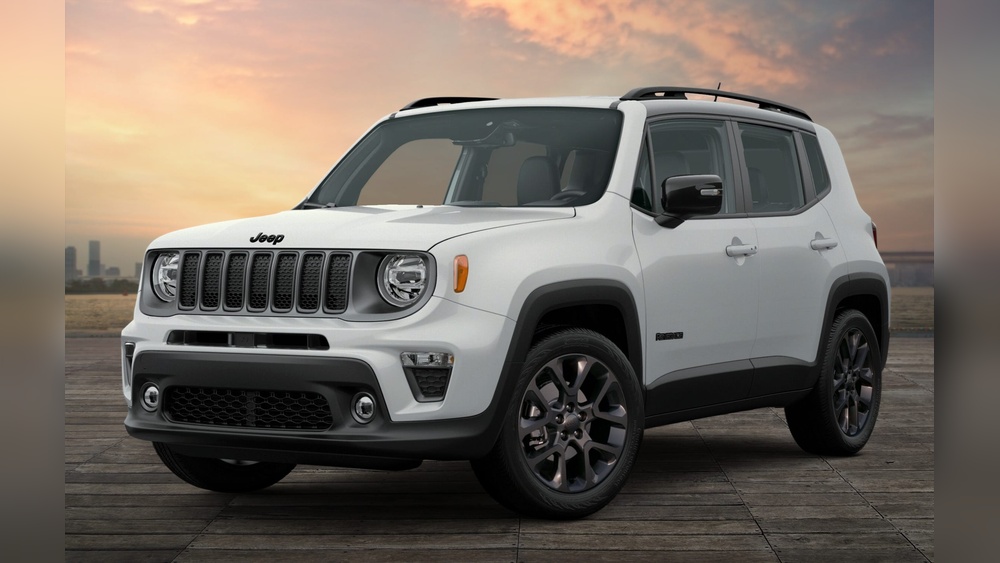
The Jeep Renegade is a subcompact SUV with a distinctive style. Its infotainment system is designed to be practical and easy to use.
- Standard: A 7-inch touchscreen is common on most Renegade models.
- Optional/Higher Trims: An 8.4-inch touchscreen is available on select trims, offering a more premium feel and better visibility.
Jeep Gladiator
The Gladiator, essentially a Wrangler-based pickup truck, shares many of its infotainment features with the Wrangler.
- Standard: You’ll commonly find a 7-inch touchscreen.
- Optional/Higher Trims: An 8.4-inch touchscreen is available, providing a more advanced interface for connectivity and off-road features.
Jeep Wagoneer And Grand Wagoneer
These are Jeep’s largest and most luxurious SUVs, designed to compete with premium brands. They feature the most advanced and largest infotainment systems in the Jeep lineup.
- Primary Touchscreen: These models boast a massive 10.1-inch touchscreen as standard for the driver and front passenger.
- Additional Displays: The Wagoneer and Grand Wagoneer are known for offering multiple screens. This can include a 10.1-inch passenger display and even 10.1-inch rear-seat entertainment screens. Some configurations might also feature a 12.3-inch digital instrument cluster that can display navigation and other infotainment data. This creates a truly immersive and connected cabin experience.

How Screen Size Affects Your Driving Experience
The size of your Jeep’s infotainment screen significantly impacts how you interact with your vehicle’s technology. It’s not just about having a bigger display; it’s about usability, safety, and the overall feel of the cabin.
Usability And Ease Of Interaction
A larger screen generally makes it easier to use the infotainment system.
- Larger Touch Targets: Buttons and icons are bigger on a larger screen, reducing the chance of accidental presses. This is especially important when you’re driving and need to quickly adjust the volume or change a song.
- More Information Displayed: Navigation maps can show more detail, traffic information is clearer, and multiple applications can be displayed simultaneously. For example, you might be able to see your map on one side of the screen and your music controls on the other.
- Easier Menu Navigation: With more space, menus can be laid out more logically, making it simpler to find the settings or features you need without digging through multiple sub-menus.
Visibility And Readability
Screen size directly affects how easy it is to read information at a glance.
- Navigation Clarity: Larger screens make map displays much more readable. You can see more of the route ahead, understand intersections better, and read street names more easily.
- Camera Feeds: When using the backup camera or other vehicle cameras, a larger display provides a clearer and wider view, enhancing safety when parking or maneuvering.
- Text and Icons: Text messages, contact lists, and system prompts are easier to read on a larger display, reducing eye strain.
Impact On Safety
While a larger screen can offer more features, it’s crucial that it doesn’t become a distraction.
- Reduced Distraction: When designed well, larger screens can actually improve safety by allowing drivers to find what they need faster and with fewer interactions. If you can see and tap what you need in one go, it’s safer than fumbling with a small screen or multiple button presses.
- Potential for Distraction: Conversely, a poorly designed interface on a large screen, or a driver’s tendency to explore features while moving, can increase distraction. Jeep’s Uconnect system is generally well-regarded for its user-friendliness, which helps mitigate this.
- Integration with Vehicle Controls: Many systems allow voice commands, which are a safer way to interact with the infotainment system while driving. The screen size might not directly impact voice command effectiveness, but it complements it by providing clear visual feedback.
The infotainment screen is a significant design element in a modern car’s interior.
- Modern Look: Larger, high-resolution screens contribute to a more modern and premium appearance. They can make the dashboard look cleaner and more sophisticated.
- Technological Advancement: A large screen signals that the vehicle is equipped with the latest technology, which can be a significant selling point for many buyers.
- Integration: The way the screen is integrated into the dashboard, whether it appears to float or is built-in, also affects the overall look. Larger screens often require a more thoughtful integration to avoid looking out of place.
Key Features Enhanced By Larger Screens
Larger infotainment screens aren’t just about size; they enable and enhance specific features that make driving more convenient and enjoyable.
Detailed navigation maps benefit greatly from larger displays.
- Map Detail: The ability to display more of the map at once means fewer zooms and pans are needed. You can see upcoming turns, potential traffic jams, and points of interest more clearly.
- Split-Screen Functionality: Larger screens allow for effective split-screen modes. You can have your map on one side and your music or climate controls on the other, providing simultaneous access to different functions without overwhelming the display.
- 3D Mapping and Traffic Data: Advanced navigation systems often use 3D rendering for buildings and terrain, and display real-time traffic overlays. These visual elements are much more impactful and easier to interpret on a larger screen.
Smartphone Integration (apple Carplay & Android Auto)
These systems mirror your smartphone’s interface onto the car’s screen.
- Larger App Icons: Apple CarPlay and Android Auto use simplified interfaces with large icons. A bigger screen means these icons are even more prominent and easier to tap accurately.
- More Content Visible: You can see more of your messages, playlists, or navigation apps without scrolling as much. For instance, a music app might show album art, song title, artist, and playback controls all at once on a larger screen.
Camera Systems
Modern Jeeps often come with multiple cameras for parking and off-roading.
- 360-Degree View: Vehicles equipped with a 360-degree camera system benefit immensely from a larger screen. The combined view from multiple cameras can be displayed more effectively, giving the driver a comprehensive understanding of their surroundings.
- Off-Road Cameras: For off-roading, cameras can show the path ahead or under the vehicle. A larger screen makes these views clearer and more useful for navigating challenging terrain.
- Guidance Lines: Dynamic guidance lines that move with the steering wheel are easier to see and interpret on a bigger display.
Climate Control And Vehicle Settings
Even basic functions like climate control can be improved.
- Visual Feedback: For vehicles with automatic climate control, a larger screen can provide clearer visual feedback on fan speed, temperature zones, and air direction.
- Customization: Accessing and adjusting various vehicle settings, such as drive modes, lighting options, or safety feature preferences, becomes more intuitive when laid out on a spacious display.

Comparing Screen Sizes: What To Expect
When comparing Jeep models or trim levels, the infotainment screen size is a key differentiator. Here’s a general comparison of how different sizes perform.
The 7-inch Experience
A 7-inch touchscreen is a solid standard for many vehicles, including base models of several Jeep SUVs.
- Pros:
- Cost-Effective: Generally found on more affordable trims, helping to keep the vehicle’s price down.
- Functional: Sufficient for basic tasks like making calls, playing music, and basic navigation.
- Less Distracting: Smaller screen size can sometimes mean fewer complex features are displayed, potentially leading to less distraction.
- Cons:
- Limited Information: Can feel cramped when displaying complex maps or multiple applications.
- Smaller Touch Targets: Icons and buttons can be small, making them harder to hit accurately while driving.
- Basic Appearance: May look less modern compared to larger, more integrated displays.
The 8.4-inch Upgrade
The 8.4-inch touchscreen is a popular mid-range option, offering a significant improvement over smaller screens.
- Pros:
- Good Balance: Offers a good compromise between screen real estate and dashboard integration.
- Enhanced Usability: More space for icons and menus makes navigation easier.
- Better Visibility: Maps and camera feeds are more detailed and easier to see.
- Common Upgrade: Available on many popular trims, making it accessible.
- Cons:
- Can Still Feel Small: For very complex interfaces or extensive customization, it might still feel a bit limited compared to larger options.
- Not the Largest Available: If you desire the absolute biggest screen, this isn’t it.
The 10.1-inch And Larger Experience
The 10.1-inch touchscreen and larger displays, found in models like the Grand Cherokee, Wagoneer, and Grand Wagoneer, represent the top tier.
- Pros:
- Immersive: Provides a truly premium and engaging user experience.
- Maximum Functionality: Ideal for displaying detailed navigation, multiple apps, and high-resolution camera feeds.
- Premium Aesthetics: Significantly enhances the interior’s modern and luxurious feel.
- Passenger and Rear Screens: Enables advanced features like