When the weather turns cold, your Jeep's heating system becomes your best friend. It’s not just about comfort; a properly working heater is crucial for defrosting your windshield and ensuring safe driving.
Many Jeep owners, especially those who love to take their vehicles off-road or use them in harsh climates, rely heavily on their heating systems. Understanding how it works, common issues, and how to maintain it can save you from a lot of discomfort and potentially expensive repairs.
The heating system in a Jeep, like most vehicles, is a clever piece of engineering that uses the engine’s waste heat to warm the cabin. It’s a closed-loop system that circulates coolant. When the engine runs, it generates a lot of heat. Some of this heat is dissipated by the radiator, but a portion is diverted to warm the passenger compartment. This process is managed by several key components working together.
How Your Jeep’s Heating System Works
At its core, your Jeep’s heating system is a miniature radiator and fan system. It takes hot engine coolant and uses it to heat the air that is then blown into the cabin. Here’s a breakdown of the main parts and how they function:
The Coolant Flow
The process begins with the engine coolant. This is a mixture of antifreeze and water that circulates through the engine block, absorbing heat.
- Engine Heat: As the engine operates, it produces significant heat. The coolant absorbs this heat, becoming very hot.
- Thermostat Control: The thermostat is a valve that regulates coolant flow. When the engine is cold, the thermostat stays closed, preventing coolant from circulating through the radiator and heater core, allowing the engine to warm up faster. Once the engine reaches its optimal operating temperature, the thermostat opens.
- Heater Core: A portion of the hot coolant is then diverted from the engine, bypassing the main radiator (or flowing through a separate circuit depending on the design), and sent to the heater core. The heater core looks much like a small radiator, usually located behind the dashboard.
- Heat Exchange: As hot coolant flows through the heater core’s tiny passages, it releases its heat.
- Return to Engine: After passing through the heater core, the now cooler coolant returns to the engine to absorb more heat, continuing the cycle.
The Blower Motor And Airflow
While the heater core gets hot, you need a way to move that heat into the cabin. This is where the blower motor comes in.
- Blower Motor: This electric fan is controlled by your climate control settings (fan speed). When you turn up the fan, you’re telling the blower motor to spin faster.
- Air Intake: The blower motor draws outside air (or recirculated cabin air) into the HVAC (Heating, Ventilation, and Air Conditioning) system.
- Passing Through Heater Core: This air is then forced through the fins of the hot heater core. The heat from the coolant transfers to the air.
- Distribution: The heated air is then directed through a series of ducts to the vents you see on your dashboard, floor, and sometimes the rear of the cabin.
Blend Doors And Temperature Control
To control the temperature, your Jeep uses blend doors. These are flaps inside the HVAC system that mix hot air (from the heater core) with cool air (which can come from the A/C evaporator or outside air).
- Cold Setting: When you set the temperature to cold, the blend door directs all the air to bypass the heater core, or it mixes a lot of cool air with minimal hot air.
- Hot Setting: When you turn the temperature up, the blend door moves to force more air through the heater core or to mix more hot air with the cool air.
- Variable Control: Most modern Jeeps have a system that allows for precise temperature control by adjusting the position of the blend door.
The Role Of The Radiator And Coolant Level
It’s important to understand the relationship between the main radiator and the heater core. Both use engine coolant.
- Radiator: The main radiator’s job is to cool the engine by dissipating excess heat into the outside air.
- Heater Core: The heater core uses some of that engine heat to warm the cabin.
- Coolant Level: A low coolant level is one of the most common reasons for a Jeep’s heating system to fail. If there isn’t enough coolant in the system, neither the engine nor the heater core can get hot enough. The coolant level sensor might also trigger a warning light.
- Antifreeze: Using the correct antifreeze mixture is vital. It not only prevents the coolant from freezing in cold weather but also raises its boiling point and contains anti-corrosion additives that protect the engine and heater core.
Common Jeep Heating System Problems And Solutions
Even the most robust systems can develop issues. Jeep owners often encounter specific problems due to the nature of the vehicle and its use. Here are some of the most frequent culprits:
No Heat Or Insufficient Heat
This is the most common complaint. If your Jeep blows cold air or only lukewarm air, several things could be wrong.
- Low Coolant Level: As mentioned, this is the primary suspect.
- Cause: Leaks in hoses, radiator, water pump, heater core, or head gasket.
- Solution: Check the coolant reservoir and radiator (when cool!). If low, top it up with the correct coolant mixture. Crucially, find and fix the leak. Simply adding coolant without repairing the leak is a temporary fix.
- Faulty Thermostat: If the thermostat is stuck open, the engine may never reach optimal operating temperature, meaning there’s not enough heat for the heater core.
- Cause: Wear and tear, mineral deposits.
- Solution: Replace the thermostat. This is a relatively inexpensive part.
- Clogged Heater Core: Over time, sediment, rust, or stop-leak additives can clog the small passages in the heater core, preventing hot coolant from flowing through it effectively.
- Cause: Neglected coolant maintenance, using incorrect additives.
- Solution:
- Flushing: A professional flush might dislodge some clogs. Sometimes, you can backflush it yourself with a garden hose, but be careful not to damage it.
- Replacement: If severely clogged, the heater core will need to be replaced. This is often a labor-intensive job, as it’s usually located deep within the dashboard.
- Bad Water Pump: If the water pump impeller is corroded or broken, it won’t circulate coolant effectively. This affects both engine cooling and heating.
- Cause: Age, corrosion.
- Solution: Replace the water pump.
- Air in the Cooling System: Air pockets can form, especially after coolant has been drained or if there’s a leak. These pockets can block coolant flow to the heater core.
- Cause: Improper bleeding of the system after maintenance, leaks.
- Solution: Bleed the cooling system to remove air pockets. The procedure varies by Jeep model, but often involves running the engine with the radiator cap off (or bleed screw open) until the thermostat opens and all air escapes. Consult your owner’s manual or a repair guide.
- Faulty Blend Door Actuator: The electric motor that moves the blend door might fail, causing it to stick in a position that doesn’t allow enough hot air into the cabin.
- Cause: Electrical failure, motor wear.
- Solution: Replace the blend door actuator. This is usually accessible behind the dashboard.
Strange Noises From The Heating System
Grinding, squealing, or clicking noises often point to specific components.
- Blower Motor Issues: A squealing or grinding noise when the fan is on usually indicates a problem with the blower motor itself.
- Cause: Worn bearings, debris (leaves, twigs) caught in the fan.
- Solution: If debris is the cause, it might be removable. Otherwise, the blower motor will need replacement.
- Blend Door Actuator: Clicking or popping sounds when you change temperature settings or turn the system on/off can indicate a blend door actuator struggling to move or a door that’s hitting something.
- Cause: Actuator failure, obstruction.
- Solution: Replace the blend door actuator.
Musty Or Foul Odors
A bad smell when the heat is on can be unpleasant and sometimes indicate a problem.
- Mold/Mildew in the HVAC System: The evaporator core (part of the A/C system, but often located near the heater core) can collect moisture, leading to mold growth. When you turn on the heat, this mold can release odors.
- Cause: Trapped moisture, lack of A/C use in dry conditions.
- Solution: Use A/C periodically, even in winter, to help dry out the system. Special HVAC cleaners can be sprayed into the system to kill mold and mildew. Sometimes, the cabin air filter (if equipped) can also contribute to odors if it’s dirty.
- Leaking Heater Core: A sweet, cloying smell might indicate a coolant leak, specifically from the heater core. You might also notice fogging on the inside of your windshield.
- Cause: Heater core failure.
- Solution: This is a serious issue. The heater core needs to be replaced immediately to prevent further damage and potential health hazards from breathing coolant fumes.
- Burning Smell: This could indicate an electrical issue with the blower motor or resistor, or potentially something burning on the exhaust system that’s near an air intake.
- Cause: Electrical fault, foreign object.
- Solution: Stop using the system and have it inspected immediately to prevent fire hazards.
Diminished Airflow From Vents
If the air from your vents is weak, even on the highest fan setting, it’s usually one of two things.
- Clogged Cabin Air Filter: Many modern Jeeps have a cabin air filter that traps dust, pollen, and debris before the air reaches the vents. If this filter is extremely dirty, it severely restricts airflow.
- Cause: Accumulation of dirt and debris.
- Solution: Replace the cabin air filter. This is often a simple DIY job.
- Blockage in Ducts: Less common, but debris can sometimes get lodged in the air ducts.
- Cause: Foreign objects entering the system.
- Solution: Requires investigation and removal of the obstruction.

Maintenance Tips For Your Jeep’s Heating System
Preventative maintenance is key to avoiding costly repairs and ensuring your Jeep’s heater works when you need it most.
Regular Coolant Checks
- Frequency: Check your coolant level at least once a month, and before any long trips, especially in cold weather.
- What to Check: Ensure the coolant level in the overflow reservoir is between the ‘MIN’ and ‘MAX’ lines when the engine is cold. Also, visually inspect hoses for cracks or leaks.
- Coolant Type: Always use the specific type of coolant recommended in your Jeep owner’s manual. Mixing different types can cause corrosion and reduce effectiveness. For example, many modern Jeeps use Mopar HOAT (Hybrid Organic Acid Technology) coolant.
Coolant Flushes And Replacement
- Schedule: Follow your Jeep’s maintenance schedule for coolant flushes. Typically, this is recommended every 30,000 to 60,000 miles, or every 2-5 years.
- Procedure: A proper flush removes old, degraded coolant and any sediment or rust that may have built up. It’s essential to fill the system with the correct mixture and then properly bleed all air out afterward. In my experience, failing to bleed the system is a very common mistake that leads to heating problems.
Inspecting Hoses And Clamps
- Visual Inspection: Regularly look at all coolant hoses. Squeeze them (when cool) to check for hardness, softness, or cracks.
- Clamps: Ensure hose clamps are tight and not corroded. Loose clamps are a frequent cause of coolant leaks.
Checking The Thermostat
- Symptoms: If your Jeep takes too long to warm up, or the temperature gauge fluctuates significantly, the thermostat might be failing.
- Replacement: It’s a relatively inexpensive part, and it’s often recommended to replace it when you do a coolant flush or water pump replacement, as it’s a common failure point.
Blower Motor And Resistor Check
- Fan Speeds: Test all fan speeds. If some speeds work but others don’t, the blower motor resistor is often the culprit.
- Noise: Listen for unusual noises from the fan.
Cabin Air Filter Replacement
- Frequency: If your Jeep has a cabin air filter, check it annually or every 15,000 miles. Replace it if it looks dirty or airflow is reduced.
- Location: The location varies by model but is often behind the glove box or under the hood near the windshield cowl.
Heater Core Protection
- Avoid Stop-Leak Products: While tempting, these products can often clog the fine passages of the heater core and radiators. Only use them as a last resort if explicitly recommended by a mechanic for a specific, minor leak.
- Quality Coolant: Using high-quality coolant with proper additives helps prevent internal corrosion, which is the main enemy of the heater core.
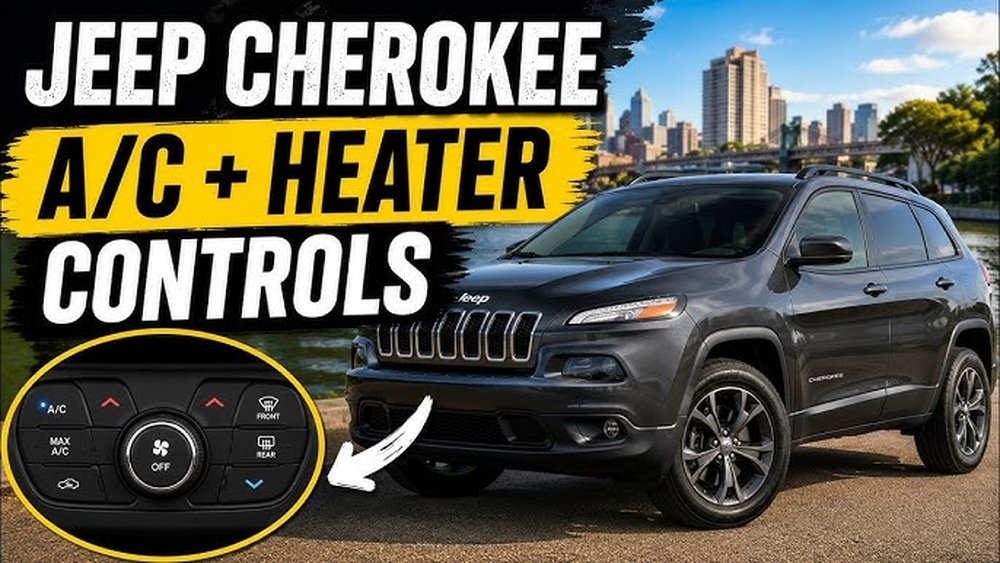
Understanding Your Jeep’s Climate Control System
Modern Jeeps often come with advanced climate control systems that go beyond simple hot/cold settings. Understanding these can help you optimize your comfort and identify potential issues.
Manual Vs. Automatic Climate Control
- Manual Systems: These are common on base models. You manually adjust the fan speed, temperature (often via a slider or dial controlling the blend door), and vent selection. You have direct control over each function.
- Automatic Climate Control (ACC): Found on higher trims, ACC uses sensors to monitor cabin temperature, outside temperature, and sometimes even sunlight. You set a desired temperature, and the system automatically adjusts fan speed, blend doors, and air recirculation to maintain that temperature.
- Pro Tip: Even with ACC, pay attention to the temperature. If it’s blowing noticeably cooler than you expect, it could indicate a sensor issue or a problem with the blend door system, not just a setting error.
Recirculation Vs. Fresh Air Mode
- Fresh Air Mode: Draws air from outside the vehicle. This is good for clearing