Jeep Car Fuel Efficiency Tips
Owning a Jeep is about adventure, freedom, and tackling tough terrain. But let's be honest, those rugged capabilities sometimes come with a higher fuel bill.
If you love your Jeep but want to spend less at the gas pump, you're in the right place.
This guide is packed with practical, easy-to-follow tips to improve your Jeep's fuel efficiency. We'll cover everything from how you drive to how you maintain your vehicle, and even how you pack it.
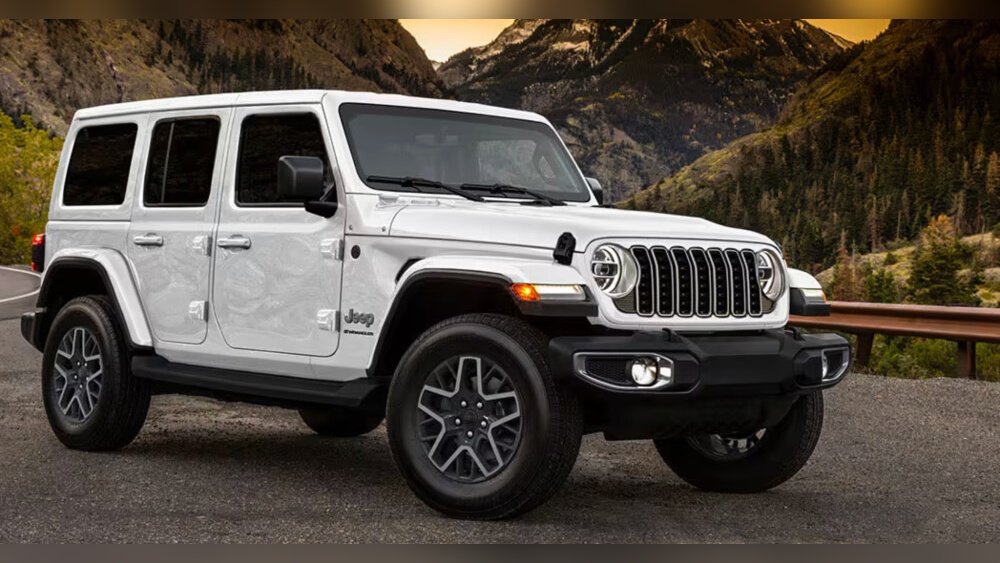
By making a few smart changes, you can enjoy your Jeep more and save money too.
Driving Habits For Better Mpg
How you drive has a massive impact on how much fuel your Jeep uses. Smooth, predictable driving is key.
Sudden acceleration and hard braking waste a lot of energy and, therefore, fuel.
Smooth Acceleration And Braking
Think of your accelerator pedal like a gentle hand. Instead of stomping on it to get moving, press it down smoothly and gradually. This allows the engine to build speed without using excess fuel. Similarly, when you need to slow down, try to anticipate stops well in advance. Look ahead on the road to see traffic lights, stop signs, or slowing traffic. By lifting your foot off the accelerator early, you can often slow down using engine braking or light pressure on the brakes, saving fuel that would be used for aggressive acceleration from a standstill. This practice is often called coasting.
Maintaining A Steady Speed
Constantly changing your speed uses more fuel than maintaining a consistent pace. On the highway, using cruise control can be very helpful. It keeps your speed steady, preventing unnecessary fluctuations. However, be mindful of hilly terrain. On steep inclines, cruise control might cause the engine to work harder, using more fuel. In such situations, it might be more efficient to manually control your speed, easing off the accelerator slightly as you go uphill. For city driving, try to find a steady speed and avoid constant stop-and-go situations as much as possible.
Avoiding Excessive Idling
Idling means your engine is running, but your Jeep isn’t moving. This is pure fuel waste. If you anticipate being stopped for more than 30 seconds (like waiting for someone or at a long train crossing), it’s generally more fuel-efficient to turn off your engine. Modern engines don’t need long warm-up periods, and turning them off when stationary saves a significant amount of fuel over time.
Mindful Gear Selection (manual Transmissions)
If your Jeep has a manual transmission, proper gear selection is crucial for fuel economy. Start in a lower gear to get moving, but shift into higher gears as soon as it’s practical. Driving in a gear that’s too low for your speed causes the engine to rev higher than necessary, burning more fuel. Aim to shift up around 2,000-2,500 RPM for optimal efficiency. Conversely, don’t lug the engine by staying in too high a gear at low speeds; this can also be inefficient and potentially harm the engine.

Vehicle Maintenance For Fuel Savings
Regular maintenance is not just about keeping your Jeep running smoothly; it’s also a significant factor in its fuel efficiency. Neglecting simple maintenance tasks can lead to a noticeable drop in your MPG.
Tire Pressure Is Crucial
Underinflated tires create more rolling resistance. This means your engine has to work harder to move the vehicle, leading to increased fuel consumption. It’s one of the easiest and most impactful things you can do.
- Check regularly: Aim to check your tire pressure at least once a month, and before long trips.
- Use the right pressure: Find the recommended tire pressure on the sticker inside your driver’s side doorjamb or in your owner’s manual. Do NOT use the maximum pressure listed on the tire sidewall.
- Impact: Driving with tires underinflated by just 10 PSI can reduce fuel efficiency by as much as 1%. Over time, this adds up significantly.
Clean Air Filter
Your engine needs air to combust fuel. A clogged air filter restricts airflow, making the engine work harder and less efficiently.
- Inspect: Visually inspect your air filter. If it looks dirty or dusty, it’s time for a replacement.
- Frequency: Depending on your driving conditions (e.g., dusty roads), you might need to replace it more often than the manufacturer suggests.
- Benefit: A clean air filter can improve fuel economy by around 10%, according to some estimates.
Spark Plugs And Ignition System
Worn-out spark plugs can cause misfires and inefficient combustion. This means fuel isn’t being burned completely, wasting energy and reducing MPG.
- Symptoms: Rough idling, poor acceleration, or a decrease in fuel economy can indicate worn spark plugs.
- Replacement: Follow your owner’s manual for recommended replacement intervals.
- Ignition Coils: Similarly, ensure your ignition coils are in good working order. A faulty coil can lead to similar issues.
Regular Oil Changes
Using the correct grade of motor oil and changing it at recommended intervals is vital. Clean oil lubricates engine parts effectively, reducing friction and wear.
- Viscosity: Always use the oil viscosity recommended in your owner’s manual. Using oil that is too thick can increase friction and hurt fuel economy.
- Synthetic Oils: While often more expensive, synthetic oils can offer better lubrication and protection, potentially leading to slightly improved efficiency and longer engine life.
Fuel System Maintenance
A clean fuel system ensures that fuel is injected into the engine efficiently.
- Fuel Injectors: Dirty fuel injectors can spray fuel unevenly, leading to poor combustion and wasted fuel.
- Fuel Filters: A clogged fuel filter can restrict fuel flow, making the engine work harder.
- Additives: Using a quality fuel injector cleaner occasionally can help maintain a clean system.
Aerodynamics And Weight: Reducing Drag And Load
The shape of your Jeep and the weight it carries play a significant role in how much fuel it consumes. Jeeps, especially those with boxier designs or added accessories, can face considerable aerodynamic drag.
Remove External Accessories
Things like roof racks, cargo carriers, and bike racks can significantly disrupt the airflow around your Jeep. Even when empty, these accessories create drag, especially at highway speeds.
- Off-Road Lights: Large light bars or extra spotlights mounted on the roof or bumper can also increase wind resistance.
- Action: If you’re not actively using them, remove them. The difference in fuel economy can be surprising. For example, a fully loaded roof rack can decrease fuel efficiency by 5-20%.
Keep Windows Closed At Higher Speeds
While opening windows can be a pleasant way to feel the breeze at lower speeds, it’s detrimental to fuel economy at highway speeds.
- Aerodynamic Drag: Open windows create significant aerodynamic drag, forcing your engine to work harder to maintain speed.
- AC vs. Windows: Studies have shown that at speeds above 45-50 mph, using your air conditioning is often more fuel-efficient than driving with the windows down.
Proper Tire Alignment
Misaligned wheels cause tires to drag sideways instead of rolling freely. This increases rolling resistance and wastes fuel.
- Signs: Uneven tire wear, your vehicle pulling to one side, or a steering wheel that isn’t centered when driving straight are indicators of alignment issues.
- Benefit: Proper alignment ensures your tires roll smoothly, improving efficiency and tire life.
Reduce Vehicle Weight
Every extra pound your Jeep carries requires more fuel to move.
- Declutter: Go through your Jeep and remove any unnecessary items you might be carrying around. Tools, sports equipment, or extra gear that isn’t needed for your daily commute or planned trips should be removed.
- Spare Tire: While essential for emergencies, a heavy spare tire contributes to weight. Ensure it’s properly inflated if you have one.
- Aftermarket Parts: Heavy-duty aftermarket bumpers, larger tires, or suspension upgrades can add significant weight. While beneficial for off-roading, they will impact fuel economy.

Smart Fueling And Other Considerations
Beyond driving and maintenance, there are other smart choices you can make to optimize your Jeep’s fuel usage.
Choose The Right Fuel
Most modern Jeeps are designed to run on regular unleaded gasoline. Using a higher octane fuel than recommended typically offers no fuel economy benefit and is just a waste of money. Always check your owner’s manual or the label inside your fuel filler door for the manufacturer’s recommendation.
Use Fuel Efficiency Apps And Track Your Mpg
Technology can help you stay on top of your fuel consumption.
- MPG Trackers: Many smartphone apps allow you to log your fuel purchases and mileage, automatically calculating your MPG. This helps you monitor trends and identify when your efficiency might be dropping.
- GPS Navigation: Using a GPS navigation system can help you find the most direct routes and avoid getting lost, which can lead to unnecessary mileage and fuel use. Some advanced systems can even suggest the most fuel-efficient routes.
Consider Tire Type And Size
The tires on your Jeep have a significant impact on fuel economy.
- All-Terrain vs. Highway Tires: Aggressive all-terrain or mud-terrain tires, while great for off-roading, often have higher rolling resistance and a more pronounced tread pattern that can hurt highway MPG. If your Jeep is primarily a daily driver, highway tires or less aggressive all-terrain tires can offer better fuel efficiency.
- Tire Size: Larger, wider tires increase rolling resistance and can require more power to turn, negatively impacting MPG. Sticking to the factory-recommended tire size is usually best for fuel economy.
Plan Your Trips
Combining errands into a single trip can save fuel.
- Cold Engine: A cold engine is less efficient than a warm one. Making multiple short trips where the engine doesn’t have a chance to fully warm up uses more fuel than one longer trip covering the same distance.
- Traffic: Planning your route to avoid peak traffic times can also save fuel by minimizing idling and stop-and-go driving.
Understanding Your Jeep’s Fuel Economy
Different Jeep models and configurations have vastly different fuel economy ratings. A two-door Wrangler will generally be more efficient than a four-door Grand Cherokee with a larger engine.
Factors Affecting Mpg
Several factors specific to your Jeep influence its fuel efficiency:
- Engine Size: Larger engines, while powerful, typically consume more fuel.
- Drivetrain: 4WD systems, especially older or heavier-duty ones, can add weight and friction, slightly reducing MPG compared to 2WD. However, for Jeeps, 4WD is often a necessity for their intended use.
- Transmission: Manual transmissions can sometimes offer slightly better MPG than automatics, though modern automatic transmissions are very efficient.
- Body Style: The aerodynamic shape of the vehicle plays a huge role. A boxier design like a Wrangler will inherently have more drag than a sleeker design.
Reading Your Fuel Economy Data
Most modern Jeeps come equipped with an on-board computer that displays average MPG, instant MPG, and trip mileage.
- Instant MPG: This shows your fuel economy in real-time. It’s a great tool for learning how your driving habits affect consumption. You’ll see it drop dramatically during acceleration and climb significantly when coasting downhill.
- Average MPG: This gives you a running average over a set period or distance. It’s a good indicator of your overall efficiency.
- Trip MPG: Useful for tracking the efficiency of specific journeys.
Here’s a look at how different factors might influence MPG, though these are general estimations and can vary widely by specific model year and configuration:
| Factor | Impact on MPG | Notes |
|---|---|---|
| **Engine Size** | Larger = Lower MPG | V6 engines typically use more fuel than 4-cylinders. |
| **Drivetrain** | 4WD generally lower than 2WD | Adds weight and friction, but essential for Jeep capability. |
| **Transmission Type** | Manual can be slightly better than Auto | Modern automatics are very efficient. |
| **Tire Type** | Aggressive AT/MT tires = Lower MPG | Highway tires offer better rolling resistance. |
| **Tire Size** | Larger/wider tires = Lower MPG | Increases rolling resistance and load on the engine. |
| **Aerodynamics** | Boxy shape/external racks = Lower MPG | Roof racks, open windows at speed increase drag. |
| **Vehicle Weight** | Heavier load = Lower MPG | Remove unnecessary items. |
| **Driving Style** | Aggressive = Lower MPG | Smooth acceleration and braking are key. |
| **Maintenance** | Poor maintenance = Lower MPG | Underinflated tires, dirty filters hurt efficiency. |
Pro Tip: Understand Your Jeep’s “real World” Mpg
Manufacturer MPG ratings are determined under specific, controlled conditions. Your actual "real-world" MPG will likely be different.
Factors like your local terrain (hills vs. flat), traffic density, driving style, and even ambient temperature can all affect your actual fuel economy.
Don’t be discouraged if your numbers don’t perfectly match the EPA estimates; focus on improving your own consistent MPG.

Modifying Your Jeep For Fuel Efficiency
While Jeeps are known for their off-road prowess, some modifications can actually help improve fuel economy, though these often require careful consideration.
Aerodynamic Enhancements
While many Jeep owners add accessories that *reduce* aerodynamics, a few subtle changes can help.
- Underbody Panels: Some aftermarket companies offer skid plates or underbody panels that can smooth out airflow beneath the vehicle. This is more common in performance or overland builds but can contribute to efficiency.
- Grille Inserts: While often for aesthetics, some grille inserts can subtly direct airflow, though the impact on MPG is usually minimal unless specifically designed for aero.
Lighter Weight Components
Replacing heavy factory parts with lighter aftermarket options can reduce overall vehicle weight.
- Fenders: Lighter composite fenders can shave off pounds.
- Wheels: Lightweight alloy wheels can significantly reduce unsprung weight, which can have a small positive effect on acceleration and fuel efficiency.
- Bumpers: While heavy-duty steel bumpers are popular for protection, lighter aluminum or composite options exist.
Engine Tuning And Performance Chips
Modern engines have sophisticated computer systems. Some aftermarket performance chips or tuning modules claim to optimize engine parameters for better fuel efficiency.
- Caution: Be extremely careful with these. Many are designed for increased power, which often comes at the expense of fuel economy. Research thoroughly and look for reputable tuners specifically focused on MPG



















