The driver's seat is where you spend most of your time in a Jeep. It's your command center, your view of the world, and your connection to the vehicle's performance.
Whether you're tackling tough trails, cruising down the highway, or simply running errands, Jeep car driver seat comfort is crucial for a good driving experience. A comfortable seat means less fatigue, better focus, and more enjoyment, especially on long drives or challenging off-road adventures.
Jeeps are known for their ruggedness and off-road capabilities, but that doesn't mean they have to sacrifice comfort. Manufacturers have made significant strides in improving interior comfort over the years, especially in the driver's seat.
From the materials used to the ergonomic design and available features, many factors contribute to how comfortable you feel behind the wheel.
Understanding these elements can help you appreciate your current Jeep’s seat or make a more informed decision when choosing a new one. This article will explore the various aspects that define Jeep driver seat comfort, covering design, materials, adjustability, and features that make a difference on and off the road.
The Foundation Of Comfort: Seat Design And Ergonomics
The physical shape and design of a Jeep's driver seat are the primary determinants of comfort. Ergonomics, the science of designing and arranging things so people can use them easily and safely, plays a vital role here.
A well-designed seat supports the body's natural curves, distributes weight evenly, and reduces pressure points.
Seat Cushioning And Support
The amount and type of foam cushioning in the seat are critical. Too soft, and you might sink in without adequate support, leading to aches. Too firm, and it can feel rigid and uncomfortable, especially on longer journeys. Modern Jeep seats often use dual-density foam, with a firmer layer for support and a softer layer for initial comfort.
The seatback’s contour is also important. It should provide good lumbar support to maintain the natural inward curve of your lower back. Without proper lumbar support, drivers can experience back pain and fatigue. The bolsters on the sides of the seat are designed to hold you in place during turns, which is particularly useful in a Jeep’s off-road environment. However, these bolsters should not be so aggressive that they feel restrictive or uncomfortable for everyday driving.
Seat Pan Design
The seat pan, or the bottom cushion, needs to be long enough to support your thighs. This helps to reduce pressure on the back of your legs and improve circulation. A seat pan that’s too short can lead to discomfort and numbness, especially for taller drivers. The angle of the seat pan can also affect comfort; a slight downward tilt can help relieve pressure on the tailbone.
Materials Matter: Upholstery And Breathability
The materials used to cover the driver’s seat significantly impact comfort, especially in varying weather conditions. Jeep offers a range of upholstery options, each with its pros and cons.
Cloth Upholstery
Cloth seats are often a standard offering and can be quite comfortable. They tend to be breathable, which is excellent for hot weather as it allows air to circulate, preventing that sticky, sweaty feeling. However, cloth can absorb moisture and odors, and it’s generally harder to clean than other materials if spills occur. For off-roading, cloth can also trap dirt and mud more easily.
Leather And Leather-trimmed Seats
Leather seats offer a premium feel and are easier to clean. They are also quite durable. However, leather can get very hot in direct sunlight and feel cold in winter. To mitigate this, many Jeep models offer heated and ventilated seats, which use integrated systems to warm or cool the seat surface. This feature can dramatically improve comfort in extreme temperatures.
Some Jeep models, particularly higher trims, feature more advanced materials. This can include premium cloth with better stain resistance or Nappa leather for a luxurious touch. Jeep also offers all-weather floor mats and often designs its seats with durability and ease of cleaning in mind, recognizing the adventurous nature of its vehicles. For instance, some seats might have water-resistant treatments or designs that allow for easier cleaning after a muddy off-road excursion.
Adjustability: Finding Your Perfect Position
The ability to adjust the driver’s seat is perhaps the most critical factor for personalized comfort. A seat that can be moved in multiple directions allows drivers of all sizes to find an optimal driving position.
Manual Adjustments
Most Jeep driver seats offer at least a few manual adjustments:
- Fore/Aft Adjustment: This allows you to move the seat forward or backward.
- Seatback Recline: Adjusts the angle of the seatback.
- Seat Height Adjustment: Raises or lowers the entire seat.
- Lumbar Support Adjustment: Most modern seats have a manual knob or lever to adjust the depth of the lumbar support.
These basic adjustments are essential for accommodating different leg lengths and torso heights.
Power Adjustments
Higher trim levels and newer Jeep models often come with power-adjustable seats. These offer more precise control and can include additional adjustments:
- 12-Way Power Adjustment: This typically includes fore/aft, height, recline, and often adjustments for thigh support extension and tilt.
- Memory Settings: Power seats can often store multiple driver positions, allowing you to recall your preferred seat setting with the touch of a button. This is incredibly convenient if multiple people drive the vehicle.
- Power Lumbar Support: Offers more consistent and often more effective lumbar support than manual versions.
The availability and range of power adjustments can significantly enhance long-term comfort by allowing micro-adjustments throughout a drive to alleviate pressure points.
Features Enhancing Driver Seat Comfort
Beyond the basic design and adjustability, several features can further elevate the driver’s seat experience in a Jeep.
Heated And Ventilated Seats
As mentioned earlier, heated seats are a boon in cold climates, warming the seat quickly and efficiently. Conversely, ventilated seats use small fans to draw air through the perforations in the upholstery, providing a cooling effect that is invaluable on hot days or after strenuous activity. Many Jeep models offer both functions, often controlled independently for the seat cushion and seatback.
Seat Massage Functionality
While less common and typically found in top-tier luxury vehicles, some high-end Jeep models might offer seat massage functions. These systems use inflatable bladders within the seat to provide a gentle massaging action, which can help improve circulation and reduce muscle fatigue on very long journeys.
Headrest Design
The headrest plays a role in both comfort and safety. A well-designed headrest should support the back of your head comfortably without pushing your head forward.
Adjustable headrests allow drivers to find the right position for their height and posture.
Some newer designs are integrated more smoothly into the seatback for a cleaner look and improved forward visibility.
Comfort Considerations For Off-roading
Jeep’s core identity is built around off-road prowess. This means the driver’s seat must not only be comfortable for daily driving but also supportive and functional when tackling challenging terrain.
Bolster Support During Off-roading
When navigating uneven surfaces, steep inclines, or sharp turns, the seat’s side bolsters become crucial. They help keep the driver securely in place, preventing them from sliding around. This not only enhances comfort by reducing the need to brace oneself but also improves control over the vehicle. A driver who is constantly fighting to stay seated cannot focus effectively on steering and throttle control.
Durability And Ease Of Cleaning
Off-roading often involves dirt, mud, water, and debris. Therefore, the materials and construction of the driver's seat are important.
Seats that are easy to wipe down and resistant to staining or damage from moisture are highly desirable. Some Jeeps feature designs where the seat covers are removable and washable, a practical consideration for serious off-roaders.
Visibility And Ergonomics For Off-roading
The height and positioning of the driver's seat also affect visibility, which is paramount when off-roading. A good driving position allows the driver to see obstacles clearly and judge distances accurately.
The placement of controls, steering wheel, and pedals should also be ergonomic, allowing for easy and intuitive operation even when wearing gloves or dealing with bumpy terrain.
Specific Jeep Models And Their Seat Comfort
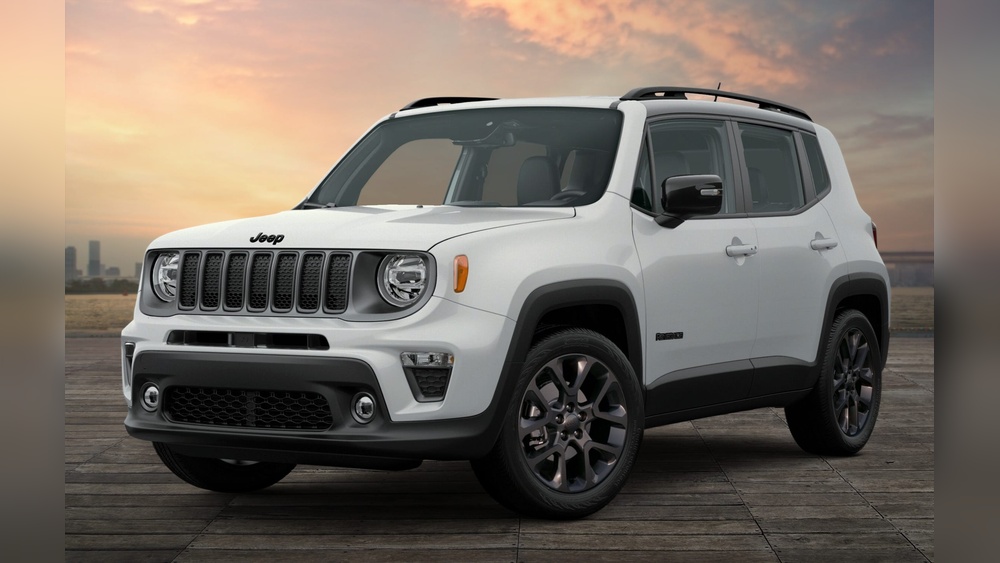
Jeep offers a diverse range of models, from the compact Renegade to the iconic Wrangler and the luxurious Grand Cherokee. Comfort levels and features can vary significantly across this lineup.
Jeep Wrangler
The Jeep Wrangler, especially in its two-door form, is primarily focused on off-road capability. While comfort has improved significantly over generations, its seats are often more utilitarian than luxurious. Cloth seats are standard, and while they offer decent support, they might lack the plushness of a more road-oriented SUV. Higher trims offer leather and heated seats. The upright seating position and relatively firm cushioning are designed for control and visibility on trails.
Jeep Grand Cherokee
The Jeep Grand Cherokee is positioned as a more premium and comfortable SUV. Its driver’s seats are typically more generously padded, offering excellent lumbar support and a wider range of power adjustments. Higher trims often feature Nappa leather, ventilated seats, and even massage functions. The focus here is on long-distance comfort and a luxurious driving experience, making it a great choice for families and daily commuting.
Jeep Cherokee
The Jeep Cherokee (KL generation) strikes a balance between off-road capability and on-road comfort. Its seats generally offer good support and a comfortable driving position. Available features like heated seats, power adjustments, and premium cloth or leather options make it a competitive option in its segment.
Jeep Compass And Renegade
The smaller Jeep Compass and Renegade offer comfortable seating for their respective classes. While they might not have all the advanced features of the Grand Cherokee, they provide supportive cushions and adequate adjustability for daily driving. Their seats are designed to be practical and comfortable for urban use and light off-roading.
Enhancing Driver Seat Comfort: Aftermarket And Diy Solutions
Even if your Jeep doesn’t come with all the bells and whistles, there are ways to improve driver seat comfort.
Seat Covers And Cushions
High-quality seat covers can protect your original upholstery and add a layer of comfort. Some are made from breathable materials like sheepskin or specialized fabrics that improve ventilation. Aftermarket seat cushions can also add extra padding or lumbar support. Look for ergonomic designs that don’t interfere with the seat’s safety features or adjustability.
Lumbar Support Pillows
For those who need extra lower back support, a dedicated lumbar support pillow can make a significant difference. These are often adjustable and can be positioned precisely to target your specific needs.
Seat Heaters And Ventilators (aftermarket)
It’s possible to install aftermarket seat heating and ventilation kits. These can be professionally installed and offer a more affordable way to add these comfort features to a vehicle that didn’t originally come with them. However, installation can be complex, and it’s important to ensure it’s done correctly to avoid electrical issues.
Proper Driving Posture
Maintaining a good driving posture is fundamental. Ensure your feet can comfortably reach the pedals, your knees are slightly bent, and your arms can reach the steering wheel with a slight bend in your elbows. Adjust your seat height so you have good visibility over the hood and dashboard. Proper posture reduces strain on your back, neck, and shoulders.
Factors Affecting Perceived Comfort
Perceived comfort is subjective and can be influenced by several factors beyond the seat’s physical attributes.
Temperature
The ambient temperature has a huge impact. A seat that feels fine at 70°F (21°C) might feel uncomfortably hot or cold at 100°F (38°C) or 20°F (-7°C) without climate control features.
Duration Of Drive
Longer driving times will naturally highlight any shortcomings in seat support and cushioning. A seat that feels comfortable for a short commute might become irritating on a multi-hour road trip.
Driver’s Body Type And Personal Preferences
Individuals have different body shapes, weights, and personal preferences for firmness and support. What one person finds perfectly comfortable, another might find lacking. This is why adjustability is so key.
Road Conditions And Driving Style
Driving on rough roads or engaging in aggressive driving will put more stress on the driver and the seat. The seat’s ability to absorb shocks and keep the driver stable becomes more important in these scenarios.

Conclusion: Investing In Your Driving Experience
The Jeep car driver seat comfort is a multifaceted aspect that blends design, materials, adjustability, and features. While Jeeps have a reputation for ruggedness, modern models offer a surprisingly high level of comfort, especially in higher trim levels and premium models like the Grand Cherokee. Understanding the elements that contribute to seat comfort, from ergonomic design and supportive cushioning to the benefits of heated, ventilated, and power-adjustable seats, can help you make the most of your driving experience.
Whether you’re a daily commuter, a weekend adventurer, or a dedicated off-roader, a comfortable driver’s seat is not just a luxury; it’s essential for safety, focus, and overall enjoyment. By considering the materials, adjustability options, and available features, you can ensure your time behind the wheel of your Jeep is as comfortable and enjoyable as possible, no matter the destination or the terrain.
Even without the top-tier options, simple additions like quality seat cushions or lumbar supports can make a noticeable difference. Ultimately, investing in your driver’s seat comfort is an investment in your overall driving pleasure and well-being.
Frequently Asked Questions
What Are The Most Common Issues Affecting Jeep Driver Seat Comfort?
Common issues include inadequate lumbar support, leading to back pain on longer drives; seats that are too firm or too soft, causing discomfort and fatigue; poor ventilation in hot weather, resulting in a sweaty back; and restrictive bolsters that feel uncomfortable for everyday driving. For older models, worn-out foam and fabric wear can also significantly reduce comfort.
How Does The Driver’s Seat Comfort Differ Between A Jeep Wrangler And A Jeep Grand Cherokee?
The Jeep Wrangler’s seats are typically designed with more emphasis on durability and support for off-road use. They might be firmer and offer less plush cushioning compared to the Grand Cherokee. The Grand Cherokee, being a more premium and road-focused SUV, usually features more generously padded seats with a wider range of power adjustments, better ventilation, and higher-quality materials like Nappa leather, prioritizing luxury and long-distance comfort.
Are Jeep Seats Durable Enough For Off-road Use?
Yes, Jeep seats are generally designed with durability in mind, especially for models like the Wrangler that are built for off-roading. Upholstery materials are often chosen for their resilience. However, extreme off-roading can still lead to wear and tear. Some owners opt for heavy-duty seat covers to protect the original upholstery from mud, water, and abrasion. Removable and