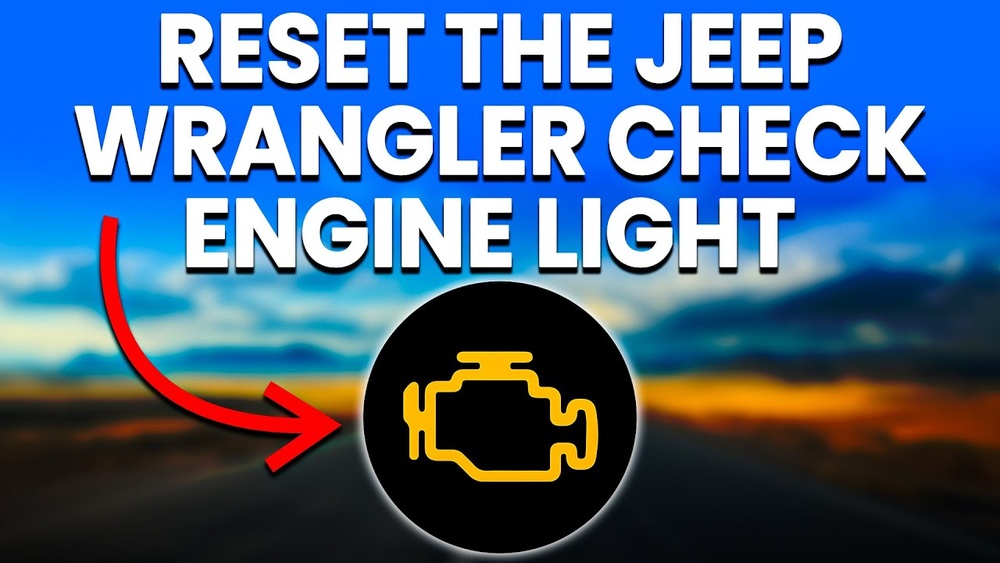
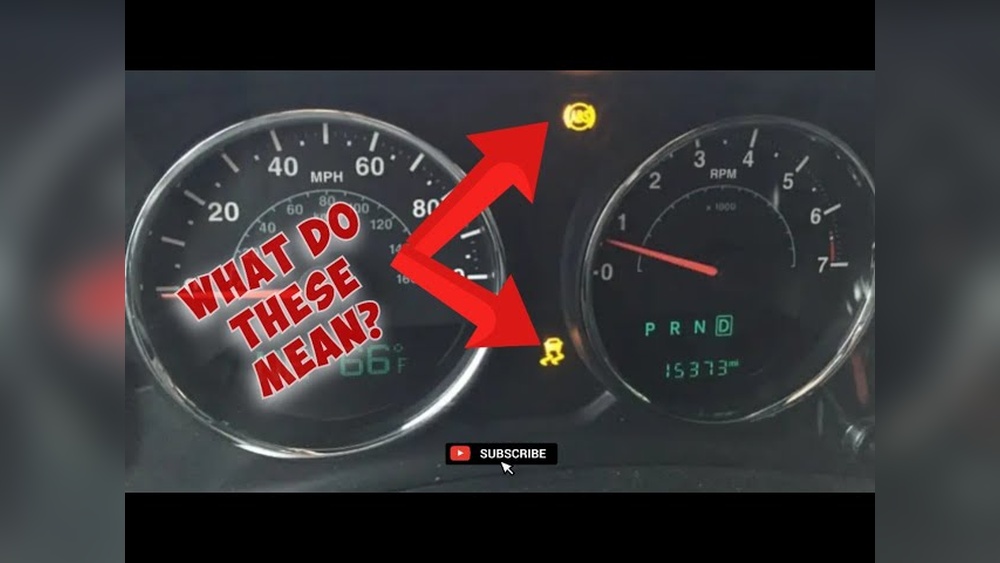
Have you ever noticed the ABS and traction control lights glowing on your Jeep’s dashboard and wondered what they really mean? These warning lights aren’t just there to catch your eye—they’re signaling that your vehicle’s safety systems might not be working as they should.
If you’re driving around Austin, Texas, or anywhere else, ignoring these lights could affect your Jeep’s handling, especially on slick or uneven roads. But don’t worry—understanding why these lights come on and what you can do about it doesn’t have to be complicated.
You’ll learn what triggers the ABS and traction control lights in your Jeep, how serious the issue might be, and simple steps to take to get back on the road safely. Keep reading to protect your ride and your peace of mind.
Common Causes
The Jeep ABS and traction control lights warn of issues in the vehicle’s safety system. Understanding common causes helps identify problems quickly. These lights often signal faults that affect braking and stability. Early attention prevents costly repairs and unsafe driving conditions.
Wheel Speed Sensor Issues
Wheel speed sensors monitor each wheel’s rotation speed. Dirt, damage, or disconnection can cause sensor failure. Faulty sensors send wrong data to the ABS system. This triggers the ABS and traction control lights. Cleaning or replacing sensors often solves the problem.
Bad Wheel Bearings And Hubs
Wheel bearings support the wheel and allow smooth rotation. Worn or damaged bearings affect sensor readings. Many Jeep sensors are built into the wheel bearing assembly. A bad bearing causes sensor errors and light activation. Replacing bearings or hubs fixes this issue.
Steering Wheel Misalignment
Misaligned steering wheels cause uneven wheel speeds. The ABS system detects these differences and may turn on the warning lights. Adjusting the drag link to center the steering wheel helps. Proper alignment improves vehicle control and stops the lights from coming on.
Weak Battery Impact
A weak battery can disrupt the ABS and traction control systems. Low voltage affects sensor operation and system performance. This causes the warning lights to illuminate. Charging or replacing the battery restores normal function and turns off the lights.
Leaking Rear Axle Seal
A leaking rear axle seal lets grease leak onto wheel speed sensors. Grease contamination blocks sensor signals. The ABS and traction control lights then activate. Repairing the seal and cleaning the sensor clears the warning. Prevents further damage to the braking system.
Diagnostic Steps
The ABS and traction control lights on a Jeep signal possible issues in the braking or stability system. Diagnosing these lights requires careful steps to find the root cause. Following these diagnostic steps helps avoid unnecessary repairs and ensures safety on the road.
Using A Scan Tool
A scan tool reads error codes stored in the Jeep’s computer. These codes point to specific problems in the ABS or traction control system. Plug the tool into the OBD-II port, usually under the dashboard. The tool displays fault codes that guide the next steps in repairs.
Checking Wheel Speed Sensors
Wheel speed sensors provide data for ABS and traction control. Dirt, damage, or failure in these sensors triggers warning lights. Inspect each sensor for dirt or damage. Clean or replace sensors that show signs of wear or malfunction. Proper sensor function is critical for system accuracy.
Inspecting Wiring And Connectors
Wiring issues often cause ABS and traction control lights to activate. Check wires and connectors near the wheel speed sensors and ABS module. Look for loose connections, frayed wires, or corrosion. Repair or replace damaged wiring to restore proper signals.
Testing Battery Health
A weak battery can affect the ABS and traction control systems. Low voltage may cause false warning lights. Test the battery voltage with a multimeter. Ensure the battery terminals are clean and tight. Replace the battery if it cannot hold a full charge.
Assessing Wheel Bearings
Wheel bearings affect the wheel speed sensor readings. Worn or damaged bearings cause sensor errors and warning lights. Check for looseness or noise in the wheel hubs. Replace faulty wheel bearings to fix sensor issues and improve vehicle safety.
Quick Fixes
The Jeep ABS and traction control lights can turn on due to various simple issues. Many drivers find quick fixes that save time and money. These fixes often restore normal function without needing a mechanic.
Some common causes include faulty sensors, misaligned steering, wiring problems, dirty sensors, or a weak battery. Each can be checked and fixed with basic tools and knowledge. Below are some easy solutions you can try.
Replacing Faulty Sensors
Wheel speed sensors often fail and trigger the ABS light. Replacing these sensors is a direct fix. Locate the faulty sensor using a scan tool or visual check. Remove the old sensor carefully and install a new one. This restores proper signal to the ABS system.
Realigning The Steering Wheel
A crooked steering wheel can cause traction control errors. Adjust the drag link to straighten the wheel while driving straight. This fix recalibrates the system and turns off the warning lights. Test drive the Jeep to confirm the issue is resolved.
Repairing Wiring Damage
Wiring damage near the wheel sensors is common. Inspect the wires for cuts, corrosion, or loose connections. Repair or replace damaged wiring to restore signal flow. Secure all connections tightly to prevent future errors.
Cleaning Sensor Areas
Dirt and grease on sensors affect their readings. Clean the sensor and the surrounding area gently using a soft brush and cleaner. Remove all debris that might block sensor signals. This simple step often clears the ABS and traction control lights.
Battery Replacement
A weak battery can cause electronic faults in the ABS system. Check the battery voltage and condition. Replace the battery if it is old or failing. A fresh battery helps maintain stable power to all vehicle systems, including ABS and traction control.
When To Seek Professional Help
Knowing when to seek professional help for your Jeep’s ABS and traction control lights can prevent costly repairs. Some issues need expert tools and knowledge. Ignoring warning lights might lead to unsafe driving conditions. Trust trained mechanics to diagnose and fix complex problems accurately.
Persistent Warning Lights
If the ABS and traction control lights stay on after several drives, get a professional check. Persistent lights often mean a deeper issue. A mechanic uses diagnostic tools to read error codes. They find the exact cause and suggest proper repairs.
Complex Electrical Issues
Electrical problems with ABS and traction control systems can be tricky. Faulty wiring or damaged sensors may confuse the system. Professionals have the skills to handle complex electrical faults. They ensure your Jeep’s safety features work correctly again.
Wheel Bearing Replacement
Many Jeeps have wheel speed sensors inside the wheel bearing assembly. Worn bearings can trigger ABS and traction control lights. Replacing wheel bearings requires special tools and experience. Professionals make sure the replacement is done safely and correctly.
Abs Module Problems
The ABS module controls braking and traction systems. If it malfunctions, your Jeep may lose stability control. Diagnosing ABS module issues needs advanced equipment. Experts can repair or replace the module to restore full functionality.
Safety Considerations
When the ABS and traction control lights illuminate on your Jeep’s dashboard, safety must be the top concern. These warning lights indicate that critical vehicle systems may not function correctly. Understanding what driving with these lights on means can help you avoid dangerous situations on the road. Paying attention to how these issues affect your Jeep’s handling is essential, especially in challenging driving conditions.
Driving With Lights On
Driving with the ABS and traction control lights on is risky. Your Jeep might lose some safety features designed to prevent skidding and wheel lockup. The braking distance may increase, especially on wet or slippery roads. Be cautious and drive slower than usual. Avoid sudden braking or sharp turns until you fix the problem.
Impact On Traction Control
The traction control system helps keep your Jeep stable on slippery surfaces. When the traction control light is on, the system may be disabled or not working properly. This loss makes it easier to lose control on ice, mud, or wet pavement. Your Jeep may slide or spin more easily during acceleration or cornering.
Abs Functionality Limits
The anti-lock braking system (ABS) prevents wheels from locking during hard braking. If the ABS light stays on, this feature may not work. Your wheels could lock up, causing a loss of steering control. This situation increases the risk of accidents, especially in emergencies or on slick surfaces. Drive cautiously and leave extra space between vehicles.
Precautions In Adverse Conditions
Adverse weather like rain, snow, or ice makes driving more dangerous with these lights on. Reduced traction control and ABS functionality demand extra care. Slow down, increase following distance, and avoid sudden movements. If possible, avoid driving in harsh weather until your Jeep’s systems are repaired. Keeping your vehicle safe means protecting yourself and others on the road.

Preventive Maintenance
Preventive maintenance keeps your Jeep’s ABS and traction control systems working well. Regular checks catch problems early. This avoids warning lights turning on and costly repairs. Proper care ensures safety on every drive.
Regular Sensor Inspections
Wheel speed sensors detect how fast each wheel spins. Dirt, grease, or damage can block signals. Clean sensors gently with a soft cloth. Look for cracked wires or loose plugs. Replace sensors that show wear to stop false warnings.
Battery Care Tips
A weak battery can cause ABS and traction control lights to flash. Check battery terminals for corrosion or dirt. Tighten loose connections to keep power steady. Test battery voltage often and replace it if it drops too low.
Wheel Bearing Checks
Wheel bearings connect the wheel to the axle and hold the sensor. Worn bearings cause sensor errors and warning lights. Listen for grinding noises while driving. Have a mechanic inspect and replace bearings before damage spreads.
Steering System Adjustments
A crooked steering wheel affects sensor readings and system function. Check that the steering wheel is centered when driving straight. Adjust the drag link or steering alignment if it is off. This keeps sensors accurate and lights off.
Frequently Asked Questions
What Does It Mean When Your Abs And Traction Control Light Comes On A Jeep Wrangler?
The ABS and traction control lights on a Jeep Wrangler indicate a fault in the stability system. Common causes include a bad wheel speed sensor, worn wheel bearing, or steering misalignment. These lights warn that anti-lock braking and traction assist may not function properly.
Why Would My Abs And Traction Control Light Come On At The Same Time?
Your ABS and traction control lights usually come on together due to a faulty wheel speed sensor, bad wheel bearing, or steering alignment issues. These problems disrupt the electronic stability program, triggering both warnings simultaneously.
Is It Okay To Drive A Jeep With Abs And Traction Control Light On?
Driving a Jeep with ABS and traction control lights on is possible but not recommended. Safety features may be disabled. Get it inspected promptly.
Why Is My Abs And Traction Control Light On My Jeep Patriot?
Your Jeep Patriot’s ABS and traction control lights indicate a fault in the electronic stability system. Common causes include a failing wheel speed sensor, bad wheel bearing, misaligned steering, or weak battery. Address these issues promptly to ensure safe driving and proper system function.
Conclusion
The Jeep ABS and traction control lights warn of safety system issues. Common causes include wheel speed sensor problems or a misaligned steering wheel. Ignoring these lights can affect your Jeep’s braking and handling. Simple checks and timely repairs keep your vehicle safe and reliable.
Regular maintenance helps prevent unexpected light alerts. Stay alert and address these warnings quickly to ensure safe driving. Your Jeep deserves attention when these lights appear on the dashboard.