The Jeep 4Xe lineup has changed how people think about SUVs. These plug-in hybrid models offer electric power for city driving and gasoline for longer trips.
But with this new technology, owners must understand the service charging system. It’s the heart of the vehicle’s electric performance and reliability.
Knowing how it works, what to expect, and how to keep it running can save you time, money, and worry.
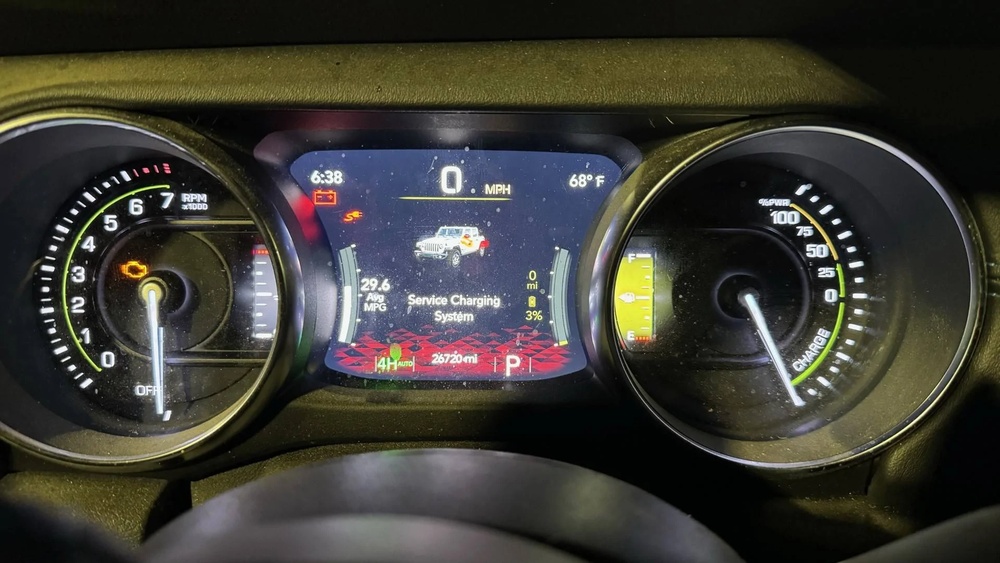
What Is The Jeep 4xe Service Charging System?
The service charging system in a Jeep 4Xe manages the battery’s health, power delivery, and recharging process. In simple terms, it keeps your hybrid running smoothly, whether you use electric, gasoline, or both. This system monitors battery temperature, voltage, and charging rates. If something goes wrong, it triggers a warning or even prevents charging to avoid damage.
Unlike a traditional Jeep, the 4Xe uses both a high-voltage lithium-ion battery and a standard 12V battery. Both need proper care.
The service charging system balances their needs and ensures safe operation.
Common Service Charging System Issues
Even the best systems can have problems. Here are some typical issues Jeep 4Xe owners face:
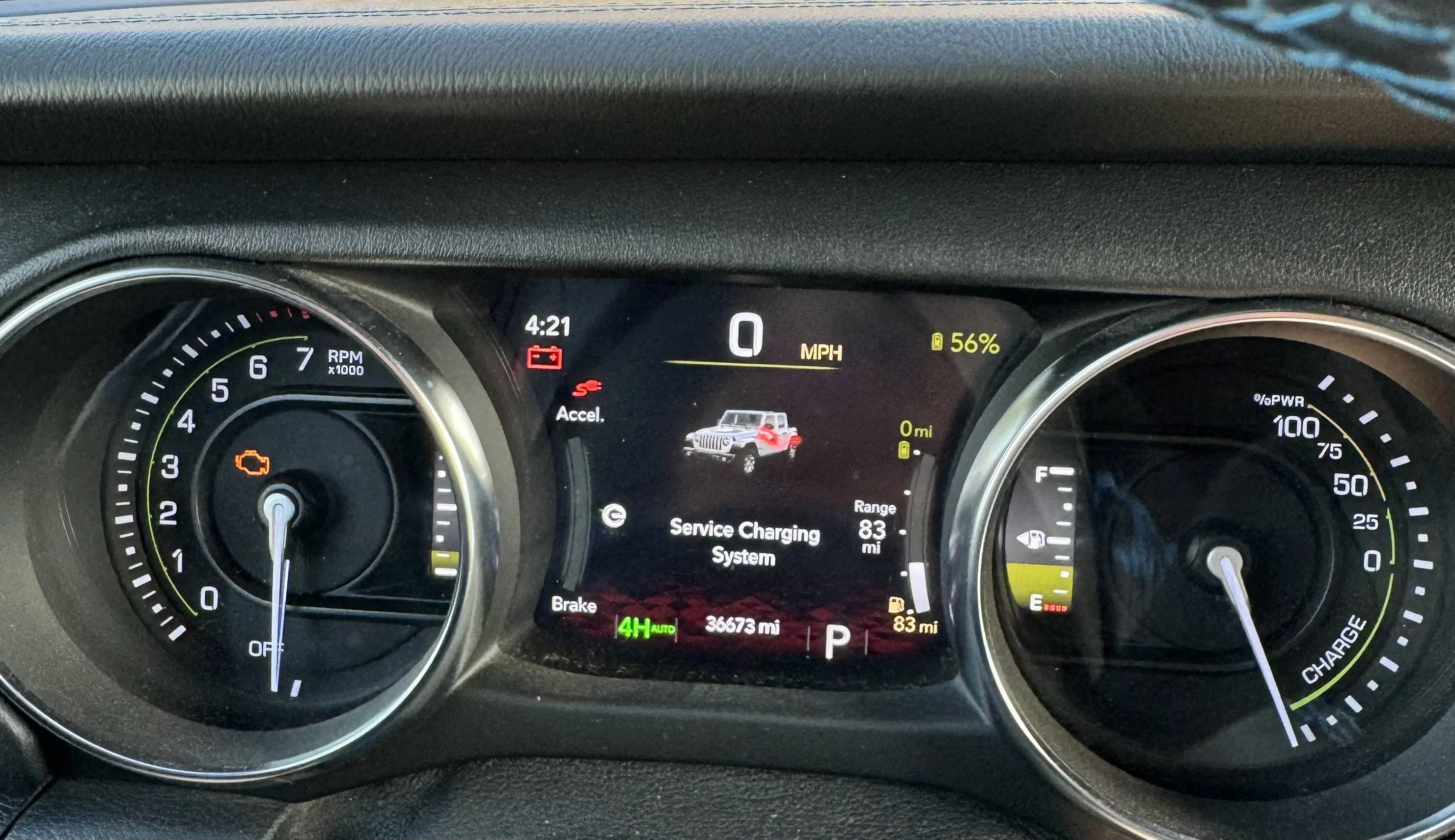
- Charging Error Messages: Sometimes, the dashboard shows “Service Charging System.” This can mean a sensor fault, a charging cable problem, or a deeper electrical issue.
- Slow or Incomplete Charging: If your battery charges slowly or stops before reaching 100%, it could be a sign of battery aging, poor connections, or issues with the charging station.
- Reduced Electric Range: A drop in electric-only mileage often points to battery health or charging management problems.
- Unusual Noises During Charging: Clicking or buzzing sounds may mean the system is working too hard or a part is failing.
Ignoring these warnings can lead to bigger problems. Jeep’s hybrid system is complex, and small issues can quickly grow if not addressed.
Key Components Of The Jeep 4xe Charging System
Understanding the main parts helps you spot problems early. Here’s a breakdown:
| Component | Role in Charging | Common Issues |
|---|---|---|
| High-Voltage Battery | Stores electric power for driving | Capacity loss, overheating |
| Onboard Charger | Manages charging from wall or station | Charging errors, power loss |
| Battery Management System (BMS) | Monitors battery health and safety | Faulty sensors, error messages |
| 12V Battery | Powers electronics and starts vehicle | Draining, replacement needed |
Each part plays a role in keeping your Jeep ready to drive. If one fails, the whole system can be affected.
How To Maintain Your Jeep 4xe Service Charging System
Regular care is the best way to avoid service charging system problems. Here are some essential steps:
- Check Charging Cables and Ports: Dirt, moisture, or damage can stop the system from charging. Clean the port and inspect cables often.
- Update Software: Jeep often releases updates to improve charging and battery life. Ask your dealer about the latest versions.
- Charge Properly: Use approved charging stations and avoid running the battery to zero. Partial charging is fine and often better for battery health.
- Monitor Battery Health: If you notice less range or slow charging, get a battery check. Catching problems early saves money.
- Keep the 12V Battery Healthy: The hybrid system won’t work if the small battery is weak. Replace it every few years or if you see warning lights.
Many owners miss the importance of keeping the 12V battery strong. This small battery often triggers system warnings, but it’s easy to test and replace.
Comparing Home And Public Charging For Jeep 4xe
Choosing where to charge your Jeep 4Xe affects convenience and system health. Here’s a quick comparison:
| Charging Option | Charging Speed | Cost | Best For |
|---|---|---|---|
| Home (Level 1/120V) | Slow (12-14 hours for full charge) | Low (standard electricity rate) | Overnight charging |
| Home (Level 2/240V) | Fast (2-4 hours for full charge) | Moderate (equipment cost + electricity) | Daily use, quick turnaround |
| Public Charging | Varies (often Level 2) | Can be free or paid | On-the-go, travel |
Level 2 charging at home is the most popular. It balances speed and cost, and it’s gentle on the battery. Fast public chargers may sound convenient, but frequent use can warm the battery more, which may reduce lifespan over time.
Diagnosing And Fixing Service Charging System Warnings
When you see a service charging system warning, don’t panic. Follow these steps:
- Restart the Vehicle: Sometimes, a quick reset removes temporary errors.
- Check Cables and Connections: Unplug and re-plug the charging cable. Look for damage or dirt.
- Try a Different Charger: If possible, use another station or outlet to rule out external issues.
- Inspect the 12V Battery: Weak or failing 12V batteries often cause warning lights.
- Contact a Dealer: If the warning stays, book a service visit. Modern diagnostic tools can quickly pinpoint the problem.
A common mistake is ignoring warnings or trying to reset them without fixing the cause. This can lead to larger repairs and even loss of warranty coverage.
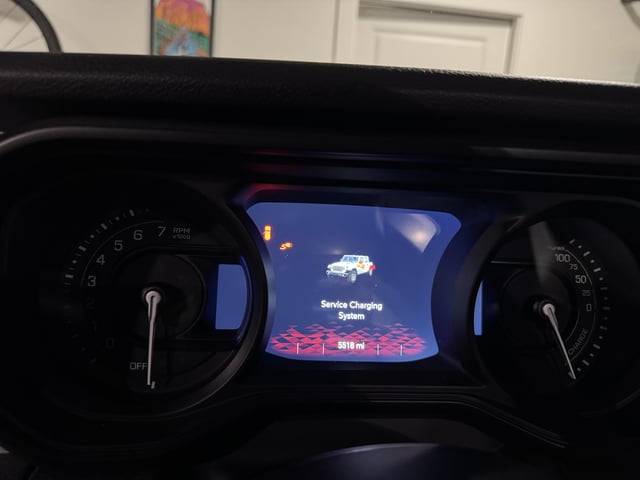
Real-world Example
A 2026 Jeep Wrangler 4Xe owner noticed frequent “Service Charging System” messages after fast-charging at public stations. After checking the basics, a dealer found the 12V battery was failing.
A quick swap fixed the problem. This case shows how even a small part can affect the whole system.
Service Charging System: Warranty And Cost Factors
Jeep covers the high-voltage battery for 8 years or 100,000 miles. Most service charging system repairs are included if they’re not caused by misuse or outside damage.
However, regular maintenance and using approved charging stations help keep your warranty valid.
Here’s a look at typical costs if you’re outside warranty:
| Repair Type | Estimated Cost (USD) |
|---|---|
| 12V Battery Replacement | $150 – $250 |
| Onboard Charger Repair | $1,000 – $2,000 |
| High-Voltage Battery Replacement | $8,000 – $12,000 |
These figures highlight the value of warranty coverage and preventive care.
Staying Updated And Finding Help
Jeep’s hybrid technology is still new for many drivers. Staying informed can prevent confusion. Official resources like the Jeep owner’s manual or forums often answer common questions. For deeper details, visit the Jeep 4Xe official site.
Frequently Asked Questions
Why Does My Jeep 4xe Show A “service Charging System” Warning?
This warning usually means the car’s charging system found a problem. It could be a weak 12V battery, a loose cable, or a deeper battery issue.
Can I Drive My Jeep 4xe With A Charging System Warning?
It’s possible, but not safe. You may lose electric-only driving and risk further damage. Fix the cause before regular use.
How Often Should I Check The Charging System?
Check cables and the charging port monthly. Have the whole system checked by a dealer once a year, or sooner if you notice problems.
Will Regular Fast Charging Harm My 4xe Battery?
Frequent use of fast chargers can increase battery heat and aging. Use Level 2 charging for daily needs and save fast charging for travel.
What Should I Do If My Jeep 4xe Won’t Charge At All?
First, check the outlet, cable, and 12V battery. If those are fine, contact a Jeep service center for diagnostics.
The Jeep 4Xe’s service charging system is vital to its performance and your peace of mind. With proper care and attention, you can enjoy efficient, eco-friendly driving for years.